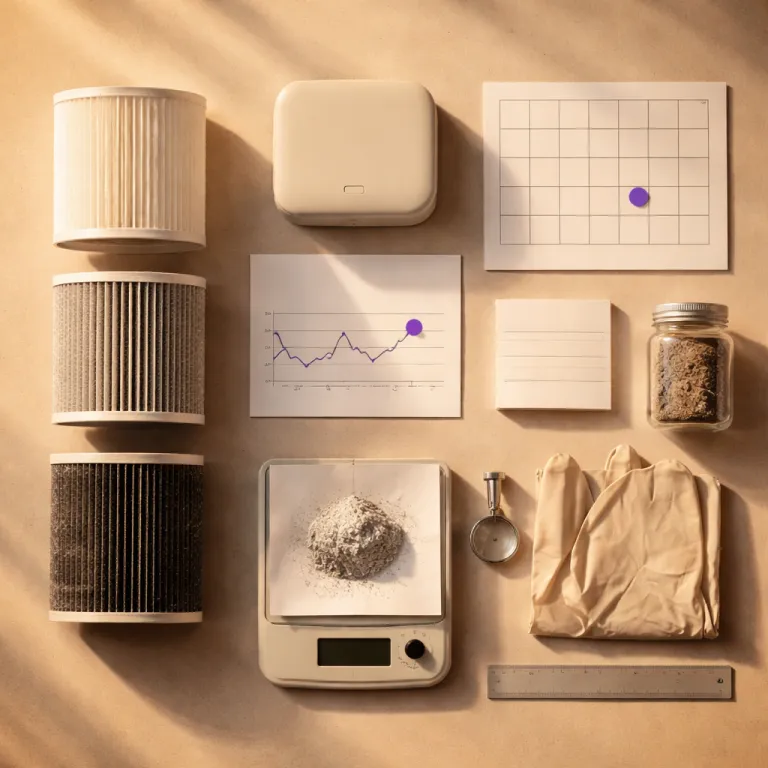
Why fixed schedules for air purifier filters often mislead
Most manuals answer how often to change air purifier filter with a simple range. That fixed schedule protects the manufacturer, keeps liability low, and creates predictable filter replacement revenue over time. It also assumes your indoor air, lifestyle, and purifier unit match a fictional average home that rarely exists.
Brands usually suggest replacing a HEPA air filter every six to twelve months. They also recommend changing carbon filters every three to six months, regardless of actual dust load, particles concentration, or fan runtime in your indoor air. Those blanket rules ignore whether your air purifiers run all day on high or only at night on a quiet low setting.
For a tech savvy owner, that one size fits all answer to how often to change air purifier filter wastes money. Some purifiers in low pollution areas can safely stretch filters months beyond the label without harming air quality or performance. Other homes with heavy air pollution, pets, or smoking need to replace air filters much sooner than the manual suggests.
Think about what the manufacturer really optimizes when they design a purifier filter schedule. They must guarantee acceptable indoor air quality even in dusty homes, while also driving regular sales of purifier filters to sustain margins. That is why the change air reminder light on your unit is often tied to hours of use, not to any real measurement of particles or clean air output.
For you, the best air strategy is different because your goal is clean indoor air at the lowest honest cost. You care about how often to change air purifier filter in your specific rooms, not in a lab with controlled dust levels. That means learning to read your own environment, your own filters, and your own usage patterns instead of blindly replacing filter cartridges on a fixed calendar.
Using sensors to decide when to replace filters intelligently
The most reliable way to judge how often to change air purifier filter is to measure what the filter actually does. A small PM2.5 sensor placed near the purifier can show how effectively the unit removes particles from indoor air over time. When performance drops and clean air delivery falls, you know it is time for filter replacement instead of guessing by months alone.
Set up a simple routine with your air purifiers to track air quality before and after filtration. First, run the unit on its usual fan speed with a relatively clean filter, and log the PM2.5 reading after thirty minutes of operation. Later, repeat the same test every few weeks, and when the purifier filter no longer reduces particles by at least half, you are approaching the moment for replacing filter elements.
Affordable sensors under one hundred euros can pay for themselves within a year. By stretching filters months longer in low pollution homes, you avoid unnecessary replacement while still maintaining healthy indoor air quality. In high dust or smoke environments, the same sensor data will show that you must replace air filters more often than the manual suggests, especially when air pollution spikes.
For carbon filters, which target gases and odours rather than particles, the nose becomes your sensor. If cooking smells, pet odours, or traffic fumes that were previously masked suddenly return even on maximum fan, that is a clear sign for replacing air and gas filters. Do not wait for the indicator light, because most units cannot directly measure the saturation of carbon filters inside the housing.
Smart home enthusiasts can integrate these sensors with connected purifiers for automated alerts. Instead of a crude timer based reminder to change air filters, you can trigger notifications when real world air quality data shows declining performance. This approach aligns how often to change air purifier filter with actual health protection, not with a generic schedule designed for manufacturer convenience.
When your filters finally reach the end of their useful life, think about what happens next. Many readers ask whether they can recycle used filters or if they must go to general waste. For a detailed breakdown of safe disposal options and recycling limits, see this guide on how to handle old furnace and purifier filters responsibly, which applies to most consumer units.
Reading the physical signs on HEPA and pre filters
Visual inspection still matters when deciding how often to change air purifier filter in a busy home. A HEPA filter turning grey or even dark brown from dust does not automatically mean it has failed. Discoloration simply shows that the air filter is capturing particles instead of letting them circulate through your indoor air.
Look closely at the pleats of the purifier filter under good light and check for structural changes. If the media is warped, torn, or crushed, or if you see a thick cake of dust and hair bridging the pleats, airflow is probably restricted and performance is compromised. In that situation, replacing filter cartridges promptly protects both air quality and the motor inside the purifier unit.
Pre filters deserve special attention because they are your first defence against large particles. Many pre filters are washable or vacuum friendly, and cleaning them regularly can extend the life of the main HEPA and carbon filters by several months. When pre filters stay clogged, the purifier must work harder, which reduces clean air output and can shorten the lifespan of the entire unit.
For smart home users, it helps to set a recurring reminder to clean pre filters every four to eight weeks. Each cleaning session is a chance to reassess how often to change air purifier filter overall, based on how quickly dust and pet hair accumulate. If you notice heavy buildup every cycle, your environment likely needs more frequent filter replacement than the manual suggests.
Some premium air purifiers include pressure sensors that infer when filters are clogged. Even then, a quick visual check of both HEPA filters and carbon filters remains valuable, because sensors cannot see physical damage or mould growth. When in doubt, err on the side of replacing air filters rather than risking reduced air quality or strain on the fan motor.
If you also use a central system, the same logic applies to furnace media. Choosing the right furnace filters with proper dimensions and resistance is crucial for both comfort and equipment health, as explained in this resource on selecting suitable furnace filters for cleaner indoor air. Aligning both portable purifiers and central filtration keeps the whole home system balanced.
Balancing cost, subscriptions, and real world filter life
Money always enters the conversation when people ask how often to change air purifier filter in a connected home. Subscription plans that auto ship purifier filters every few months promise convenience but often ignore your actual usage. Many customers end up with a cupboard full of unused filters while still wondering whether their current air filter is truly finished.
From a cost benefit perspective, filters are cheaper than repairing a stressed purifier motor or living with poor air quality. You should never stretch HEPA filters far beyond their honest life just to save a few euros, especially in homes with asthma, allergies, or high air pollution. At the same time, replacing air filters too early wastes money and resources without delivering extra clean air.
Cancel any rigid subscription that sends replacement filters on a fixed calendar. Instead, combine sensor data, visual checks, and odour tests to decide when to replace air filters on demand. Over a year, many low to medium pollution homes can safely extend filters months beyond the default schedule, which often offsets the cost of a good PM2.5 monitor.
When comparing brands, look beyond the sticker price of the purifier unit. Calculate the total cost of ownership by estimating how often to change air purifier filter in your specific environment, including HEPA, carbon filters, and pre filters. A slightly more expensive purifier with long lasting filters and strong performance can be the best air value over several years.
Smart home enthusiasts should also consider energy use when running purifiers for long periods. Operating a unit on medium speed with a clean filter often delivers better clean air per watt than running on turbo with a clogged filter. That balance between performance, electricity, and filter replacement frequency matters more than any marketing claim about ultra long life filters.
If you prefer quiet operation in bedrooms or offices, pay attention to models optimised for low noise at effective airflow. A curated list of quiet but efficient air purifiers can help you match noise levels, filter costs, and smart features to your actual living spaces. Once you choose the right hardware, your personalised schedule for replacing filter elements becomes much easier to manage.
Tailoring filter schedules to different homes and lifestyles
Two homes using the same purifier model can have radically different answers to how often to change air purifier filter. A small apartment with one occupant, no pets, and low traffic may only need HEPA filter replacement every twelve to fourteen months. In contrast, a family home with children, multiple pets, and frequent cooking can overload filters in half that time.
High allergen environments, such as homes with long haired animals or heavy pollen exposure, usually require more regular filter changes. In these spaces, HEPA filters and pre filters face a constant stream of hair, dander, and outdoor particles tracked inside on clothing. Expect to replace air filters thirty to fifty percent sooner than the manual suggests if you want stable air quality and reliable performance.
Low use properties tell a different story, especially vacation homes or secondary residences. When the purifier unit runs only a few hours per week, the filter ages mainly by calendar, not by dust load or particles accumulation. In such cases, stretching filters months beyond the standard schedule is reasonable as long as indoor air pollution remains low and there are no strong odours.
Urban apartments near busy roads or industrial zones face a constant influx of fine particles. Here, even the best air purifiers must work harder, and HEPA filters may reach capacity sooner despite looking relatively clean. A PM2.5 sensor will often show that replacing air filters every four to eight months is necessary to keep indoor air within recommended health thresholds.
Smart home users can automate much of this decision making with routines and scenes. For example, you can log sensor readings, fan speeds, and filter age in a spreadsheet or app, then adjust how often to change air purifier filter based on trends rather than guesswork. Over time, this data driven approach reveals the true lifespan of your purifier filters in your unique environment.
Remember that no manufacturer schedule, subscription plan, or indicator light knows your home as well as you do. By combining objective measurements, physical inspection, and awareness of your daily habits, you can set a personalised, efficient rhythm for replacing filter components. That rhythm keeps indoor air clean, protects your equipment, and respects both your budget and the environment.
FAQ about changing air purifier filters
How often should I change my HEPA filter in normal use
In a typical low to medium pollution home, most HEPA filters last between eight and twelve months. If you run the purifier on high speed for many hours daily, expect a shorter interval. Use sensor readings and visual checks to refine that range for your specific rooms.
Do I really need to replace carbon filters as often as recommended
Carbon filters lose effectiveness once their pores fill with gases and odours, even if they still look clean. If smells that were previously removed start returning, especially on higher fan speeds, it is time to replace them. Many homes can safely extend carbon filter life slightly, but heavy cooking or smoking will shorten it.
Can I wash and reuse my air purifier filters
Most true HEPA filters are not designed for washing, because water can damage the fibres and reduce efficiency. Some pre filters are washable or vacuum safe, and cleaning them regularly helps protect the main filter. Always follow the manual, and never wash a filter unless the manufacturer explicitly allows it.
Is it safe to keep using a very dirty looking filter
A grey or brown filter is normal, because it shows that dust and particles are being captured. It becomes unsafe when airflow drops noticeably, the filter is deformed, or there is visible caking or mould. At that point, you should replace the filter to restore performance and avoid stressing the motor.
How can I tell if my purifier is still improving indoor air quality
The most reliable method is to compare PM2.5 readings before and after running the purifier for a set period. If the readings no longer drop significantly, your filters may be saturated or the unit undersized. Combining sensor data with odour checks and visual inspection gives a clear picture of real world effectiveness.