

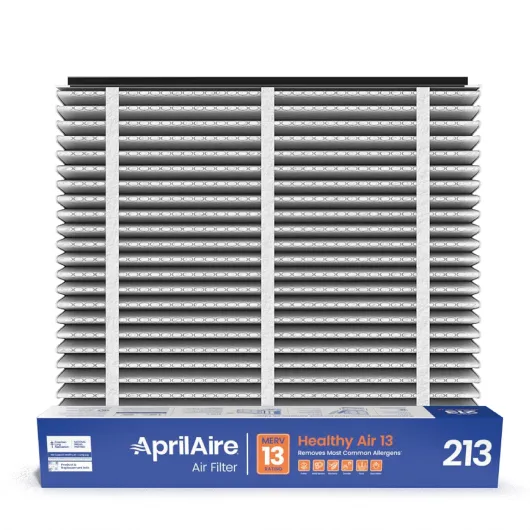
Understanding what furnace filters are made of
Materials Commonly Used in Furnace Filters
Furnace filters play a crucial role in maintaining indoor air quality and the efficiency of your HVAC system. These filters are designed to trap dust, pollen, and other airborne particles, helping to keep the air in your home cleaner and your heating and cooling systems running smoothly. But what exactly are furnace filters made of, and how does that impact their recyclability?
- Fiberglass: Many basic furnace filters use fiberglass, a lightweight material that captures larger particles but is not recyclable in most municipal programs.
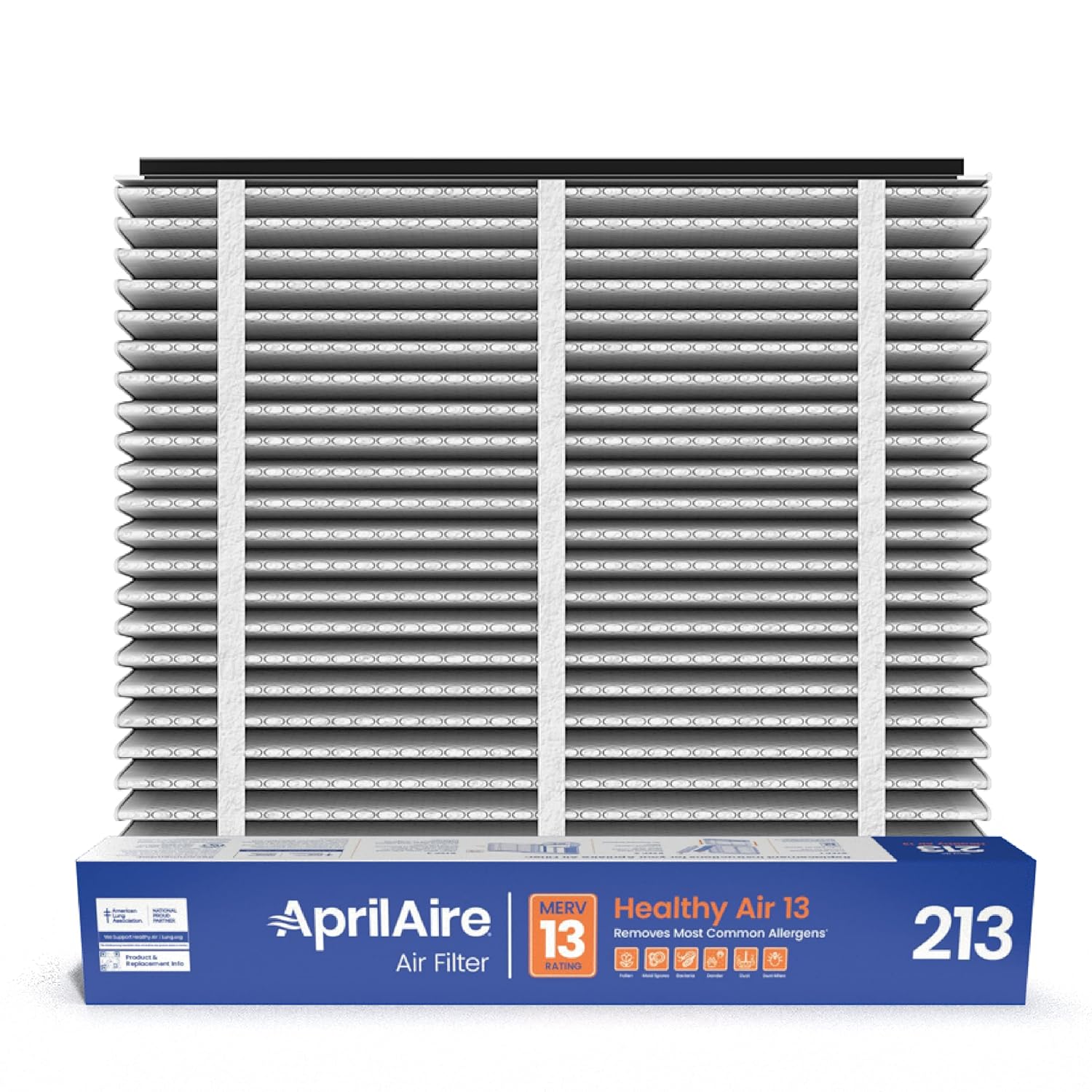
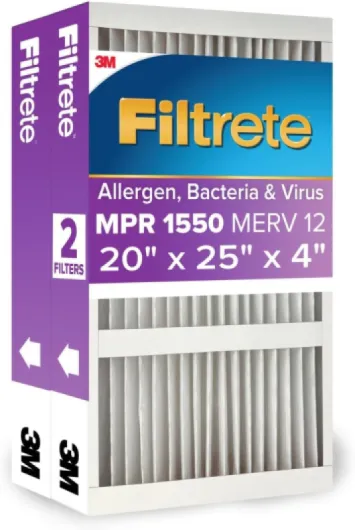
- Pleated Filters: These are often made from polyester or cotton paper blends. Pleated filters offer higher efficiency (sometimes with a higher MERV rating), but their mixed materials can make recycling difficult.
- HEPA Filters: High-efficiency particulate air (HEPA) filters are constructed from dense fibers, sometimes combined with metal or plastic frames. While they improve air quality, their complex structure is rarely recyclable.
- Reusable Filters: Some filters are designed to be washed and reused, reducing waste and energy consumption. These are typically made from durable synthetic materials or metal mesh.
Frames for these filters can be made from cardboard, plastic, or metal. The combination of materials—such as adhesives, wire mesh, and filter media—makes separating recyclable components challenging. This is a key reason why most furnace filters are not considered recyclable materials in standard curbside programs.
Understanding the importance of standard air filter sizes can also help homeowners choose the right filter for their HVAC system, which can improve energy efficiency and reduce the environmental impact of heating and cooling.
As you consider the environmental impact and maintenance of your HVAC system, knowing what your furnace filter is made of is the first step. This knowledge will help you explore eco friendly solutions and smart disposal or recycling options, which we’ll cover in the next sections.
Why recycling furnace filters is challenging
Why Most Furnace Filters Aren't Recyclable
Many homeowners wonder if their used furnace filters can be recycled. The reality is that recycling furnace filters is more complicated than it seems. Most filters, including pleated filters, HEPA filters, and high efficiency HVAC filters, are made from a combination of materials. These often include synthetic fibers, cardboard frames, metal mesh, and sometimes adhesives. This mix of materials makes it difficult for recycling facilities to separate and process them efficiently.
Another challenge is that used air filters trap dust, allergens, and sometimes even mold spores from your HVAC system. These contaminants can pose health risks to workers at recycling centers and may contaminate other recyclable materials. Because of this, most municipal recycling programs do not accept used furnace filters, even if some components appear to be recyclable materials.
Complexity of Filter Materials and Recycling Systems
Furnace filters are designed to improve indoor air quality by capturing particles from the air as it moves through your heating and cooling system. While this is great for your home's air quality and energy efficiency, it complicates the recycling process. The combination of materials—especially when glued or bonded together—makes it hard for standard recycling systems to handle them. Even filters labeled as eco friendly or high efficiency are rarely fully recyclable.
Some filters, like reusable filters, are designed for multiple uses and can be washed and reinstalled, offering a smart solution for reducing waste. However, most disposable filters, including those with high MERV ratings, are intended for single use and must be replaced regularly as part of HVAC maintenance. This ongoing need for replacement increases the environmental impact and carbon footprint of traditional furnace filters.
- Mixed materials (fibers, cardboard, metal) make separation difficult
- Contaminants trapped in filters pose health and safety risks
- Most curbside recycling programs do not accept used HVAC filters
For a deeper look at how filter ratings affect your choices, check out this resource on understanding air filter FPR ratings.
Environmental impact of disposing furnace filters
How Disposing of Furnace Filters Affects the Environment
When homeowners replace their furnace filters, the used filters often end up in landfills. Most furnace filters, including pleated filters and HEPA filters, are made from a mix of synthetic fibers, cardboard, and sometimes metal. These materials are not easily recyclable, which means they contribute to landfill waste and can take years to break down. This is a concern for anyone interested in eco friendly solutions and reducing their carbon footprint.
Improper disposal of HVAC filters can also impact air quality and energy consumption. When filters are thrown away without proper handling, dust, allergens, and other contaminants trapped in the filter can be released back into the environment. This not only affects indoor air but can also harm outdoor air quality. Additionally, the production and frequent replacement of non-recyclable filters increase the demand for raw materials and energy, further raising the environmental impact.
High efficiency HVAC systems rely on regular maintenance, including changing air filters, to operate at peak performance. However, the more often filters are replaced, the more waste is generated. While some filters are marketed as recyclable, most municipal recycling programs do not accept them due to contamination and mixed materials. This makes it challenging for homeowners to find smart, sustainable solutions for filter disposal.
For those looking to minimize their environmental impact, exploring reusable filters or high efficiency options can help reduce waste. It’s also important to stay informed about safe disposal methods and local recycling programs. For more on how indoor air quality and filter choices affect your home and the environment, check out this guide on improving your indoor air quality.
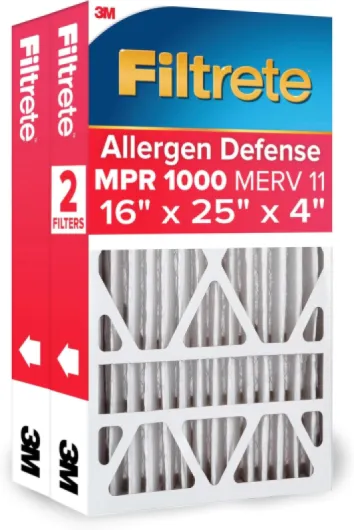
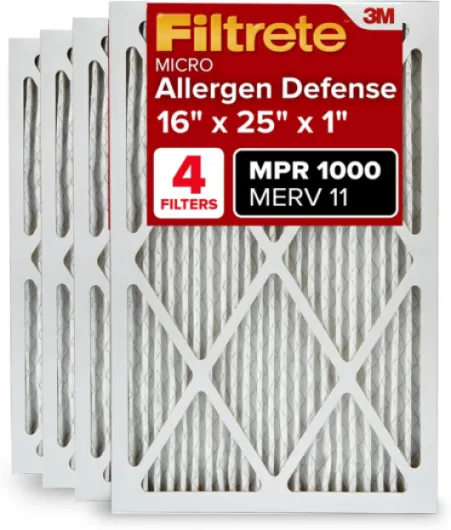
- + High Efficiency - MPR 1000 and MERV 11 ratings
- + Allergen Defense - Helps reduce allergens
- + Fits popular brands like Honeywell and Lennox
- + Electrostatic air cleaning for better filtration
- + Comes in a convenient 2-Pack

Safe ways to dispose of used furnace filters
Best Practices for Handling Used Furnace Filters
When it comes to disposing of used furnace filters, safety and environmental responsibility should be top priorities for homeowners. Since most filters are not recyclable due to their combination of materials and trapped contaminants, it's important to handle them with care to protect indoor air quality and minimize environmental impact.- Wear gloves and a mask when removing the filter from your HVAC system. Filters often trap dust, allergens, and sometimes even mold, which can be released back into the air if disturbed.
- Seal the used filter in a plastic bag before disposal. This helps contain any particles and prevents them from re-entering your home's air or spreading during trash collection.
- Check local waste guidelines. Some municipalities have specific instructions for disposing of HVAC filters, especially if they contain fiberglass or other non-recyclable materials. Contact your local waste management or plumbing authority for the most up-to-date information.
- Do not burn used filters. Burning can release harmful substances into the air and is not an eco friendly solution.
Reducing Environmental Impact Through Smart Choices
While traditional pleated filters and HEPA filters are generally not recyclable, there are ways to make your heating and cooling system more sustainable:- Consider reusable filters made from washable materials. These can be cleaned and reused multiple times, reducing waste and supporting high efficiency in your HVAC system.
- Regular maintenance of your HVAC system and timely filter changes help maintain energy efficiency and indoor air quality, lowering your overall carbon footprint.
- Look for filters with eco friendly certifications or those made from recyclable materials, though these are still rare in the market.
Alternatives to traditional furnace filters
Exploring Eco-Friendly and Reusable Filter Options
Many homeowners are now looking for alternatives to traditional furnace filters that can help reduce environmental impact and improve indoor air quality. While most standard filters are not recyclable due to their mixed materials and contamination, there are innovative solutions that can make your HVAC system more sustainable.
- Reusable Filters: These filters are designed to be washed and reused multiple times, cutting down on waste. They are often made from durable, recyclable materials and can last several years with proper maintenance. Reusable filters are available in various MERV ratings, so you can choose the right balance between air quality and energy efficiency for your heating and cooling system.
- High-Efficiency Filters: HEPA filters and high MERV-rated pleated filters capture more particles, improving air quality and reducing the need for frequent replacements. While not always recyclable, their longer lifespan means fewer filters end up in landfills.
- Eco-Friendly Materials: Some manufacturers now offer filters made from biodegradable or partially recyclable materials. These options help lower your carbon footprint and are a smart choice for those committed to green living.
- Smart HVAC Solutions: Upgrading to a smart HVAC system can optimize filter usage and energy consumption. These systems monitor air quality and alert you when it’s time to clean or replace your filter, ensuring efficient operation and less waste.
When considering alternatives, always check compatibility with your existing HVAC system and consult with a heating or plumbing professional if you’re unsure. Regular maintenance, such as cleaning reusable filters and monitoring system performance, is key to maximizing efficiency and minimizing environmental impact.
How to find local recycling or disposal options
Where to Start Your Search for Recycling and Disposal Options
Finding the right way to dispose of or recycle furnace filters can feel overwhelming, especially with so many types of filters and local regulations. Here are some practical steps homeowners can take to ensure their used filters, whether pleated filters, HEPA filters, or standard HVAC filters, are handled responsibly.
- Check with Local Waste Management: Many municipalities have specific guidelines for disposing of HVAC system components, including furnace filters. Visit your city or county waste management website or call their hotline to ask if filters are considered recyclable materials or if they require special handling.
- Contact HVAC and Plumbing Professionals: Companies specializing in heating, cooling, and plumbing often provide maintenance services and may offer advice or even collection programs for used filters. They can also recommend eco friendly solutions or reusable filters that reduce waste and energy consumption.
- Retailer Take-Back Programs: Some hardware stores or home improvement retailers offer recycling programs for air filters and furnace filters. Ask at the customer service desk or check their websites for details on accepted filter types and drop-off locations.
- Manufacturer Guidance: Review the packaging or manufacturer’s website for your filter. Some brands provide instructions on whether their filters are recyclable or offer mail-back programs for high efficiency or specialty filters.
- Online Recycling Directories: Use online tools like Earth911 or local recycling directories to search for facilities that accept HVAC filters. Enter your zip code and the type of filter to find the nearest options.
Smart Tips for Responsible Filter Disposal
- Always wear gloves and a mask when handling used filters to protect indoor air quality and reduce exposure to trapped dust or allergens.
- If your filter is not recyclable, seal it in a plastic bag before placing it in the trash to minimize the environmental impact and prevent particles from escaping.
- Consider switching to reusable filters or filters made from recyclable materials to lower your carbon footprint and improve the efficiency of your HVAC system over time.
By taking these steps, homeowners can make smart, eco friendly choices that support better air quality, reduce energy consumption, and help maintain efficient heating and cooling systems. Staying informed about local recycling and disposal options is a key part of responsible HVAC maintenance and reducing the environmental impact of your home.