



What is the direction of airflow filter and why does it matter
Why airflow direction in filters is crucial for your air quality
When it comes to air purifiers and HVAC systems, the direction of the airflow filter is more than just a technical detail. The way a filter is installed—specifically, which way the arrow points—directly affects how efficiently your system captures particles and maintains indoor air quality. Every air filter, whether for a furnace, air handler, or standalone air purifier, is designed to trap dust, pollen, and other contaminants as air flows through it. If the filter is installed in the wrong direction, its ability to catch these particles drops, and your system may even work harder, leading to higher energy bills and reduced efficiency.
Most filters, including those with a MERV rating, are built to let air pass through in a specific direction. The side facing the incoming air (from the blower or return duct) is designed to catch larger debris first, while the finer filtering layers trap smaller particles before the air moves into your living space. Installing the filter backwards can cause the filter media to clog faster, restrict airflow, and even damage your HVAC unit or air purifier over time.
Proper filter installation is not just about following instructions—it’s about protecting your investment and ensuring the air you breathe is as clean as possible. The correct filter direction also helps maintain the overall efficiency of your HVAC system, which can impact your energy consumption and the lifespan of your equipment.
- Efficiency: Correct airflow direction ensures the filter traps the maximum amount of particles.
- System health: Properly installed filters protect your HVAC unit or air purifier from dust buildup and airflow restrictions.
- Air quality: The right filter direction helps maintain high indoor air quality by capturing pollutants before they circulate.
For those looking to get the most out of their air purifier, understanding filter direction goes hand-in-hand with optimal placement for your air purifier. Both factors play a big role in how well your system performs.
How to identify the correct airflow direction in your filter
Spotting the Right Way: Arrows and Labels
When it comes to installing air filters in your HVAC system or air purifier, the direction of airflow is crucial. Most filters, whether for a furnace, air handler, or portable air purifier, have an arrow printed on the frame. This arrow indicates the proper direction the air should flow through the filter. The arrow should always point in the direction of the airflow—from the return duct or room, toward the blower or air handler inside your HVAC unit.
Understanding Airflow in Your System
To identify the correct filter direction, first locate where the air enters your system. In a typical HVAC system, air is pulled in from your living space, passes through the filter, and then moves toward the blower and heating or cooling elements. The filter should be installed so that the arrow points toward the furnace or air handler, not back toward the room. For portable air purifiers, check the user manual or look for arrows on the filter itself.
- Furnace filters: Arrow points toward the furnace or air handler.
- HVAC air filters: Arrow points toward the blower motor.
- Portable air purifiers: Follow the arrows or manufacturer instructions.
Why Filter Direction Matters for Performance
Installing a filter in the wrong direction can reduce efficiency, lower air quality, and even increase energy bills. The filter media is designed to capture particles as air flows in a specific direction. If installed backward, the filter may not trap dust and allergens effectively, and the system could work harder, leading to higher energy use and possible damage.
Check Filter Size and Fit
Before installing air filters, make sure you have the correct filter size for your system. A filter that is too small or too large won’t seal properly, letting unfiltered air bypass the filter. Always check the filter size and MERV rating recommended for your HVAC unit or air purifier to maintain optimal air quality and system efficiency.
For more tips on optimizing your air purifier’s performance, including where to place it for best results, see this guide on the best location for your air purifier.
Common mistakes when installing air purifier filters
Typical errors when fitting air filters
Installing an air filter in your air purifier, HVAC system, or furnace might seem simple, but it’s easy to make mistakes that can impact air quality and system efficiency. Here are some of the most common errors people make when installing air filters:
- Ignoring the airflow direction arrow: Most filters have an arrow indicating the proper direction for airflow. If the filter is installed with the arrow pointing the wrong way, it can reduce efficiency and allow more particles to pass through. Always check for the arrow and make sure it points toward the blower or air handler.
- Using the wrong filter size: A filter that’s too small or too large for your HVAC unit or air purifier won’t seal properly, letting unfiltered air bypass the filter. Always confirm the correct filter size for your system before installing.
- Not checking the MERV rating: The Minimum Efficiency Reporting Value (MERV) rating tells you how well the filter captures particles. Using a filter with a MERV rating that’s too high for your system can restrict airflow, while a rating that’s too low won’t trap enough particles. Refer to your system’s manual or consult a professional to choose the right filter.
- Forgetting to replace filters regularly: Over time, filters become clogged with dust and particles, reducing airflow and efficiency. Set reminders to check and replace your air filters as recommended by the manufacturer.
- Improper filter installation: Sometimes, filters are installed loosely or not seated correctly in the filter slot. This can cause air to leak around the filter, reducing its effectiveness. Make sure the filter is snug and secure in its housing.
Incorrect filter installation can lead to higher energy bills, poor air quality, and even damage to your HVAC system. For more detailed guidance on choosing the right filter and ensuring proper installation, check out this guide to selecting the right heat pump filter for better air quality.
| Mistake | Impact | How to Avoid |
|---|---|---|
| Arrow pointing wrong way | Reduces filter efficiency, lets particles through | Always check airflow direction arrow |
| Wrong filter size | Unfiltered air bypasses filter, lowers air quality | Confirm correct filter size for your system |
| Incorrect MERV rating | Restricts airflow or fails to trap enough particles | Match MERV rating to system requirements |
| Clogged filter not replaced | Reduces airflow, increases energy bills | Replace filter regularly as recommended |
| Loose or improper installation | Air leaks around filter, lowers efficiency | Ensure filter is properly seated and secure |
Taking the time to install your air filters correctly will help maintain your system’s efficiency, protect your indoor air quality, and keep your energy costs in check.
Impact of incorrect airflow direction on air quality
How Incorrect Filter Direction Affects Your Air Quality
When an air filter is installed with the wrong airflow direction, the entire system can suffer. The filter’s design relies on air moving through it in a specific way. If the arrow on the filter isn’t pointing toward the blower or air handler, the filter’s efficiency drops, and so does your indoor air quality.- Reduced Filtration Efficiency: Filters, especially those with a higher MERV rating, are engineered to trap particles as air flows in the proper direction. Reversing the filter means larger particles may pass through, and smaller particles can clog the filter surface quickly.
- Increased Strain on HVAC System: When the filter is installed backwards, airflow is restricted. This forces the HVAC unit or furnace blower to work harder, potentially leading to higher energy bills and more frequent maintenance issues.
- Shortened Filter Life: A filter installed in the wrong direction fills up with dust and debris faster. This means you’ll need to replace your air filters more often, which can be costly over time.
- Compromised Air Quality: With improper filter installation, dust, pollen, and other particles may circulate back into your living space, reducing the overall air quality and potentially aggravating allergies or respiratory issues.
Why Proper Filter Installation Matters for Your System
The direction of the arrow on your air filter is not just a suggestion. It’s a guide to ensure the filter is working as intended. When the filter direction is correct, the HVAC system can efficiently remove particles from the air, maintain proper airflow, and keep energy consumption in check. An incorrectly installed filter can also cause the system to overheat or even damage the blower motor in extreme cases. Paying attention to filter size, the arrow pointing toward the air handler, and replacing your filter regularly are all key steps in maintaining good air quality and protecting your HVAC system. If you’re unsure about the correct filter installation, refer to your system’s manual or consult a professional to avoid these common pitfalls.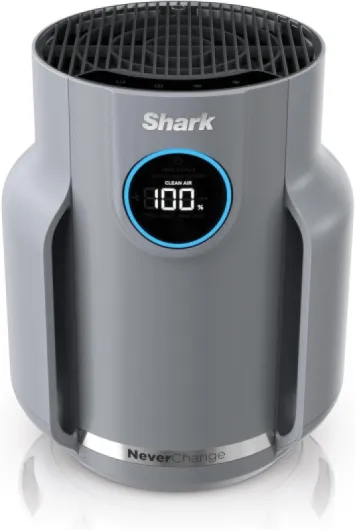
- + HEPA-Exceeding Filter captures pollutants effectively
- + Compact design suitable for various spaces
- + Quiet operation ideal for bedroom or nursery
- + Versatile use for home office, dorm, etc.
- + Covers up to 250 sq ft

Tips for maintaining your air purifier’s filter
Routine Steps for Cleaner Air and Efficient Performance
- Check your filter regularly: Inspect your air filter or furnace filter at least once a month. Dust, pet hair, and other particles can quickly clog filters, reducing airflow and lowering air quality.
- Follow the arrow: When installing air filters, always ensure the arrow on the filter frame points in the direction of airflow, toward the blower or air handler. This helps maintain proper system efficiency and prevents particles from bypassing the filter.
- Choose the right filter size: Using the correct filter size for your HVAC system or air purifier is essential. An ill-fitting filter can allow unfiltered air and particles to circulate, impacting both air quality and energy bills.
- Monitor the MERV rating: Select a filter with a MERV rating that matches your needs and your HVAC unit’s capabilities. Higher MERV ratings capture smaller particles but may restrict airflow if your system isn’t designed for them.
- Replace filters as recommended: Most manufacturers suggest replacing filters every 1 to 3 months, but this can vary based on usage, filter type, and air quality. If you notice reduced airflow or increased dust, it may be time for a change.
- Keep the area around your system clean: Dust and debris near your HVAC air intake or air purifier can quickly clog a new filter. Regularly vacuum and wipe down the area to help your filter last longer.
- Double-check filter installation: After installing a new filter, confirm the arrow is pointing in the correct direction and the filter is securely in place. A filter installed backward or loosely can reduce efficiency and strain your HVAC system.
Signs Your Filter Needs Attention
- Noticeable drop in air quality or increased dust in your home
- Higher energy bills, which can signal your system is working harder due to restricted airflow
- Visible dirt or discoloration on the filter surface
- Unusual noises from your HVAC unit or air purifier, possibly from a clogged filter or improper filter installation
Staying proactive with your filter maintenance not only improves air quality but also helps your HVAC system run efficiently, saving energy and extending the life of your equipment. Always refer to your system’s manual for specific guidance on filter direction, size, and replacement intervals.
Frequently asked questions about airflow direction in filters
Answers to Common Airflow Direction Questions
- How do I know which way the filter should face?
Most air filters have an arrow printed on the frame. This arrow should point in the direction of the airflow, which usually means toward the blower or air handler in your HVAC system or air purifier. For furnace filters, the arrow should point toward the furnace itself. - What happens if I install the filter backwards?
Installing a filter in the wrong direction can reduce efficiency, let more particles pass through, and put extra strain on your HVAC unit or air purifier. This can lead to higher energy bills and lower air quality in your home. - Does filter size matter for airflow direction?
Yes, using the proper filter size ensures a good seal and correct airflow. An incorrectly sized filter can allow air to bypass the filter, reducing its effectiveness and potentially damaging your system. - Is the airflow direction the same for all systems?
While the principle is the same—air should flow through the filter in the direction indicated by the arrow—different systems (like HVAC, furnace, or standalone air purifiers) may have different filter locations. Always check your system’s manual for guidance. - How often should I check or replace my filter?
Check your air filter regularly, at least once a month, especially during heavy use. Replace it as recommended by the manufacturer or when it appears dirty. Regular maintenance helps maintain air quality and system efficiency. - Does the MERV rating affect airflow direction?
The MERV rating measures how well a filter captures particles, not the direction of installation. However, higher MERV filters can restrict airflow more, so proper installation is even more important to avoid stressing your HVAC system. - What if my filter doesn’t have an arrow?
If there’s no arrow, look for the wire mesh or the more rigid side—this usually faces the blower or air handler. The softer, pleated side should face the incoming air. - Can installing air filters incorrectly affect energy use?
Yes, a filter installed in the wrong direction can make your system work harder, increasing energy consumption and potentially raising your energy bills.
Proper filter installation and regular maintenance are key to keeping your air quality high and your HVAC system running efficiently. If you’re unsure about the filter direction or size, consult your system’s manual or reach out to a professional for advice.