

Understanding humidity in winter homes
What Happens to Humidity When Temperatures Drop?
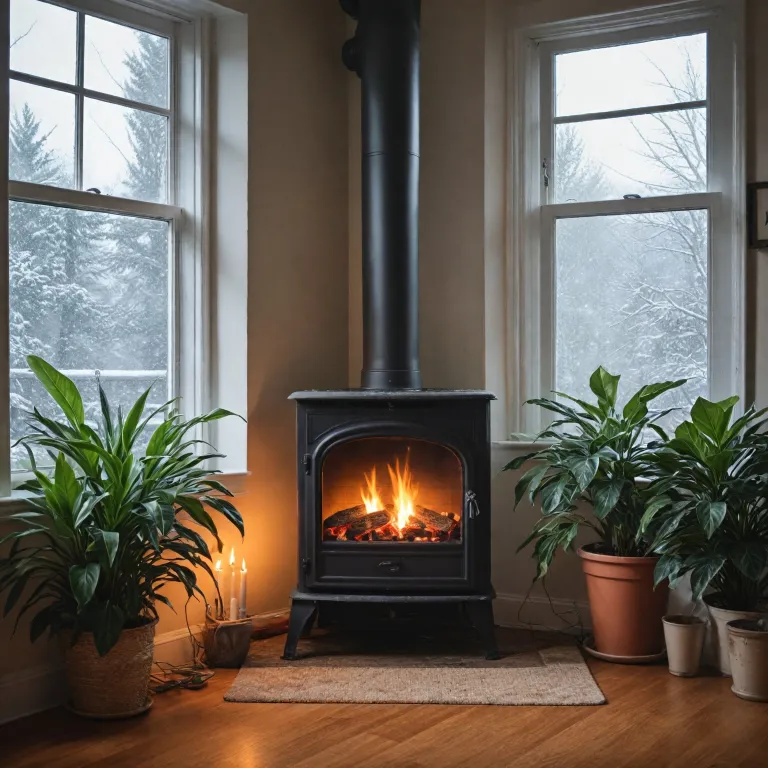
As winter arrives, the air outside becomes colder and drier. When this cold air enters your home and is warmed by your heating system, its ability to hold moisture decreases. This leads to lower indoor humidity levels, often making your house feel dry and less comfortable. Many people notice symptoms like dry skin, irritated eyes, and even static electricity. These are all signs that the humidity level in your home has dropped below the ideal range.
Why Indoor Humidity Matters for Comfort and Health
Maintaining the right humidity level is crucial for both comfort and health. The ideal indoor humidity range is typically between 30% and 50%. If the air in your home becomes too dry, you might experience issues like cracked lips, itchy skin, and respiratory discomfort. On the other hand, high humidity can encourage mold growth and dust mites, which can negatively impact indoor air quality and trigger allergies. Striking the right balance is key to a comfortable and healthy living environment.
How Your Home’s Air Changes in Winter
Heating systems, especially forced air and central heating, tend to dry out the indoor air even more. This can make the air in your house feel stuffy and uncomfortable. You might notice wood furniture or floors creaking, or even see gaps forming in woodwork due to the lack of moisture. These changes are all linked to shifts in humidity levels as your home adapts to winter conditions.
Understanding the Role of Moisture and Air Quality
Managing indoor humidity isn’t just about comfort—it also affects your home’s air quality. Dry air can make it easier for dust and other particles to circulate, which can worsen allergies and respiratory issues. On the flip side, excess moisture can lead to mold growth and a musty smell. Using humidifiers or adjusting your heating and cooling habits can help maintain optimal humidity levels. For more on how air quality is impacted by these factors, check out this guide to transforming your indoor environment.
- Low humidity can cause dry skin and respiratory discomfort
- High humidity increases the risk of mold and dust mites
- Heating systems often lower indoor humidity
- Maintaining the ideal indoor humidity range helps keep your home comfortable and healthy

Why low humidity is a problem in winter
Why winter makes your home air so dry
When temperatures drop, most people turn up the heating to stay warm. While this keeps your house comfortable, it also lowers indoor humidity levels. Heating systems, especially forced-air and baseboard types, tend to dry out the air by reducing its moisture content. As a result, the humidity level in your home can fall well below the ideal indoor range of 30% to 50% (EPA, 2023).
Health and comfort issues caused by low humidity
Dry air in winter can lead to several problems for both your health and your home. Common symptoms include:
- Dry skin, chapped lips, and irritated eyes
- Sore throats and increased risk of respiratory issues
- Static electricity buildup, which can be annoying and even damage electronics
- Cracking or warping of wooden furniture and floors due to lack of moisture
Low humidity can also worsen indoor air quality by allowing dust, allergens, and even viruses to stay airborne longer. This is especially important for people with allergies or asthma. For more on how filters can help, see how HEPA AC filters improve your indoor air quality.
Why ideal humidity levels matter in winter
Maintaining optimal humidity levels in your home during winter is not just about comfort. It also helps prevent issues like mold growth (if humidity gets too high), dust mites, and excess moisture that can damage your house. On the other hand, too little moisture air can make your home uncomfortable and unhealthy. Using humidifiers, monitoring indoor humidity, and adjusting heating cooling systems can help you keep your indoor air at the right level home for both comfort and health.
How air purifiers interact with humidity
How Air Purifiers Affect Indoor Humidity Levels
Many people wonder if using an air purifier in their home during winter will change the humidity level. The short answer is that most air purifiers do not directly add or remove moisture from the air. Their main job is to filter out particles, allergens, and pollutants, helping to improve indoor air quality. However, the relationship between air purifiers and humidity is more nuanced, especially in winter when heating systems can make indoor air dry.
Air Purifiers and Moisture: What to Expect
- No direct impact on humidity: Standard air purifiers, including HEPA and activated carbon models, are not designed to control moisture. They simply move air through filters to trap dust mites, mold spores, and other particles.
- Some exceptions: Certain air purifiers combine filtration with humidification or dehumidification features. These hybrid devices can help maintain optimal humidity levels, but they are not as common as standalone humidifiers or dehumidifiers.
- Indirect effects: By removing airborne particles, air purifiers can help reduce triggers for allergies and respiratory issues that may be worsened by dry air or high humidity. Cleaner air can make your home feel more comfortable, even if the moisture level stays the same.
Why Humidity Still Matters with Air Purifiers
During winter, heating systems often lower indoor humidity, leading to dry air, dry skin, and even static electricity. While an air purifier can help with air quality, it will not solve problems caused by low humidity. If your house feels too dry, you may need to add a humidifier to maintain the ideal indoor humidity range, usually between 30% and 50% (EPA).
On the other hand, if you struggle with excess moisture or mold growth, a dehumidifier is more effective than an air purifier alone. Remember, high humidity can encourage dust mites and mold, while low humidity can make the air uncomfortable and dry out your skin.
Optimizing Air Purifier Performance in Winter
To get the most out of your air purifier during winter, pay attention to its placement and the direction of airflow. Proper positioning can help circulate filtered air throughout your home and prevent pockets of stagnant, dry air. For more on this, check out this guide on understanding the direction of airflow filter in air purifiers.
In summary, while air purifiers are essential for maintaining good indoor air quality, they do not directly manage humidity levels. For a comfortable and healthy winter home, consider using a humidifier or dehumidifier alongside your air purifier to achieve the optimal humidity level.
Choosing the right air purifier for winter conditions
Key features to look for in winter-ready air purifiers
When selecting an air purifier for your home during the winter, it's important to consider how it will interact with indoor humidity levels. Winter air is often dry due to heating, and the right air purifier can help maintain a comfortable and healthy environment. Here are some features and considerations to keep in mind:
- HEPA filtration: High-efficiency particulate air (HEPA) filters are effective at removing dust mites, mold spores, and other allergens that can thrive in both low and high humidity conditions.
- Activated carbon filters: These help reduce odors and volatile organic compounds (VOCs), which can become more noticeable in a closed winter house with less ventilation.
- Humidifier integration: Some air purifiers come with built-in humidifiers. This combination can help you maintain the ideal indoor humidity range (typically 30% to 50%), preventing dry skin and static electricity while also reducing the risk of mold growth from excess moisture.
- Humidity sensors: Advanced models may include sensors that monitor indoor humidity levels and adjust their operation accordingly, helping you keep your home within the optimal humidity range.
- Coverage area: Make sure the purifier is suitable for the size of your room or house. An undersized unit may not effectively manage air quality or humidity level home-wide.
- Quiet operation: Since heating and air conditioning systems already add background noise, a quiet air purifier is ideal for maintaining a comfortable indoor environment.
Matching your air purifier to your winter needs
During winter, heating systems can make indoor air dry, which may lead to discomfort and health issues like dry skin or respiratory irritation. If your house tends to have low humidity, consider an air purifier with a humidifier function to add moisture air and keep humidity at an ideal level. For homes with high humidity or concerns about mold, focus on purifiers with strong filtration and dehumidifying capabilities to prevent excess moisture and mold growth.
| Winter Condition | Recommended Feature | Benefit |
|---|---|---|
| Dry air | Humidifier integration | Helps maintain comfortable humidity levels and reduce static electricity |
| High humidity | HEPA & dehumidifying function | Reduces mold risk and improves air quality |
| Allergy concerns | HEPA filter | Removes dust mites, pollen, and other allergens |
| Odor issues | Activated carbon filter | Eliminates odors from heating and cooking |
By choosing an air purifier that addresses your specific winter indoor air and humidity needs, you can create a healthier, more comfortable home environment all season long. Remember, balancing heating, cooling, and moisture is key to maintaining optimal humidity and air quality in your house.
Tips for balancing humidity in your winter home
Simple ways to maintain optimal humidity
- Monitor indoor humidity levels: Use a hygrometer to keep an eye on your home's humidity. The ideal indoor range is typically between 30% and 50%. This helps prevent both dry air and excess moisture, which can lead to issues like dry skin or mold growth.
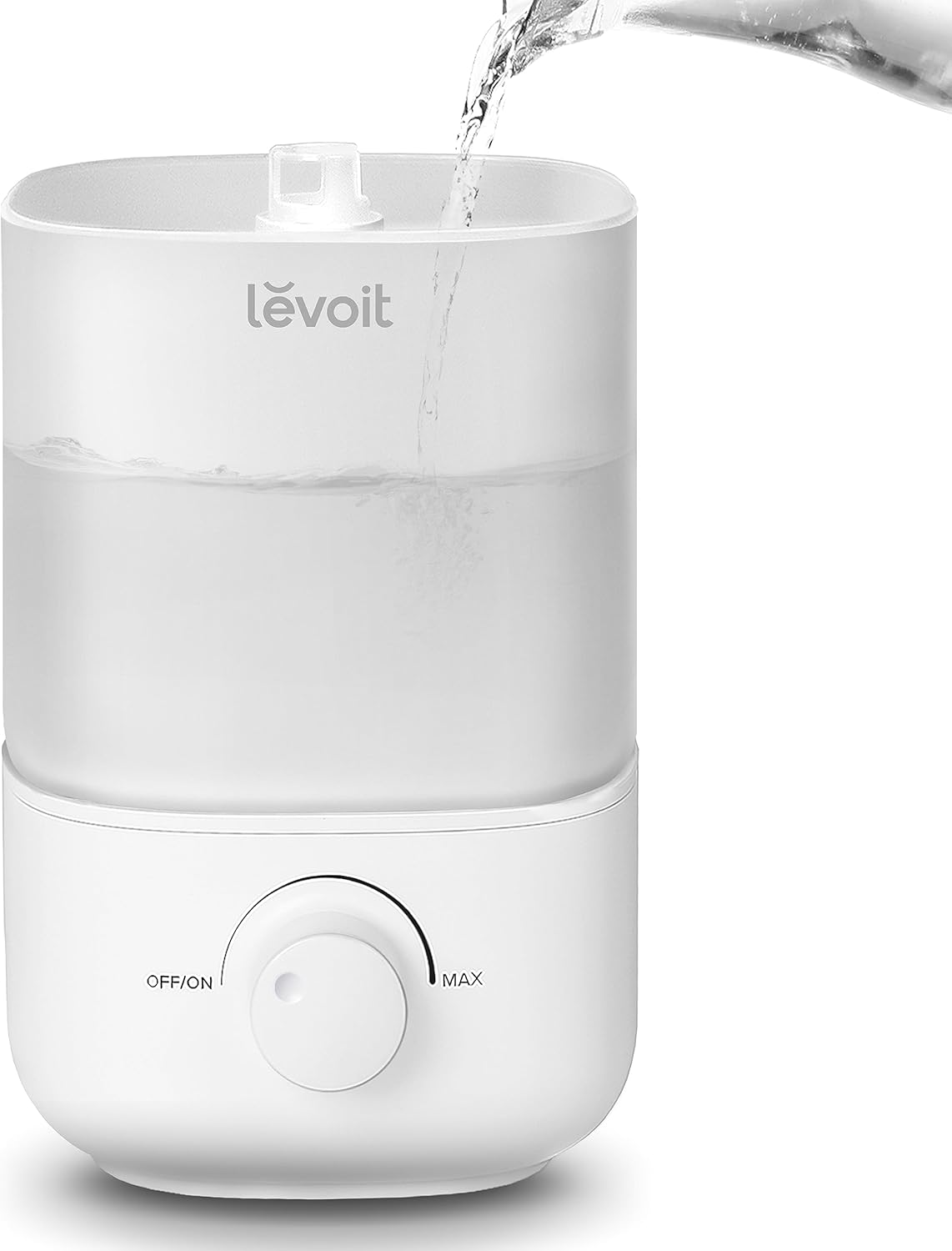
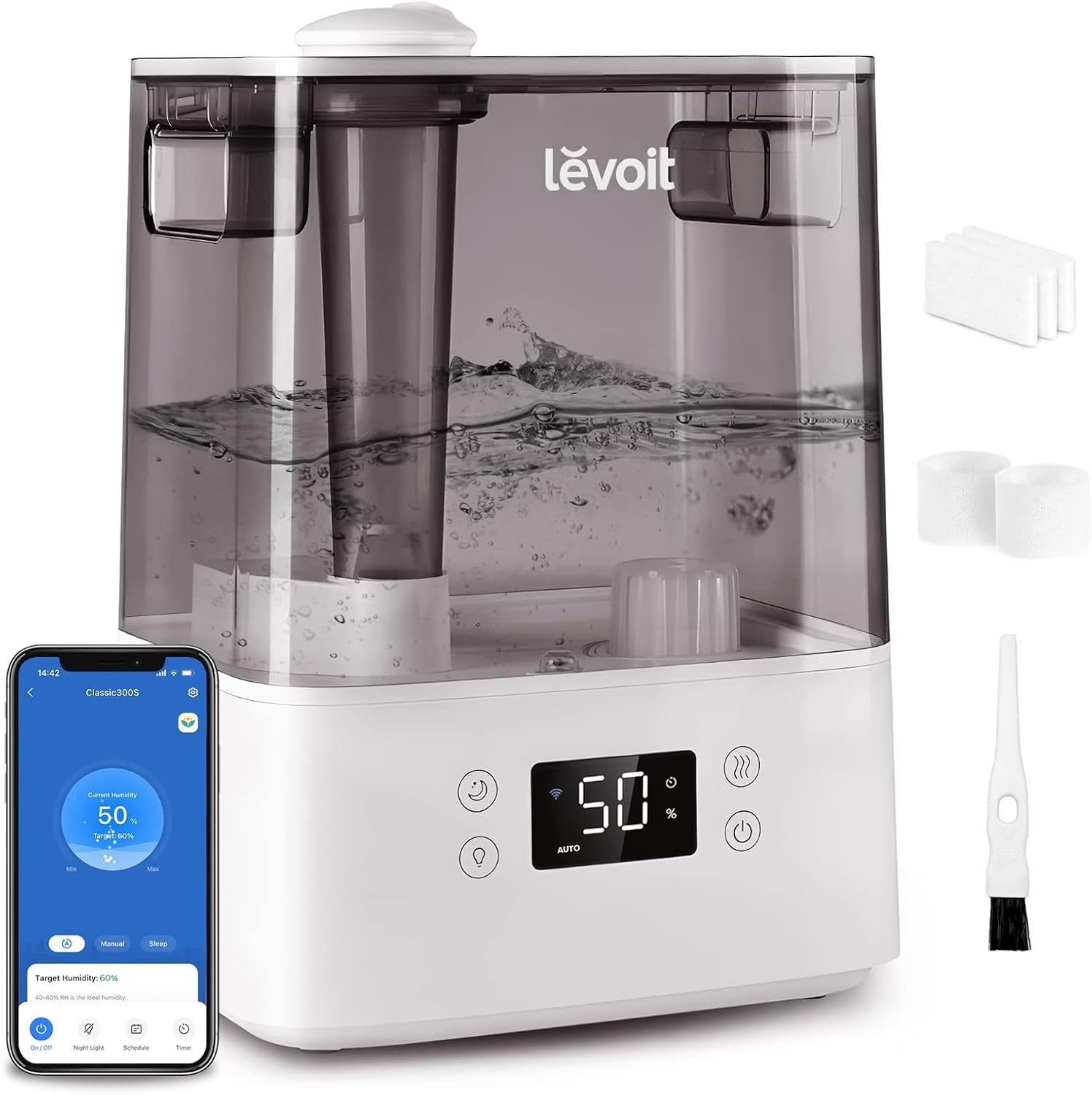
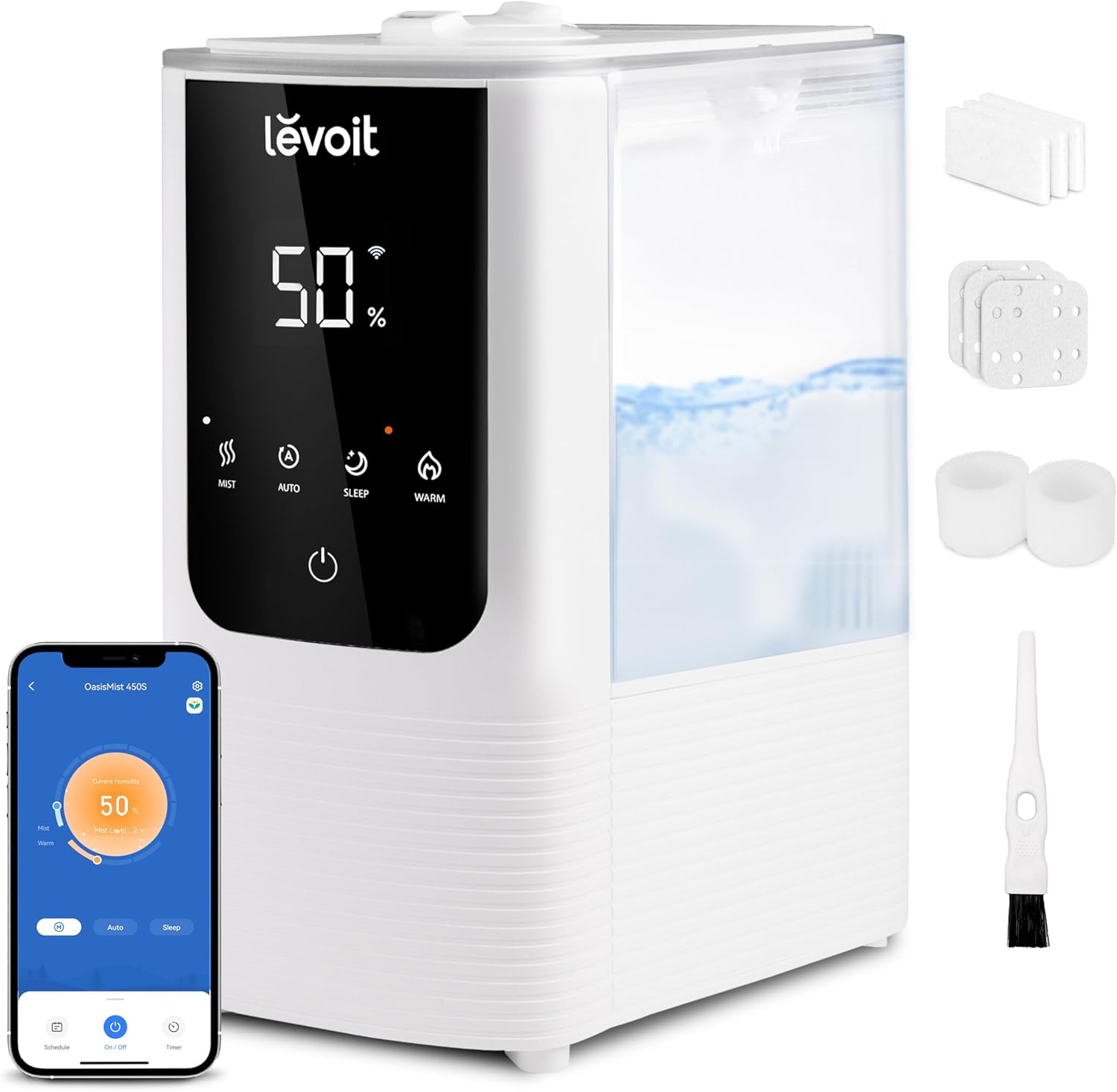
- Use humidifiers wisely: In winter, heating systems often dry out the air. A humidifier can help add moisture, but avoid overusing it. Too much humidity can encourage dust mites and mold. Clean your humidifier regularly to maintain good air quality.
- Ventilate your home: Even in winter, it's important to let fresh air circulate. Open windows briefly or use exhaust fans in kitchens and bathrooms to reduce high humidity and excess moisture.
- Seal drafts and insulate: Prevent cold, dry air from entering your house by sealing windows and doors. Good insulation helps maintain a comfortable humidity level home and reduces the workload on your heating system.
- Balance heating and air conditioning: Overheating can make indoor air too dry. Try to keep your heating at a moderate level, and use programmable thermostats to maintain a stable environment.
- Houseplants for natural moisture: Some indoor plants can help add moisture air and improve air quality. Just be careful not to overwater, as this can increase humidity levels too much.
Extra tips for a comfortable winter home
- Dry clothes outdoors when possible: Drying laundry inside can raise indoor humidity levels quickly, leading to condensation and possible mold growth.
- Check for signs of high humidity: Look for condensation on windows, musty odors, or visible mold. These are signs you may need to reduce moisture in your home.
- Regular maintenance: Clean heating and cooling systems, replace filters, and check for leaks. This helps keep your indoor air healthy and your humidity house in the ideal range.
By following these tips, you can help maintain optimal humidity and a comfortable, healthy home environment throughout the winter months.
Common mistakes to avoid when managing winter humidity
Overusing Humidifiers or Ignoring Humidity Monitors
Many people assume that more moisture is always better in winter, but running humidifiers nonstop can push indoor humidity levels too high. This can create an environment where mold growth and dust mites thrive, which is just as problematic as dry air. Always use a reliable humidity monitor to keep your home’s humidity within the ideal indoor range of 30% to 50%. This helps maintain comfortable air quality and reduces health risks.Neglecting Regular Maintenance
Both air purifiers and humidifiers need regular cleaning and filter changes. Failing to do this can lead to poor indoor air quality, as dust, mold, and bacteria may build up inside the devices. Check manufacturer guidelines for cleaning schedules and replace filters as recommended to keep your indoor air fresh and healthy.Blocking Airflow with Furniture or Curtains
Placing air purifiers or humidifiers behind furniture or heavy curtains restricts airflow, making them less effective. For optimal humidity and air quality, position these devices in open areas where air can circulate freely throughout your house.Setting the Thermostat Too High
High heating settings can dry out the air quickly, dropping humidity levels below the comfortable range. This can lead to dry skin, static electricity, and respiratory discomfort. Try to keep your heating at a moderate level and use a humidifier to help balance moisture air in your home.Ignoring Signs of Excess Moisture
Condensation on windows, musty odors, or visible mold are signs of high humidity in your home. Don’t overlook these warnings. Address excess moisture promptly to prevent mold growth and protect your health.Assuming Air Purifiers Control Humidity
Air purifiers are designed to improve air quality by removing particles and allergens, but they do not add or remove moisture from the air. Relying on an air purifier alone won’t help you achieve optimal humidity levels. Pairing an air purifier with a humidifier or dehumidifier is often necessary for a comfortable and healthy indoor environment.- Monitor indoor humidity regularly
- Maintain your devices
- Watch for signs of high or low humidity
By avoiding these common mistakes, you can create a more comfortable, healthy, and balanced indoor environment during the winter months.