

Understanding winter indoor air challenges
Why indoor air feels different in winter
When temperatures drop and winter sets in, the air inside your home changes in ways that can affect comfort and health. Cold outdoor temperatures mean you rely more on your furnace or heating system, which can dry out the indoor air. This drop in indoor humidity levels is common, especially in regions with harsh winters. As the air is heated, its capacity to hold moisture increases, but if you don't add moisture back in, the relative humidity can fall below the ideal range.
How dry air impacts your home and health
Dry winter air can lead to a range of issues. You might notice dry skin, irritated sinuses, or even static electricity. Low humidity can also affect wooden furniture and floors, causing them to crack. On the other hand, excess moisture from improper humidifier settings can encourage mold growth and damage your home. Balancing indoor humidity is essential for comfort and for protecting your living space.
Understanding the role of heating and cooling systems
Heating and cooling systems, especially furnaces, play a big part in determining indoor air quality during winter. As your furnace runs, it can lower the relative humidity, making the air feel even drier. Air conditioning in winter is less common, but any system that changes temperature degrees indoors can impact humidity levels. That's why it's important to adjust your humidifier settings as outdoor temperatures change.
Why you should pay attention to indoor air quality
Maintaining the right humidity level is just one part of creating a healthy indoor environment. Air purifiers can help remove particles and allergens, working alongside your humidifier for better air quality. For more on how air purifiers benefit your home, check out this guide on the benefits of air purifiers for your home. Together, these devices help you manage both moisture and air cleanliness, especially during the winter months.
Why humidity matters for air quality
The link between humidity and indoor air quality
During winter, indoor air often becomes dry as temperatures drop and heating systems like furnaces run more frequently. This dry air can lower the relative humidity inside your home, sometimes well below the ideal humidity range of 30 to 50 percent. When indoor humidity levels fall too low, you might notice dry skin, irritated sinuses, or even static electricity. On the other hand, excess moisture from overusing a humidifier can encourage mold growth and dust mites, both of which negatively impact indoor air quality.
Why balancing humidity matters
Maintaining the right humidity level is crucial for both comfort and health. Proper humidifier settings help keep moisture in the air, making it easier to breathe and reducing the risk of respiratory issues. When you adjust your humidifier set point according to outdoor temperatures and indoor heating, you can prevent the air from becoming too dry or too damp. This balance also protects your home’s structure and furnishings from damage caused by fluctuating humidity levels.
- Dry air can worsen allergies, cause dry skin, and make you more susceptible to colds.
- Excess moisture increases the risk of mold growth and can damage walls or furniture.
- Relative humidity affects how warm or cool you feel, even at the same temperature degrees.
For a deeper look at how humidity and air quality interact, and how advanced solutions like HVAC air scrubbers can help, you may want to read how an HVAC air scrubber can improve your indoor air quality.
As you move forward, understanding the ideal humidifier settings for winter and how to avoid common mistakes will help you create a healthier, more comfortable indoor environment.
Finding the ideal humidifier setting for winter
What is the best humidity level for winter comfort?
When outdoor temperatures drop and your furnace or heating system runs more often, indoor air tends to become dry. This dry air can cause discomfort like dry skin, irritated sinuses, and even static electricity. To maintain comfort and protect your home, it's important to set your humidifier to the right humidity level for winter.
Recommended humidity settings for cold weather
Experts generally recommend keeping indoor relative humidity between 30 and 50 percent during winter. However, the ideal setting depends on both the indoor temperature and the outdoor temperatures. As it gets colder outside, you may need to lower your humidifier setting to prevent excess moisture, which can lead to condensation on windows and even mold growth.
| Outdoor Temperature (°F) | Recommended Indoor Relative Humidity (%) |
|---|---|
| Above 20° | 35–40% |
| 10° to 20° | 30–35% |
| 0° to 10° | 25–30% |
| Below 0° | 20–25% |
These settings help balance comfort and safety. If you notice condensation on windows or walls, it may be a sign to lower your humidifier set point. On the other hand, if you experience dry air symptoms, you might need to increase the humidity level slightly, but always monitor for excess moisture.
Tips for adjusting your humidifier settings
- Check your humidifier settings regularly, especially when outdoor temperatures change.
- Use a hygrometer to measure indoor humidity levels and adjust your humidifier accordingly.
- Remember that heating and air conditioning can both affect indoor humidity, so monitor levels throughout the season.
- Keep an eye out for signs of too much or too little moisture, such as condensation or dry air symptoms.
For more on how air movement and filtration can impact your indoor environment, see this guide on airflow direction in air purifiers.
Common mistakes when using humidifiers in winter
Overusing or Underusing Your Humidifier
One of the most common mistakes during winter is setting your humidifier too high or too low. When outdoor temperatures drop, indoor air tends to become dry, but adding too much moisture can be just as problematic as not enough. If the relative humidity level rises above 50 percent, you risk excess moisture that can lead to mold growth and condensation on windows. On the other hand, if the humidity is set too low, you may experience dry skin, irritated sinuses, and static electricity. Aim to adjust your humidifier setting according to both indoor and outdoor temperatures for optimal comfort.
Ignoring Changes in Temperature
As heating systems like furnaces run more frequently in winter, indoor air dries out faster. Many people forget to adjust their humidifier settings as the temperature degrees fluctuate. When outdoor temperatures are extremely low, the ideal humidity level indoors should be lower to prevent condensation. For example, when outdoor temperatures are below freezing, keeping indoor humidity around 30 to 40 percent is usually recommended. Failing to adjust your humidifier as temperatures change can result in discomfort or even damage to your home.
Neglecting Regular Maintenance
Humidifiers need regular cleaning and maintenance, especially in winter when they are used more often. Failing to clean your humidifier can lead to the growth of bacteria and mold, which can then be released into your indoor air. Always follow the manufacturer’s instructions for cleaning and replacing filters. This not only ensures healthier air but also helps your humidifier run efficiently at the set humidity levels.
Setting and Forgetting
Some people set their humidifier at the beginning of the season and never adjust it again. However, both indoor and outdoor conditions change throughout winter. It’s important to monitor indoor humidity with a hygrometer and adjust your humidifier settings as needed. This helps maintain ideal humidity levels and prevents issues like dry air or excess moisture.
- Check humidity levels regularly, especially when heating or air conditioning is running.
- Adjust humidifier settings as outdoor temperatures drop or rise.
- Watch for signs of mold or condensation as indicators of too much moisture.
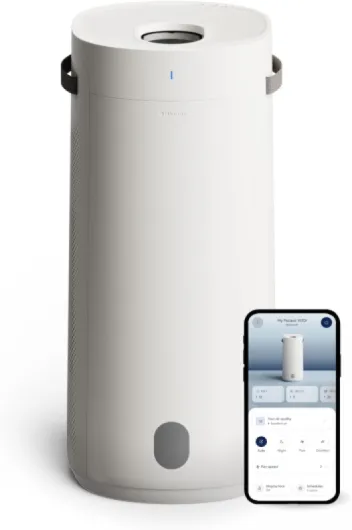
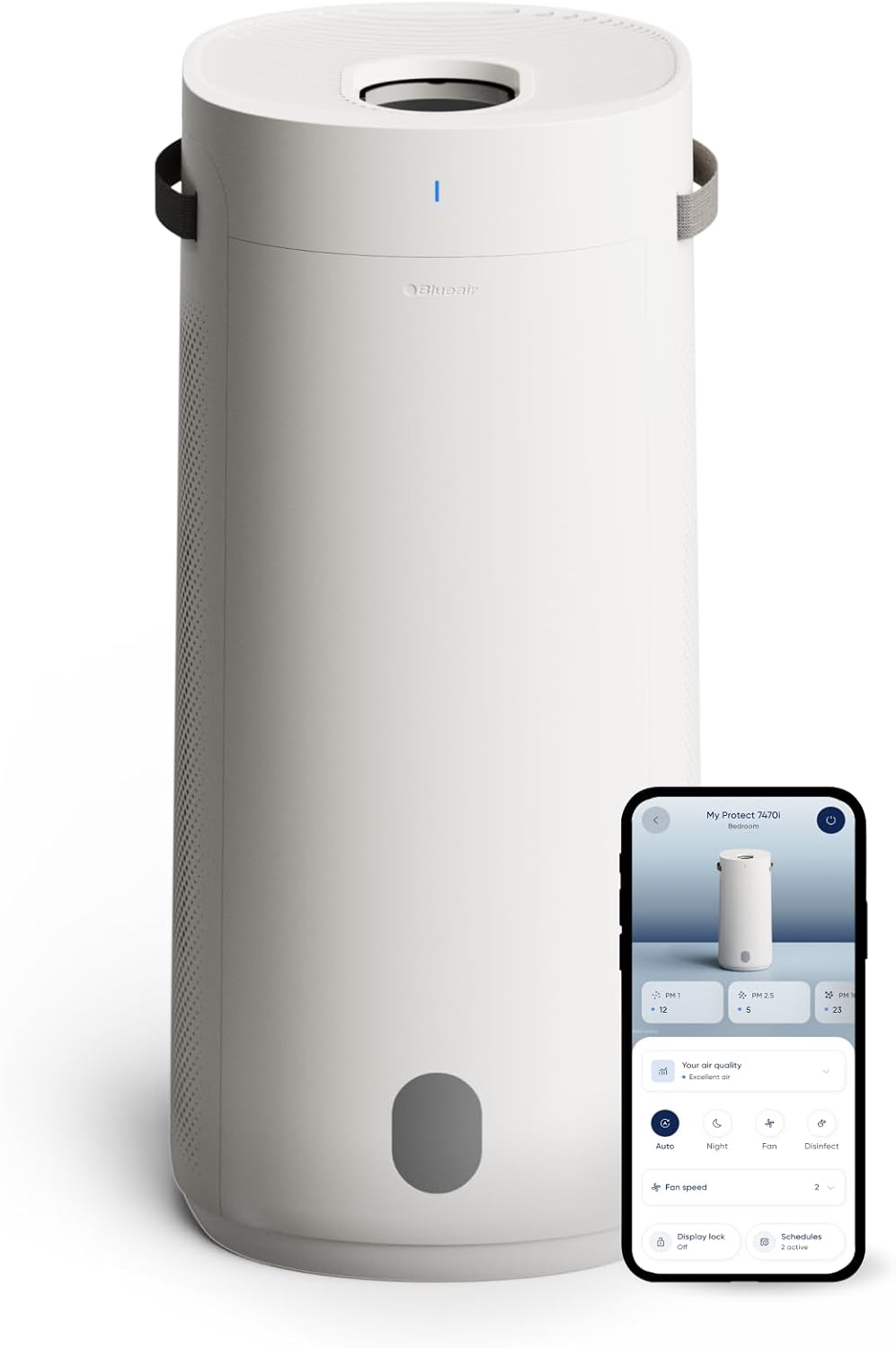
- + 2-in-1 functionality for convenience
- + HEPASilent™ technology for efficient air purification
- + 360° InvisibleMist™ for even humidity distribution
- + Covers 1,726 sqft in 60 minutes
- + Improves air quality and comfort

Integrating humidifiers with air purifiers
Balancing Humidity and Air Purification
During winter, many people use both humidifiers and air purifiers to improve indoor air quality. While humidifiers add moisture to combat dry air from heating systems, air purifiers remove airborne particles, allergens, and pollutants. Using these devices together can create a more comfortable and healthier indoor environment, but it’s important to understand how they interact.
- Humidity levels and air purifier performance: Most air purifiers work efficiently across a range of humidity levels, but extremely high humidity (above 60 percent) can reduce their effectiveness and encourage mold growth. Aim to keep indoor relative humidity between 30 and 50 percent for optimal results.
- Placement matters: Avoid placing your humidifier and air purifier too close together. If a humidifier is set right next to an air purifier, excess moisture may clog the purifier’s filter or sensors, especially in small rooms. Instead, position them on opposite sides of the room to allow even distribution of moisture and clean air.
- Monitor for excess moisture: If you notice condensation on windows or musty odors, your humidity level may be too high. This can reduce the effectiveness of your air purifier and increase the risk of mold. Adjust your humidifier setting or use a hygrometer to keep levels in check.
- Consider your heating and cooling system: Central heating and air conditioning can dry out indoor air during winter. Running a humidifier helps maintain comfort, but always check that your air purifier’s filter is not becoming damp, as this can lead to reduced performance or even mold inside the unit.
By carefully adjusting your humidifier settings and monitoring indoor humidity, you can support both comfort and air quality. Remember, the goal is to balance moisture and clean air, especially as outdoor temperatures drop and indoor heating runs more frequently.
Signs your winter humidity needs adjustment
How to Spot When Your Humidity Needs Tweaking
During winter, indoor air can quickly become too dry or too moist, especially as outdoor temperatures drop and heating systems run more often. Knowing when to adjust your humidifier setting is key to maintaining comfort and healthy air quality. Here are some signs your winter humidity may need attention:- Dry skin and irritated eyes: If you notice your skin feeling tight, lips chapped, or eyes irritated, your indoor humidity level may be too low. Dry air is common when the furnace is running frequently and outdoor temperatures are low.
- Static electricity: Frequent static shocks or clingy clothes are a classic sign of low indoor humidity. This usually happens when relative humidity drops below 30 percent.
- Warped wood or cracked furniture: Wood floors, furniture, and even musical instruments can crack or warp in dry winter air. This suggests the humidity level is not set high enough for your indoor environment.
- Condensation on windows: If you see water droplets or fog on your windows, your humidifier setting may be too high. Excess moisture can lead to mold growth and damage to window frames.
- Mold or musty odors: Mold growth or a persistent musty smell indicates too much moisture in the air. This is a sign to lower your humidifier set point, especially when outdoor temperatures are cold and your home is tightly sealed.
- Respiratory discomfort: Both dry air and excess humidity can cause coughing, congestion, or worsen allergies. If you notice changes in your breathing or increased allergy symptoms, check your indoor humidity levels.
Simple Ways to Monitor and Adjust
- Use a digital hygrometer to measure relative humidity in different rooms. Aim for a range between 30 and 50 percent during winter for ideal comfort and to avoid mold.
- Adjust your humidifier settings as outdoor temperatures change. Lower the setting when temperatures drop below freezing to prevent condensation.
- Pay attention to your heating and air conditioning cycles. Both can impact indoor humidity levels, so you may need to tweak your humidifier set point as your furnace or heating cooling system runs more often.