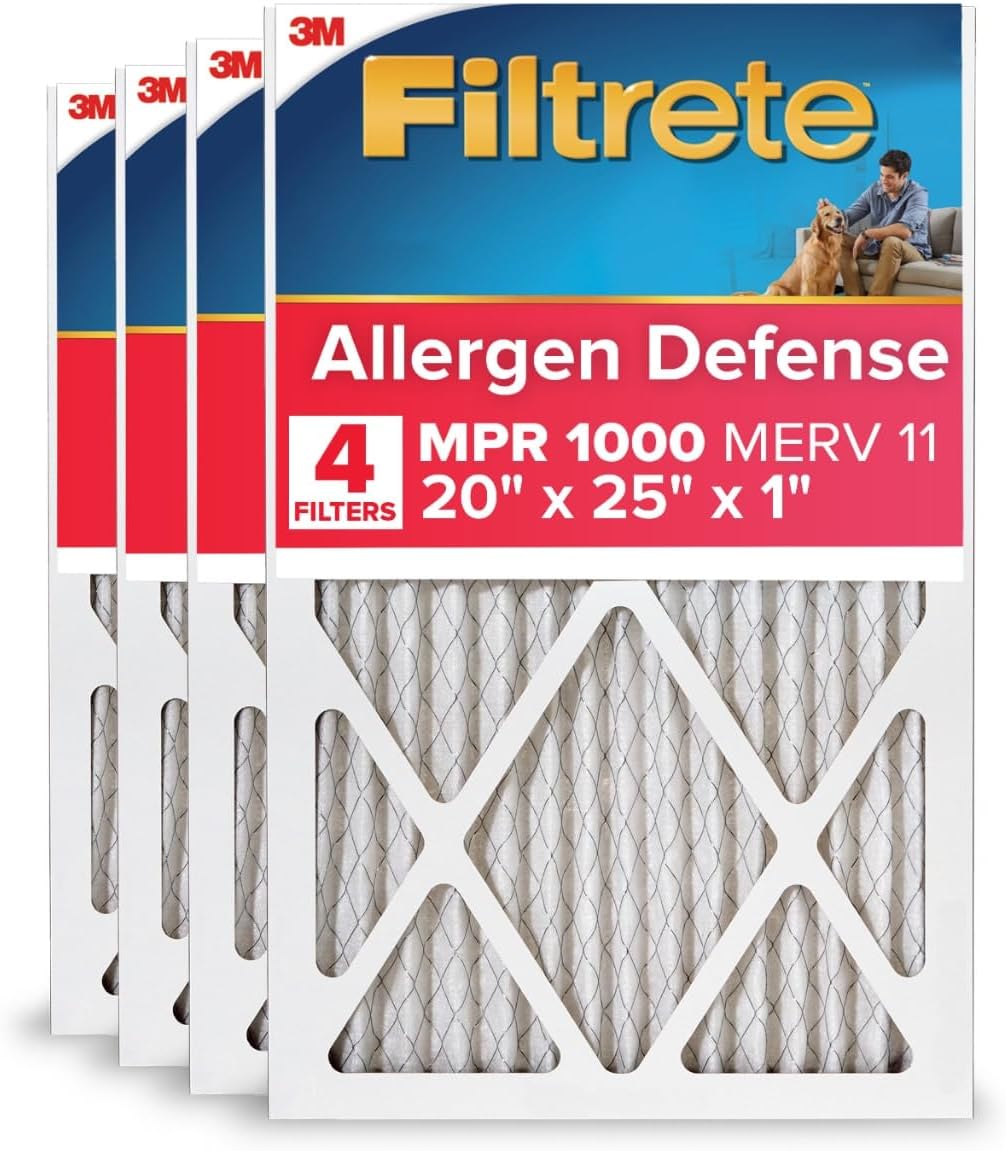


Understanding furnace filters 20 x 25 x 1
What does 20 x 25 x 1 mean for your furnace air filter?
When searching for the right air filter for your HVAC system, you’ll often see numbers like 20 x 25 x 1. These numbers represent the actual size of the filter in inches: 20 inches long, 25 inches wide, and 1 inch thick. This size is one of the most common for residential furnace air filters, fitting many standard air conditioning and heating systems. Choosing the correct size is crucial for proper filtration and airflow. If the filter doesn’t fit snugly, dust, pollen, and other airborne particles can bypass the filter, reducing indoor air quality and straining your system.
Why filter size and fit matter for indoor air quality
Using the right filter size helps trap a wide range of particles, including dust, pet dander, pollen, and even mold spores. A filter that’s too small or too large for your system can lead to gaps where unfiltered air passes through, allowing contaminants to circulate in your home. This not only affects air quality but can also impact the efficiency and lifespan of your HVAC system. For more details on why standard air filter sizes are important, check out this guide to standard air filter sizes.
Key features to look for in 20 x 25 x 1 furnace filters
- Filtration group: Filters are grouped by their ability to capture particles. Look for pleated filters for better filtration compared to basic fiberglass options.
- MERV rating: The Minimum Efficiency Reporting Value (MERV) rating tells you how well the filter captures airborne particles. Higher MERV ratings mean better filtration, but it’s important to match the rating to your system’s capabilities.
- Pack size: Filters are often sold in packs, making it easier to replace them regularly and maintain optimal air quality.
- Special features: Some filters are designed to target specific concerns like pet dander, dust pollen, or mold spores. Others may have antimicrobial coatings or be part of a filtration group that targets allergens.
Understanding filter ratings: MERV, MPR, and FPR
When comparing filters, you’ll encounter different rating systems: MERV, MPR, and FPR. MERV is the most widely used and measures how effectively a filter captures particles of varying sizes. MPR (Microparticle Performance Rating) and FPR (Filter Performance Rating) are alternative systems used by some brands. Understanding these ratings will help you choose a filter that balances filtration efficiency and airflow for your home’s needs. More on this in the next sections, where we’ll break down how these ratings impact performance and what to consider for your specific situation.
How furnace filters impact air purifier performance
How Your Furnace Filter Supports Air Purification
When it comes to cleaner indoor air, your furnace filter does more than just protect your HVAC system. It acts as the first line of defense against airborne particles like dust, pollen, pet dander, and even mold spores. The right filter size, such as 20 x 25 x 1, ensures that air flows efficiently through your system while trapping unwanted particles before they circulate through your home.
Impact on Air Quality and System Performance
Choosing the correct air filter directly affects both your air quality and the performance of your furnace or air conditioning system. A filter with a higher MERV rating can capture smaller particles, improving indoor air quality by removing more dust, pollen, and other allergens. However, if the filter is too restrictive or not replaced regularly, it can reduce airflow, making your HVAC system work harder and potentially shortening its lifespan.
- Filtration group: Filters are categorized by their ability to capture different sizes of airborne particles. Pleated filters, for example, offer better filtration than basic fiberglass options.
- Actual size matters: Always check the actual size of your filter, not just the nominal size, to ensure a proper fit and optimal filtration.
- Filter pack and replacement: Buying filters in a pack can make it easier to replace them every 60-90 days, which is key for maintaining both air quality and system efficiency.
Why Filter Ratings Matter
The MERV, MPR, and FPR rating systems help you compare how well different air filters trap airborne particles. A higher rating means better filtration, but it's important to balance this with your system's airflow requirements. For homes with pets or allergy concerns, a higher MERV pleated filter may be beneficial, but always consult your HVAC manufacturer's recommendations.
For step-by-step guidance on keeping your furnace air filter working at its best, check out these simple steps to install your furnace filter for cleaner air.


Types of furnace filters and their effectiveness
Comparing Common Furnace Filter Types
When searching for the right 20 x 25 x 1 furnace air filter, understanding the different types available is key to improving indoor air quality. Each filter type uses a unique filtration method, impacting how well it captures airborne particles like dust, pollen, pet dander, and mold spores. The filter you choose can also affect your HVAC system’s efficiency and the overall air quality in your home.
- Fiberglass Filters: These are the most basic and affordable option. Made from layered fiberglass fibers, they are designed to protect your furnace and air conditioning system from large particles. However, their low MERV rating means they do not capture smaller airborne particles, so they offer minimal improvement in air quality.
- Pleated Filters: Pleated air filters, often made from polyester or cotton, have a larger surface area due to their folded design. This allows them to trap more dust, pollen, and pet dander. Their MERV rating is typically higher than fiberglass, making them a popular choice for those seeking better filtration without restricting airflow.
- Electrostatic Filters: These filters use static electricity to attract and capture airborne particles. They are available in both disposable and washable versions. Electrostatic filters can be effective against smaller particles, but their performance depends on the quality and MERV rating.
- HEPA Filters: While true HEPA filters are not commonly available in standard 20 x 25 x 1 sizes for residential HVAC systems, some high-efficiency pleated filters approach HEPA-level performance. These are ideal for homes with allergy sufferers or pets, as they can trap very fine particles, improving overall air quality.
Understanding Filter Ratings and Effectiveness
Filter effectiveness is measured by several rating systems, including MERV, MPR, and FPR. The benefits of air purifiers are closely linked to the filter’s ability to capture a wide range of airborne particles. Here’s a quick overview:
| Filter Type | Typical MERV Rating | Best For |
|---|---|---|
| Fiberglass | 1-4 | Basic protection, large dust particles |
| Pleated | 6-13 | Dust, pollen, pet dander, improved air quality |
| Electrostatic | 8-12 | Smaller airborne particles, allergy relief |
| HEPA-like | 13+ | Allergens, mold spores, best filtration |
When choosing a filter pack, consider your home’s needs. For homes with pets or allergy sufferers, a higher MERV pleated filter or electrostatic filter may be best. Always check the actual size and ensure it fits your system to avoid gaps that let particles bypass the filter. Remember, the right filter not only improves air quality but also protects your HVAC system from dust and debris.
Understanding MERV ratings and what they mean for you
What MERV Ratings Really Tell You About Filtration
The MERV rating, or Minimum Efficiency Reporting Value, is a key factor when choosing furnace air filters. This rating system measures how effectively a filter captures airborne particles, such as dust, pollen, pet dander, and mold spores. The higher the MERV rating, the more efficient the filter is at trapping smaller particles, which directly impacts your indoor air quality.
- MERV 1-4: Basic filtration, mostly for larger particles like dust and lint. These are often found in older HVAC systems and offer minimal improvement to air quality.
- MERV 5-8: Better at catching smaller particles, including dust pollen and pet dander. Suitable for most residential systems, these filters strike a balance between airflow and filtration.
- MERV 9-12: Enhanced filtration for finer particles, such as mold spores and some bacteria. Good for homes with pets or allergy concerns, these pleated filters can help improve air quality without overworking your system.
- MERV 13-16: High-efficiency filters that capture even smaller airborne particles, including some viruses. These are often used in hospitals or for people with severe allergies, but may require a compatible HVAC system to maintain airflow.
When selecting a filter pack, consider your system’s compatibility and the actual size of the filter. Using a filter with a MERV rating that’s too high for your HVAC system can restrict airflow, reducing efficiency and potentially causing damage. On the other hand, a filter with too low a rating won’t capture enough particles to make a noticeable difference in air quality.
Some brands use alternative rating systems like MPR (Microparticle Performance Rating) or FPR (Filter Performance Rating), but these generally align with MERV standards. For example, MERV 8 is roughly equivalent to MPR 600 or FPR 5. Always check the manufacturer’s guidelines for your furnace or air conditioning system before choosing a filter merv or mpr fpr rating.
Remember, the right filtration group and filter size are crucial for optimal performance. Regularly replacing your air filters—typically every 60 to 90 days—ensures your HVAC system continues to remove airborne particles efficiently, keeping your indoor air clean and healthy.
Maintenance tips for optimal filter performance
Simple Steps to Keep Your Furnace Air Filters Working Their Best
Regular maintenance is key to ensuring your furnace filters 20 x 25 x 1 keep your indoor air quality high and your HVAC system running smoothly. Here are some practical tips to help you get the most out of your filters:- Check your filter regularly: Inspect your air filter every 30 days, especially during heavy use seasons. Dust, pet dander, and airborne particles can quickly clog pleated filters, reducing airflow and filtration efficiency.
- Replace on schedule: Most 20 x 25 x 1 filters should be replaced every 60 to 90 days. If you have pets, allergies, or live in a dusty area, consider changing them more often. Some filter packs come with reminders or indicators to help you stay on track.
- Choose the right MERV rating: Filters with a higher MERV rating capture smaller particles like pollen, mold spores, and fine dust. However, higher MERV filters may need more frequent changes to maintain air flow and system performance.
- Check the actual size: Not all 20 x 25 x 1 filters are exactly the same size. Always compare the actual size listed on the filter packaging to your furnace’s requirements to ensure a proper fit and seal.
- Monitor air quality: If you notice more dust, increased allergy symptoms, or musty odors, it may be time to check your filter—even if it’s ahead of schedule. Poor filtration can allow airborne particles to circulate in your home.
- Keep the area around your furnace clean: Vacuum and dust near your HVAC system to reduce the amount of debris that can be pulled into the filter, helping your filtration group last longer.
Why Maintenance Matters for Your System
A well-maintained filter helps your furnace and air conditioning system run efficiently, reducing energy costs and extending the life of your equipment. Neglecting filter changes can lead to restricted airflow, causing your system to work harder and potentially overheat. This can also allow dust, pollen, and other airborne contaminants to bypass the filter, lowering your indoor air quality. Staying consistent with filter changes and maintenance ensures your home’s air filtration remains effective, whether you’re using a basic filter or a high-efficiency MERV pleated option. Remember, a clean filter is your first defense against airborne particles, pet dander, and mold spores.Common mistakes to avoid when choosing furnace filters
Overlooking the Actual Size and Fit
One of the most common mistakes when choosing a furnace air filter is not checking the actual size. While filters are labeled as 20 x 25 x 1, the true dimensions can be slightly smaller. Using a filter that doesn’t fit snugly in your HVAC system can let dust, pollen, and other airborne particles bypass the filtration group, reducing indoor air quality. Always confirm the actual size before purchasing a filter pack.
Ignoring the MERV, MPR, and FPR Ratings
Many people focus only on price or brand, overlooking the importance of the filter’s rating system. The MERV rating, along with MPR and FPR, indicates how effectively a filter captures particles like pet dander, mold spores, and dust pollen. Choosing a filter with a rating too low for your needs means less filtration of airborne contaminants. On the other hand, a filter with a very high MERV pleated design may restrict airflow if your system isn’t designed for it. Balance your air quality needs with your HVAC system’s capabilities.
Forgetting About Maintenance Schedules
Even the best air filters lose effectiveness if not replaced regularly. Some homeowners forget to change their filters every 60 to 90 days, or as recommended by the manufacturer. This can lead to reduced air flow, higher energy bills, and poor filtration of particles like pollen pet and dust. Mark your calendar or set reminders to keep your system running efficiently.
Choosing the Wrong Filter Type for Your Needs
Not all filters are created equal. For homes with pets, allergies, or high dust levels, a pleated filter with a higher MERV or MPR FPR rating is often necessary. Flat fiberglass filters may be cheaper, but they don’t trap as many airborne particles. Consider your household’s specific needs, such as sensitivity to pet dander or pollen, before selecting a filter.
Neglecting to Buy in Packs
Buying a single filter at a time can be less cost-effective and may lead to delays in replacement. Purchasing a filter pack ensures you always have a replacement on hand, helping maintain consistent air quality and system performance.
- Check the actual size before buying
- Understand the filter’s MERV, MPR, or FPR rating
- Replace filters regularly, every 60–90 days
- Match the filter type to your air quality needs
- Consider buying filters in packs for convenience