

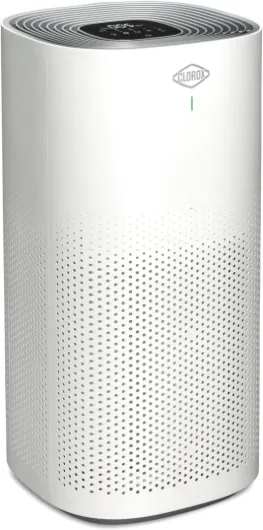
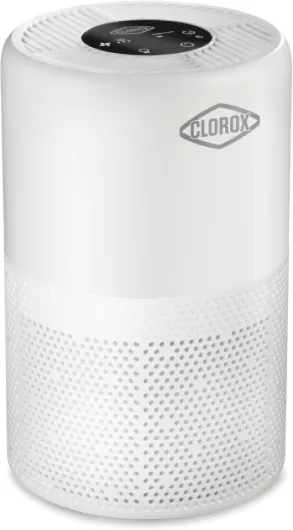
Understanding the importance of filter replacement
Why Regular Filter Replacement Matters for Your Clorox Air Purifier
Maintaining clean air in your home or office is more than just a comfort—it's a necessity for health and well-being. The heart of any air purifier, especially a Clorox model, is its filter. Over time, even a true HEPA filter or a multi-stage system will become less effective as it fills with dust, allergens, and particles small enough to slip through ordinary filters. Regular replacement is the key to ensuring your air purifier continues to deliver high air quality, especially in a medium room or small space where air circulation is limited.
How Filters Work to Improve Air Quality
Clorox air purifiers use a combination of pre filters and true HEPA filters to capture particles as small as 0.3 microns. This includes common allergens, dust, and other airborne pollutants. As the filter collects more particles, its ability to trap new contaminants drops. That’s why knowing when and how to replace your filter is crucial for maintaining effective air purification.
- True HEPA filters are designed to trap up to 99.97% of small particles, but only when they are clean and properly fitted.
- Most Clorox models include an easy installation process for replacement filters, making regular upkeep simple.
- Filter lights on your purifier can help indicate when it’s time for a replacement, but it’s also important to monitor usage and air quality in your room.
What Happens If You Delay Filter Replacement?
Waiting too long to replace your filter can lead to reduced air flow, increased dust and allergens in your space, and even strain on your purifier’s motor. This can shorten the lifespan of your device and compromise the air quality you depend on. For more details on how standard air filter sizes impact performance and replacement schedules, check out this guide to understanding the importance of standard air filter sizes.
In the next sections, you'll learn how often to replace your Clorox air purifier filter, how to recognize when it’s time for a change, and tips for choosing the right replacement filter that fits your model and room size.
How often should you replace your clorox air purifier filter?
Understanding Filter Lifespan and Usage
When it comes to maintaining the best air quality in your home, knowing how often to replace your Clorox air purifier filter is essential. The frequency of replacement depends on several factors, including the specific model, the size of your room, and the level of airborne particles like dust, allergens, and small microns present in your environment.
- True HEPA filters in Clorox air purifiers are designed to capture particles as small as 0.1 microns, making them highly effective for medium and small rooms.
- Most Clorox air purifiers recommend a filter replacement every 6 to 12 months. However, this can vary based on usage and air quality.
- If you use your purifier in a room with high dust or allergens, or if you run it continuously, you may need to replace the filter more often.
- Pre-filters, which capture larger particles before they reach the HEPA filter, may need to be cleaned or replaced more frequently to maintain optimal air purification.
Always check your purifier’s manual for the recommended replacement schedule. Some models include a filter light that signals when it’s time for a new filter, making it easy to stay on top of maintenance. Using the right HEPA replacement filter that fits your Clorox medium or small room air purifier ensures the unit continues to remove particles and allergens efficiently.
For more details on how to choose the right filter for your specific needs and to enhance your indoor air quality, you can visit this guide on choosing the right heat pump filter for better air quality.
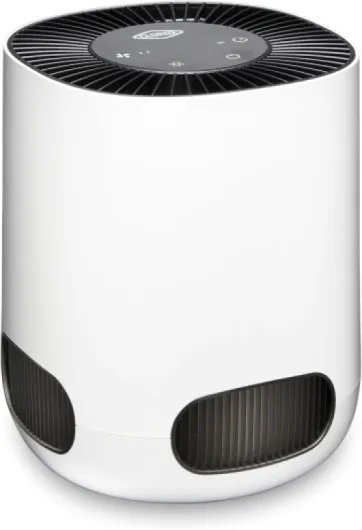
- + True HEPA Filter for effective air purification
- + Removes 99.9% of mold, viruses, and allergens
- + Ideal for small rooms up to 200 Sq Ft
- + AUTO Mode for automatic operation
- + Whisper quiet operation for peaceful nights

Recognizing signs your filter needs changing
Common Warning Signs Your Filter Needs Attention
Knowing when to replace the filter in your Clorox air purifier is key to keeping your air quality high. While many air purifiers, including Clorox models, have a filter light or indicator, it’s important to recognize other signs that your filter may need changing before the recommended months have passed.
- Reduced Airflow: If you notice less air coming from your purifier, the filter may be clogged with dust, allergens, and particles small enough to escape a pre filter. This can affect the purifier’s ability to clean a medium room or small space efficiently.
- Persistent Odors: A true HEPA filter or multi-stage system should help remove odors. If smells linger, it could mean the filter is saturated and no longer effective.
- Visible Dust or Particles: If you see dust collecting around the air outlet or in the room air, your filter may not be trapping particles as it should. This is especially important for those sensitive to allergens or living in areas with poor air quality.
- Filter Light or Indicator: Many Clorox air purifiers include a filter light that signals when it’s time for a replacement. Don’t ignore this feature, as it’s designed to help you maintain optimal air purification.
- Longer Run Times: If your purifier seems to run more often or for longer periods to achieve the same air quality, the filter could be nearing the end of its life.
While the filter in a Clorox medium room air purifier typically lasts months, actual replacement needs can vary based on usage, room size, and air quality. Always check your model’s manual for specific guidance, and remember that a true HEPA replacement filter is essential for capturing particles small as 0.1 microns.
For a deeper understanding of how air purification systems work to improve indoor air quality, you might find this resource on how a negative pressure machine improves indoor air quality helpful.
Staying alert to these signs ensures your Clorox air purifier continues to deliver easy, effective air purification for your home or office.
Step-by-step guide to replacing your clorox air purifier filter
Getting Ready for Filter Replacement
Before you start, make sure your Clorox air purifier is unplugged and placed on a flat surface. Check the user manual for your specific model, as some details may vary. Having the right replacement filter on hand—such as a true HEPA filter or a pre-filter—will make the process smoother. Most Clorox air purifiers for medium rooms or small spaces use easy-to-install filters that fit snugly into the unit.Step-by-Step: How to Replace Your Clorox Air Purifier Filter
- Turn off and unplug the purifier. Safety first. Always disconnect your air purifier from the power source before opening it.
- Open the filter compartment. Locate the filter cover, usually found at the back or bottom of the unit. Some models have a latch or button for easy access.
- Remove the old filter. Gently pull out the used filter. If your purifier uses a multi-stage system, you may see both a pre-filter and a true HEPA filter. Dispose of the old filter according to local guidelines, especially if it has trapped a lot of dust or allergens.
- Clean the inside. Wipe down the inside of the compartment with a dry cloth to remove any lingering dust or particles. This helps maintain air quality and ensures your new filter lasts for months.
- Insert the new filter. Make sure the replacement filter fits properly. For Clorox medium room models, the filter should slide in easily. Double-check that the filter is facing the correct direction—most filters include arrows or labels for guidance.
- Close the compartment. Secure the cover back in place. Listen for a click or snap to confirm it’s locked.
- Reset the filter indicator light. Many Clorox air purifiers include a filter light that reminds you when it’s time to replace the filter. After installation, hold the reset button (check your manual for location) until the light turns off.
- Plug in and test. Power on your air purifier. Check for any unusual noises and make sure air is flowing smoothly. Your air purification system is now ready to capture particles as small as 0.3 microns, improving room air quality.
Quick Tips for a Smooth Filter Change
- Always use genuine Clorox replacement filters for best results and to maintain warranty coverage.
- Mark your calendar or set a reminder for your next filter change—most filters last 6 to 12 months, depending on usage and room size.
- If you have allergies or pets, consider replacing the filter more frequently to keep allergens and dust at bay.
With easy installation and the right filter, your Clorox air purifier will continue to remove particles, dust, and allergens from your medium or small room, ensuring better air quality every day.
Tips for maintaining your air purifier between filter changes
Keeping Your Clorox Air Purifier Running Smoothly
Maintaining your Clorox air purifier between filter changes is key to ensuring consistent air quality in your home. Even if you use a true HEPA filter or a multi-stage system, regular upkeep helps your purifier work efficiently and extends the life of your replacement filter.- Vacuum the Pre-Filter: Many Clorox models include a pre filter that captures larger particles like dust and hair. Gently vacuuming this layer every few weeks prevents buildup and helps the HEPA filter focus on smaller allergens and particles small as 0.1 microns.
- Wipe Down the Exterior: Dust can settle on the outside of your air purifier. Use a soft, damp cloth to clean the exterior and air intake vents. This simple step keeps dust from entering the unit and maintains overall air purification quality.
- Check the Filter Light: Most Clorox air purifiers feature a filter light that signals when it’s time to replace filter components. If the light comes on before the recommended months have passed, inspect the filter for visible dirt or discoloration. This can be an early sign that your room air quality needs attention.
- Ensure Proper Placement: For best results, place your purifier in a medium room or small space with good airflow. Avoid blocking the vents with furniture or curtains, as this can reduce the effectiveness of the HEPA replacement filter and overall air purification.
- Monitor for Odors and Reduced Airflow: If you notice persistent odors or a decrease in airflow, it may be time for a replacement, even if the filter lasts several months. These signs indicate the filter clorox is saturated with particles and allergens.
Choosing the right replacement filter for your clorox air purifier
Finding the Best Filter for Your Clorox Air Purifier
When it’s time to replace the filter in your Clorox air purifier, choosing the right replacement is crucial for maintaining air quality and ensuring your device works efficiently. Not all filters are created equal, and using the wrong type can reduce the effectiveness of air purification, especially in medium or small rooms where allergens and dust can build up quickly.
- Check your model: Every Clorox air purifier model is designed for specific filter types. Look for your model number on the device or in the manual to ensure the replacement filter fits perfectly.
- True HEPA is key: For the best results, select a true HEPA filter. These filters capture particles as small as 0.3 microns, including dust, allergens, and other small particles that impact room air quality.
- Consider multi-stage filtration: Many Clorox filters include a pre filter stage to trap larger particles before they reach the HEPA filter. This extends the life of your main filter and improves overall air purification.
- Replacement frequency: Most Clorox HEPA replacement filters last several months, but the exact lifespan depends on usage and air quality. Always check the filter light or indicator on your purifier for guidance.
- Easy installation: Choose filters designed for easy installation. Clorox replacement filters are typically made for quick, hassle-free changes, so you can maintain your air purifiers without stress.
- Room size matters: Make sure the replacement filter is rated for the size of your room, whether it’s a small bedroom or a medium living area. Using the correct filter ensures optimal performance and better air quality.
| Filter Type | Best For | Lasts (Months) | Includes Pre Filter |
|---|---|---|---|
| True HEPA | Allergens, dust, small particles | 6-12 | Often |
| HEPA Replacement | Medium room, air quality improvement | 6-12 | Sometimes |
| Pre Filter Only | Large particles, pet hair | 3-6 | N/A |
Always purchase filters from reputable sources and avoid generic replacements that may not meet Clorox’s quality standards. Using the right filter ensures your purifier continues to remove particles small enough to impact your health, keeping your room air clean and fresh.