Room size, CADR and air changes per hour for family homes
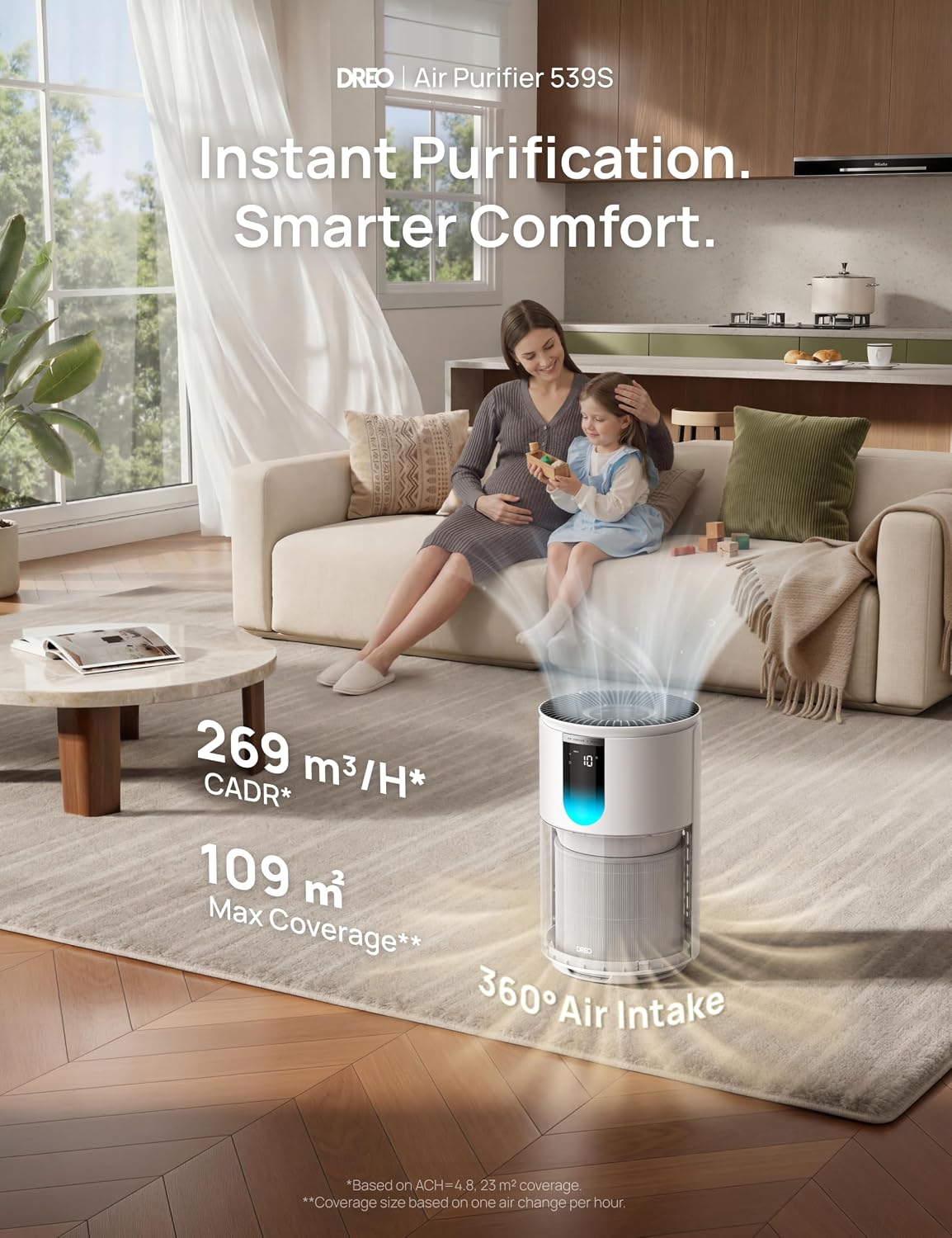
Matching an air purifier to the right room size is the most common mistake families make. Many people buy a compact purifier with a low CADR CFM rating, then expect it to clean a large open plan living room where the air volume is several times higher than a bedroom. The result is poor air quality, slow particle removal, and frustration that the best air purifiers for families seem overrated.
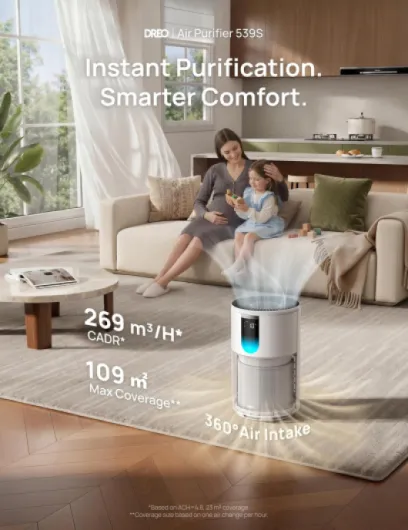
To avoid this, calculate the volume of your rooms by multiplying floor area by ceiling height, then compare that to the CADR and recommended coverage on the purifier box. If a manufacturer claims coverage for a large room, check how many air changes per hour that figure assumes, because some brands quote coverage at only two changes per hour while health experts usually recommend four to five. For nurseries or allergy sensitive bedrooms, aim for six to eight air changes per hour to keep clean air levels consistently high.
Families with open plan layouts may need more than one air purifier rather than a single oversized unit. Using two purifiers tested for medium rooms can give more even clean air distribution than one huge purifier blasting powerful air from a corner. This approach also lets you run each purifier at a lower speed, which reduces noise and often improves perceived quality for sleeping children.
When you read a technical test, pay attention to how quickly a purifier reduces fine particles and how stable the air quality remains over time. A strong CADR CFM rating is only meaningful if the filter system and motor can maintain that performance without clogging or overheating. Look for models where the HEPA filter and activated carbon filter are easy to access, because families will need to replace them regularly in dusty or polluted cities.
Some modern purifiers, such as those highlighted in detailed home and bedroom air purifier tests, show clearly how CADR, room size, and filter design interact. These reports often include side by side purifiers tested under identical conditions, which helps families see whether a higher price really buys better quality. Use those findings as a benchmark when comparing models on Amazon or in local appliance stores.
Filter technologies that really matter for children and pets
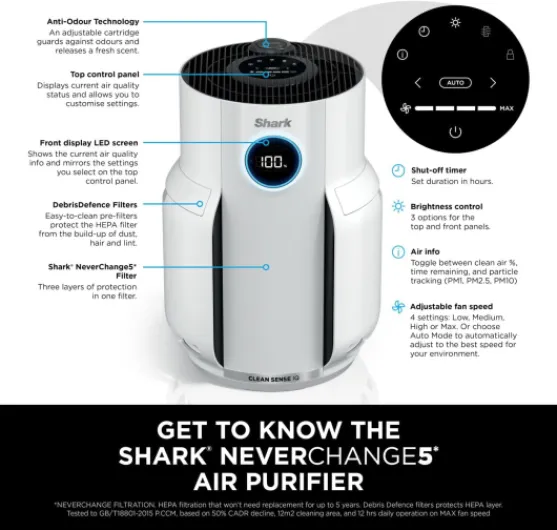
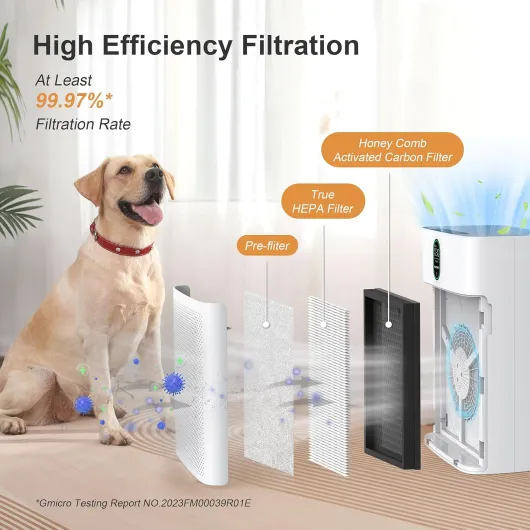
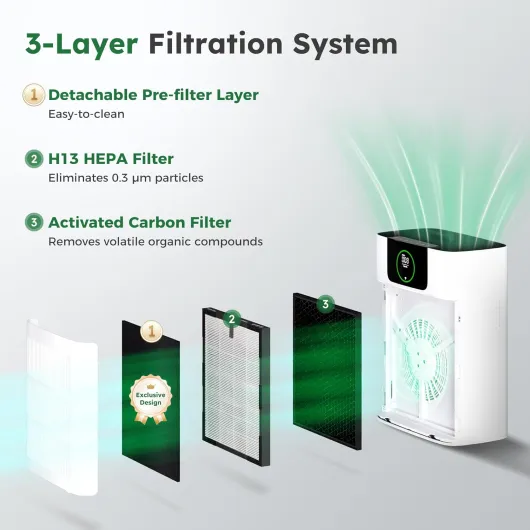
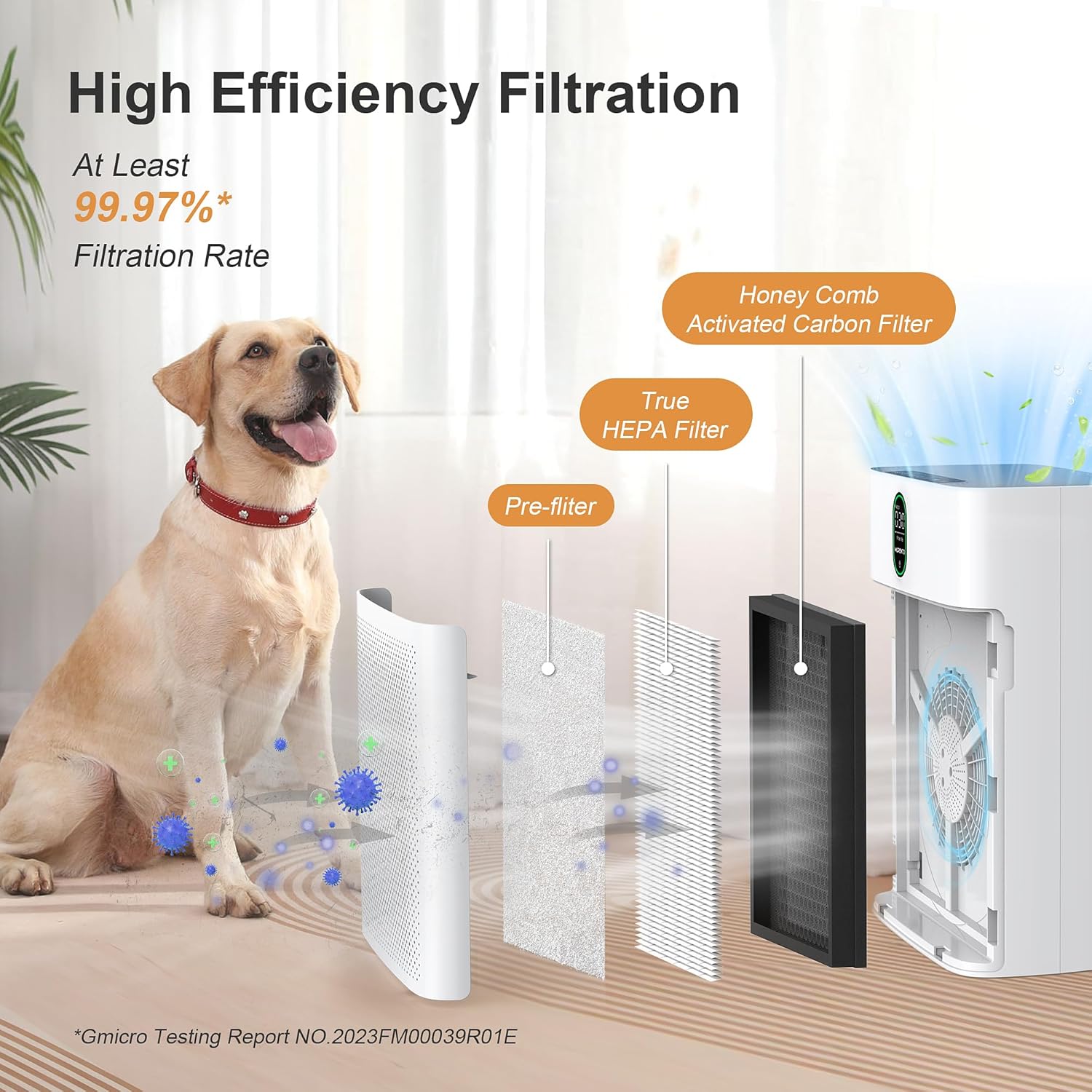
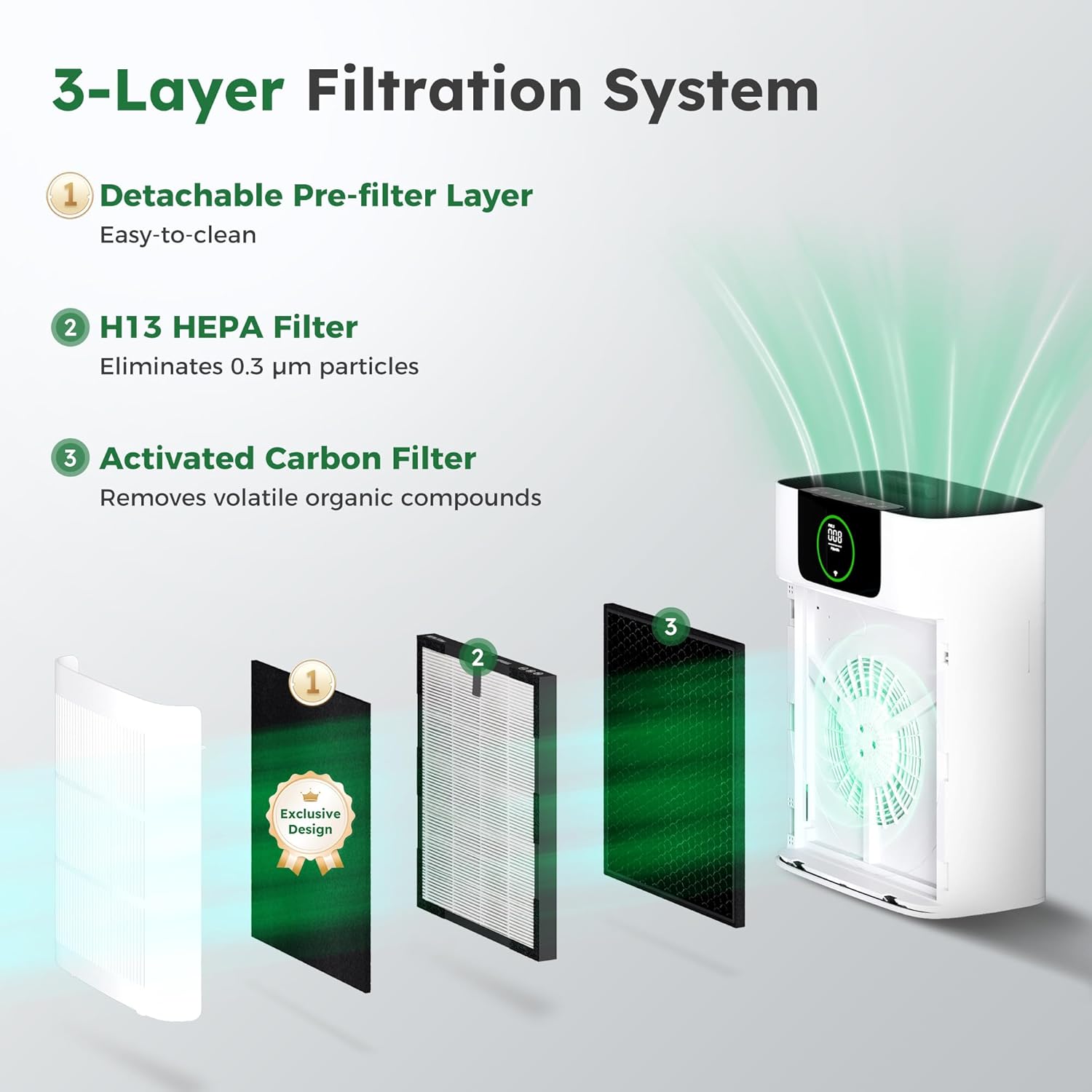
For families, the heart of any air purifier is its filter stack, because that is where particle removal and odour control actually happen. A true HEPA filter captures at least 99.97 percent of particles down to 0.3 microns, which includes pollen, many bacteria, and fine dust that can irritate young lungs. When combined with a robust pre filter, the HEPA filter stays effective longer and maintains clean air even in homes with shedding pets.
Activated carbon plays a different but equally important role in the best air purifiers for families. This porous material absorbs volatile organic compounds from cleaning sprays, cooking fumes, and smoke, which a mechanical HEPA filter alone cannot trap effectively. Families who cook frequently or live near busy roads should prioritise purifiers with a thick activated carbon filter rather than a thin cosmetic layer.
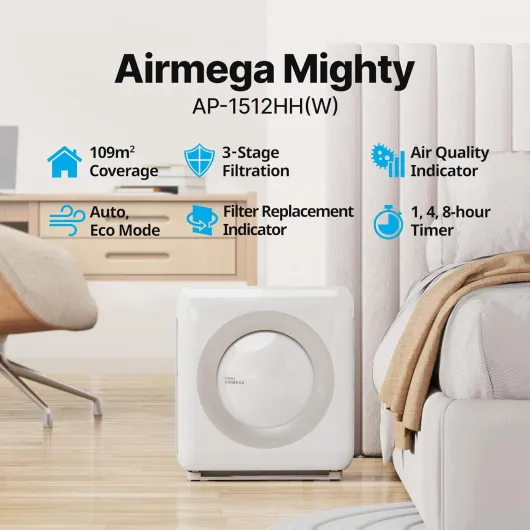
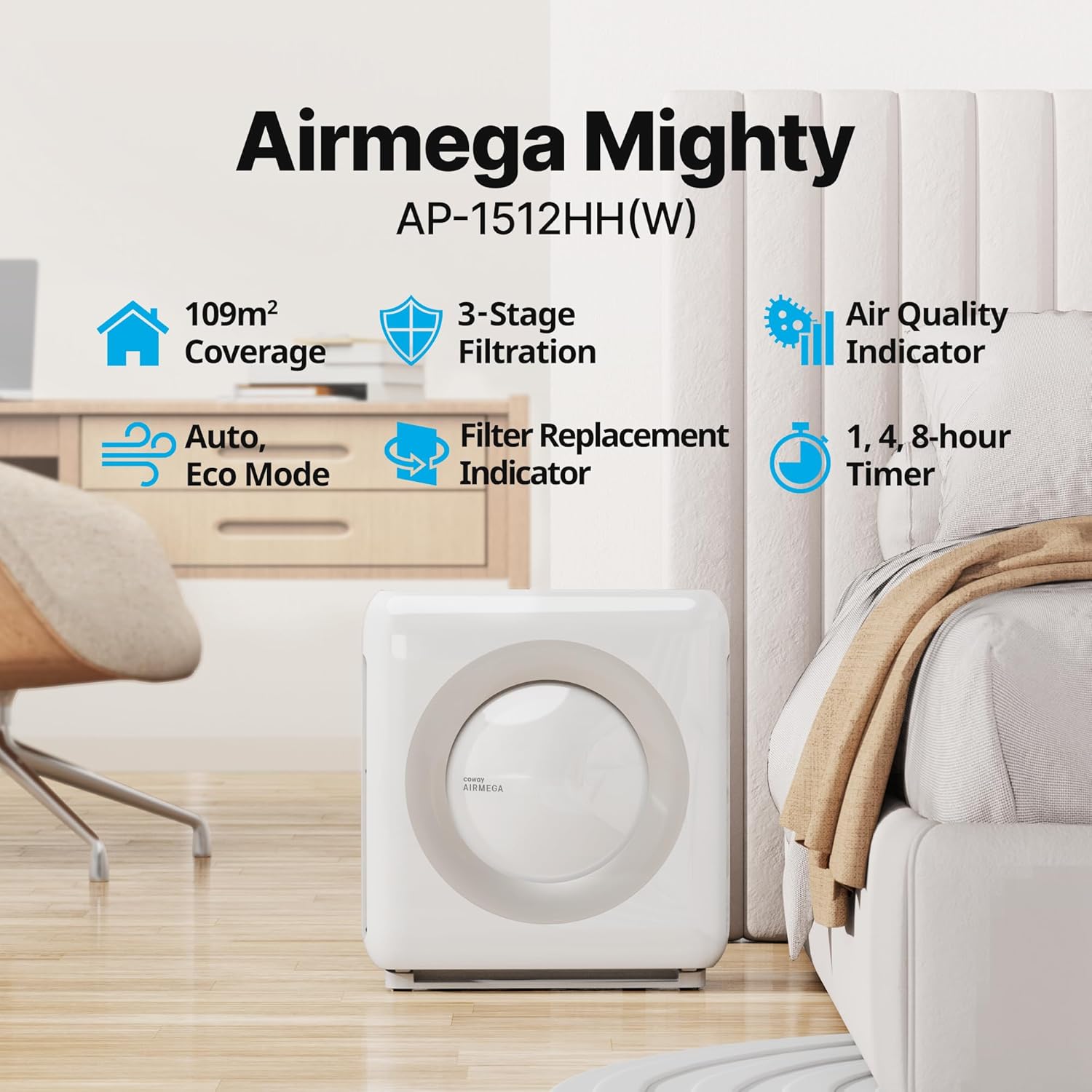
Brands such as Levoit, Coway Airmega, and Blue Pure have built strong reputations by focusing on filter quality rather than only on flashy app features. The Levoit Vital series, for example, combines a three stage filter with a compact footprint that suits small rooms while still delivering respectable CADR CFM performance. Coway Airmega models often add a sensitive quality sensor and auto mode, which adjust fan speed to maintain good air quality without constant manual input.
Families should also consider long term filter price when comparing purifiers on Amazon or in physical shops. A purifier with a low upfront price but expensive HEPA filter replacements may cost more over five years than a premium model with cheaper cartridges. Check how often the manufacturer expects you to change the pre filter and main HEPA filter, then multiply that by your local filter price to estimate real ownership costs.
If you work from home or your children study in shared spaces, remember that office grade purifiers can also suit family rooms. Some of the top air purifiers for offices use oversized filters and powerful air circulation that translate well to large living rooms. Just ensure the noise level at medium speed is acceptable for conversation, reading, and screen time.
Smart features, noise levels and everyday family usability
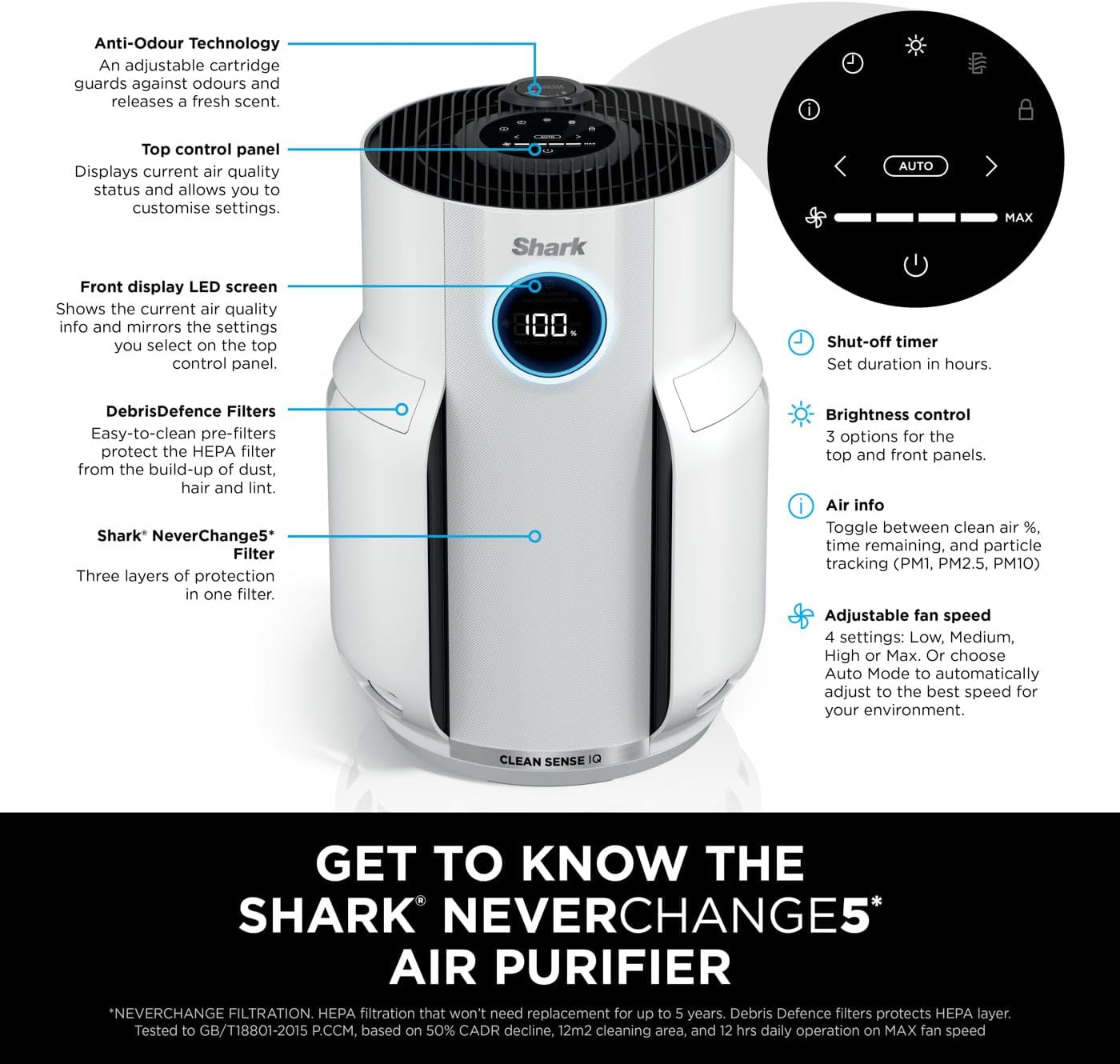
Once you have narrowed down the best air purifiers for families by CADR and filter quality, everyday usability becomes the deciding factor. Families need purifiers that fit into busy routines, run quietly at night, and require minimal technical knowledge to operate. A complicated app or confusing mode labels can lead to the purifier being used on the wrong speed or switched off entirely.
Smartphone integration can be genuinely helpful when it is well designed and not just a marketing gimmick. A good app lets you check air quality, adjust fan speed, and schedule auto mode without walking into each room, which is useful when babies are sleeping. Some purifiers also send alerts when the HEPA filter or pre filter needs cleaning or replacement, helping families maintain consistent clean air without guesswork.
Noise remains a critical issue, especially for nurseries and shared bedrooms. Look for independent test data that lists decibel levels at each speed, rather than vague claims of quiet operation, because children are sensitive to constant humming. Many families find that running a purifier on medium speed during the day and switching to a dedicated night mode at bedtime offers the best balance between clean air and restful sleep.
Auto mode can be a powerful ally when paired with a responsive quality sensor that tracks particles and sometimes gases. In a well tuned purifier, auto mode increases speed quickly when cooking, cleaning, or opening windows introduces polluted air, then slows down once the room returns to clean air levels. This dynamic behaviour saves energy, reduces noise, and keeps air quality stable without constant manual adjustments.
For households dealing with mould or damp basements, it is worth reading specialised guidance on air purifiers for mould and humidity control. These resources explain how HEPA filter design, air changes per hour, and humidity management interact in real rooms. Combining that knowledge with family focused priorities helps you choose a purifier that protects both respiratory health and building materials.
Comparing leading family friendly models from Levoit, Coway and Blueair
When families search for the best air purifiers for families, three names appear repeatedly in independent reviews. Levoit offers affordable purifiers that perform well in small and medium rooms, while Coway Airmega and Blue Pure models target larger spaces with higher CADR ratings. Each brand takes a slightly different approach to balancing price, quality, and smart features.
The Levoit Vital series is often recommended as a first air purifier for bedrooms or nurseries. It combines a compact footprint, a three stage filter with true HEPA and activated carbon, and a quiet sleep mode that keeps noise low while maintaining steady air changes. For families on a tight budget, Levoit purifiers provide a reasonable CADR CFM performance without the premium price of some flagship models.
Coway Airmega purifiers move up a tier in both power and sophistication. Many Coway Airmega units include a colour coded quality sensor display, responsive auto mode, and large filter cartridges that support high particle removal rates in big rooms. These purifiers tested well in independent lab reports, especially for maintaining clean air over long periods without dramatic swings in fan speed or noise.
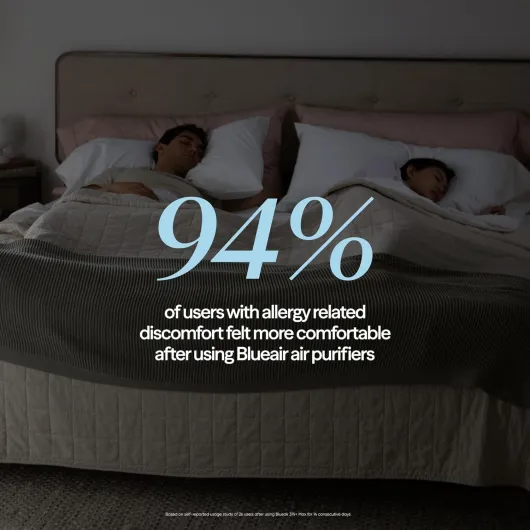
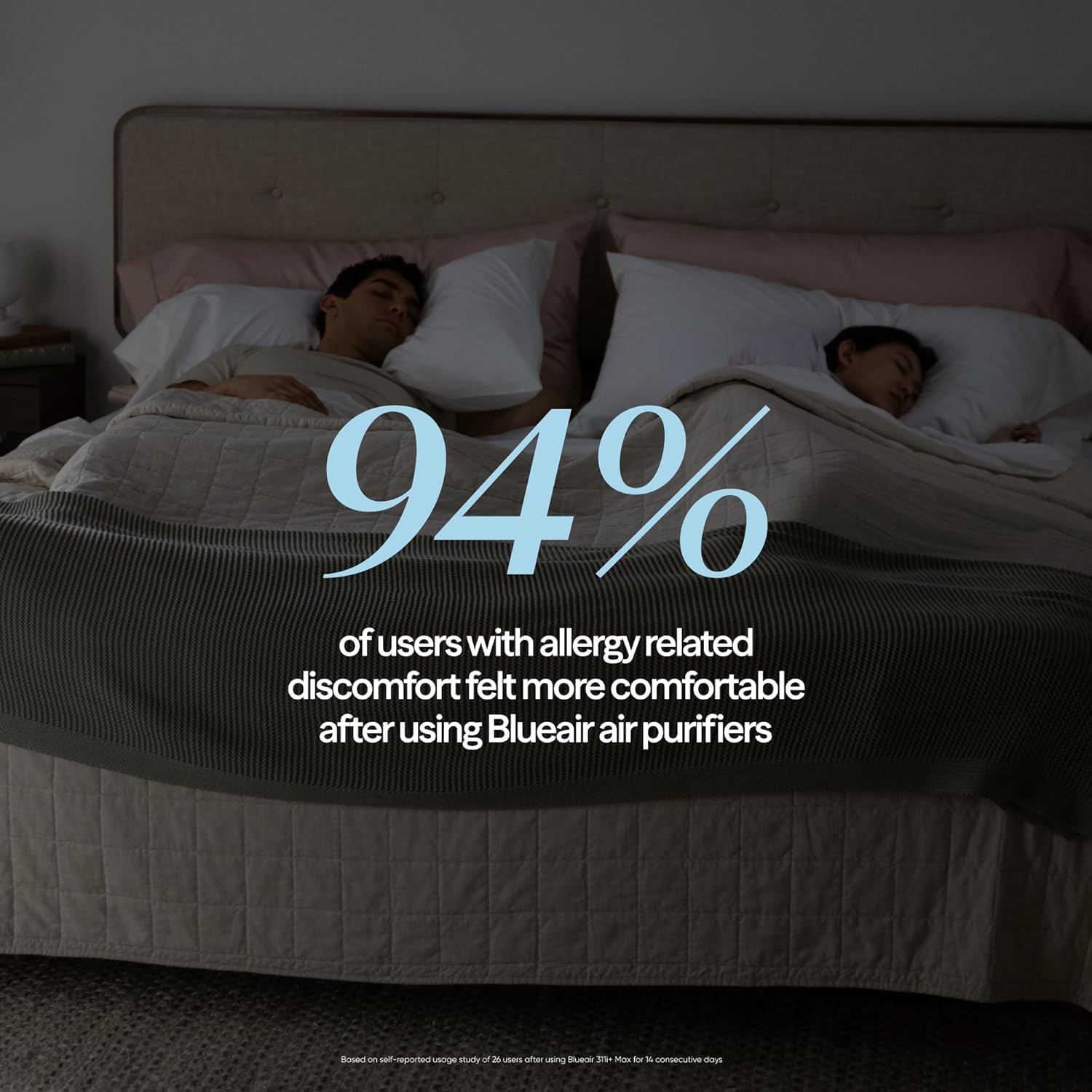
Blue Pure models from Blueair take a slightly different design path, using large cylindrical filters and high airflow to deliver powerful air cleaning in open plan living rooms. Their minimalist controls and fabric pre filter sleeves appeal to families who care about aesthetics as well as performance. Because the pre filter is easy to remove and wash, Blue Pure purifiers can be practical in homes with pets or high dust levels.
When comparing these brands on Amazon or in specialist shops, focus less on marketing labels and more on specific metrics such as CADR CFM, filter replacement price, and independent test results. A detailed video review that shows noise at each speed, filter access, and app behaviour can reveal differences that spec sheets hide. In the end, the best purifier for one family may be a compact Levoit in the nursery, a robust Coway Airmega in the living room, and a stylish Blue Pure in a teenager’s bedroom.
Budget, running costs and long term value for families
For many households, the best air purifiers for families are not simply the most powerful models, but those that deliver reliable clean air at a sustainable cost. Upfront price is only one part of the equation, because filters, electricity, and potential repairs all affect long term value. A cheaper purifier with costly HEPA filter replacements can become more expensive than a premium unit over several years.
Start by estimating how many purifiers your home truly needs based on room sizes and desired air changes per hour. A single large purifier with high CADR CFM might handle an open plan living area, while smaller bedrooms can share a compact purifier moved between rooms as needed. This strategy can reduce total purchase price while still maintaining good air quality where children spend most of their time.
Next, examine filter replacement schedules and costs for each purifier you consider. Some brands recommend changing the HEPA filter every six to twelve months, while others rely on a washable pre filter to extend that interval, which can significantly lower annual running costs. Activated carbon filters may need more frequent replacement in homes with smokers, heavy cooking, or strong pet odours, so factor that into your budget.
Energy use also matters, especially if you plan to run an air purifier continuously in several rooms. Models with efficient motors, smart auto mode, and accurate quality sensors can maintain clean air while using less electricity than purifiers that run at high speed all day. Over time, these small savings add up, particularly in regions with high energy prices or in large homes with multiple purifiers.
Finally, consider warranty terms and the availability of spare parts when judging overall quality and value. A purifier from a reputable brand such as Levoit, Coway Airmega, or Blue Pure, backed by responsive customer support, is more likely to deliver years of reliable particle removal and odour control. For families, that peace of mind can be as important as any single test score or promotional discount.
Health priorities and tailoring air purifiers to specific family needs
Not every family buys an air purifier for the same reason, so the best air purifiers for families must be matched to specific health priorities. Some households focus on pollen and dust allergies, while others worry about wildfire smoke, urban pollution, or mould spores in damp rooms. Clarifying your main concerns helps you choose the right combination of CADR, filter technology, and smart features.
For allergy dominated homes, a purifier with a high CADR CFM for fine particles and a certified true HEPA filter is essential. These families should prioritise purifiers tested for strong particle removal in independent labs, with clear data on how quickly they reduce airborne allergens in realistic room sizes. A sensitive quality sensor and responsive auto mode can also help, because the purifier will automatically increase speed when windows are opened or pollen counts rise.
Families facing smoke or traffic pollution need robust activated carbon filters in addition to HEPA filtration. In these cases, a thicker carbon layer and higher air changes per hour are more important than cosmetic features such as coloured lights or elaborate app graphics. A video review that measures odour reduction over time can be particularly useful for judging how well a purifier handles gases and smells.
Parents of babies or elderly relatives may value ultra low noise, gentle airflow, and simple controls above raw power. For them, a mid range purifier with quiet night mode, clear mode labels, and a modest CADR suited to smaller rooms can be the best choice. Placing the purifier correctly, away from direct drafts but with enough space for clean air circulation, often matters more than chasing the highest specification.
Finally, families dealing with chronic damp or visible mould should combine air purification with humidity control and building repairs. While a HEPA filter can capture many spores and a strong purifier can improve air quality, only fixing leaks and managing moisture will prevent mould from returning. In such complex situations, consulting healthcare professionals and building experts alongside product reviews ensures that your investment in air purifiers genuinely supports long term family health.
Key figures on family air quality and purifiers
- According to the World Health Organization, fine particulate air pollution contributes to millions of premature deaths globally each year, with children particularly vulnerable due to developing lungs and higher breathing rates.
- Studies from the United States Environmental Protection Agency show that indoor air can be two to five times more polluted than outdoor air, especially in tightly sealed modern homes with limited natural ventilation.
- Independent laboratory tests on popular HEPA filter purifiers often report particle removal efficiencies above 99 percent for 0.3 micron particles, when operated at recommended CADR levels for the specified room size.
- Energy Star certified air purifiers can use up to 40 percent less energy than standard models, which significantly reduces running costs for families operating multiple units around the clock.
- Research on allergy and asthma management indicates that using a high efficiency air purifier in the bedroom can reduce exposure to airborne allergens by more than half, when combined with regular cleaning and dust control.