How to size and compare the best air purifiers for basements
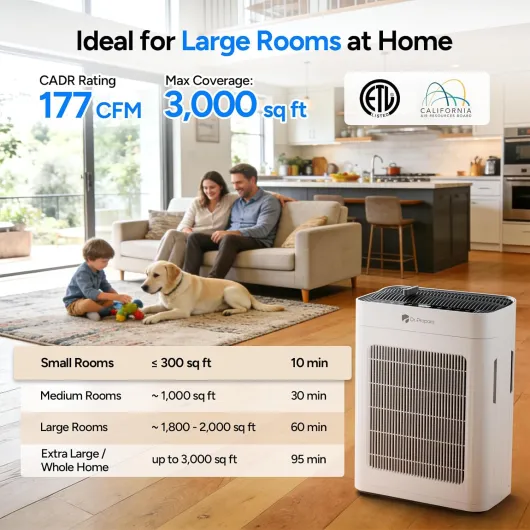
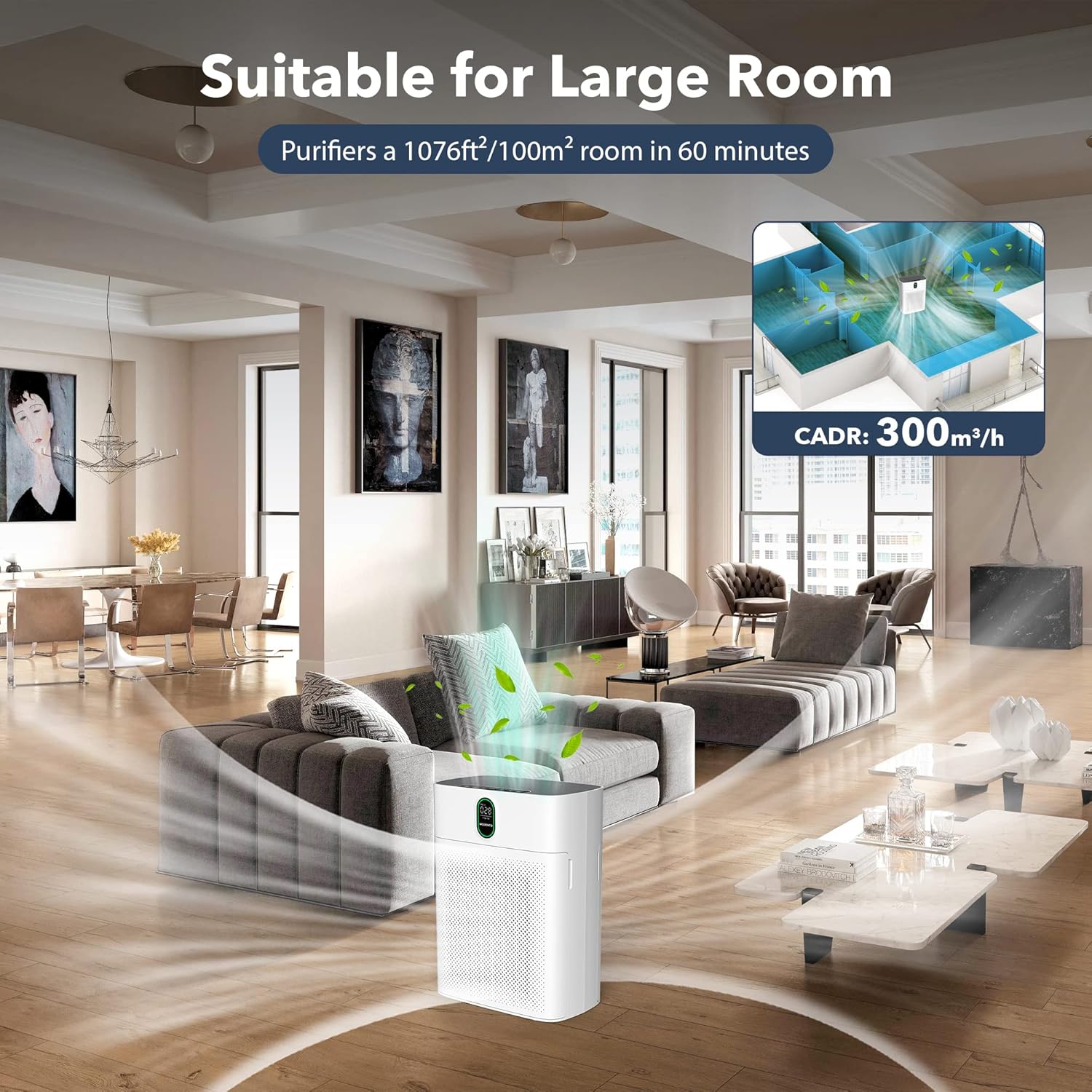
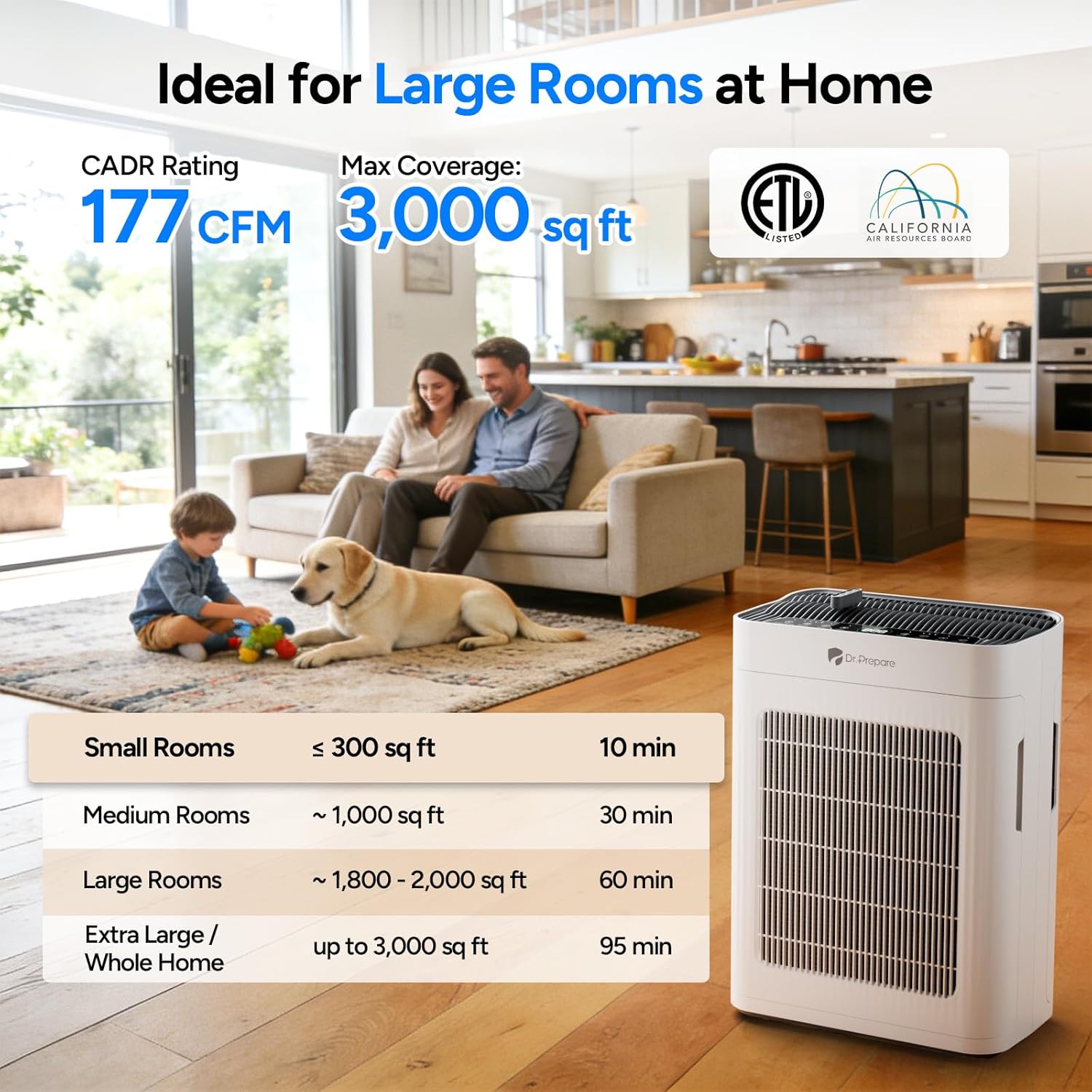
Choosing the best air purifiers for basements starts with correct sizing. Every air purifier lists a recommended coverage area and a CFM or CADR CFM value, which indicate how much filtered air the product can deliver per minute. For a typical enclosed basement room, you should aim for at least four to five full air changes per hour to keep air quality stable.
To translate that into practice, measure the length, width, and height of your basement air volume, then calculate the required CFM using an online tool or a simple formula. Once you know the target CFM, compare purifiers by their tested CADR CFM ratings for dust, pollen, and smoke rather than by vague marketing claims. A purifier large enough to exceed your calculated requirement will maintain cleaner air even when you run it at a lower speed for a quieter noise level.
When comparing price between different air purifiers, remember that filter replacements and energy use can exceed the initial purchase cost over time. A model with a slightly higher price but longer lasting HEPA filter and carbon filter may offer better value than a cheaper unit with frequent pre filter changes. Always check how many stars verified buyers give to the product on platforms such as Amazon, and read comments about performance in a basement or large room rather than only in a small office.
Understanding CADR, CFM, and real performance
CADR, or Clean Air Delivery Rate, measures how quickly an air purifier reduces specific pollutants under standardised test conditions. The CADR CFM figures for smoke, dust, and pollen are especially important for basements, where smoke and fine dust often linger longer than in upstairs rooms. A higher CADR CFM means the purifier can restore air quality faster after a disturbance such as opening a door to a smoky garage.
CFM alone tells you how much air passes through the purifier, but not how efficiently the filters capture pollutants. CADR combines airflow and filtration efficiency into one number, so you should always look for both a strong fan speed and a certified true HEPA filter, supported by a substantial activated carbon filter for gases. For deeper insight into how CADR numbers are measured and where they can mislead, you can consult a specialised analysis of the CADR number that matters and the one that misleads on a dedicated air purifier testing site or in independent laboratory reports.
Real world performance also depends on placement, room layout, and how often you run the purifier. In a cluttered basement, you may need two smaller air purifiers instead of one purifier large unit to avoid dead zones behind furniture and storage. Test different positions, monitor air quality with a built in quality sensor or external meter, and adjust until the entire basement maintains a consistently low particle count.
Essential features for basement air purifiers
The best air purifiers for basements share a core set of features that go beyond basic dust removal. At minimum, you want a multi stage filtration system with a washable pre filter, a true HEPA filter, and a thick activated carbon filter. This combination handles large particles, microscopic allergens, and odours or gases from mold, smoke, and chemicals.
Auto mode is another critical feature for a basement air purifier, because pollutant levels can spike when you open doors, run a dryer, or start a DIY project. A sensitive quality sensor detects these changes and automatically increases fan speed until air quality returns to a healthier standard. This automation not only protects your lungs but also optimises energy use and reduces unnecessary noise level during quiet periods.
Modern air purifiers often include a smart app that lets you track air quality trends, adjust speed, and schedule sleep mode from your phone. In a basement, where you may not spend the whole day, remote control through a smart app makes it easier to run the purifier before you go downstairs. Some models also integrate with voice assistants, but the most important factor remains reliable filtration and consistent performance rather than novelty features.
Filters, noise, and comfort in a large room
Filter design has a direct impact on both performance and comfort. A larger HEPA filter and carbon filter can move more air at a lower fan speed, which reduces the noise level while still maintaining strong CADR CFM values. This matters in a basement that doubles as a home office, gym, or media room where constant fan noise would be distracting.
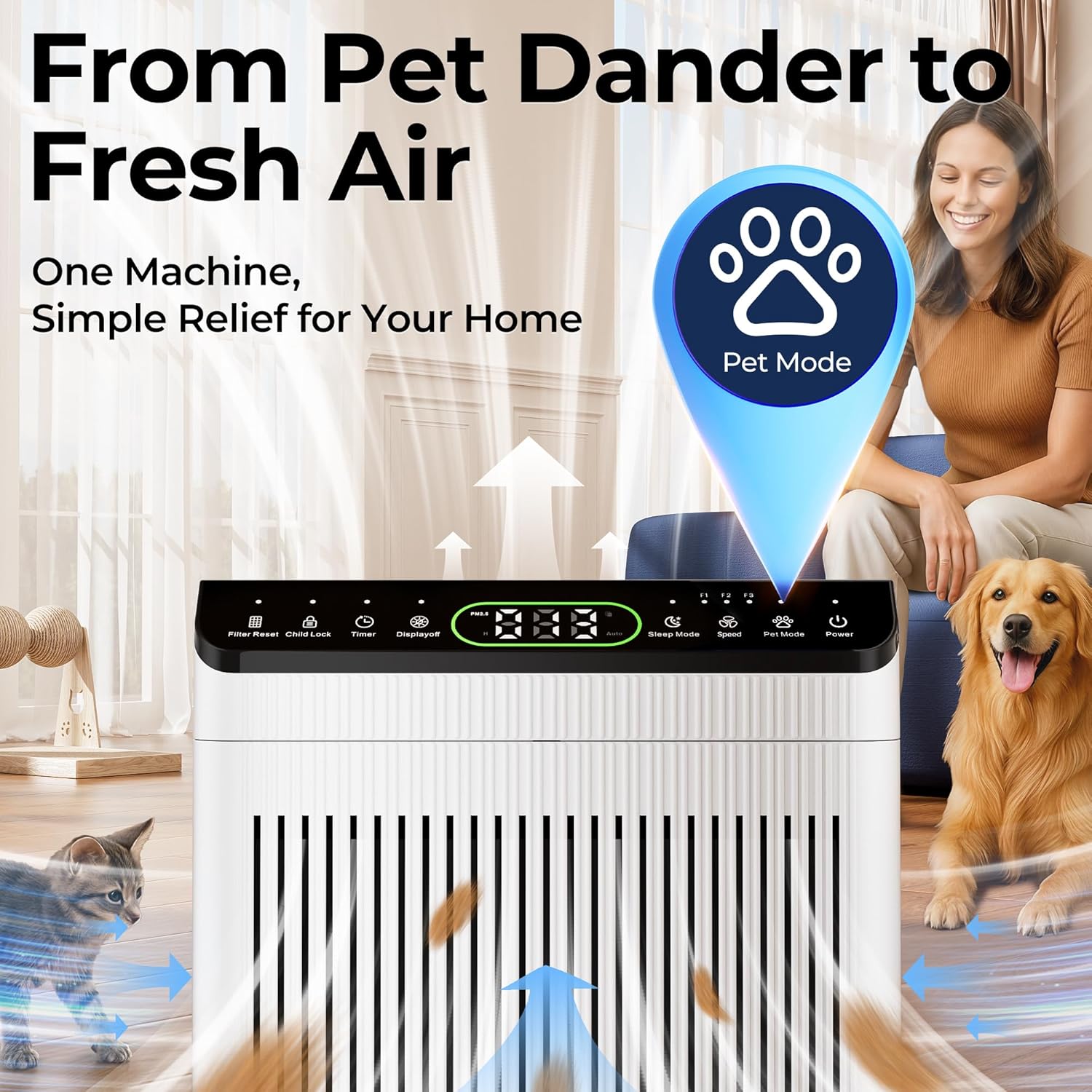
Sleep mode is not only for bedrooms, because many people run their basement air purifiers overnight to keep mold spores and dust under control. In sleep mode, the purifier dims its lights, slows the fan, and often relies on the quality sensor to decide when to briefly increase speed. Look for tested noise level figures in decibels rather than vague claims of quiet operation, and compare them with your tolerance for background sound.
For readers interested in a compact yet capable purifier large enough for a medium basement room, a detailed test of a compact air purifier with HEPA and carbon filter, air quality sensor, and sleep mode can provide a useful performance benchmark. Such reviews often include measured CFM, real world noise level, and long term filter costs, which help you judge whether the product offers the best air balance between price, features, and durability. Always cross check these findings with your own room size and basement air challenges before making a final choice.
Notable models: from Levoit Core to purifier large units
Among mainstream options, the Levoit Core series has become a frequent recommendation for people seeking the best air purifiers for basements. These cylindrical air purifiers combine a 360 degree pre filter, a true HEPA filter, and an activated carbon filter in a compact footprint. For small to medium basement rooms, a Levoit Core air purifier can deliver solid CADR CFM performance at a relatively accessible price.
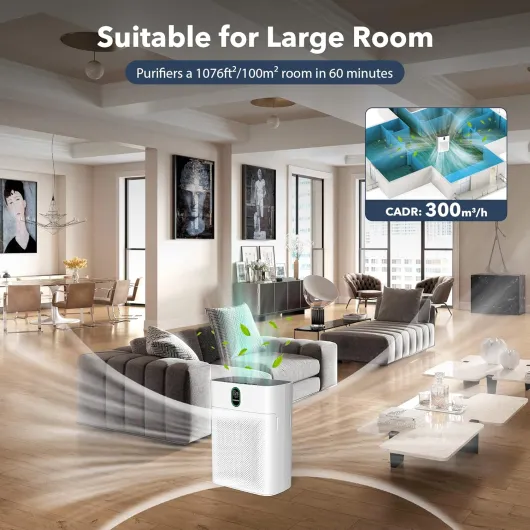
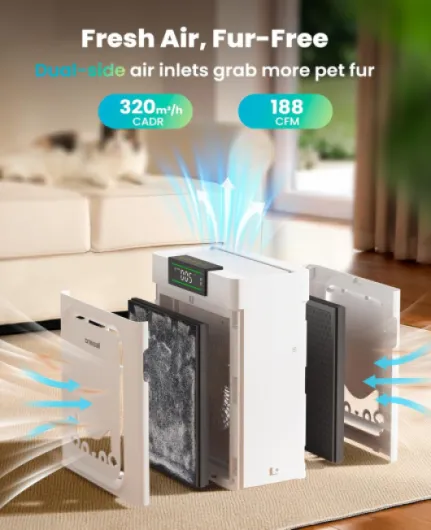
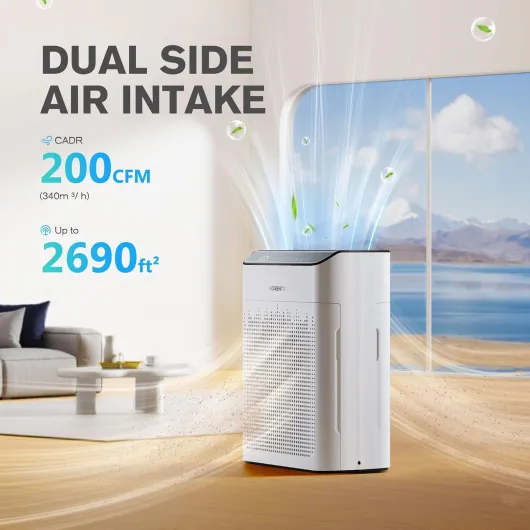
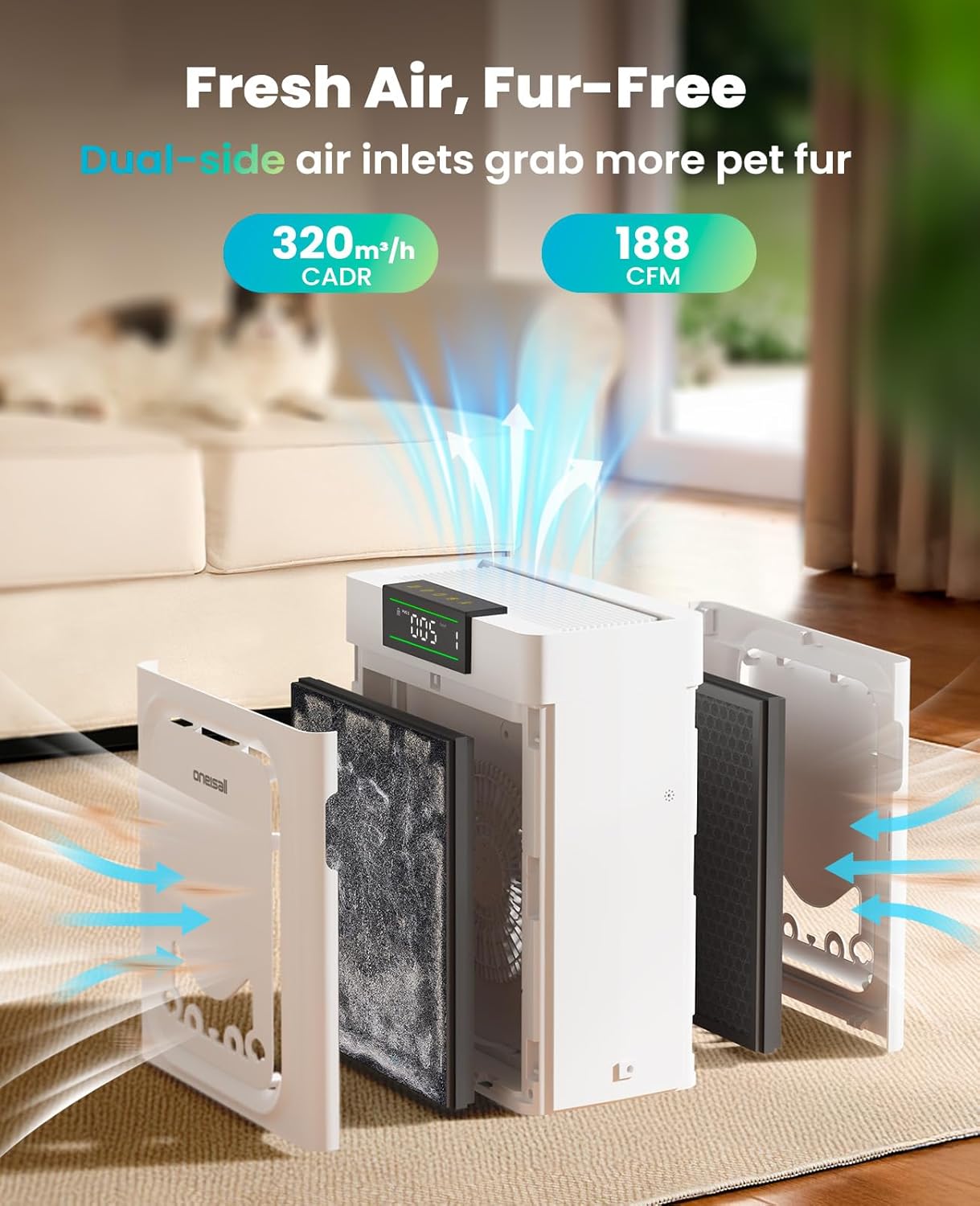
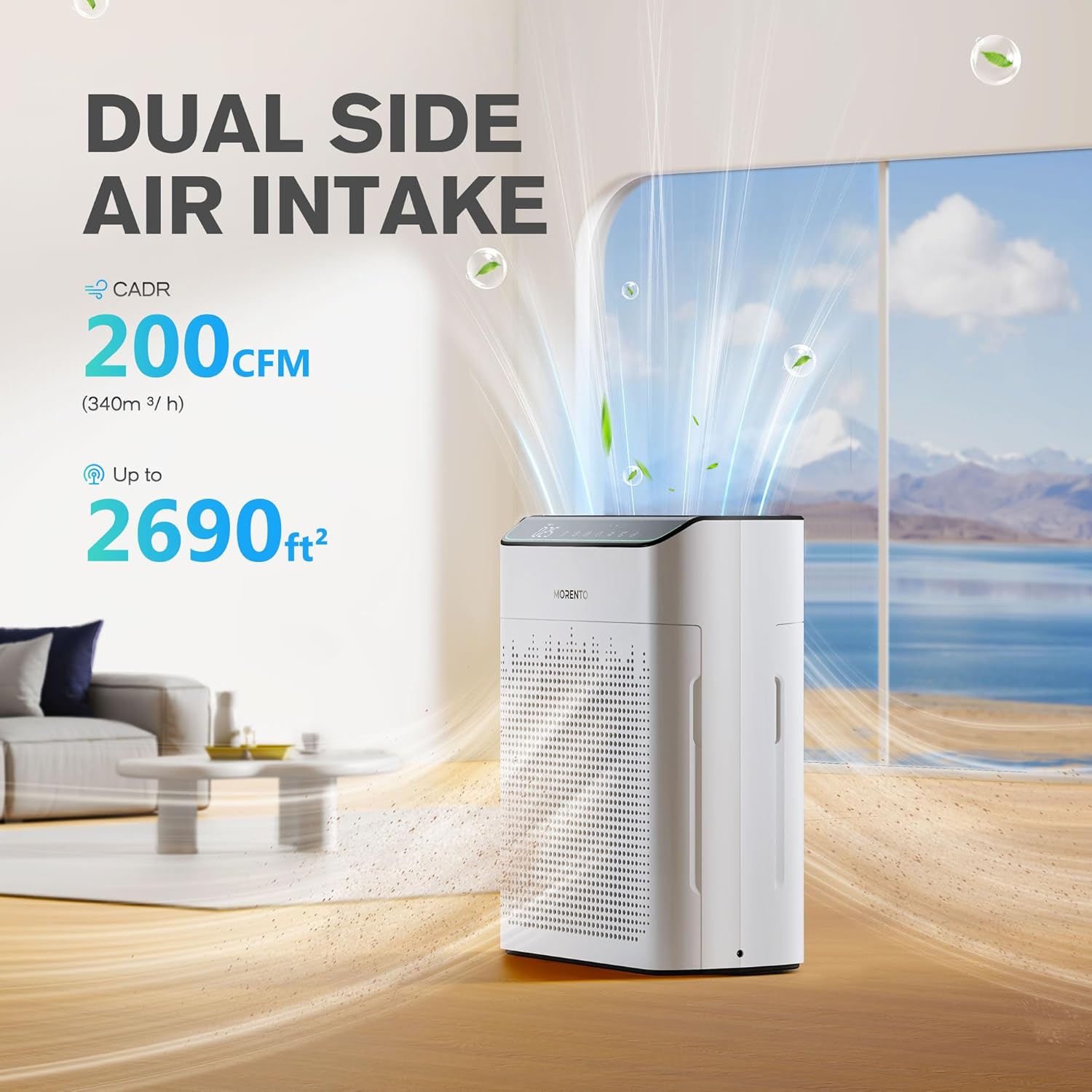
When you move to a larger basement air volume, you may need a purifier large unit designed for open plan spaces. Some high capacity purifiers include dual intake sides, powerful fans, and advanced auto mode logic that responds quickly to smoke or mold related spikes. Before investing in such a product, check independent lab tested data and user reviews that mention basement use, not just living room or office scenarios.
For those evaluating premium options, a detailed test of a high performance purifier with auto mode, HEPA filter, and sleep mode for very large areas can illustrate what top tier engineering looks like. These reviews often highlight how a quality sensor, smart app integration, and robust filters maintain air quality even in challenging environments. While the price of these purifiers is higher, the combination of speed, filtration depth, and low noise level can justify the investment for sensitive users or heavily used basements.
Reading ratings, stars, and Amazon reviews wisely
Online ratings can help you narrow down the best air purifiers for basements, but they require careful interpretation. A product with thousands of stars on Amazon may perform well in bedrooms yet struggle in a damp basement room with persistent mold issues. Focus on reviews that mention basement air, smoke, or musty odours, and look for comments about long term reliability and filter availability.
Pay attention to how often reviewers mention noise level at different fan speed settings, especially in sleep mode or auto mode. Some users tolerate a louder purifier in a storage only basement, while others need near silence in a home cinema or music studio. When several reviews highlight the same strength or weakness, such as a flimsy pre filter or a robust carbon filter, you gain a clearer picture of real world performance.
Finally, consider the balance between price and ongoing costs such as HEPA filter and carbon filter replacements. Many retailers offer free delivery on filters, but that does not offset the expense of frequent changes if the filters are small or quickly saturated by smoke and mold. A slightly more expensive purifier with larger, longer lasting filters can deliver better air quality and lower total cost over several years.
Buying strategies, price, and where to place your basement purifier
Smart buying strategies help you secure the best air purifiers for basements without overspending. Start by defining your basement room size, humidity level, and main concerns such as mold, smoke, or general dust. With this profile, you can shortlist air purifiers whose CADR CFM, filter design, and features match your actual needs rather than marketing hype.
When comparing price, factor in the cost of replacement HEPA filter sets, carbon filter cartridges, and any pre filter accessories. Some brands sell multi packs with free delivery, which can reduce long term expenses if you plan to run the air purifier continuously. Check whether the product uses a quality sensor and auto mode to optimise energy use, because running at lower speed most of the time can also reduce wear on filters and fans.
Placement is just as important as product selection, especially in irregular basements with pillars, storage racks, and low ceilings. Position the purifier large enough for the space in an open area, away from walls and corners, so that clean air can circulate freely. If your basement is divided into several rooms, consider using multiple smaller air purifiers rather than forcing one unit to push air through narrow doorways.
Maintenance routines to protect air quality
Even the best air purifiers for basements will underperform if you neglect maintenance. Check and clean the pre filter every few weeks, especially in dusty or high traffic basements, because a clogged pre filter reduces airflow and effective CFM. Replace the true HEPA filter and activated carbon filter according to the manufacturer schedule or sooner if you notice persistent odours or declining air quality.
Use the smart app or built in indicators to track filter life and monitor the quality sensor readings over time. If the sensor shows frequent spikes even at higher fan speed, you may need to address underlying moisture problems or add a dehumidifier to support the air purifier. Combining moisture control with regular filter changes creates a more hostile environment for mold and keeps basement air fresher.
Finally, periodically verify that auto mode, sleep mode, and other features still operate as intended after firmware updates or power outages. Test different speed settings, listen for unusual noise level changes, and confirm that the purifier responds when you introduce a controlled source of smoke such as burnt toast in a nearby room. These simple checks ensure that your investment continues to deliver the best air performance for your basement over the long term.
Key figures on basement air quality and purifiers
- Studies from indoor air quality researchers show that basements can have humidity levels roughly 10 to 15 percentage points higher than upper floors, which significantly increases the risk of mold growth on walls, carpets, and stored items. Building science surveys from housing agencies and university labs report similar humidity differentials in temperate climates.
- Laboratory tests on true HEPA filters, including data from standards such as EN 1822 and IEST guidelines, demonstrate that they capture at least 99.97 % of particles down to 0.3 micrometres, including many mold spores and fine smoke particles that commonly accumulate in enclosed basement spaces.
- Independent testing organisations that model air changes per hour report that increasing air changes per hour from two to five in a typical basement room can reduce airborne particle concentrations by more than 70 %, assuming the air purifier has an appropriate CADR CFM rating for the room size and is placed correctly.
- Consumer surveys from appliance review groups indicate that users who run their basement air purifiers continuously on auto mode report fewer musty odours and visible dust, with satisfaction ratings often exceeding four out of five stars for well matched purifier large models that meet or exceed recommended CADR values.
- Energy efficiency data from appliance agencies and voluntary labelling programmes show that modern air purifiers with smart app control and quality sensor driven auto mode can cut electricity use by up to 30 % compared with older models that run at fixed high speed all day, especially in basements where pollutant levels fluctuate.