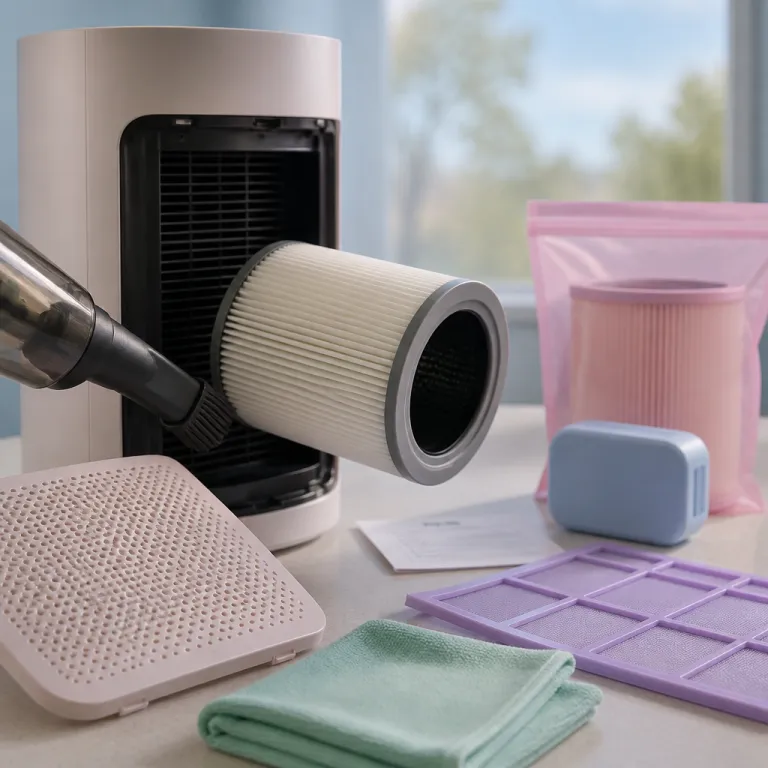
Why you must prepare your air purifier before wildfire season
When the first wildfire smoke plume appears on the horizon, most households realise too late that their air purifiers are underpowered or out of filters. During wildfire season, the goal is to keep indoor air as clean as possible while outdoor air quality can swing from moderate to hazardous within hours. Acting two weeks early lets you secure the right filters, check every purifier and air cleaner, and avoid price spikes or empty shelves when everyone else starts to panic.
Wildfire smoke is a complex mix of gases and tiny particles, and these smoke particles fall into the category called fine particulate matter or PM2.5 that can penetrate deep into the lungs. A good air purifier or portable air cleaner with a true HEPA filter is designed to capture these particles, but only if the filter is fresh, correctly installed, and paired with a fan powerful enough for your room size. If you prepare your air purifier for wildfire season in advance, you give the system time to run, stabilise indoor air, and create at least one genuinely clean room where sensitive people can rest.
Think of your home as a series of zones, each with different indoor air needs and different levels of exposure to wildfire smoke. The living room and open plan spaces usually need the strongest air purifiers or a combination of purifiers and diy air cleaners, while bedrooms benefit from quieter air cleaners that can run all night. Your checklist should cover every zone, from the main refuge room to any space where smoke indoors tends to linger, so that the whole indoor system works together to filter air and reduce exposure to particulate matter.
Audit your current purifiers, filters and room coverage
Start by listing every air purifier, portable air cleaner, and hvac system in your home, then note the room where each device runs most often. For each purifier, check the model number, the type of air filter it uses, and the recommended replacement interval, which is usually based on hours of use and average air quality. This simple audit helps you see where you already have strong coverage and where wildfire smoke could easily slip through gaps in your indoor air protection.
Next, open each purifier and inspect the filter and any prefilters or carbon filters for odours and visible dust or brown staining from previous wildfire seasons. If the filter looks grey, smells like smoke, or has a fuzzy layer of particles, treat it as spent and order at least two replacement filters per device so you can keep clean air flowing through the peak of wildfire season. Remember that carbon filters handle odours and some gases from wildfire smoke, while HEPA filters trap the smoke particles themselves, so both elements matter for overall indoor air quality.
Check the clean air delivery rate and the recommended room size for each purifier, then compare that to your actual room dimensions in square metres. During wildfire season, aim for at least five air changes per hour in your main living room and in your chosen clean room, which usually means upsizing the purifier or adding a second air cleaner. If your current system cannot reach that level, plan to add either a second commercial style purifier, a well built diy air cleaner, or a Corsi Rosenthal box fan with a high grade air filter to boost the total clean air output.
Secure replacement filters before prices jump
Filter demand tends to spike sharply once the first major wildfire hits, and that is when prices for popular filters and air purifiers can rise by twenty to forty percent. Two weeks before wildfire season, order enough filters to last through several weeks of heavy smoke, including extra HEPA filters and carbon filters for every purifier and air cleaner you rely on. Buying early not only saves money but also ensures that your clean air strategy does not collapse because a single air filter is out of stock when smoke indoors becomes unbearable.
When choosing replacement filters, stick to genuine or certified compatible options that match the purifier model and meet the manufacturer’s specifications for particulate matter removal. Look for clear statements about performance against wildfire smoke particles and check whether the filter is rated to capture at least 99.97 percent of particles down to 0.3 microns, which is the standard for true HEPA filters used in many air cleaners and commercial purifiers. If you are unsure, consult the manufacturer’s website or customer support rather than gambling on a generic filter that might not seal properly or might reduce exposure less than advertised.
Do not forget the hvac system, because a central system with a MERV 13 or higher air filter can significantly help filter air throughout the home when set to run the fan continuously. If your current hvac system uses a lower rated filter, schedule an upgrade before wildfire season so that the central fan and ducts contribute to cleaner indoor air instead of just moving smoke particles around. Pairing strong room based air purifiers with an upgraded central air cleaner gives you layered protection that keeps indoor air quality more stable during long smoke events.
Seal the shell: keeping wildfire smoke outdoors where it belongs
Even the best air purifiers struggle if wildfire smoke is pouring through gaps around windows, doors, and vents, so the building shell matters as much as the filter. Two weeks before wildfire season, walk slowly around your home on a breezy day and feel for drafts near window frames, electrical outlets on exterior walls, and around the edges of external doors. Any place where you feel moving air is a place where smoke particles and particulate matter can slip inside and overwhelm your indoor air cleaners.
Use weatherstripping, door sweeps, and high quality caulk to seal obvious leaks, focusing first on the room you plan to use as your clean room during the worst wildfire smoke days. A well sealed refuge room allows your chosen air purifier or portable air cleaner to reach a higher effective air quality level with less fan noise and lower energy use. Once that room is tight, extend the same sealing work to the main living room and any other spaces where you spend long periods breathing indoor air during wildfire season.
Pay special attention to bathroom fans, kitchen range hoods, and dryer vents, because these can act as unintentional chimneys for smoke indoors when they are not running. Make sure backdraft dampers close properly, and consider limiting the use of exhaust fans during heavy wildfire smoke unless you can simultaneously boost clean air production from your air purifiers. The aim is to balance necessary ventilation with the need to reduce exposure to outdoor air that is temporarily more polluted than the indoor air you have carefully cleaned.
Prepare your HVAC system and central air cleaner
Your hvac system can either be a powerful ally or a weak link when you prepare your air purifier strategy for wildfire season. Check the current air filter rating in the furnace or air handler, and if it is below MERV 13, talk to a qualified technician about upgrading to a higher efficiency filter that still allows safe airflow. A MERV 13 filter or better captures a much larger share of wildfire smoke particles and other particulate matter, turning the central fan into a whole house air cleaner when set to run continuously on low speed.
Ask the technician to inspect the ductwork for leaks, especially in attics or crawl spaces where negative pressure can draw in smoky outdoor air and then distribute it through the system. Sealing ducts with mastic or foil tape improves both energy efficiency and indoor air quality, because more of the air that passes through the hvac system actually goes through the air filter instead of bypassing it. If your system allows, set the fan to “on” rather than “auto” during wildfire season so that the filter air process continues even when heating or cooling is not actively running.
Remember that central systems are not a complete substitute for dedicated room air purifiers, especially in bedrooms and home offices where you may want very quiet operation. Use the hvac system as a background cleaner that constantly improves baseline indoor air, then layer portable air purifiers or diy air cleaners in specific rooms to reach the clean air targets you need. For a deeper technical explanation of how long indoor PM2.5 from wildfire smoke can linger and what your purifier should be doing, see this detailed analysis on indoor particulate levels after wildfires.
Ventilation choices when outdoor air is smoky
On clear days outside wildfire season, opening windows is usually the easiest way to improve indoor air quality, but that logic flips when wildfire smoke arrives. During smoky periods, keep windows and external doors closed as much as possible, and rely on your air purifiers, air cleaners, and hvac system to refresh indoor air. Short, targeted ventilation bursts may still be necessary for moisture control in bathrooms or kitchens, yet they should be timed for moments when outdoor air quality briefly improves.
Use a reliable air quality index app to track outdoor air quality in real time, and plan your ventilation around the cleanest hours of the day, which are often early morning. When the index shows unhealthy levels, focus on recirculating and cleaning indoor air rather than bringing in more polluted air from outside. This is where having multiple air purifiers and at least one diy air cleaner or Corsi Rosenthal box fan becomes crucial, because they allow you to maintain acceptable indoor air quality even when outdoor air remains poor for days.
In multi unit buildings, talk with neighbours and building management about shared ventilation systems, because smoke particles can travel between apartments through hallways and ducts. Coordinated use of corridor air cleaners, upgraded filters in central systems, and portable air purifiers in individual units can significantly reduce exposure for everyone. Treat the building as a shared clean air ecosystem, where each air cleaner and each sealed door contributes to a more resilient response during wildfire season.
Build your refuge: creating a truly clean room before the smoke arrives
Every household in a wildfire exposed region should choose one refuge room where air quality will be kept as high as possible during the worst smoke days. This clean room is usually a bedroom or a small living room with a door that closes tightly and minimal large windows facing prevailing winds. Two weeks before wildfire season, clear clutter from this room, seal obvious gaps, and plan exactly which air purifier, fan, and diy air cleaner setup will run there.
To size the purifier correctly, calculate the room volume by multiplying floor area in square metres by ceiling height in metres, then match that to a purifier that can deliver at least five air changes per hour. Many manufacturers list a clean air delivery rate that you can use to estimate how quickly the purifier can filter air in a given room size, and during wildfire season you should aim higher than the minimum. If your existing air purifier is undersized, consider moving your strongest unit into the refuge room and using secondary air cleaners or diy air cleaners in less critical spaces.
Position the purifier so that its clean air outlet is not blocked by furniture, and use the built in fan on a higher setting during the day to quickly reduce smoke particles and particulate matter when outdoor air quality suddenly worsens. At night, you can often lower the fan speed to reduce noise while still maintaining good indoor air quality, especially if the room is well sealed. For households dealing with both wildfire smoke and mould issues, this guide on filters that trap spores and humidity control offers useful context on how filters and room conditions interact.
Using Corsi Rosenthal boxes and diy air cleaners safely
A Corsi Rosenthal box is a diy air cleaner built from a box fan, several high efficiency air filters, and tape, and it can be a cost effective way to boost clean air in a refuge room. When built correctly with filters arranged around the fan and all seams sealed, these diy air cleaners can rival some commercial purifiers in terms of particulate matter removal. Two weeks before wildfire season, gather a box fan, four or five MERV 13 or better filters, and strong tape so you can assemble at least one unit before smoke indoors becomes a problem.
Place the Corsi Rosenthal box in a corner with enough clearance for the fan to pull air through the filters, and run it on low or medium to balance noise and performance. Avoid leaving flammable materials near the fan, and never drape fabric over the unit, because that can restrict airflow and create a safety risk. Remember that diy air cleaners are meant to complement, not replace, certified air purifiers, so use them as extra help in larger rooms or in spaces where you cannot afford a second commercial air cleaner.
Some households also use single filter and box fan combinations as simpler diy air cleaners, taping a high quality air filter to the intake side of a fan to filter air in smaller rooms. While these setups are less efficient than full Corsi Rosenthal boxes, they still reduce exposure to smoke particles and can be useful in secondary rooms or home offices. Always label the date on each diy air filter and plan to replace it after extended wildfire smoke events, because filters that look clean on the surface can still be loaded with fine particles that reduce airflow and cleaning performance.
Comfort, noise and sleep in a sealed refuge room
Running multiple air purifiers and diy air cleaners in a sealed room can raise temperature and noise levels, which matters for sleep and long work days. To keep the refuge room comfortable, use a quiet ceiling fan or a small oscillating fan to move clean air gently without creating drafts that might pull in smoky air from under the door. If heat builds up, consider a portable air conditioner with a well sealed window kit, making sure that any gaps around the exhaust hose are carefully taped to prevent wildfire smoke from leaking inside.
Noise is another reason to prepare early, because you need time to test different fan speeds and purifier placements before wildfire season forces you to run everything at maximum. Try running the air purifier on high for an hour before bedtime to rapidly filter air, then switch to a lower setting that still maintains good indoor air quality while you sleep. Over a few nights, you will find a balance between clean air, acceptable noise, and comfortable temperature that you can rely on when smoke particles from a nearby wildfire suddenly thicken the outdoor air.
For families with children, older adults, or people with asthma, post a simple checklist on the refuge room door that explains when to close windows, which purifiers or air cleaners to switch on, and how to check filter indicators. This reduces stress during fast moving wildfire events and ensures that anyone at home can activate the clean room system quickly. Once the routine is familiar, the refuge room becomes a predictable safe space rather than a last minute improvisation when smoke indoors is already visible and breathing feels difficult.
The two hour mid June checklist: from alerts to masks and maintenance
Two weeks before wildfire season usually means mid June in many North American regions, and that is the perfect moment to run through a focused two hour checklist. Start by setting up air quality alerts on your smartphone using trusted services such as AirNow or your national meteorological agency, choosing notifications for both outdoor air quality and wildfire smoke advisories. These alerts give you a crucial early warning so you can close windows, switch air purifiers to higher fan speeds, and move vulnerable people into the clean room before smoke indoors becomes obvious.
Next, gather and inspect any N95 or similar respirator masks you plan to use for essential trips outside during heavy wildfire smoke days. Check the straps and nose pieces for wear, and store the masks in a clean, dry container so that they are ready when outdoor air quality suddenly drops. Masks do not replace indoor air cleaners or air purifiers, but they help reduce exposure when you must leave your clean room or move between buildings while particulate matter levels are high.
Use the remaining time to vacuum vents, wipe dust from purifier grilles, and confirm that every air cleaner, fan, and purifier in your home powers on correctly and runs without unusual noises. A quick maintenance session now prevents failures later, when repair services are busy and replacement purifiers or filters may be sold out due to wildfire season demand. This is also a good moment to review more detailed seasonal setup advice, such as the guidance in this article on setting up your air purifier during regional pollution spikes.
Daily routines when wildfire smoke is in the forecast
Once wildfire season is underway, simple daily routines help keep indoor air quality stable even during long smoke episodes. Each morning, check the air quality index and wildfire maps, then decide whether to keep windows closed all day and whether to run air purifiers on higher settings in the living room and clean room. If the forecast shows worsening wildfire smoke, preemptively switch your main air cleaner and any diy air cleaners to a stronger fan speed so they can filter air more aggressively before smoke particles accumulate indoors.
Limit indoor activities that generate additional particulate matter, such as frying food at high temperatures, burning candles, or using wood burning fireplaces, because these can overload filters and reduce the effectiveness of your air purifiers. When you must cook, use the range hood on a low setting and keep the clean room door closed so that its indoor air remains as untouched as possible by extra particles. Regularly check filter indicators on your purifiers, and if you notice a drop in airflow or a persistent smoke smell, replace the air filter sooner rather than later to maintain clean air output.
Plan short airing periods only when outdoor air quality briefly improves, and during those windows, open a single window in a less critical room while keeping the clean room sealed and its air cleaner running. After ten to fifteen minutes, close the window again and let your air purifiers and diy air cleaners work to filter air and restore indoor air quality. Over the course of wildfire season, this rhythm of cautious ventilation, consistent filtration, and timely filter changes will keep your home’s air system resilient even when outdoor smoke levels fluctuate wildly.
Why two hours in June can protect your lungs for months
Preparing early to protect indoor air during wildfire season is not just about comfort, it is about long term health. Fine particulate matter from wildfire smoke has been linked to respiratory irritation, cardiovascular stress, and worsening of chronic conditions, and these effects accumulate over repeated exposure. By using air purifiers, diy air cleaners, upgraded hvac system filters, and a well planned clean room, you significantly reduce exposure to smoke particles during the weeks when outdoor air quality is at its worst.
Those two hours in mid June, spent checking filters, sealing gaps, and testing every air cleaner and fan, buy you an entire season of calmer responses when the first smoke plume appears. Instead of scrambling for sold out filters or improvising a diy air cleaner from whatever air filter and box fan you can find, you simply follow a routine you have already rehearsed. Your home becomes a controlled environment where indoor air quality stays consistently better than the outdoor air, even as wildfire season stretches on and neighbours complain about smoke indoors and lingering odours.
In the end, preparing your air purifier for wildfire season is about shifting from reactive panic to proactive care for your living space and your lungs. A well maintained system of air purifiers, diy air cleaners, and a tuned hvac system turns your home into a refuge of clean air while particulate matter swirls outside. Two weeks of foresight, and just a couple of focused hours, can quietly protect every breath you and your family take until the last wildfire smoke plume finally fades from the horizon.
FAQ
How many air purifiers do I need for my home during wildfire season ?
The number of air purifiers you need depends on your floor plan, room sizes, and how tightly your home is sealed. As a rule of thumb, aim for at least one properly sized purifier in your main living room and one in your chosen clean room, then consider extra portable air cleaners for bedrooms if people are sensitive. Check each purifier’s clean air delivery rate and match it to the volume of the room to reach at least five air changes per hour during heavy wildfire smoke.
What type of filter is best for wildfire smoke particles ?
For wildfire smoke, a true HEPA filter is the key component because it captures the fine particulate matter that causes most health problems. Pairing HEPA with an activated carbon filter helps reduce odours and some gases from smoke, which improves overall comfort and perceived air quality. Look for filters that clearly state they capture at least 99.97 percent of particles down to 0.3 microns and are compatible with your specific air purifier or air cleaner model.
Should I run my air purifier all day when outdoor air quality is bad ?
During wildfire season, it is usually better to run your air purifier continuously, especially in your main living room and clean room. Continuous operation keeps indoor air quality more stable and prevents smoke particles from building up when outdoor air suddenly worsens. You can use higher fan speeds during the day for faster cleaning, then switch to quieter settings at night while still maintaining effective filtration.
Is a diy air cleaner with a box fan as good as a commercial purifier ?
A well built diy air cleaner such as a Corsi Rosenthal box can approach the particulate removal performance of some commercial purifiers, especially when it uses multiple MERV 13 or better filters. However, commercial air purifiers usually offer better noise control, safety certifications, and features like filter change indicators and automatic fan adjustments. The most robust strategy is to use diy air cleaners as cost effective supplements to certified purifiers, not as your only line of defence during wildfire season.
Can my hvac system replace the need for separate room air cleaners ?
An hvac system with a MERV 13 or higher air filter and well sealed ducts can significantly improve whole house air quality during wildfire smoke events. However, central systems rarely provide enough clean air to create a true refuge room on their own, especially if you need very quiet conditions for sleep. For best protection, use the hvac system as a background filter and add dedicated room air purifiers or portable air cleaners in the spaces where you spend the most time.