

Understanding the role of CO2 in indoor air quality
Why Carbon Dioxide Levels Matter Indoors
When we talk about indoor air quality, carbon dioxide (CO2) is a key factor that often gets overlooked. While CO2 is a natural part of the air we breathe, high concentrations indoors can signal poor ventilation and declining air quality. Unlike carbon monoxide, which is toxic even at low levels, CO2 itself is not poisonous in typical indoor amounts. However, elevated CO2 can make you feel tired, reduce concentration, and even impact decision-making over hours of exposure. This is why using a portable CO2 meter or a quality monitor is essential for anyone concerned about their indoor air environment.
CO2 as an Indicator of Air Quality
CO2 is produced by people breathing, burning gas appliances, and sometimes by certain building materials. In a closed space, CO2 levels can quickly rise if there isn’t enough fresh air coming in. A portable detector or sensor designed to measure CO2 can help you monitor these changes in real time. High readings from your portable meter often mean that other pollutants, like volatile organic compounds or even humidity, might also be accumulating. This is why CO2 is often used as a proxy for overall air quality indoors.
- CO2 meters and detectors are different from carbon monoxide detectors. CO2 meters measure carbon dioxide, while monoxide detectors are designed for carbon monoxide, a much more dangerous gas.
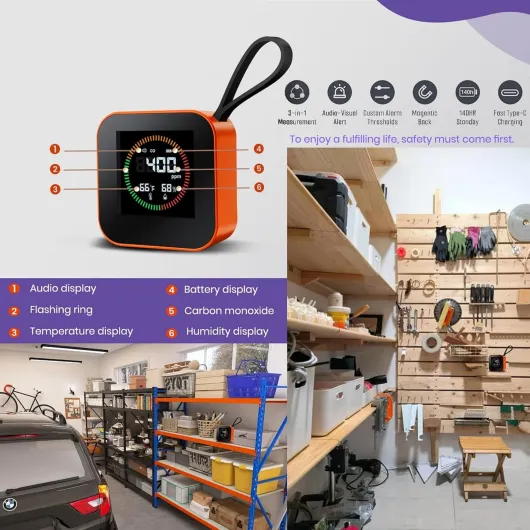
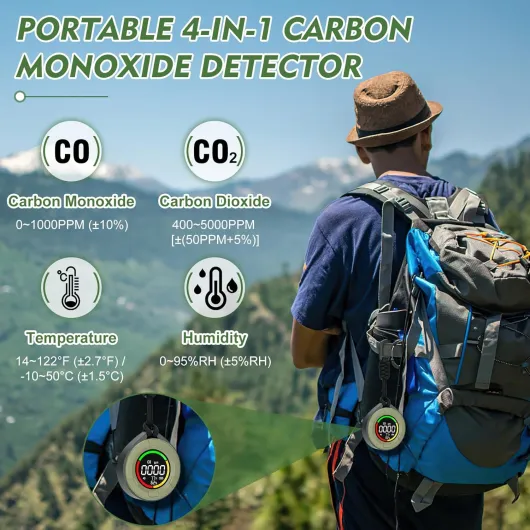
- Many portable meters now combine CO2, temperature, and humidity sensors, giving you a broader picture of your indoor air quality.
- Some advanced products include an audible visual alarm or data logger for tracking air quality over time.
Understanding the role of CO2 in indoor air is the first step toward making informed decisions about your environment. For a deeper dive into how CO2 meters fit into air purification strategies, check out this guide on the role of CO2 meter cases in air purification.

How a portable CO2 meter works
How portable CO2 meters detect and display air quality
Portable CO2 meters are designed to measure the concentration of carbon dioxide in indoor air. These devices use a built-in sensor, often a non-dispersive infrared (NDIR) sensor, to detect the amount of CO2 gas present. When air passes through the meter, the sensor analyzes the sample and provides real-time data on CO2 levels. Some advanced models also monitor temperature, humidity, and even other gases like carbon monoxide, giving a more complete picture of indoor air quality. The process is straightforward:- The meter draws in air from the room.
- The sensor inside the product measures the amount of carbon dioxide.
- Results are displayed on a digital screen, often in parts per million (ppm).
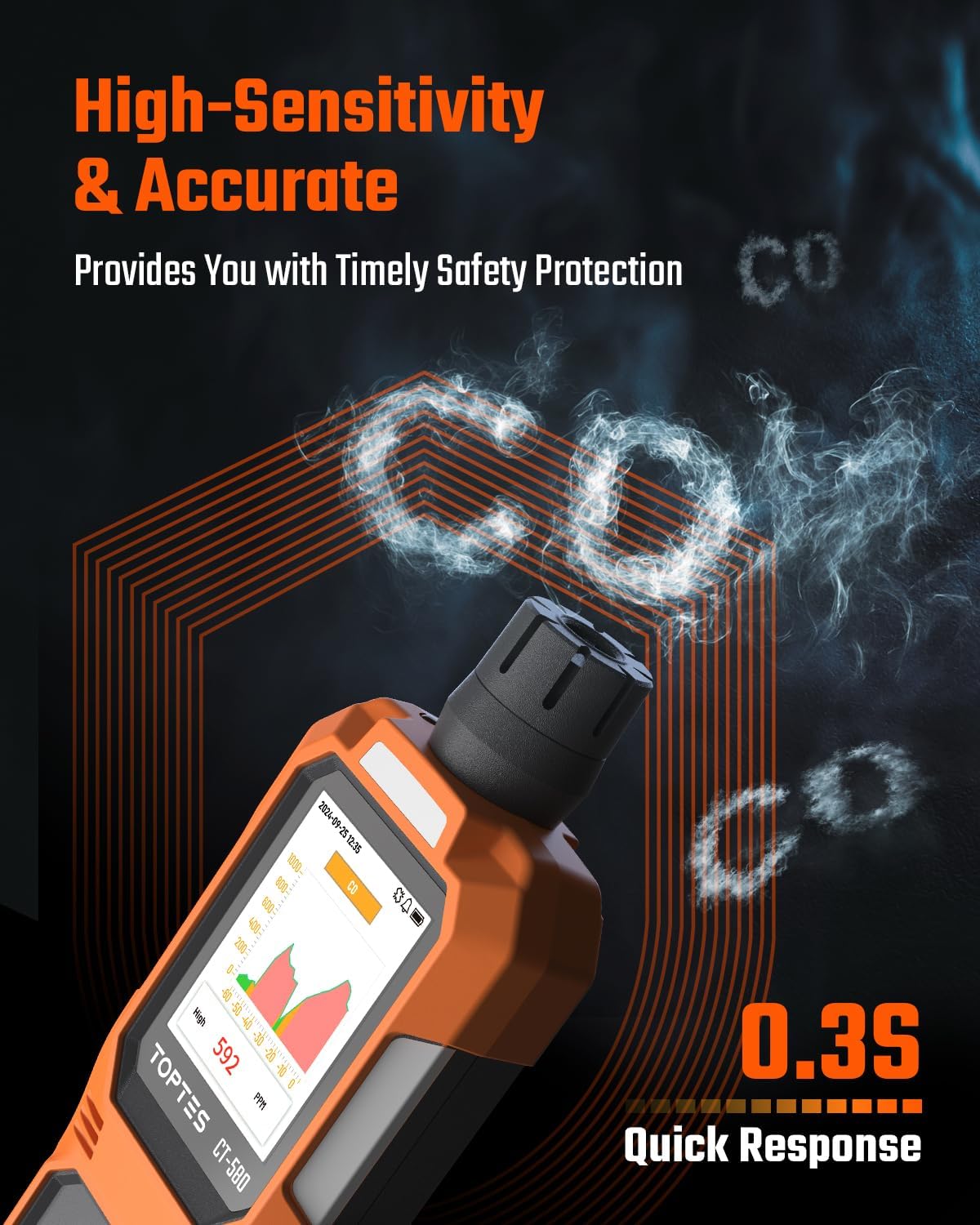
- Many meters include an audible or visual alarm to alert you if CO2 or monoxide levels exceed safe thresholds.
- Some portable detectors act as a data logger, recording measurements over hours or days for later review.
Features that enhance usability and safety
Modern portable CO2 meters are not just about measuring carbon dioxide. Many models are equipped with sensors for temperature humidity, and some also function as a monoxide detector or gas detector. This makes them useful for monitoring overall air quality, not just CO2. Features like a detector alarm, audible visual alerts, and easy-to-read displays help users respond quickly to poor air conditions. When comparing meters, consider the price, accuracy, and whether the meter is designed to measure multiple gases. Some portable meters are compact enough to carry between rooms or workplaces, making them ideal for both home and professional use. Others offer advanced data logging, so you can track air quality trends over time. If you’re interested in understanding how other air quality sensors work, such as those for volatile organic compounds, you might find this guide on TVOC meters for air quality helpful.What to expect from a portable detector
A good portable carbon dioxide detector or portable meter should provide accurate, real time readings. It should also be easy to use, with clear instructions and a display that shows CO2, temperature, and humidity data. For added safety, look for models with an audible visual alarm or detector carbon monoxide feature. These products are essential tools for anyone serious about monitoring indoor air quality and ensuring a healthy environment.Benefits of using a portable CO2 meter at home or work
Everyday Advantages of Portable CO2 Meters
Using a portable carbon dioxide detector at home or work brings practical benefits for anyone concerned about indoor air quality. These meters are designed to measure real time CO2 levels, giving you instant feedback on the air you breathe. By monitoring carbon dioxide, you get a clearer picture of ventilation effectiveness and potential buildup of other gases, such as carbon monoxide, which can be harmful even at low concentrations.
- Immediate Awareness: A portable meter with an audible visual alarm alerts you when CO2 or monoxide carbon levels exceed safe thresholds. This helps you act quickly to improve ventilation or take other safety measures.
- Data-Driven Decisions: Many meters include a data logger, allowing you to track air quality over hours or days. This data can reveal patterns, like when indoor air quality drops during certain activities or times.
- Comprehensive Monitoring: Some products combine CO2, temperature humidity, and even monoxide detectors in one device. This gives you a broader view of your indoor environment, helping you identify not just carbon dioxide spikes but also issues with humidity or the presence of other gases.
- Portability and Flexibility: A portable detector is easy to move between rooms or take to different locations, making it ideal for both home and workplace use. Whether you’re checking the air in a classroom, office, or bedroom, a portable carbon dioxide detector adapts to your needs.
- Cost-Effectiveness: The price of portable meters varies, but even budget-friendly models offer reliable monitoring. Investing in a quality monitor can help you avoid health issues and costly ventilation problems down the line.
For those looking to maximize the effectiveness of their air quality monitor, pairing it with the best air filters for your air purifier can further improve indoor air. This combination ensures that not only are you alerted to high CO2 or monoxide levels, but you’re also actively filtering out particulates and other pollutants.
Ultimately, a portable gas detector or CO2 sensor is more than just a gadget. It’s a tool that empowers you to take control of your indoor air quality, protect your health, and create a safer, more comfortable environment for everyone.
Interpreting CO2 readings and what they mean for your health
Making Sense of CO2 Levels in Your Space
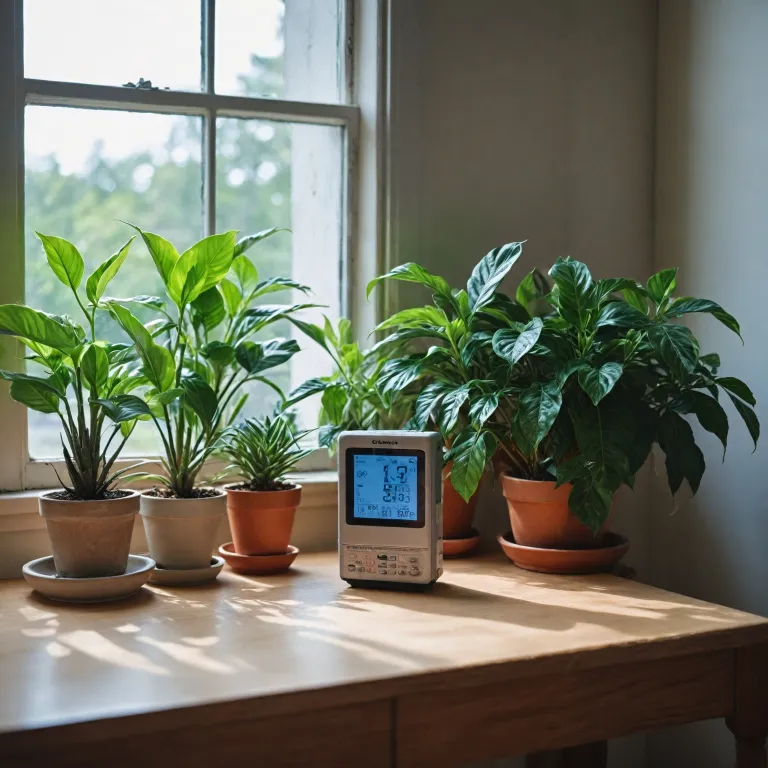
When you use a portable CO2 meter or a portable detector, the readings you get can tell you a lot about your indoor air quality. Carbon dioxide (CO2) is a natural part of the air, but high levels indoors can signal poor ventilation or overcrowding. A quality monitor or sensor designed to measure CO2 gives you real time data, helping you understand when your air needs improvement.
- Normal indoor CO2 levels: Typically range from 400 to 1,000 parts per million (ppm). If your meter shows values in this range, your air quality is generally good.
- 1,000–2,000 ppm: This range may cause drowsiness or reduced concentration. It often means your space could use more fresh air.
- Above 2,000 ppm: Prolonged exposure can lead to headaches, sleepiness, and poor air quality. This is a sign to take action quickly.
Some portable meters and detectors also monitor temperature humidity, which can affect how you feel and how well your air quality solutions work. High humidity, for example, can make a space feel stuffy even if CO2 levels are moderate.
What High CO2 Means for Your Health
CO2 itself is not toxic at typical indoor levels, but it’s a key indicator of ventilation. When your portable carbon dioxide detector or gas detector shows high readings, it often means other pollutants, like carbon monoxide or volatile organic compounds, could also be building up. This is why many meters combine CO2, humidity, and temperature sensors for a fuller picture of your indoor air.
Some products include an audible visual alarm or detector alarm, alerting you when levels are too high. This feature is especially useful if you want a portable meter that keeps you informed even when you’re busy.
Using Data for Better Air Quality
Modern meters often come with a data logger, letting you track CO2 and other air quality data over hours or days. Reviewing this information helps you spot patterns, like when your indoor air quality drops during certain activities or times. This way, you can make targeted changes, such as improving ventilation or adjusting your use of appliances that produce gas.
Remember, a CO2 meter is not a substitute for a carbon monoxide detector. Both gases are different: carbon dioxide is a marker of ventilation, while carbon monoxide is a dangerous, odorless gas that requires its own dedicated alarm. For the best protection, consider using both types of detectors in your home or workplace.
Tips for improving air quality based on CO2 data
Practical Steps to Improve Indoor Air Quality Using CO2 Data
A portable carbon dioxide detector gives you real time data about the air in your home or workplace. But once you have those numbers, what can you do with them? Here are some practical tips to help you use your meter readings to create a healthier indoor environment:- Ventilate regularly: If your portable meter shows elevated CO2 levels, open windows or doors for a few minutes every couple of hours. This simple action can quickly lower carbon dioxide and improve overall air quality.
- Monitor occupancy: High CO2 readings often mean too many people in a room for the available ventilation. Try to limit the number of people in small spaces, especially during meetings or gatherings.
- Use mechanical ventilation: If natural ventilation isn’t enough, consider using exhaust fans or air purifiers designed to improve indoor air. Some advanced products combine a CO2 sensor, temperature humidity monitor, and even a data logger for tracking trends over time.
- Check HVAC systems: Make sure your heating, ventilation, and air conditioning systems are working properly. Regular maintenance helps ensure that air is circulating and that carbon dioxide, as well as other gases like carbon monoxide, are kept at safe levels.
- Pay attention to other factors: Many portable meters also measure temperature humidity and sometimes other gases. High humidity can make poor air quality worse, so use a dehumidifier if needed.
- Set alarms: Choose a portable detector with an audible visual alarm or detector alarm feature. This will alert you if CO2 or other gas levels become unsafe, even if you’re not actively watching the monitor.
Understanding the Data from Your Portable Meter
CO2 readings are just one part of the picture. If your meter or detector portable also measures carbon monoxide, pay close attention to those numbers. Carbon monoxide is a dangerous gas, and a portable carbon monoxide detector or monoxide detectors with an alarm can be lifesaving. For best results, use a quality monitor or product that logs data over several hours. This helps you spot patterns, such as times of day when air quality drops. Some meters are designed measure both carbon dioxide and monoxide carbon, giving you a more complete view of your indoor air.Choosing the Right Tools for the Job
When selecting a portable meter or gas detector, consider features like price, sensor accuracy, and whether it offers data logging. Some meters combine a dioxide detector, humidity sensor, and temperature monitor in one product. Look for a detector carbon or portable carbon dioxide detector that fits your needs and budget. By using your portable detector and following these tips, you can make informed decisions to improve your indoor air quality and protect your health.Choosing the right portable CO2 meter for your needs
Key Features to Look for in a Portable CO2 Meter
When searching for the best portable CO2 meter, it’s important to focus on features that ensure accurate and reliable air quality monitoring. Not all meters are created equal, and your needs at home or work may differ. Here are some essential aspects to consider:
- Measurement Range and Accuracy: Make sure the meter is designed to measure the expected levels of carbon dioxide in your indoor air. Look for a product with a clear specification on its accuracy and detection range for carbon dioxide and other gases.
- Sensor Type: High-quality sensors, such as NDIR (Non-Dispersive Infrared), are commonly used in portable detectors for reliable CO2 readings. Some meters also include sensors for temperature, humidity, and even carbon monoxide, providing a more complete picture of indoor air quality.
- Real-Time Monitoring and Data Logging: A good portable meter should offer real-time data display. Models with a data logger allow you to track air quality over hours or days, making it easier to spot trends and take action.
- Alarm Functions: Consider a detector with an audible and visual alarm. This feature alerts you immediately if carbon dioxide or monoxide levels exceed safe thresholds, which is especially important for safety in enclosed spaces.
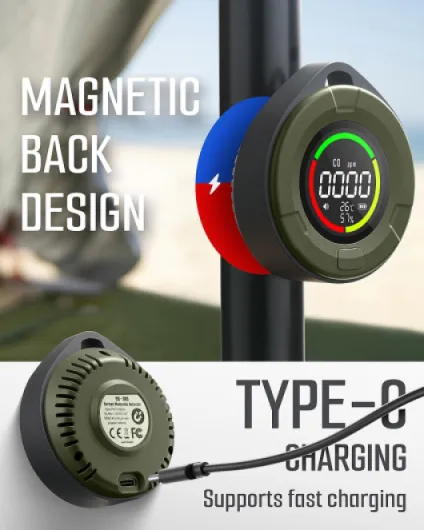
- Portability and Battery Life: If you need to move the meter between rooms or locations, choose a lightweight, portable detector with a long-lasting battery. Some meters can operate for many hours on a single charge.
- Display and Interface: A clear, easy-to-read screen helps you interpret CO2, temperature, and humidity data at a glance. Some quality monitors also offer app connectivity for remote monitoring.
- Additional Gas Detection: Some advanced meters can monitor other gases, such as carbon monoxide. This can be useful if you want a more comprehensive indoor air quality monitor.
- Price and Value: Compare the price of different meters, but don’t compromise on essential features. The best product balances affordability with the reliability and features you need.
Comparing Popular Portable CO2 Meters
| Product | CO2 Range | Additional Sensors | Alarm | Data Logger | Price Range |
|---|---|---|---|---|---|
| Portable Meter A | 400–5000 ppm | Temperature, Humidity | Audible & Visual | Yes | $$ |
| Portable Detector B | 0–9999 ppm | CO, Temperature | Audible | No | $$$ |
| Quality Monitor C | 400–5000 ppm | Temperature, Humidity, CO | Visual | Yes | $$ |
Making the Right Choice for Your Needs
Think about where and how you’ll use your portable carbon dioxide detector. For home use, a simple CO2 meter with temperature and humidity sensors may be enough. In workplaces or areas with potential gas leaks, a more advanced gas detector with carbon monoxide monitoring and a detector alarm is a safer bet. Always check for certifications and user reviews to ensure the product’s reliability and accuracy. Investing in a quality portable meter can make a real difference in maintaining healthy indoor air for you and those around you.