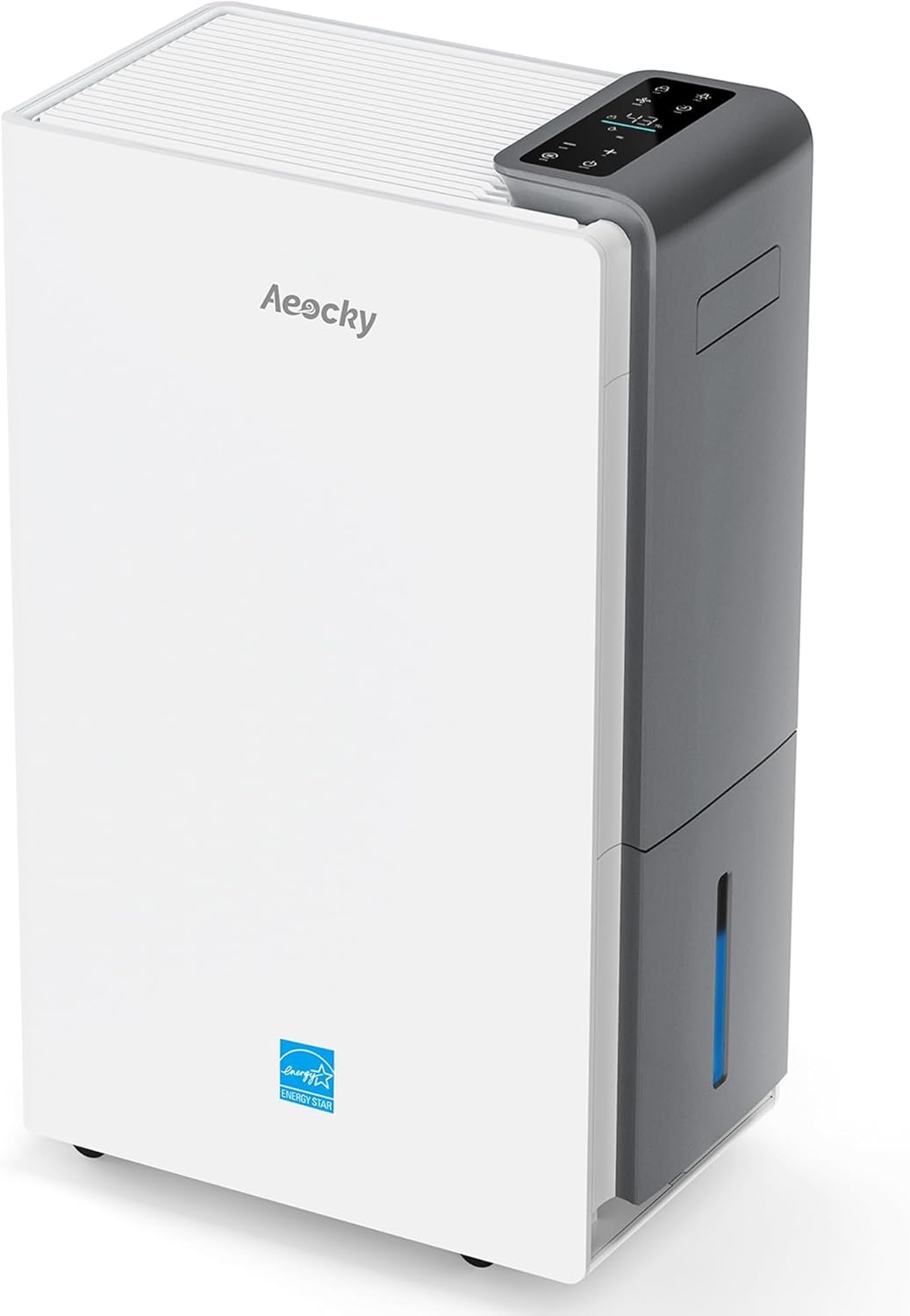


How a dehumidifier works
Breaking Down the Dehumidification Process
Understanding what a dehumidifier does starts with knowing how it works to manage indoor humidity. Dehumidifiers are designed to reduce the level of water vapor in the air, which can help improve air quality and comfort in your home. The process is straightforward but relies on several key components working together.
- Air Intake: The dehumidifier pulls in moist air from the room using a fan.
- Cooling Coils: The air passes over cold coils, usually cooled by a compressor or heat pump. As the air cools, water vapor condenses into liquid water.
- Water Collection: The condensed water drips into a collection tank or is drained away through a hose.
- Dry Air Release: The now drier air is reheated slightly and released back into the room, lowering the overall humidity level.
Most house dehumidifiers use a refrigeration cycle similar to an air conditioner or HVAC system. Some models use desiccant materials to absorb moisture instead of cooling coils, which can be more energy efficient in certain conditions.
Why Managing Moisture Matters
High humidity can lead to excess moisture in your indoor air, which may encourage the growth of dust mites, mold, and bacteria. This can impact your health and the overall air quality in your home. By maintaining optimal relative humidity levels, dehumidifiers help create a more comfortable and healthier environment.
If you're curious about how water and air interact in other appliances, such as humidifiers, you might find this guide on choosing the right water filter for your humidifier helpful for understanding how to manage water in your indoor air systems.
In the next sections, you'll read about the specific benefits of using dehumidifiers, how to recognize high indoor humidity, and how dehumidifiers compare to air purifiers and air conditioning systems.

- + Efficient energy usage with Energy Star 2025 rating
- + Covers up to 4500 Sq.Ft
- + Removes up to 80 pints of moisture per day
- + Includes a drain hose for easy water removal
- + Features an intelligent humidistat for precise control

Benefits of using a dehumidifier at home
Why controlling indoor humidity matters for your health and comfort
High humidity in your home can do more than just make the air feel sticky. When the level of moisture in the air rises above what’s comfortable, it can impact both your health and your living space. Dehumidifiers work by pulling excess water vapor from the air, helping to maintain a balanced relative humidity. This process is important for several reasons.
- Reduces allergens: Dust mites and mold thrive in high humidity. By lowering indoor humidity levels, dehumidifiers help limit the growth of these common allergens, which can improve air quality and reduce allergy symptoms.
- Protects your home: Excess moisture can damage wood, paint, and even electronics. Over time, high humidity can cause warping, peeling, and corrosion. Using a house dehumidifier helps protect your belongings and the structure of your home.
- Improves comfort: When the air is less humid, your home feels cooler and more comfortable, even at higher temperatures. This can also reduce your reliance on air conditioning, saving energy and lowering utility bills.
- Prevents musty odors: Moisture air and water vapor can lead to unpleasant smells, especially in basements or rooms with poor ventilation. Dehumidifiers help keep these odors at bay by removing excess moisture from the air.
- Supports HVAC efficiency: Lower humidity means your air conditioner or heat pump doesn’t have to work as hard to cool your home. This can extend the life of your HVAC system and improve its overall performance.
For those using humidifiers to add moisture, it’s equally important to manage water quality. If you’re interested in learning more about how to choose the right water filter for your humidifier, read this helpful guide.
Ultimately, a dehumidifier does more than just remove water from the air. It helps create a healthier, more comfortable indoor environment by keeping humidity levels in check and supporting better air quality throughout your home.
Signs you might need a dehumidifier
Common Indicators of Excess Moisture in Your Home
High humidity indoors can lead to a range of issues that affect both your comfort and health. Recognizing the signs that you might need a dehumidifier is essential for maintaining good air quality and protecting your home from moisture-related problems. Here are some clear indicators to watch for:
- Condensation on windows or walls: If you notice water droplets forming on glass or surfaces, it’s a sign that the indoor air contains too much water vapor. This often happens when relative humidity levels are high, especially in rooms like bathrooms or basements.
- Musty odors: Persistent damp or musty smells can indicate excess moisture in the air. These odors are often caused by mold or mildew growth, which thrive in humid environments.
- Mold spots or mildew: Visible mold or mildew on walls, ceilings, or around windows is a strong sign that your home’s humidity level is too high. Mold can impact your health and damage your property.
- Warped wood or peeling paint: High humidity can cause wood to swell and paint to peel or bubble. This is especially common in areas with poor ventilation.
- Increased allergy symptoms: Dust mites and mold spores flourish in moist air, which can worsen allergies or respiratory issues. If you notice more sneezing, coughing, or itchy eyes indoors, humidity could be the culprit.
- Frequent use of air conditioning or hvac systems: If your air conditioner or heat pump is running constantly but the air still feels damp, a dehumidifier can help lighten the load and improve comfort.
Addressing these signs early can help prevent bigger problems down the road. A house dehumidifier works by pulling moisture air over coils, where water vapor condenses and collects in a tank or drains away. This process lowers the humidity level, making your indoor air more comfortable and healthier.
When considering solutions, it’s also important to think about energy efficiency and the right equipment for your space. If you’re interested in optimizing your air quality further, choosing the right heat pump filter can make a significant difference in reducing airborne particles and maintaining a balanced indoor environment.
Dehumidifier versus air purifier: what’s the difference?
Key Differences Between Dehumidifiers and Air Purifiers
When it comes to improving indoor air quality, both dehumidifiers and air purifiers play important roles, but they tackle different problems. Understanding what each device does can help you decide which is best for your needs.- Dehumidifiers: These devices work by pulling moisture from the air, reducing high humidity levels. They use coils and a compressor to condense water vapor into liquid water, which is then collected in a tank or drained away. Lowering indoor humidity helps prevent excess moisture, which can lead to mold, dust mites, and musty odors. Dehumidifiers are especially useful in rooms with high humidity, like basements or bathrooms.
- Air Purifiers: Air purifiers focus on removing airborne particles such as dust, pollen, pet dander, and sometimes even bacteria or viruses. They use filters—like HEPA or activated carbon—to trap contaminants, but they do not affect humidity levels. Air purifiers are ideal for people with allergies or those wanting to reduce indoor air pollutants.
Which Device Should You Choose?
The choice between a dehumidifier and an air purifier depends on what issues you are facing in your indoor environment:- If you notice condensation on windows, musty smells, or signs of mold, a dehumidifier can help by lowering the relative humidity and removing excess moisture from the air.
- If your main concern is dust, allergens, or improving overall air quality, an air purifier is the better option.
- In some cases, using both devices together provides the best results, especially in areas with high humidity and poor air quality.
How They Impact Health and Comfort
High humidity can make your home feel stuffy and uncomfortable, and it encourages the growth of dust mites and mold. By reducing moisture air, dehumidifiers help create a healthier indoor environment. On the other hand, air purifiers target airborne particles that can trigger allergies or asthma. Both devices can work alongside your HVAC system or air conditioning to maintain a comfortable and healthy space.Energy Use and Maintenance
Dehumidifiers and air purifiers both require regular maintenance for optimal performance. Dehumidifiers need their water tanks emptied and coils cleaned, while air purifiers need filter changes. Energy consumption varies—dehumidifiers with a compressor or heat pump may use more energy, especially in large rooms or during periods of high humidity. Understanding what does dehumidifier help with versus what an air purifier does makes it easier to choose the right solution for your home’s needs.Choosing the right dehumidifier for your space
Assessing Your Space and Humidity Needs
Before you invest in a house dehumidifier, it’s important to understand what your indoor air needs. The right dehumidifier depends on the size of your room, the level of humidity, and the amount of excess moisture present. High humidity levels can lead to issues like dust mites, mold, and poor air quality. Start by measuring the square footage of the space and checking the relative humidity with a hygrometer. Most experts recommend keeping indoor humidity between 30% and 50% for comfort and health.
Types of Dehumidifiers and How They Work
There are two main types of dehumidifiers: refrigerant (compressor-based) and desiccant. Refrigerant models use coils and a compressor, similar to an air conditioner or heat pump, to cool air and condense water vapor into liquid water. Desiccant dehumidifiers use a drying material to absorb moisture air. For high humidity areas or larger rooms, compressor dehumidifiers are often more effective, while desiccant models can be quieter and work better in cooler spaces.
Capacity and Energy Efficiency
Dehumidifiers are rated by how much water they can remove from the air in 24 hours, usually measured in pints. Choose a capacity that matches your room size and the level of moisture. For example, a small room with moderate humidity might only need a 20-pint unit, while a basement with high humidity could require a 50-pint or larger model. Look for Energy Star certified dehumidifiers to help reduce energy costs and environmental impact.
Features That Make a Difference
- Auto shut-off: Turns the unit off when the water tank is full.
- Continuous drain option: Useful for high moisture areas, so you don’t have to empty the tank often.
- Adjustable humidity controls: Lets you set your preferred humidity level for better indoor air quality.
- Filter indicator: Reminds you when it’s time to clean or replace the air filter, which helps maintain performance and health benefits.
- Portability: Wheels or handles make it easier to move the dehumidifier between rooms.
Placement and Integration with HVAC
Where you place your dehumidifier matters. Put it in the area with the highest humidity or where you notice excess moisture, like basements or laundry rooms. Make sure there’s enough space around the unit for air to flow freely. Some whole-house dehumidifiers can be integrated with your HVAC system for consistent humidity control throughout your home, working alongside your air conditioning to improve indoor air quality.
| Room Size | Recommended Capacity | Typical Use |
|---|---|---|
| Small (up to 300 sq ft) | 20-30 pints | Bedrooms, offices |
| Medium (300-700 sq ft) | 30-50 pints | Living rooms, kitchens |
| Large (700+ sq ft) | 50+ pints | Basements, open areas |
Choosing the right dehumidifier helps manage indoor humidity, protects your health, and improves overall air quality. Consider your space, humidity level, and the features that matter most for your needs.
Maintenance tips for optimal performance
Keeping Your Dehumidifier Running Smoothly
Regular maintenance is key to ensuring your dehumidifier continues to work efficiently and helps maintain healthy indoor air quality. Whether you have a small room unit or a whole-house dehumidifier, a few simple habits can extend its lifespan and improve its performance against high humidity and excess moisture.
- Empty the water tank frequently: Most dehumidifiers collect water from the air in a removable tank. Check and empty this tank daily or as needed, especially in high humidity seasons. Letting water sit can lead to mold or bacteria growth, which impacts air quality.
- Clean the filter regularly: Just like an air conditioner or HVAC system, dehumidifiers have filters that trap dust, dust mites, and other particles. A clogged filter reduces airflow and efficiency. Rinse or replace the filter according to the manufacturer’s instructions—usually every few weeks.
- Wipe down coils and surfaces: The coils inside your dehumidifier are essential for removing moisture air. Dust and debris can build up, so gently clean the coils with a soft brush or cloth. This helps the compressor and heat pump work at their best.
- Check humidity sensors: Many dehumidifiers use sensors to monitor indoor humidity levels. If your unit seems to run constantly or not enough, the sensor might need cleaning or recalibration. Refer to your manual for guidance.
- Inspect hoses and drainage: If your dehumidifier is set up for continuous drainage, make sure hoses are clear and securely attached. Blockages can cause leaks or water backup, affecting both the device and your room.
- Monitor relative humidity: Use a hygrometer to check the humidity level in your space. Aim for a relative humidity between 30% and 50% to help prevent excess moisture, mold, and dust mites, while supporting good health and comfort.
- Schedule seasonal checks: Before periods of high humidity, give your dehumidifier a thorough inspection. Look for signs of wear, unusual noises, or reduced water collection. Early attention can prevent bigger issues and keep your indoor air quality high.
By following these steps, you help your dehumidifier operate efficiently, reduce energy use, and maintain a comfortable, healthy environment. Remember, just as you would with air conditioning or other HVAC equipment, a little routine care goes a long way in managing indoor humidity and protecting your air quality.