

Understanding mold and its impact on indoor air quality
Why mold is a concern for your indoor air
Mold is a common problem in many homes, especially in areas with high humidity or poor ventilation. When mold grows indoors, it releases tiny particles called mold spores into the air. These spores are invisible to the naked eye and can easily be inhaled, affecting the air quality in your living spaces. Poor indoor air quality is linked to a range of health issues, especially for people with allergies, asthma, or weakened immune systems.
How mold spores affect your health and comfort
Breathing in airborne mold spores can trigger allergic reactions, respiratory symptoms, and even more serious health problems over time. Common symptoms include sneezing, coughing, itchy eyes, and throat irritation. In some cases, prolonged exposure to mold can worsen asthma or lead to chronic respiratory conditions. This makes it essential to address mold problems promptly and maintain a high level of air quality at home.
Where mold thrives and how it spreads
Mold tends to grow in damp, dark places such as bathrooms, basements, and around leaky windows or pipes. Once established, it can spread quickly, releasing more spores into the indoor air. Everyday activities like cleaning, moving furniture, or even adjusting the fan speed on your HVAC system can disturb mold colonies and send spores airborne, making them harder to control without the right tools.
Why air purifiers matter in mold control
While cleaning and moisture control are key, many people turn to air purifiers to help manage mold spores in their homes. The right air purifier can capture and reduce airborne mold, improving air quality and helping to protect your health. However, not all purifiers are equally effective, and it’s important to understand how different filters and features work against mold. For more on creating a healthier home environment, you might also want to learn about adjusting your humidifier settings for winter comfort, as humidity control plays a big role in mold prevention.
How air purifiers work to address mold spores
Capturing Mold Spores: The Science Behind Air Purifiers
Air purifiers are designed to improve indoor air quality by removing airborne particles, including mold spores. Mold spores are tiny, often invisible to the naked eye, and can easily become suspended in the air. When inhaled, these spores may affect health, especially for those with allergies or respiratory issues. Understanding how air purifiers work to address this challenge is key to choosing the best solution for your home. Most air purifiers use a combination of filters and airflow technology to trap and reduce mold spores. Here’s a closer look at how this process works:- Pre-filter: This is the first line of defense, capturing larger particles like dust and pet hair before air moves to finer filters. A good pre-filter helps extend the life of the main filter and maintains a steady air delivery rate.
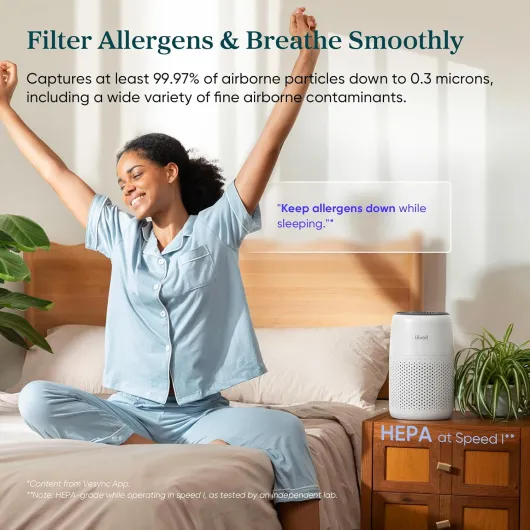
- True HEPA filter: High-Efficiency Particulate Air (HEPA) filters are considered the gold standard for trapping airborne mold spores. A true HEPA filter can capture at least 99.97% of particles as small as 0.3 microns, which includes most mold spores. Models like the Levoit Core series on Amazon are often equipped with true HEPA filters for this reason.
- Activated carbon filter: While not directly targeting mold spores, activated carbon filters help reduce odors and some volatile organic compounds (VOCs) that can be associated with mold growth.
Types of air purifiers and their effectiveness against mold
Comparing Air Purifier Technologies for Mold Removal
When it comes to tackling airborne mold spores and improving indoor air quality, not all air purifiers are created equal. The effectiveness of a purifier depends on the type of filter, the clean air delivery rate (CADR), and additional features that support mold control. Here’s a breakdown of the main types of air purifiers and how they perform against mold:
- HEPA Filter Air Purifiers: True HEPA filters are widely recognized as the best option for capturing mold spores. These filters can trap particles as small as 0.3 microns with a 99.97% efficiency, which covers most airborne mold. Models like the Levoit Core series on Amazon are popular for their high-quality HEPA filtration, low noise level, and auto mode that adjusts fan speed based on air quality.
- Activated Carbon Filters: While not as effective at trapping mold spores directly, activated carbon filters help remove odors and some volatile organic compounds (VOCs) that may be released by mold. Many air purifiers combine HEPA and activated carbon filters for comprehensive air cleaning.
- UV-C Light Purifiers: Some purifiers use ultraviolet light to destroy mold spores at the DNA level. However, the effectiveness of UV-C depends on exposure time and intensity, and it’s best used as a supplement to HEPA filtration rather than a standalone solution.
- Ionizers and Ozone Generators: These devices claim to neutralize airborne particles, but they can produce ozone, which may negatively impact health and indoor air quality. Most experts recommend avoiding ozone generators, especially in homes with mold concerns.
| Purifier Type | Effectiveness Against Mold | Key Features |
|---|---|---|
| True HEPA Filter | Excellent for capturing mold spores | High CADR, multiple fan speeds, auto mode |
| Activated Carbon | Reduces odors, limited spore capture | Odor removal, filter activated with HEPA |
| UV-C Light | Destroys spores, but variable results | Supplemental to HEPA, requires proper testing |
| Ionizer/Ozone | Not recommended for mold | Potential health risks, avoid for indoor air |
When choosing an air purifier for mold, look for a high CADR (measured in CFM) to ensure efficient air delivery and filtration. Models with a pre-filter can help capture larger particles, extending the life of the main HEPA filter. The Levoit Core series, for example, offers a balance of performance, quiet operation, and smart features like auto mode for real-time air quality adjustments.
Regular filter replacement is crucial for maintaining the best air quality and ensuring your purifier continues to remove mold spores effectively. For detailed guidance on filter care, see this resource on how to handle air purifier filter replacement for better air quality.
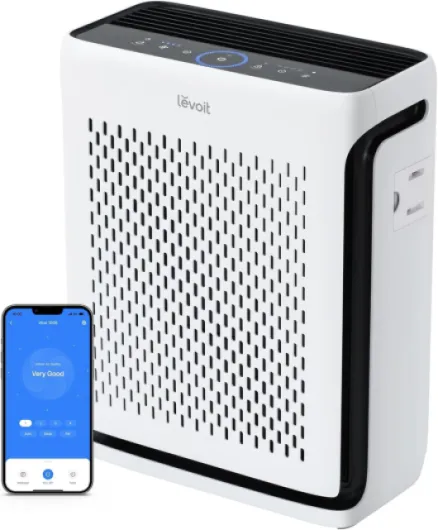
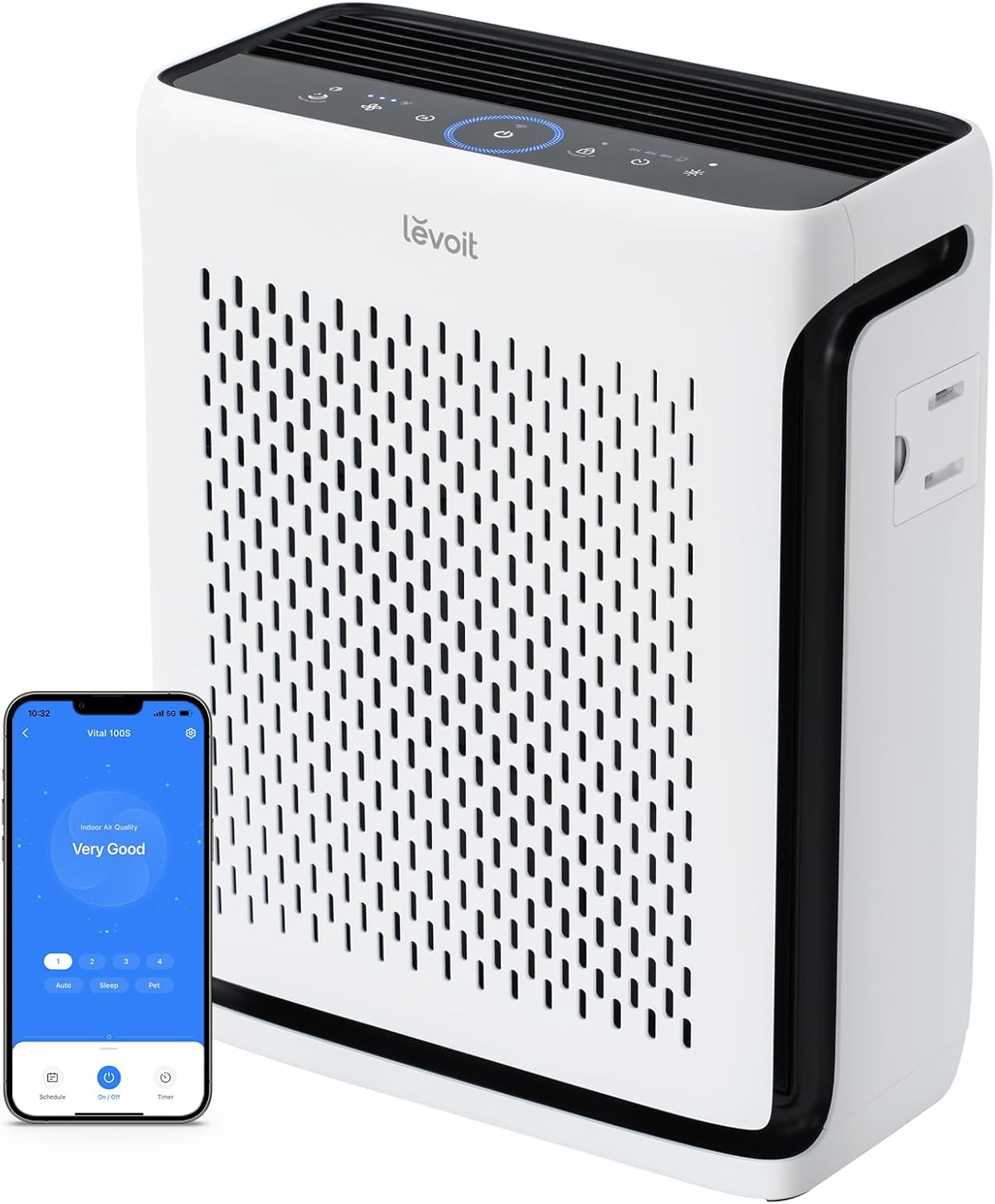
- + Large Coverage: Suitable for rooms up to 1073Ft²
- + Air Quality Monitor: Provides real-time air quality feedback
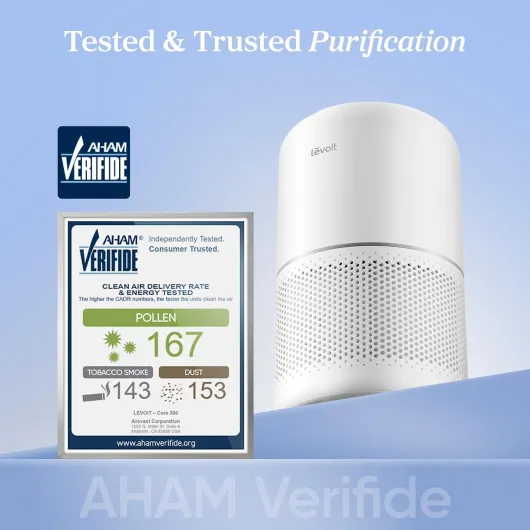
- + AHAM Verified: Ensures efficient air cleaning performance
- + Smart WiFi: Can be controlled remotely via smartphone
- + Washable Pre-Filter: Cost-effective and eco-friendly

Key features to look for in an air purifier for mold
Essential Features for Tackling Mold with Air Purifiers
When choosing an air purifier to help control mold in your home, it’s important to focus on features that directly impact air quality and the removal of mold spores. Not all purifiers are equally effective, so understanding what to look for can make a real difference for your health and comfort.
- True HEPA Filter: Mold spores are tiny, often between 1 and 30 microns. A true HEPA filter captures at least 99.97% of airborne particles as small as 0.3 microns, making it one of the best options for trapping mold spores. Models like the Levoit Core series on Amazon are popular for this reason.
- Pre-Filter: A pre-filter catches larger particles like dust and pet hair, protecting the main HEPA filter and improving overall efficiency. This helps maintain a high level of air delivery and prolongs filter life.
- Activated Carbon Filter: While not directly trapping mold spores, an activated carbon filter absorbs odors and some volatile organic compounds (VOCs) that mold can produce, improving indoor air quality.
- Clean Air Delivery Rate (CADR): CADR measures how quickly an air purifier can clean the air of specific pollutants, including mold. Look for a high CADR CFM (cubic feet per minute) rating for mold to ensure the purifier can handle the size of your room efficiently.
- Auto Mode and Air Quality Sensors: Purifiers with auto mode and built-in air quality sensors can automatically adjust fan speed based on the detected level of airborne mold and other pollutants. This ensures optimal performance without constant manual adjustments.
- Noise Level: Since air purifiers often run for long periods, check the noise level at different fan speeds. Quieter models are more suitable for bedrooms or living spaces.
- Filter Replacement Indicator: Mold spores can clog filters over time. A filter replacement indicator helps you maintain the purifier’s effectiveness and ensures you’re always breathing cleaner air.
| Feature | Why It Matters for Mold |
|---|---|
| True HEPA Filter | Captures mold spores and fine particles |
| Pre-Filter | Protects main filter, traps larger debris |
| Activated Carbon | Reduces mold-related odors and VOCs |
| High CADR | Faster air cleaning, better for larger rooms |
| Auto Mode | Adjusts performance based on air quality |
| Noise Level | Ensures comfort during continuous use |
| Filter Indicator | Promotes timely filter changes for best results |
When testing air purifiers for mold, pay attention to how well they maintain air quality over time and how easy it is to change filters. The best air purifiers for mold combine a true HEPA filter, activated carbon, and smart features like auto mode and air quality sensors. Always match the purifier’s CADR to your room size for optimal results. Remember, while a quality air purifier can reduce airborne mold spores, it’s just one part of a comprehensive mold management plan.
Limitations of air purifiers in mold control
Why air purifiers alone are not a complete solution
While air purifiers with true HEPA filters and activated carbon can capture airborne mold spores and improve indoor air quality, they have their limits. Even the best air purifiers, such as the Levoit Core series, can only filter what is suspended in the air. Mold often grows on surfaces, behind walls, or in damp areas where purifiers cannot reach. This means that while a purifier can reduce the number of spores floating around, it cannot remove the source of the mold or prevent new spores from forming if moisture problems persist.
Performance factors that affect mold removal
- Clean Air Delivery Rate (CADR): The CADR CFM rating tells you how quickly a purifier can clean air in a room. However, if the room is too large for the purifier’s capacity, or if the air is not circulating well, spores may remain.
- Filter maintenance: Filters, especially pre filters and HEPA filters, need regular replacement. A clogged filter loses effectiveness, letting more mold spores pass through.
- Noise level and fan speed: Running a purifier on low or auto mode may be quieter, but it might not capture as many spores as running it at a higher fan speed. However, high speed can increase noise level, which may not be suitable for bedrooms or quiet spaces.
- Placement and coverage: The purifier must be placed in the right location and sized for the room. Poor placement or using a purifier with a low air delivery rate in a large space reduces its effectiveness.
Health and environmental considerations
Air purifiers can help reduce the health risks associated with airborne mold, but they do not address the underlying moisture issues that allow mold to thrive. Relying only on purifiers may give a false sense of security. For the best results, combine a quality air purifier with mold prevention strategies, such as controlling humidity and fixing leaks. Regular testing of air quality and visible inspection for mold growth are also important steps.
Additional steps to manage mold in your home
Practical Steps Beyond Air Purifiers
While air purifiers, especially those equipped with a true HEPA filter and activated carbon, can help reduce airborne mold spores and improve indoor air quality, they are not a complete solution for mold problems. Even the best air purifiers with high CADR (Clean Air Delivery Rate) and advanced filters, such as the Levoit Core series, have limitations when it comes to removing mold that is actively growing on surfaces. To truly protect your health and maintain air quality, it’s important to combine air purifier use with other mold management strategies.
- Identify and Fix Moisture Sources: Mold thrives in damp environments. Check for leaks, condensation, or areas with high humidity. Repair plumbing issues and ensure proper ventilation in bathrooms, kitchens, and basements.
- Control Humidity Levels: Keep indoor humidity below 50% to limit mold growth. Use a dehumidifier if needed, and monitor humidity with a reliable meter. This step works hand-in-hand with air purifiers to maintain a healthy environment.
- Clean and Remove Mold: Visible mold on walls, ceilings, or furniture should be cleaned promptly with appropriate cleaning agents. Wear protective gear to avoid inhaling spores during cleaning.
- Regular Maintenance: Replace air purifier filters as recommended by the manufacturer. A clogged pre filter or HEPA filter can reduce the purifier’s effectiveness and impact the clean air delivery rate (CADR CFM). Don’t forget to clean or replace activated carbon filters as well.
- Improve Air Circulation: Use fans and open windows when weather allows to increase air movement. This helps reduce moisture buildup and supports your air purifier’s performance, especially when using auto mode or adjusting fan speed for optimal air delivery.
- Monitor Air Quality: Consider using an air quality monitor to track changes in your indoor air. This can help you assess the effectiveness of your air purifier and other mold control measures.
Combining these steps with a high-quality air purifier, such as those available on Amazon with strong user reviews for noise level and filter performance, will give you the best chance at maintaining a mold-free, healthy home. Remember, purifiers are a valuable tool, but addressing the root causes of mold is essential for lasting results.