
Understanding how ozone machines work in cars
How Ozone Machines Neutralize Odors in Vehicles
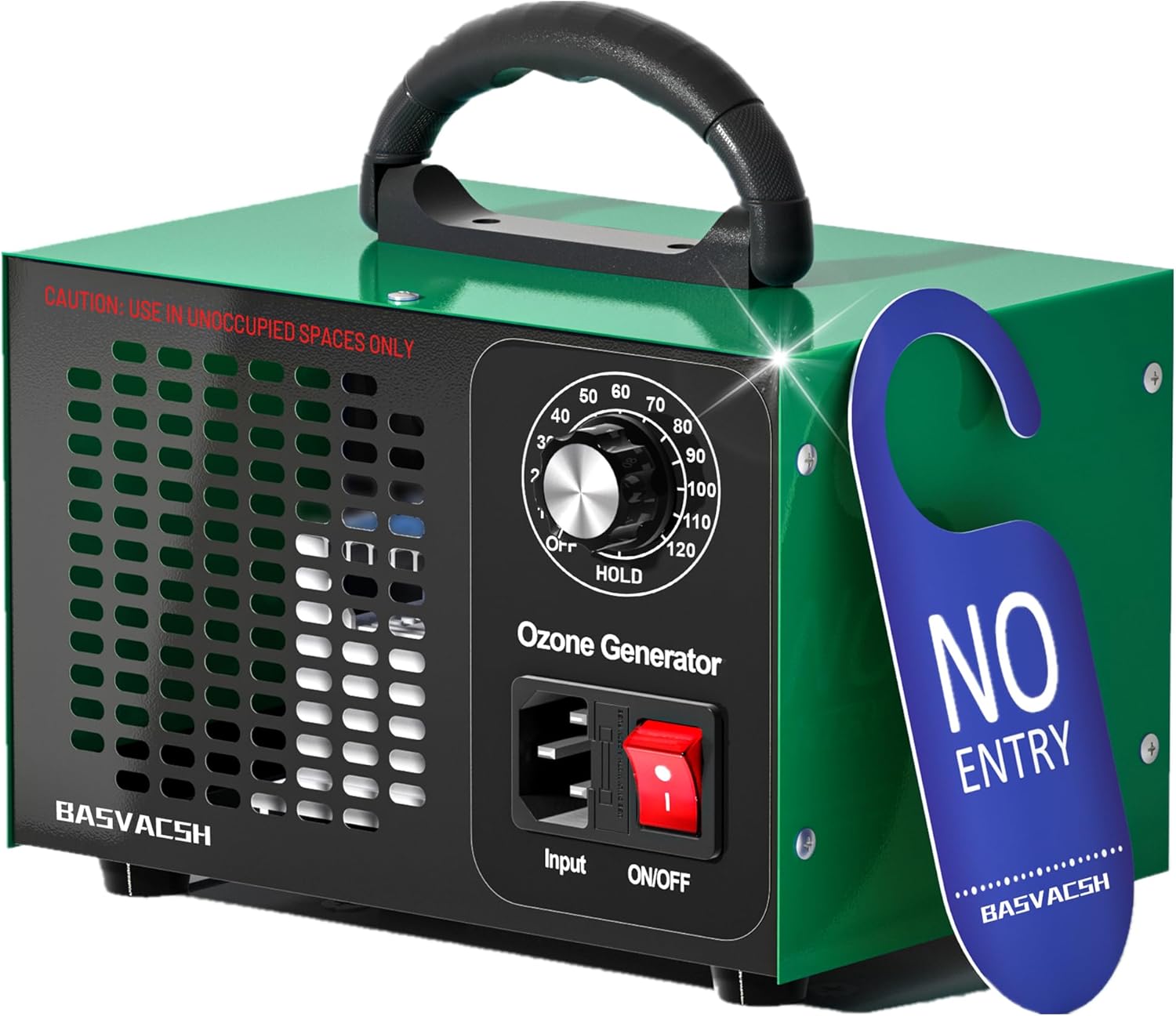
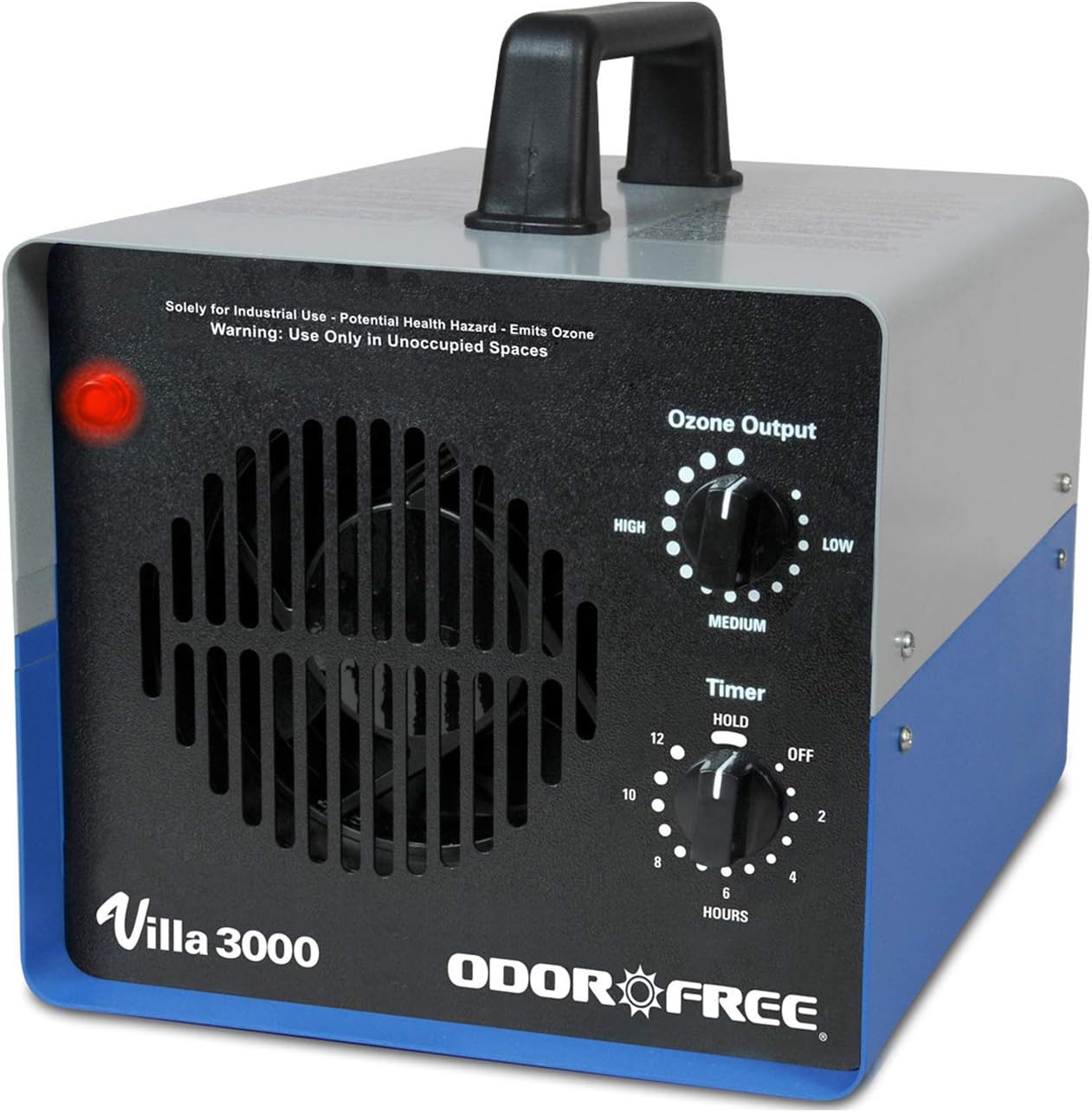
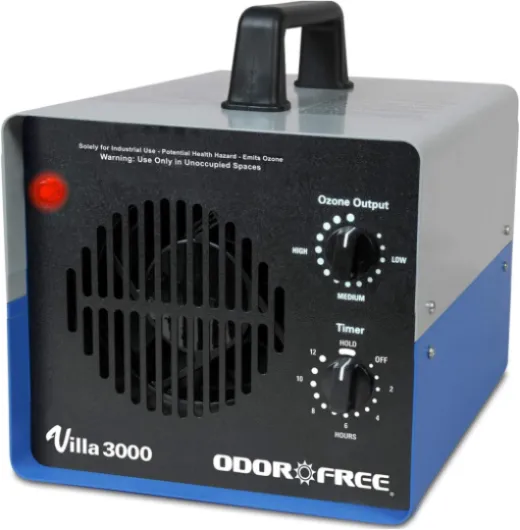
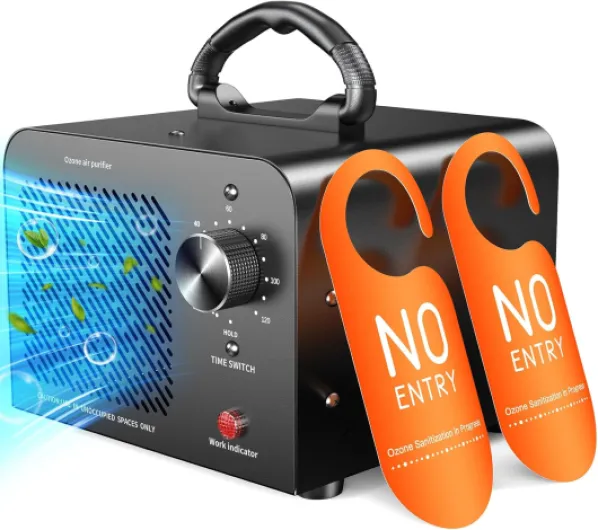
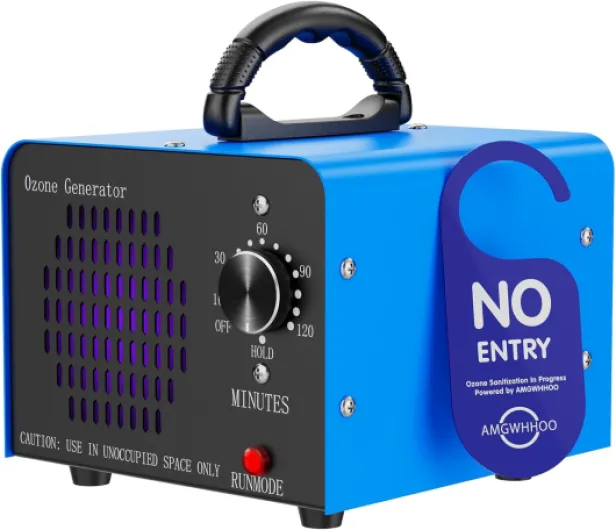
Ozone machines, also known as ozone generators or car ozone units, are designed to tackle stubborn odors in cars, trucks, and RVs. These devices work by producing ozone (O3), a reactive gas that interacts with odor molecules, bacteria, and even some viruses. When ozone comes into contact with these contaminants, it breaks them down at a molecular level, effectively neutralizing the source of the smell rather than just masking it like traditional air fresheners.
What Happens Inside Your Car
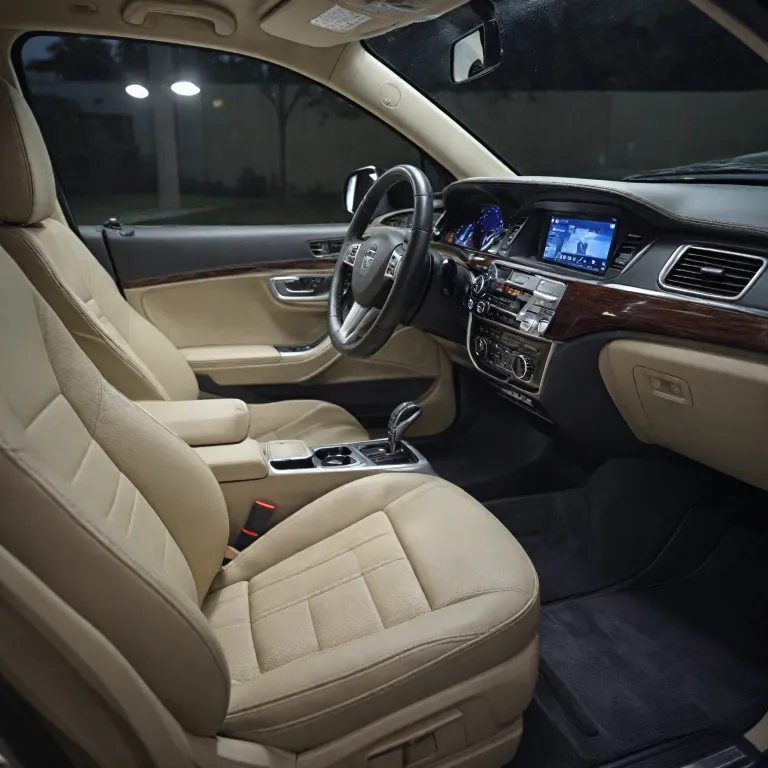
When you use an ozone generator in your vehicle, the unit releases ozone into the enclosed space. The gas spreads throughout the car’s interior, reaching areas that are often hard to clean manually, such as air vents, upholstery seams, and under seats. This makes ozone machines especially popular for removing persistent odors from smoke, mold, mildew, and even pet smells. Many users report that ozone generators work great for eliminating car odor after spills or water damage, and they are often used by professional detailers and car dealerships.
Comparing Ozone Machines to Other Air Purifiers
Unlike air purifiers that use filters to trap particles, ozone machines use a chemical process to oxidize and break down odor-causing substances. This means they can be more effective for certain types of odors, especially those that have penetrated deep into fabrics or ventilation systems. However, it’s important to consider the price, product reviews, and the specific needs of your vehicle before choosing an ozone generator. Some popular models include the Ozonics Micro and other pro units designed for cars, trucks, and RVs.
Choosing the Right Ozone Generator for Your Car
There are many ozone generators available on the market, from compact micro ozone units to larger, more powerful generators. When selecting a product, it’s a good idea to read reviews on platforms like Amazon and compare features, such as timer settings, coverage area, and ease of use. Some units are as simple as plugging them into your car’s power outlet, while others may require more setup. For a broader look at air purification options and how to select the right product for your needs, you can check out this guide on choosing the right air freshener for your home.

Common reasons to use an ozone machine for car
Why People Turn to Ozone Machines for Car Odor Removal
Ozone generators are a popular solution for tackling stubborn odors in cars, trucks, and RVs. Many drivers notice that regular air fresheners or sprays only mask smells, while ozone machines work at a deeper level. Here are some of the most common reasons people use an ozone machine in their vehicle:
- Persistent Smoke Odor: Cigarette or cigar smoke can linger in upholstery and air vents. Ozone generators break down smoke odor molecules, making them a go-to for used car dealers and detailers.
- Mold and Mildew: Damp conditions can lead to mold or mildew growth, especially in older vehicles or after water leaks. Ozone treatment helps neutralize these odors and may reduce the presence of bacteria and viruses.
- Pet Smells: Transporting pets often leaves behind hair, dander, and odors. An ozone machine can help eliminate these smells more effectively than standard air fresheners.
- Food and Spills: Spilled drinks or forgotten food can cause lingering odors. Ozone generators target the source, not just the air, for a more thorough odor removal.
- General Stale Air: Vehicles that sit unused for long periods, like RVs or trucks, can develop a musty smell. Ozone units refresh the air inside, making it more pleasant to drive.
Many users read reviews on sites like Amazon before choosing a product, comparing price, effectiveness, and ease of use. Some models, like the Ozonics Micro or Detail King Pro, are designed for cars and trucks, while others are larger units for commercial use. Simply plug the generator into your vehicle’s power source, and let it work its magic.
It’s important to note that while ozone generators work great for odor removal, they are not a replacement for regular cleaning or air purifiers. They are best used as an odor eliminator for tough smells that don’t respond to other products. For a broader understanding of how air quality devices like dehumidifiers can help your vehicle, read this guide on dehumidifiers and air quality.
Step-by-step guide to using an ozone machine in your car
Preparing Your Vehicle for Ozone Treatment
Before using an ozone generator in your car, remove all personal items and trash. Vacuum the seats, carpets, and floor mats to get rid of loose dirt and debris. If possible, clean any visible stains or spills that could be causing persistent odors. This helps the ozone machine work more efficiently, as it targets the remaining odor molecules rather than surface dirt.Setting Up the Ozone Generator
Choose a reliable ozone generator or ozone machine designed for vehicles, such as the ozonics micro or a pro unit. Make sure to read reviews and check the product specifications to ensure it fits your car, truck, or RV. Place the generator on a flat surface inside the vehicle, usually on the center console or floor. If your model comes with a power cord, simply plug it into the car’s 12V outlet or use an extension cord if needed. Close all windows and doors, leaving a small gap in one window for the power cord if required.Running the Ozone Machine
Set the timer on the ozone generator according to the manufacturer’s instructions. For most cars, 15 to 30 minutes is enough for light odors, while stronger smells like smoke odor or mold mildew may require up to an hour. Avoid staying inside the vehicle during this process, as ozone can be harmful to breathe. The ozone will circulate through the air, breaking down odor molecules and neutralizing bacteria viruses that cause unpleasant smells.After Treatment: Ventilating and Finishing Up
Once the cycle is complete, turn off the ozone machine and unplug it. Open all doors and windows to let fresh air in and allow any remaining ozone to dissipate. Ventilating the car for at least 30 minutes is recommended. This step is crucial for safety and ensures that the air inside your vehicle is fresh and free from lingering ozone. If you’re interested in maintaining better air quality in your car, you might want to read about air purifier filter replacement for ongoing odor removal.- Remove all personal items and clean the interior before starting.
- Choose a suitable ozone generator and set it up inside the vehicle.
- Run the unit for the recommended time, depending on the severity of the odor.
- Ventilate thoroughly after treatment before using your car again.
Ozone generators, such as those found on Amazon or from brands like Detail King, work great for eliminating stubborn car odor, but always follow safety guidelines and manufacturer instructions for best results. While ozone machines are effective odor eliminators, remember that regular cleaning and using air fresheners or air purifiers can help maintain a fresh-smelling vehicle between treatments.
Safety precautions when using ozone machines
Protecting Yourself and Your Vehicle During Ozone Treatment
Ozone generators can be powerful tools for car odor removal, but using them safely is essential. Ozone is a reactive gas that can eliminate smoke odor, bacteria, viruses, and mold mildew, but it can also be harmful if not handled properly. Here are some important safety tips to keep in mind when using an ozone machine or any ozone generator in your car, truck, or RV.
- Never stay inside the vehicle during treatment: Ozone is not safe to breathe. Make sure all people and pets are out of the car before starting the ozone generator.
- Seal the vehicle: Close all windows and doors to keep the ozone contained. This helps the product work more effectively on stubborn odors like smoke or mold.
- Set the timer: Most pro units or micro ozone generators come with a timer. Use it to avoid overexposure. For cars, a typical treatment lasts 30 minutes to 2 hours, depending on the severity of the odor.
- Ventilate thoroughly after use: Once the cycle is complete, open all doors and windows. Let the car air out for at least 30 minutes before entering. This step is crucial to ensure any remaining ozone dissipates.
- Read the manual and reviews: Each ozone machine or odor eliminator may have specific instructions. Always read the product manual and check reviews on sites like Amazon to understand how the unit works and any precautions other users mention.
- Keep away from sensitive materials: Ozone can degrade rubber, leather, and some plastics if overused. Limit treatment time and avoid frequent use to protect your vehicle’s interior.
- Store the generator safely: After use, unplug and store the ozone generator in a dry, safe place, away from children and pets.
While ozone machines, including brands like Ozonics Micro or Detail King, can work great as odor eliminators, they are not air fresheners. They are designed for deep odor removal, not daily air purification. For ongoing air quality, consider an air purifier or air freshener designed for cars trucks and RVs.
Potential risks and limitations of ozone treatment
What to Watch Out for When Using Ozone in Your Vehicle
Ozone generators are popular for tackling tough car odors, but it’s important to understand their risks and limitations. While these machines can be effective for smoke odor, mold, mildew, and bacteria viruses, there are several factors to consider before using an ozone machine or generator in your car, truck, or RV.
- Health Concerns: Ozone is a powerful oxidizer. High concentrations can irritate the lungs, eyes, and throat. Prolonged exposure, even at lower levels, may cause respiratory discomfort. Never stay inside the vehicle while the ozone unit is running.
- Material Damage: Ozone can react with certain materials in your car’s interior. Rubber seals, leather, and some plastics may degrade or discolor after repeated treatments. Always read product reviews and manufacturer guidelines to understand the impact on your specific vehicle.
- Effectiveness Limits: Ozone works great on airborne odors and some surface smells, but it may not fully remove deeply embedded odors in upholstery or carpeting. Persistent car odor from spills or smoke may require additional cleaning methods or professional detailing, such as services from Detail King.
- Residual Smell: After treatment, a temporary ozone smell may linger. Proper ventilation is essential before using your car again. Simply plug in the generator, run it as directed, and allow fresh air to circulate afterward.
- Price and Product Variation: Not all ozone generators or ozonics micro units are created equal. Some products are designed for small cars, while others target larger vehicles like trucks and RVs. Check reviews on platforms like Amazon to compare price, performance, and safety features before purchasing an odor eliminator or air purifier.
Remember, ozone treatment is not a substitute for regular cleaning or using air fresheners. It’s best used as a final step after removing the source of the odor. For those sensitive to chemicals or with respiratory issues, consider alternatives to ozone machines for car air purification.
Alternatives to ozone machines for car air purification
Other Ways to Tackle Car Odors and Air Quality
While ozone machines and ozone generators are popular for car odor removal, they are not the only solutions. Some drivers prefer alternatives that may be safer, easier to use, or more affordable. Here’s a look at other options for improving air quality and removing smells in your vehicle.
- Activated Carbon Air Purifiers: These units use activated carbon filters to trap smoke, mold mildew, and other odors. They work without producing ozone, making them a good choice for those concerned about ozone exposure. Many portable air purifiers are available for cars, trucks, and RVs, and you can simply plug them into your vehicle’s power outlet.
- HEPA Air Purifiers: High-Efficiency Particulate Air (HEPA) filters capture bacteria viruses, dust, and allergens. While they do not neutralize odors as effectively as ozone machines, they help improve overall air quality inside the car.
- Odor Eliminator Sprays and Gels: Products like odor eliminator sprays, gels, or air fresheners are widely available. They mask or absorb odors but may not remove the source. Always read reviews to find a product that works great for your specific needs.
- Deep Cleaning: Sometimes, a thorough cleaning is the best solution. Vacuuming, shampooing carpets, and cleaning upholstery can remove the source of car odor, especially after smoke or spills.
- Detailing Services: Professional detailers, such as those using the Detail King system, offer deep cleaning and specialized odor removal treatments. While the price may be higher than DIY methods, the results can be more thorough.
- UV-C Light Purifiers: Some air purifiers use UV-C light to kill bacteria viruses and mold. These units are less common in vehicles but can be found as portable options.
When choosing an alternative to an ozone generator, consider the type of odor (smoke odor, mold mildew, pet smells), the size of your vehicle (cars, trucks, RVs), and your budget. Reading product reviews on sites like Amazon can help you compare how each product or unit works in real-world situations. Remember, no single solution fits every situation, and sometimes a combination of methods is most effective for lasting odor removal and air purification in your car.