

Understanding air changes per hour
What Does Air Changes Per Hour Mean?
When we talk about air changes per hour (ACH), we're referring to how many times the air in a room or space is replaced with fresh air in one hour. This concept is essential for understanding indoor air quality and how well your air purifier or ventilation system is working. ACH is a practical way to measure the effectiveness of air filtration and air exchange in any indoor environment.
Why Is ACH Important for Indoor Air Quality?
ACH helps you determine if your air purifier or ventilation setup is providing enough clean air to maintain a healthy indoor environment. A higher number of air changes per hour means that airborne particles, allergens, and pollutants are being removed more frequently. This is especially important in rooms where people spend a lot of time, or in areas with poor air quality. If you want to learn more about managing other factors that impact indoor air, like humidity, check out this guide on managing humidity in your winter home.
How Is ACH Calculated?
To calculate ACH, you need to know the volume of your room (in cubic feet) and the rate at which air is being moved or filtered, usually measured in cubic feet per minute (CFM). The formula looks like this:
- ACH = (CFM x 60) / Room Volume (cubic feet)
This calculation tells you how many times the air in your space is exchanged every hour. Understanding this number helps you choose the right air purifier or ventilation system for your needs.
Key Terms to Know
- CFM (Cubic Feet per Minute): The rate at which air moves through your purifier or ventilation system.
- Room Volume: The size of your space, calculated by multiplying length, width, and height (in feet).
- ACH (Air Changes per Hour): The number of times the air in your room is replaced in one hour.
Understanding these basics will help you make informed decisions about air filtration, air exchange, and overall indoor air quality as you explore the rest of this guide.
Why air changes per hour matter for air purifiers
The link between ACH and cleaner indoor air
Air changes per hour (ACH) is a key metric when it comes to understanding how well your air purifier is working. ACH measures how many times the air in a room is replaced with fresh or filtered air within one hour. This number is crucial for anyone looking to improve indoor air quality, especially in spaces where pollutants, allergens, or odors can build up quickly.
Why does the ACH rate matter for air purifiers?
The ACH rate tells you how effective your air filtration system is at circulating and cleaning the air. A higher ACH means the air in your space is being refreshed more often, which helps reduce the concentration of airborne particles. For example, in a room with a low ACH, dust, pollen, and other contaminants can linger, making it harder to maintain good air quality. On the other hand, a higher ACH ensures that the air purifier is working hard enough to keep the air clean and healthy.
- ACH and room size: The number of air changes per hour you need depends on the volume of your room. Larger rooms require purifiers with higher clean air delivery rates (CADR) or more powerful fans to achieve the same ACH as smaller spaces.
- ACH and filter efficiency: Even the best filter can’t improve air quality if the air isn’t circulating through it often enough. That’s why both the filter quality and the ACH rate matter for effective air filtration.
- ACH and specific needs: Spaces like bedrooms, offices, or areas with high foot traffic may require a higher ACH to maintain optimal air quality, especially if there are sources of pollution or allergens present.
How ACH impacts your air purifier choice
When choosing an air purifier, understanding the ACH helps you select a model that matches your room’s volume and your air quality needs. If you want to ensure your indoor air is as clean as possible, look for a purifier that can achieve at least 4 to 5 air changes per hour in your space. This is especially important for people with allergies, asthma, or other respiratory concerns.
For a deeper look at how a specific air purifier can improve your indoor air quality, you might find this guide on how a Whirlpool air purifier can improve your indoor air quality helpful.
How to calculate air changes per hour in your room
Finding the Volume of Your Space
To calculate air changes per hour (ACH) in your room, you first need to know the volume of air in your space. This is a key step for understanding how well your air purifier or ventilation system is working. Start by measuring the room dimensions: length, width, and height. Multiply these numbers to get the total cubic feet.
- Volume (cubic feet) = Length (ft) × Width (ft) × Height (ft)
For example, a room that is 12 feet long, 10 feet wide, and 8 feet high has a volume of 960 cubic feet.
Calculating the Air Change Rate
Next, you’ll need the airflow rate of your air purifier or ventilation system, usually given in cubic feet per minute (CFM). To find out how many air changes happen each hour, use this formula:
- ACH = (CFM × 60) / Room Volume (cubic feet)
Multiply the CFM by 60 to get the total cubic feet of air moved in an hour, then divide by the room’s volume. This gives you the number of times the air in your space is replaced each hour.
Using an ACH Calculator
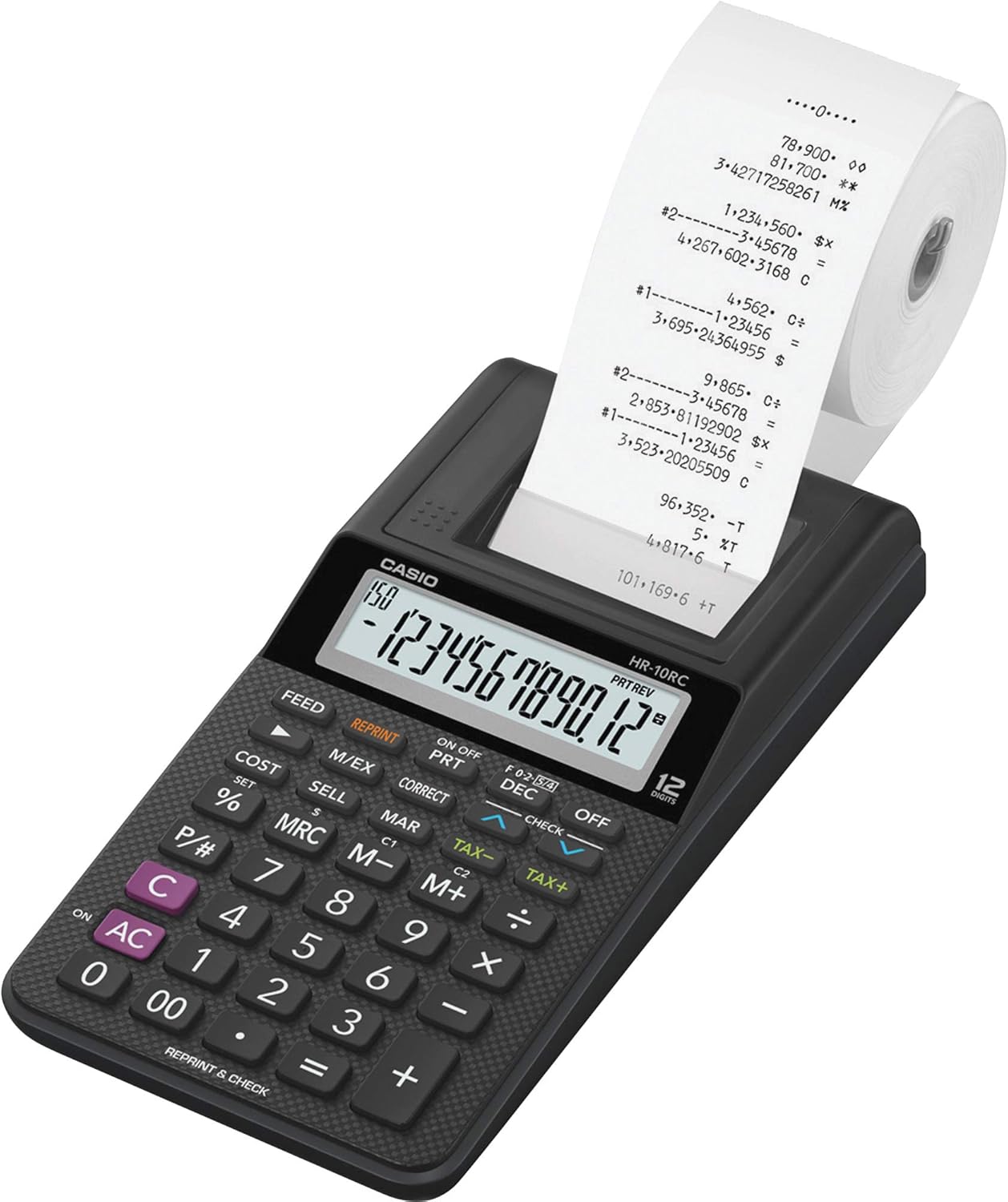
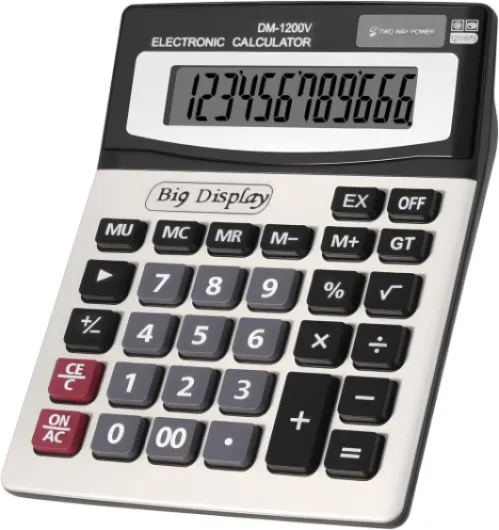
If you want a quick answer, many online ACH calculators can help. Just enter your room dimensions and the CFM of your air purifier or ventilation system. The calculator will show your air changes per hour, making it easier to compare different air purifiers and filtration setups.
Why Accurate Calculation Matters
Knowing your ACH helps you choose the right air purifier and ensures your indoor air quality meets recommended standards. For example, higher ACH rates are important for allergy sufferers or in spaces with poor ventilation. If you want to improve your air filtration, make sure your air purifier’s CFM matches your room’s volume and your desired ACH.
For more details on keeping your air filtration system effective, check out these simple steps to install your furnace filter for cleaner air.
Factors that influence air changes per hour
Key Elements That Affect Your Room's Air Change Rate
When you calculate ACH (air changes per hour) for your space, several factors can influence the final number. Understanding these elements helps you make better decisions about your air purifier and overall indoor air quality.
- Room Volume: The size of your room, measured in cubic feet, is crucial. Larger rooms require more air movement to achieve the same ACH as smaller spaces. Always use accurate room dimensions when you calculate air changes.
- Ventilation Rate: Natural and mechanical ventilation—like open windows or HVAC systems—add fresh air and impact the air exchange rate. If your space has high ventilation, you may need a lower ACH from your air purifier.
- Air Purifier Capacity (CFM): The clean air delivery rate (CADR) or cubic feet per minute (CFM) rating of your air purifier tells you how much air it can filter. Higher CFM means more air filtration and a higher potential ACH.
- Filter Efficiency: The type and quality of the filter in your air purifier matter. HEPA filters, for example, capture more particles and improve air quality, but airflow resistance can reduce the effective CFM.
- Obstructions and Layout: Furniture, walls, and other obstacles can disrupt airflow, reducing the effective air changes per hour. An open layout allows better air circulation and filtration.
- Number of Occupants: More people in a room increase the need for clean air. Higher occupancy may require a higher ACH to maintain good indoor air quality.
- Pollution Sources: Activities like cooking, smoking, or using chemicals can introduce more pollutants, requiring a higher air change rate to maintain clean air.
How These Factors Work Together
To achieve the desired ACH air change rate, you need to balance these factors. For example, a small, well-ventilated room with a high-quality air purifier may reach the target ACH quickly. In contrast, a large space with poor ventilation and many occupants will need a more powerful purifier or additional filtration units.
When you use an ACH calculator, always input accurate room dimensions and consider the CFM of your air purifier. Adjust for real-world conditions—like closed doors or extra furniture—to get a realistic estimate of your air changes per hour. This approach ensures your indoor air stays fresh and healthy.
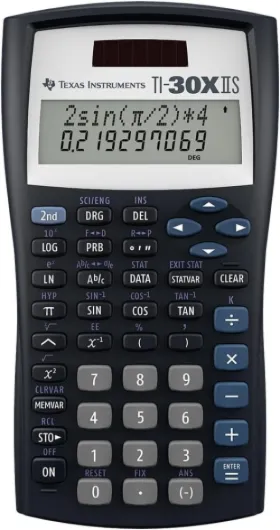
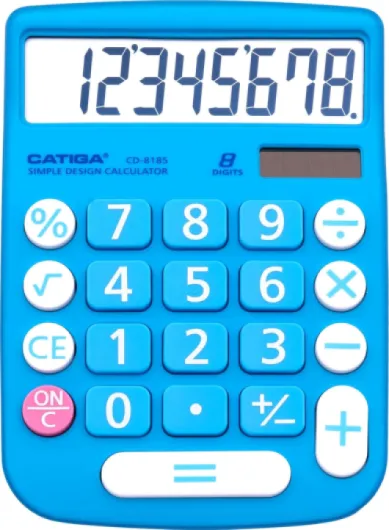
- + Dual power (battery and solar)
- + Easy to use
- + Multi-line display
- + Durable design
- + Affordable

Choosing the right air purifier based on ACH
Matching Air Purifier Capacity to Your Room’s Needs
Once you know the air changes per hour (ACH) your space requires, choosing the right air purifier becomes much easier. The goal is to ensure your device can deliver enough clean air to meet your target ACH, based on your room’s volume and air quality needs.
Key Steps to Select the Right Air Purifier
- Calculate your room’s volume: Measure the length, width, and height of your space in feet. Multiply these numbers to get the cubic feet (ft³) of your room. For example, a room that’s 12 feet by 15 feet with an 8-foot ceiling has a volume of 1,440 cubic feet.
- Decide on your target ACH: For better indoor air quality, experts often recommend 4 to 6 air changes per hour for living spaces, and higher for areas with more pollution or allergens.
- Determine the required CFM (cubic feet per minute): Use this formula:
CFM = (Room Volume × Desired ACH) ÷ 60. This tells you the airflow rate your air purifier needs to achieve the right number of air changes each hour. - Check the air purifier’s specifications: Look for the Clean Air Delivery Rate (CADR) or the maximum CFM listed by the manufacturer. Make sure it matches or exceeds your calculated requirement.
Other Considerations for Effective Air Filtration
- Filter type and quality: HEPA filters are highly effective for removing fine particles, while activated carbon filters help with odors and gases. The filter’s efficiency impacts overall air quality.
- Ventilation and air exchange: If your room already has good ventilation or mechanical air exchange, you may not need as high an ACH from your purifier. However, in sealed spaces, a higher ACH is often necessary.
- Room layout and obstacles: Large furniture or odd room shapes can affect air flow and filtration efficiency. Place your air purifier where it can circulate air freely.
Quick Reference Table: Matching Room Size and ACH to Purifier CFM
| Room Size (ft³) | Target ACH | Required CFM |
|---|---|---|
| 1,000 | 5 | 83 |
| 1,500 | 5 | 125 |
| 2,000 | 6 | 200 |
By using an ACH calculator and understanding your room’s volume, you can confidently select an air purifier that meets your indoor air quality goals. Remember, the right match ensures effective air filtration and a healthier living space.
Common questions about air changes per hour calculators
What does ACH mean in practical terms?
ACH stands for air changes per hour. It tells you how many times the air in a room is replaced with fresh or filtered air in one hour. For example, an ACH of 5 means the entire volume of air in your space is exchanged five times every hour. This number helps you understand how effective your air purifier or ventilation system is at improving indoor air quality.How do I calculate ACH for my room?
To calculate ACH, you need to know the volume of your room (in cubic feet) and the clean air delivery rate (CADR) or airflow rate of your air purifier (in cubic feet per minute, or CFM). The formula is:- Room volume (cubic feet) = length × width × height
- ACH = (CFM × 60) / room volume
Is a higher ACH always better?
A higher ACH means more frequent air exchange, which usually leads to better air filtration and cleaner indoor air. However, extremely high rates can be unnecessary for most homes and may lead to noise or drafts. For general indoor air quality, 4 to 6 air changes per hour is often recommended, but sensitive environments like hospitals may require more.What affects the ACH in my space?
Several factors can influence the actual air changes per hour:- Room dimensions and layout
- Obstructions like furniture
- Ventilation system design
- Air purifier placement and filter type
- Open doors or windows introducing fresh air