
Understanding why your AC smells like mildew
Common Reasons Behind That Musty Smell in Your AC
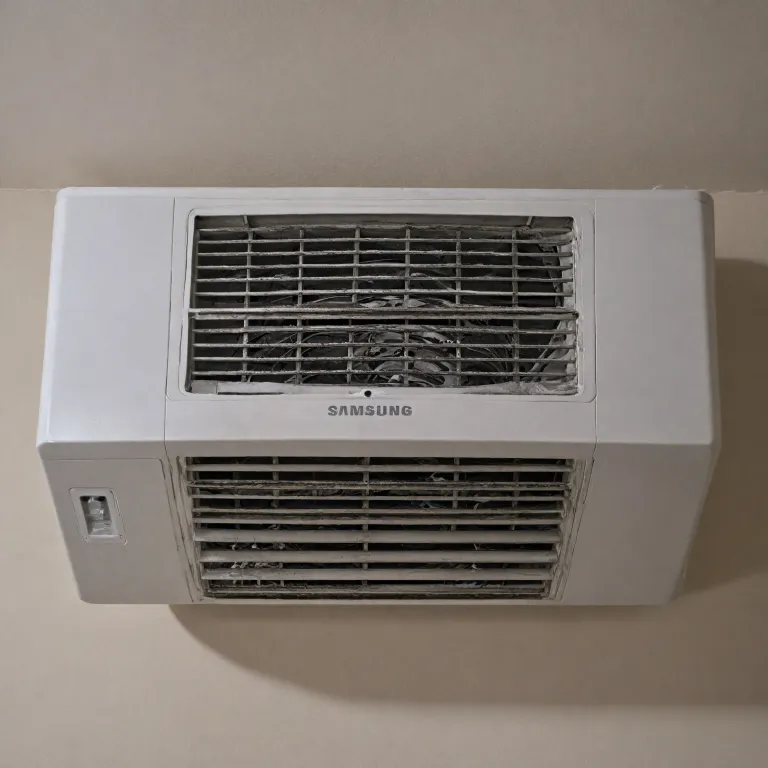
When your air conditioner starts to smell musty, it’s often a sign that something isn’t right inside the system. The most common culprit is mildew growth, which thrives in damp, dark environments—exactly what you’ll find inside many air conditioning units. The combination of moisture, dust, and organic debris creates a breeding ground for mold and mildew, leading to that unmistakable musty odor.
How Moisture and Debris Lead to Mildew Growth
Air conditioners work by cooling air as it passes over cold evaporator coils. During this process, condensation forms and should drain away through the condensate drain. If the drain is clogged or there’s standing water in the unit, moisture can accumulate. This excess water, combined with dust and dirt on the coils or blower wheel, encourages mildew and mold growth. Over time, these contaminants can spread throughout the system, causing the entire house to smell musty when the AC runs.
- Clogged filters: Dirty or neglected filters trap moisture and organic particles, which can support mildew growth and worsen odors.
- Poor maintenance: Skipping regular cleaning and maintenance allows debris to build up on coils, inside ducts, and around the blower wheel.
- Blocked condensate drain: When the drain is blocked, water backs up and creates a perfect environment for mold and mildew.
- Leaky ducts: Gaps or leaks in ductwork can let in humid air, further increasing moisture inside the system.
Why Addressing Mildew Odors Matters
Ignoring musty smells from your air conditioner isn’t just unpleasant—it can impact indoor air quality and even your health. Mold and mildew release spores and volatile organic compounds (VOCs) that circulate through your home’s air. This can trigger allergies, worsen asthma, and create an uncomfortable living environment. Regular maintenance, cleaning filters, and keeping the condensate drain clear are essential steps to prevent these issues.
For those looking to prevent future problems, protecting your outdoor air conditioner with the right cover can help minimize debris and moisture buildup. Learn more about how to protect your outdoor air conditioner with the right cover to reduce the risk of mildew and musty odors.
How mildew affects indoor air quality
How Mildew Impacts the Air You Breathe
When your air conditioner smells musty, it’s often a sign of mildew growth inside the system. This isn’t just an unpleasant odor—it can have a real impact on the air quality in your house. Mildew and mold thrive in damp, dark environments, making the inside of your AC unit, especially around the evaporator coils, blower wheel, and condensate drain, a perfect breeding ground. Standing water or a clogged drain can speed up this process, leading to persistent musty smells every time the air conditioner runs.
- Airborne spores: As the mildew grows, it releases tiny spores into the air. These can circulate throughout your home via the air conditioning system, lowering the quality of the air you breathe.
- Health concerns: Breathing in air contaminated with mold and mildew spores can cause irritation, especially for people with allergies, asthma, or other respiratory issues. Even if you don’t have sensitivities, long-term exposure to musty odors and mold mildew can still be uncomfortable and unhealthy.
- Lingering odors: The musty odor can cling to furniture, carpets, and even clothing, making it hard to achieve clean air in your living spaces.
Regular maintenance, such as cleaning or replacing filters and making sure the condensate drain is clear, is essential to prevent mildew growth. If your air conditioner smells musty, it’s a sign that the system needs attention. Sometimes, a simple cleaning can help, but persistent musty smells may indicate a deeper issue within the unit or ductwork.
To further understand how to improve indoor air quality and tackle these issues, you might want to learn about how an air exchanger can improve your indoor air quality. This can be a helpful addition to your overall strategy for a fresher, healthier home environment.
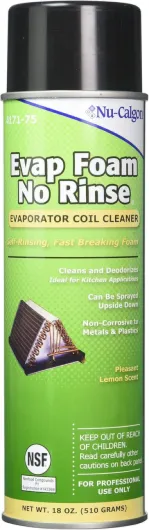
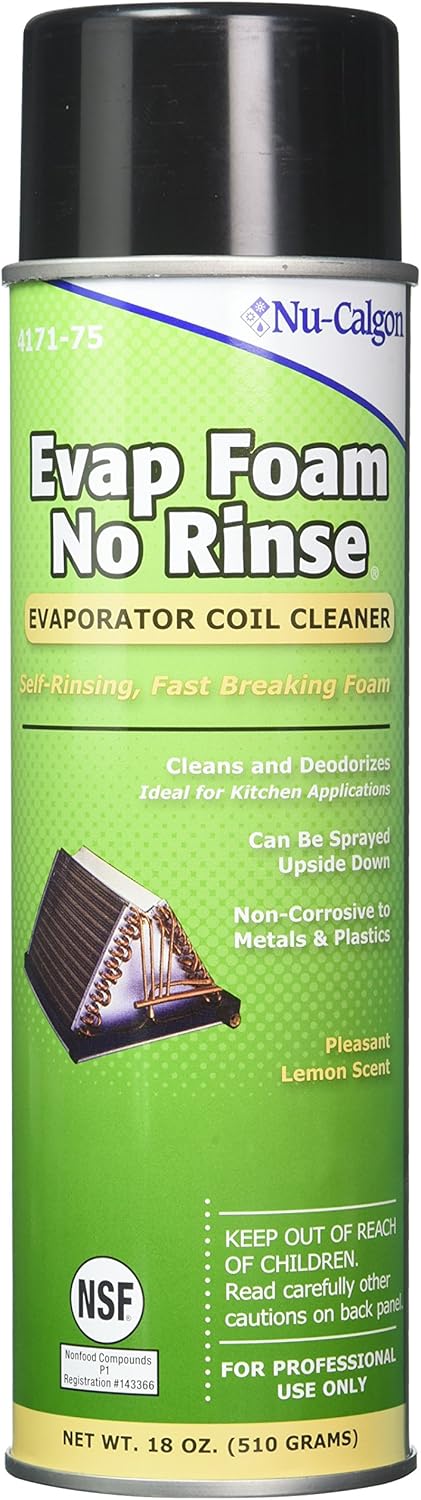
- + Effective cleaning foam
- + Easy to use spray application
- + Removes dirt and debris
- + Convenient size for handling

The role of air purifiers in tackling mildew odors
How Air Purifiers Address Musty Odors from Your AC
When your air conditioner smells musty, it’s often a sign of mold or mildew growth inside the unit or ductwork. This happens when moisture, such as standing water in the condensate drain or on evaporator coils, creates a breeding ground for mold and mildew. As the system circulates air, it can spread these musty odors throughout your house, affecting indoor air quality and comfort.
Air purifiers can help tackle these unpleasant smells and improve the air you breathe. Here’s how they work in relation to mildew and mold issues in air conditioning systems:
- Capturing Mold Spores: High-efficiency particulate air (HEPA) filters in purifiers can trap airborne mold spores before they settle and grow inside your home.
- Reducing Musty Odors: Many air purifiers use activated carbon filters that absorb musty odors, including those caused by mildew growth in your AC system.
- Supporting Regular Maintenance: While air purifiers can’t clean your air conditioner or remove mold from inside the unit, they help maintain cleaner air as you address the root causes through proper maintenance, like cleaning the blower wheel, evaporator coils, and condensate drain.
- Complementing Other Solutions: Air purifiers are most effective when used alongside other steps, such as fixing water leaks, ensuring proper drainage, and scheduling service with an HVAC technician if the smell persists.
It’s important to note that while air purifiers can help reduce musty smells and airborne mold, they don’t replace the need for regular AC maintenance or professional cleaning. If your air conditioner smells musty or you notice persistent mildew odors, using a purifier can be a valuable part of your overall strategy to achieve clean air at home.
For more on how dust and other contaminants can affect your air conditioning system and contribute to odors, check out this guide on why your air conditioner smells dusty.
Choosing the right air purifier for mildew problems
Key Features to Look for in an Air Purifier for Mildew Odors
When your air conditioner smells musty or you notice a persistent mildew odor in your house, choosing the right air purifier can make a real difference. Not all air purifiers are equally effective against mold, mildew, and musty smells. Here are some important features to consider:
- HEPA Filters: High-Efficiency Particulate Air (HEPA) filters are designed to capture tiny particles, including mold spores, dust, and other allergens. This helps reduce the spread of mildew growth from your air conditioning system into your living spaces.
- Activated Carbon Filters: These filters are essential for removing odors, including musty smells and mildew odors. Activated carbon absorbs and neutralizes the smell, making the air feel fresher.
- UV-C Light Technology: Some air purifiers use ultraviolet light to kill mold spores and bacteria. This can help prevent mildew growth inside the unit and improve overall air quality.
- Coverage Area: Make sure the purifier is suitable for the size of the room or area where your air conditioner is located. A unit that is too small won’t effectively clean the air or remove musty odors.
- Easy Maintenance: Choose a purifier with filters that are easy to replace and clean. Regular maintenance is key to keeping the system effective against mold and mildew.
Matching Your Air Purifier to the Problem
If your air conditioner smells musty or you suspect mildew growth in the system, an air purifier alone may not solve the root cause. However, it can help reduce airborne mold spores and musty odors while you address issues like standing water, clogged condensate drains, or dirty evaporator coils. For homes with recurring mildew problems, a purifier with both HEPA and activated carbon filters is usually the best choice.
| Feature | Benefit for Mildew Odors |
|---|---|
| HEPA Filter | Captures mold spores and dust from the air |
| Activated Carbon | Removes musty and mildew odors |
| UV-C Light | Helps kill mold and bacteria inside the unit |
| Large Coverage Area | Ensures clean air throughout the house |
| Easy Filter Maintenance | Supports ongoing clean air and odor control |
Tips for Getting the Most Out of Your Air Purifier
- Place the air purifier near the source of the musty smell or in rooms where the air conditioner is used most.
- Change or clean filters regularly to prevent the purifier from becoming a breeding ground for mold and mildew.
- Combine air purifier use with regular air conditioner maintenance, such as cleaning the blower wheel, evaporator coils, and condensate drain.
- If musty odors persist, schedule service with an HVAC technician to inspect your system for hidden water leaks or mold growth.
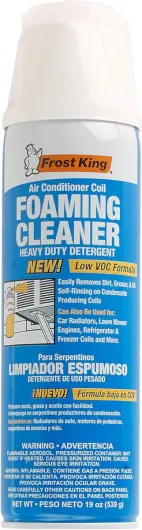
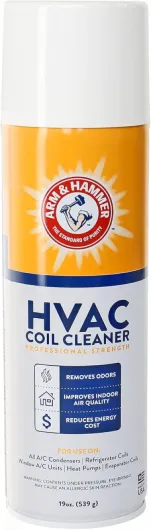
- + Effective foam cleaner
- + Convenient 19-ounce size
- + Lemon scent for freshness
Other practical steps to remove mildew smells from your AC
Simple Actions to Freshen Up Your AC
When your air conditioner smells musty, it’s a sign that mildew or mold growth may be present somewhere in the system. Tackling these odors at the source is key to restoring clean air in your house. Here are practical steps you can take to reduce or eliminate musty smells from your AC unit:
- Clean or Replace Filters: Dirty filters are a common breeding ground for mold and mildew. Check your air conditioner’s filters regularly and clean or replace them according to the manufacturer’s recommendations. This helps prevent musty odors and improves air quality.
- Clear the Condensate Drain: A clogged condensate drain can cause standing water to accumulate, creating the perfect environment for mildew growth. Make sure the drain is clear and water flows freely away from the unit.
- Inspect and Clean Evaporator Coils: Dust and moisture on evaporator coils can encourage mold and mildew. Gently clean the coils to remove buildup and help your system run efficiently.
- Check the Blower Wheel: The blower wheel can collect dust and moisture, leading to musty odors. Cleaning this component can help reduce unpleasant smells coming from your air conditioning system.
- Address Water Leaks: Inspect your air conditioning unit and surrounding area for leaks. Standing water around the system can quickly lead to mildew and mold. Fix any leaks promptly to prevent further growth.
- Improve Ventilation: Good airflow helps keep your AC and home dry. Make sure vents are open and unobstructed, and consider using fans or dehumidifiers in damp areas.
- Regular Maintenance: Schedule service with a qualified HVAC technician at least once a year. Professional maintenance can catch issues early, clean hard-to-reach parts, and keep your air conditioner running smoothly.
Why Consistent Care Matters
Consistent maintenance and cleaning routines are essential for preventing musty smells and ensuring your air conditioning system delivers clean air. By keeping filters, coils, and drains clean, you reduce the risk of mold and mildew taking hold. If you notice persistent musty odors or suspect a deeper issue, don’t hesitate to seek professional help to protect your indoor air quality and comfort.
When to seek professional help for persistent mildew odors
Recognizing When DIY Isn’t Enough
Sometimes, mildew odors in your air conditioner or HVAC system linger despite your best efforts to clean, replace filters, and maintain the unit. If the musty smell keeps returning, or if you notice visible mold growth on the evaporator coils, blower wheel, or inside the air handler, it’s a clear sign that professional help is needed. Persistent musty odors can indicate a deeper issue, such as mold inside the ductwork, a clogged condensate drain, or standing water hidden within the system. These problems can turn your air conditioner into a breeding ground for mold and mildew, affecting the air quality throughout your house.What a Professional Can Do
A certified HVAC technician has the tools and expertise to inspect your air conditioning system thoroughly. They can:- Check for hidden mold and mildew growth in hard-to-reach areas
- Clean and disinfect evaporator coils, blower wheels, and condensate pans
- Clear blocked condensate drains to prevent water buildup
- Assess and replace damaged insulation or ductwork that may harbor mold
- Recommend upgrades to filters or maintenance routines for cleaner air
When to Act Quickly
Don’t delay if you notice any of the following:- Strong, persistent musty smell from your air conditioning vents
- Visible mold or mildew on or around the unit
- Water leaks or standing water near the air conditioner
- Reduced airflow or unusual noises from the system