
Understanding the importance of indoor air quality testing
Why Indoor Air Quality Testing Matters for Your Health and Comfort
Indoor air quality is often overlooked, but it plays a crucial role in your daily well-being. Many people spend most of their time indoors, whether at home or in commercial buildings, making the air you breathe indoors just as important as outdoor air. Poor indoor air can lead to health problems like allergies, headaches, fatigue, and even more serious issues if left unchecked. Regular air quality testing helps identify hidden threats such as mold growth, dust, volatile organic compounds, and high humidity levels that can affect your comfort and safety.
- Hidden pollutants: Dust, mold, and volatile organic compounds can accumulate in your air ducts and HVAC system, often going unnoticed without proper inspection and testing services.
- Health risks: Exposure to poor air quality can worsen asthma, allergies, and respiratory conditions. Carbon monoxide is another invisible danger that quality inspection can detect.
- Building maintenance: Regular testing and cleaning help prevent costly repairs to your furnace, air ducts, and HVAC system by catching problems early.
- Peace of mind: Knowing your indoor air is safe and clean allows you to focus on what matters most, whether at home or in a commercial setting.
Professional air quality testing services bring years of experience and specialized equipment to accurately assess your indoor air. They can help you understand current air quality levels, recommend duct cleaning or repair, and suggest solutions like air purifiers to improve air in your space. If you want to learn more about how air purifiers can directly impact your indoor air quality, check out this guide on how a Whirlpool air purifier can improve your indoor air quality.
Recognizing the importance of air quality testing is the first step. Next, you’ll want to know the signs that indicate when it’s time to schedule indoor testing and inspection services.

Common signs that indicate you need air quality testing
Recognizing When Your Indoor Air Needs Attention
Many people don’t realize their indoor air quality may be compromised until symptoms appear. Identifying these signs early can help you decide when to call a professional service for quality inspection and testing. Indoor air issues can affect both homes and commercial buildings, and knowing what to look for is the first step toward a healthier environment.
- Persistent Allergies or Respiratory Issues: If you or others in your space experience ongoing coughing, sneezing, headaches, or asthma flare-ups, poor air quality could be a factor. Dust, mold, and volatile organic compounds (VOCs) are common triggers.
- Visible Mold Growth: Mold can develop in areas with high humidity levels or water damage. If you notice spots on walls, ceilings, or near your HVAC system, it’s time to schedule indoor air quality testing and possibly a mold inspection.
- Unusual Odors: Persistent musty or chemical smells may signal the presence of mold, VOCs, or issues with your air ducts or furnace. A professional inspection can pinpoint the source and recommend cleaning or repair services.
- Excess Dust Accumulation: If you’re constantly cleaning dust from surfaces or notice buildup around air ducts and vents, your HVAC system or air duct cleaning may be overdue. Dust can carry allergens and reduce air quality.
- Humidity Problems: High or low humidity levels can encourage mold growth or make the air feel uncomfortable. Monitoring humidity and seeking testing services can help maintain a healthy balance.
- Carbon Monoxide Concerns: If you use gas appliances or a furnace, carbon monoxide leaks are a serious risk. Professional testing and regular HVAC inspection are essential for safety.
- Recent Renovations or New Furnishings: Construction materials, new carpets, and furniture can release VOCs into the air. Quality testing and air purifiers can help reduce exposure to these compounds.
Whether you manage a commercial property or want to improve air in your home, noticing these signs means it’s time to consider professional testing monitoring and cleaning services. Regular inspection of your HVAC system, air ducts, and indoor air quality can prevent long-term health risks. For those with outdoor air conditioning units, protecting your system can also help maintain indoor air quality. Learn more about how to protect your outdoor air conditioner with the right cover to support overall air quality in your space.
What to expect during a professional air quality test
What Happens During a Professional Indoor Air Quality Inspection?
When you schedule indoor air quality testing with a reputable service, you can expect a thorough process designed to identify potential issues in your home or commercial buildings. The inspection typically starts with a walk-through of your space, where the professional will ask about any recent furnace repair, cleaning, or mold growth concerns. They may also inquire about your HVAC system, air ducts, and any noticeable dust or humidity levels. Key steps in a typical air quality inspection include:- Visual Assessment: The technician will look for visible signs of mold, dust buildup, or water damage that could affect indoor air quality.
- Air Sampling: Using specialized equipment, the service will collect air samples to test for pollutants like volatile organic compounds, carbon monoxide, and other contaminants. This helps determine if your air contains harmful levels of these substances.
- Surface Sampling: In areas where mold or dust is suspected, surface samples may be taken for further analysis.
- HVAC and Duct Inspection: The professional will inspect your HVAC system and air ducts for cleanliness and proper function. If duct cleaning or repair is needed, they will let you know.
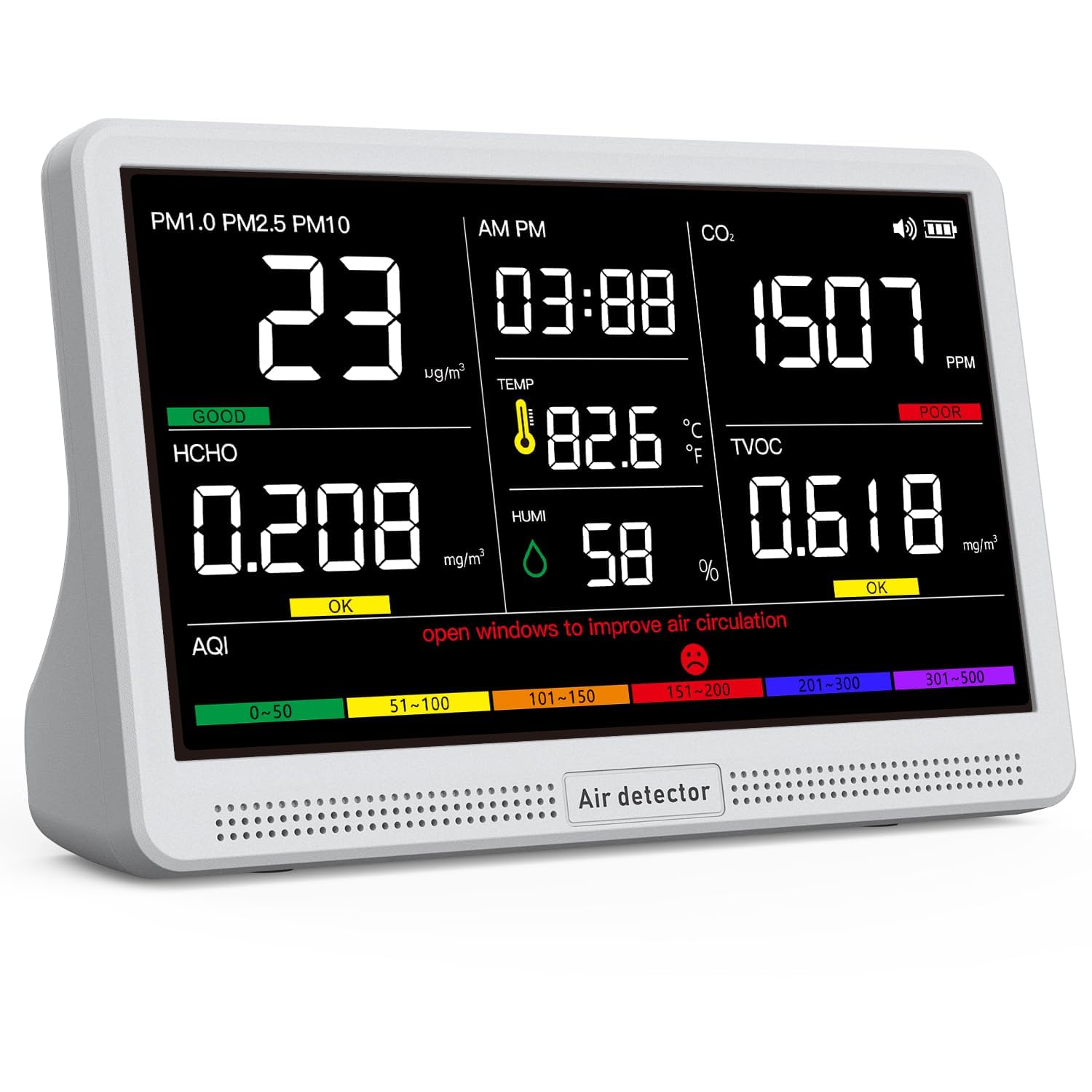
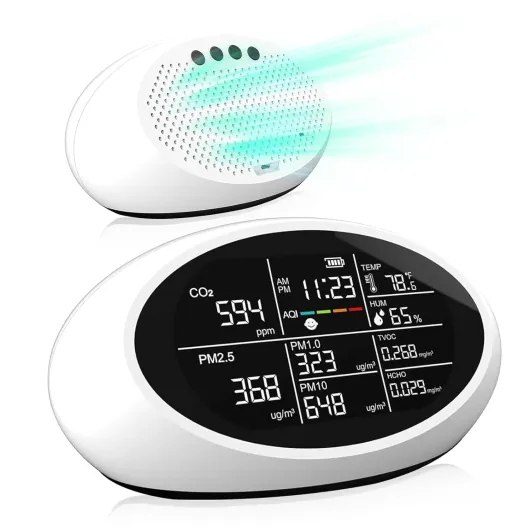
- Monitoring Devices: Some services use monitoring tools to check ongoing air quality, humidity levels, and temperature fluctuations.
How to choose a trustworthy air quality testing service near you
Key Criteria for Selecting a Reliable Testing Provider
When searching for an indoor air quality testing service, it’s important to focus on credibility and expertise. Look for providers with years of experience in air quality inspection and testing services. A professional service should offer a range of options, including mold inspection, carbon monoxide monitoring, and volatile organic compounds (VOC) testing. For commercial buildings, ensure the company has experience with large-scale HVAC system assessments and duct cleaning.- Certifications and Training: Choose a service whose technicians are certified in air quality testing and hvac inspection. This ensures they follow industry standards and use reliable testing monitoring equipment.
- Comprehensive Services: A trustworthy provider will offer more than just basic air quality tests. Look for services that include air duct inspection, furnace and duct cleaning, and humidity levels measurement. This helps identify issues like mold growth, dust accumulation, and poor ventilation.
- Transparent Reporting: Reliable companies provide clear, detailed reports about your indoor air quality, including levels of dust, VOCs, and carbon monoxide. They should explain the results and recommend next steps to improve air quality.
- Customer Support: A reputable service will be responsive when you call for information or to schedule indoor air quality testing. They should answer questions about their process, equipment, and how their services can help improve air in your home or business.
Red Flags to Watch Out For
Not all testing services are equal. Be cautious if a provider:- Offers extremely low prices without clear details about what’s included
- Cannot provide proof of certifications or years experience
- Pressures you to purchase unnecessary repair or cleaning services after testing
- Does not offer a written report or avoids discussing specific air quality levels
Questions to Ask Before Hiring
To ensure you’re choosing a trustworthy air quality testing service, consider asking:- What types of indoor air quality testing do you offer?
- Are your technicians certified for hvac system and air duct inspection?
- How do you test for mold, dust, and volatile organic compounds?
- Will you provide a detailed report and help interpret the results?
- Do you offer follow-up services, such as duct cleaning or air purifiers, if needed?
Understanding your air quality test results
Interpreting Your Air Quality Test Report
When you receive the results from your indoor air quality testing service, it can be overwhelming to see all the numbers and technical terms. A professional service will usually provide a detailed report that covers the main contaminants found in your air, such as dust, mold, volatile organic compounds (VOCs), carbon monoxide, and humidity levels. Here’s how to make sense of what you’re reading:- Dust and Particulate Matter: High levels can indicate issues with your air ducts, furnace, or HVAC system. Excess dust may also point to the need for duct cleaning or air purifier installation.
- Mold and Mold Growth: If mold spores are detected, this could mean there’s hidden moisture or leaks. Mold can affect both homes and commercial buildings, so prompt repair and cleaning are crucial.
- Volatile Organic Compounds (VOCs): These chemicals come from household products, paints, or commercial activities. Elevated VOCs suggest you may need better ventilation or to schedule indoor air quality monitoring more frequently.
- Carbon Monoxide: Even low levels are a concern. This colorless, odorless gas can come from faulty furnaces or HVAC systems. If detected, call a professional immediately for inspection and repair.
- Humidity Levels: Too much or too little humidity can affect comfort and encourage mold growth. Your report will show if adjustments are needed to your HVAC or air purification systems.
What the Numbers Mean for Your Health and Comfort
A reliable quality inspection will compare your results to recommended safety standards. If your levels are above these guidelines, the service should explain what steps will help improve air quality. For example, high dust or mold might mean it’s time for duct cleaning or upgrading your air purifiers. Elevated VOCs or carbon monoxide require immediate attention from a professional with years experience in HVAC and indoor air services. If you’re unsure about any part of your report, don’t hesitate to ask your testing service for clarification. A trustworthy provider will help you understand the findings and recommend practical solutions, whether for your home or commercial buildings. This support is key to making informed decisions about cleaning, repair, or ongoing testing monitoring to maintain healthy indoor air.Next steps after testing: improving your indoor air
Taking Action to Improve Your Indoor Air
Once you have your air quality testing results, it’s time to make meaningful changes to create a healthier indoor environment. Whether you’re dealing with high dust levels, mold growth, volatile organic compounds, or elevated humidity, there are practical steps you can take.- Address the source: If your quality inspection reveals mold, call a professional service for mold remediation. For high dust or allergens, schedule indoor air duct cleaning and consider regular HVAC system maintenance. Commercial buildings may require specialized cleaning services or HVAC inspection.
- Upgrade your filtration: Installing or upgrading air purifiers can help reduce airborne particles, volatile organic compounds, and odors. Choose a purifier suitable for your space and needs, especially if testing monitoring shows persistent issues.
- Maintain your HVAC system: Regular furnace and air duct inspection, filter replacement, and duct cleaning will help keep your system running efficiently and improve air quality. Professional HVAC services with years experience can identify issues like carbon monoxide leaks or poor airflow.
- Control humidity: If testing indicates high humidity levels, use dehumidifiers or improve ventilation. This helps prevent mold growth and keeps indoor air comfortable.
- Ongoing monitoring: After repairs or cleaning, consider periodic quality testing to ensure improvements are effective. Some services offer ongoing testing monitoring for peace of mind.