Understanding the role of the evaporator in air purifiers
The evaporator’s role in air purification
In most air purifiers, especially those designed for business or HVAC applications, the evaporator coil is a key component. It’s often found in air conditioning units and air purifiers that use cooling or dehumidifying functions. The evaporator coil, sometimes called the evap coil, works by absorbing heat from the air that passes over it. This process not only cools the air but also helps remove moisture and airborne particles, contributing to cleaner indoor air quality.
When air flows through your air purifier, it passes over the evaporator coil. Dust, pollen, and other contaminants can settle on the coil’s surface. Over time, these particles build up, reducing the coil’s efficiency and potentially leading to unpleasant odors or even mold growth. This is why regular cleaning with the right evaporator cleaner or coil cleaner is essential for maintaining optimal performance and air quality.
How the evaporator connects to your air system
The evaporator coil is typically made from metal and is designed to maximize surface area for heat exchange. In air conditioning and air purifier systems, it works alongside other parts like the condenser and blower. If you’re unsure about how your system is set up, or if you’re considering upgrades, understanding the evaporator’s function can help you make informed choices about cleaning products, maintenance routines, and even selecting the right furnace filter size for your home or business.
- Evaporator cleaner products: These are specially formulated to remove dirt, dust, and biological contaminants from the coil without damaging the metal or affecting air quality.
- Foam and rinse options: Some cleaners come as foam sprays that expand to cover the coil, while others are water-based and require rinsing. There are also pure concentrate and neutral pH options for sensitive environments.
- Application tools: Brushes, packs, and even gallon-sized containers are available for different cleaning needs, whether you’re maintaining a single air conditioner or a large HVAC system in a business setting.
Choosing the right cleaner and knowing when to use it is crucial for keeping your air purifier’s evaporator coil in top condition. This not only improves air quality but also extends the life of your equipment and can help you avoid costly repairs down the line.
Why regular cleaning of the evaporator is essential
Why neglecting the evaporator can harm your air quality
When it comes to air purifiers, the evaporator coil is a critical component. Over time, dust, pollen, and other particles can accumulate on the coil, reducing its efficiency. If the coil is not cleaned regularly with the right cleaner or foam rinse, it can become a breeding ground for mold and bacteria. This not only affects the performance of your air purifier or air conditioner, but also the quality of the air you breathe indoors.
- Reduced efficiency: A dirty evaporator coil forces your HVAC or air conditioning system to work harder, increasing energy consumption and costs for your business or home.
- Health risks: Accumulated debris and moisture can lead to unpleasant odors and even trigger allergies or respiratory issues. Using a safe, neutral, water based coil cleaner or evap foam can help prevent these problems.
- Shorter lifespan: Neglecting regular cleaning can cause long-term damage to the evaporator heater or coil, leading to expensive repairs or replacements.
Regular cleaning with a suitable product—whether it’s a pure concentrate, foam, or a cleaner gallon pack—ensures your system remains efficient and your indoor air stays fresh. It’s also important to choose products coil cleaners that are safe for your specific model, whether you’re maintaining a business HVAC system or a home air conditioner. For more guidance on improving your indoor air quality, check out this resource on how to choose the right heat pump filter for better air quality.
Remember, using the right brush or foam rinse, and following the recommended cleaning schedule, can make a significant difference. Don’t skip main maintenance steps, and always review the product instructions before use to ensure safety and effectiveness.
Types of evaporator cleaners available
Comparing Evaporator Cleaner Types for Air Purifiers
When it comes to cleaning your air purifier’s evaporator coil, the market offers a variety of cleaner products. Choosing the right one depends on your specific needs, the type of coil, and the level of dirt or buildup. Here’s a breakdown of the most common options you’ll find in stores or online:
- Foaming Cleaners: These are popular for their ability to cling to vertical surfaces and penetrate deep into the coil. Evap foam and foam rinse products expand to cover the coil, loosening dust and debris. They’re often water based and rinse off easily, making them safe for most air conditioning and HVAC systems.
- Liquid Coil Cleaners: Available in pure concentrate or ready-to-use formulas, these products are designed for both residential and business use. They can be diluted in a gallon of water for larger cleaning jobs. Some are neutral and safe for sensitive coils, while others are more aggressive for heavy buildup.
- No-Rinse Cleaners: Ideal for quick maintenance, these evaporator cleaners don’t require rinsing after application. They’re especially useful for hard-to-reach coils in air purifiers or air conditioners. Many come with a fresh scent to leave your unit smelling clean.
- Brush and Pack Kits: Some cleaning packs include a coil brush or specialized tools to help dislodge stubborn dirt. These are great for thorough cleaning but require a bit more effort and care to avoid damaging the coil.
- Specialty Products: Look for options like tri pow or products coil cleaners formulated for specific HVAC or evaporator heater systems. These may offer extra features like anti-corrosion or antimicrobial properties.
When selecting a product, consider the price, whether you need a cleaner gallon for frequent use, and if the product is safe for your specific evaporator coil material. Always check if the cleaner is suitable for your air conditioning or air purifier model. For more on how air exchangers and proper cleaning can improve your indoor air quality, check out this in-depth guide on air exchangers and indoor air quality.
Remember, using the right cleaner and technique helps maintain your air purifier’s performance and extends its lifespan. If you’ve tried a product, don’t hesitate to write a review to help others make informed choices.
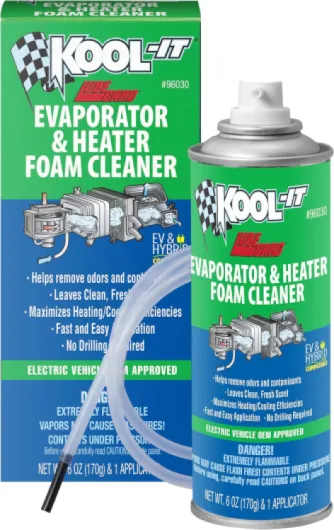

How to safely use an evaporator cleaner
Steps for Safe and Effective Evaporator Cleaning
Cleaning the evaporator coil in your air purifier or air conditioner is crucial for maintaining air quality and system efficiency. Using the right cleaner and method ensures you avoid damage and get the best results. Here’s how to safely use an evaporator cleaner:- Choose the right product: Select a cleaner specifically designed for evaporator coils. Look for water-based, neutral pH, or foam rinse products labeled as safe for HVAC systems. Some come in a convenient pack or gallon size, and you can find them at your local store or online. Always check if the cleaner is suitable for your specific coil type and air conditioning unit.
- Turn off the power: Before starting, switch off your air purifier or air conditioner at the main power source. This is essential for safety and prevents any electrical hazards during cleaning.
- Access the evaporator coil: Open the unit according to the manufacturer’s instructions. If you’re cleaning a business HVAC system, ensure you have the right tools and enough space to work safely.
- Apply the cleaner: Spray the coil cleaner evenly onto the evaporator coil. Foam products, like evap foam or tri pow, expand to cover the surface and help lift dirt. For concentrated products, dilute as directed—never use more than recommended.
- Let it sit: Allow the cleaner to work for the time specified on the product label. This helps break down debris and buildup inside the coil and evaporator heater.
- Rinse if required: Some products are no-rinse, while others need a thorough rinse with water. If rinsing is needed, use a gentle stream to avoid damaging the coil fins. A brush can help remove stubborn dirt, but use one designed for coil cleaning to avoid bending the fins.
- Dry and reassemble: Let the coil dry completely before reassembling the unit. This prevents moisture buildup, which can lead to mold or odors. Some cleaners leave a fresh scent, but always ensure the area is dry before restoring power.
Tips for Safe Cleaning
- Always wear gloves and eye protection when handling any cleaning product, especially pure concentrate or chemical-based cleaners.
- Read the label for any special instructions or warnings. Not all products coil cleaners are safe for every system.
- Never mix different cleaning products. Stick to one cleaner per session to avoid chemical reactions.
- Dispose of used rinse water and cleaning materials according to local regulations, especially in a business setting.
What to Avoid
- Don’t use household cleaners or bleach on your evaporator coil. These can corrode the metal and damage your air conditioning system.
- Skip main shortcuts—take your time to ensure a thorough job.
- Never use a high-pressure washer, as it can bend the coil fins and reduce efficiency.
Using the right evaporator cleaner and following safe cleaning steps helps maintain your air purifier’s performance and extends the life of your HVAC system. If you’re unsure about any step, consult your product manual or write a review to share your experience and get feedback from others in the community.
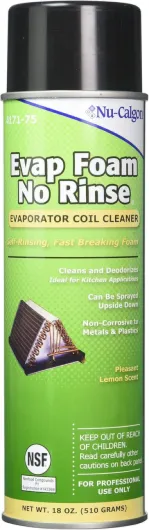
- + Effective cleaning foam
- + Easy to use spray application
- + Removes dirt and debris
- + Convenient size for handling
Common mistakes to avoid when cleaning the evaporator
Frequent Pitfalls When Cleaning Your Air Purifier’s Evaporator
Cleaning the evaporator coil in your air purifier or air conditioner is crucial for maintaining indoor air quality and system efficiency. However, many users make mistakes that can reduce the effectiveness of the cleaning process or even damage the unit. Here are some common errors to watch out for:- Using the Wrong Cleaner: Not all coil cleaners or evaporator cleaning products are suitable for every system. Some products, like heavy-duty acid-based cleaners, can corrode sensitive coils or leave behind residues. Always select a cleaner that is water based, neutral, and specifically labeled safe for evaporator coils or HVAC systems. Avoid using household detergents or products not intended for HVAC use.
- Skipping the Rinse Step: Many foam or evap cleaners require a thorough rinse after application. Failing to rinse can leave behind chemicals that attract dust or damage the coil over time. If you use a foam rinse or evap foam product, check the instructions to see if rinsing is necessary, especially for pure concentrate or cleaner gallon packs.
- Overusing the Product: Applying too much cleaner, whether it’s a spray, foam, or liquid, can cause buildup and make it harder to rinse away. Follow the recommended amount on the product label, whether you’re using a small bottle or a gallon pack.
- Neglecting Safety Precautions: Always wear gloves and eye protection when handling coil cleaner or evaporator cleaner products. Some chemicals can irritate skin or eyes, and proper ventilation is important, especially in business or commercial settings.
- Using Abrasive Tools: Avoid using hard brushes or metal tools on the evaporator coil. These can bend the delicate fins and reduce airflow. Use a soft brush or a product designed for gentle cleaning to protect the coil’s surface.
- Ignoring Product Compatibility: Some cleaners are formulated for specific types of coils, such as those in air conditioning units, evaporator heaters, or HVAC systems. Check if the product is suitable for your particular evaporator coil or air purifier model before purchase. Look for reviews or write review sections on store websites to gauge effectiveness and safety.
- Not Checking for Fresh Scent or Residue: Some users prefer a cleaner with a fresh scent, but strong fragrances can linger and affect indoor air quality. Also, ensure the product does not leave a sticky residue that could attract more dust.
Signs your air purifier’s evaporator needs cleaning
How to Spot When Your Evaporator Needs Attention
If you’re using an air purifier regularly, the evaporator coil is a crucial part that can impact air quality and system efficiency. Over time, even with the best cleaner or foam rinse, dirt and debris can build up on the coil. Here’s how to recognize when it’s time to use an evaporator cleaner or coil cleaner:- Reduced Airflow: If your air purifier or air conditioner seems to be pushing less air, a dirty evaporator coil could be the culprit. Blockages from dust and debris restrict airflow, making your system work harder.
- Unpleasant Odors: A musty or stale smell, even after using a fresh scent product, often signals mold or bacteria on the coil. This is a clear sign that cleaning is overdue.
- Visible Dirt or Residue: If you can access the evaporator and see dust, grime, or residue, it’s time to grab your brush, water based cleaner, or foam product. Some business and store maintenance teams use a neutral or pure concentrate cleaner gallon for deep cleaning.
- Decreased Cooling or Heating Efficiency: If your air conditioning or evaporator heater isn’t performing as well as before, the coil may be coated in dirt. This reduces heat exchange and can increase your energy bill.
- Frequent Allergy Symptoms: If you or others in your business or home notice more allergy symptoms, a dirty coil could be circulating dust and allergens back into the air.