

Understanding the role of air velocity meters in air purification
Why Measuring Air Velocity Matters for Air Purifiers
When it comes to optimizing your air purifier’s performance, understanding air velocity is crucial. Air velocity refers to the speed at which air moves through the purifier and its duct system. This measurement directly impacts how effectively the device delivers clean air to your indoor environment. If the air flow is too low, your purifier may not filter enough air per hour. If it’s too high, the filter might not capture particles efficiently. That’s why using a reliable air velocity meter or anemometer is essential for anyone serious about indoor air quality.
How Air Velocity Meters Support Clean Air Delivery
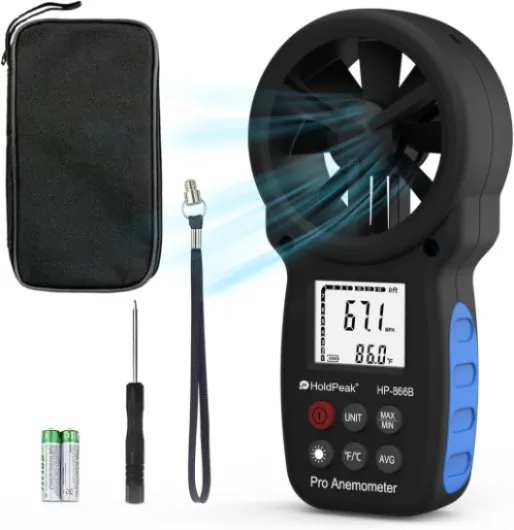
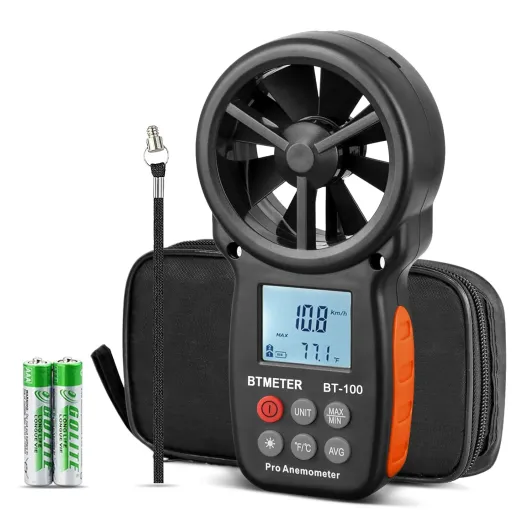
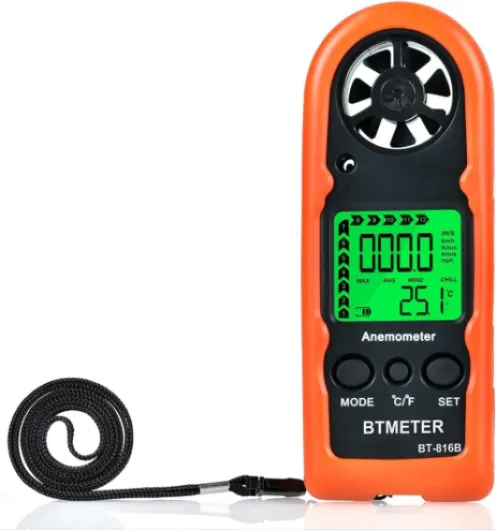
Air velocity meters, sometimes called speed meters or wind gauges, help you measure the speed and volume of air moving through your purifier’s system. These devices can be handheld or mounted, and often feature a telescopic probe for reaching inside ducts or vents. Some advanced models also measure air temperature, flow temperature, and even calculate volume flow (CFM). By using a meter air device, you can ensure your purifier is delivering the right amount of clean air, whether you’re dealing with dust, allergens, or paint odors. For more on how air purifiers tackle specific challenges, check out this guide on choosing the right air purifier to eliminate paint odors.
Applications: From HVAC to Outdoor Air Quality
Air velocity meters are not just for home use. They’re widely used in HVAC maintenance, product testing, and even outdoor wind speed monitoring. In HVAC systems, measuring flow velocity and air volume helps ensure efficient operation and energy savings. For outdoor applications, wind speed and wind chill readings can inform everything from weather forecasts to building ventilation strategies. Whether you’re using a hot wire anemometer or a vane air meter, accurate measuring is key to maintaining healthy air quality.
- Measure air flow and volume in ducts and vents
- Monitor wind speed and temperature air for outdoor systems
- Ensure your air purifier is operating at optimal delivery rates
Understanding the role of these measuring devices sets the foundation for selecting the right model and using it effectively. The next steps involve knowing which features to prioritize, how to use your meter correctly, and how to avoid common measuring mistakes.

Key features to look for in an air velocity meter
Essential Specifications for Accurate Air Measurement
When selecting an air velocity meter for your air purifier setup, it’s important to focus on the features that directly impact measurement accuracy and usability. The right device helps you monitor air flow, wind speed, and temperature air, ensuring your purifier delivers optimal performance. Here are the key aspects to consider:
- Measurement Range and Units: Ensure the meter covers the expected range of air velocity and air volume in your environment. Most meters display readings in meters per second (m/s), feet per minute (fpm), or cubic feet per minute (cfm). For HVAC or duct applications, a wide range is crucial.
- Sensor Type: Hot wire anemometers are sensitive and ideal for low flow velocity, while vane air meters (sometimes called wind speed gauges) are robust for higher air flow. Choose based on your air purifier’s delivery and the typical air speed you need to measure.
- Temperature Measurement: Some meters also measure air temperature or flow temperature, which is useful for understanding wind chill effects and overall air quality. This dual function is especially valuable for outdoor or variable indoor environments.
- Display and Data Logging: A clear, easy-to-read display is essential. Some models offer data logging, allowing you to track changes in air velocity and volume flow over time. This can help identify trends or issues with your air purifier’s performance.
- Portability and Probe Design: Handheld meters with a telescopic probe are convenient for spot checks and reaching into ducts or tight spaces. Consider the length and flexibility of the probe, especially if you’ll be measuring in HVAC systems or behind air purifiers.
- Calibration Certificate: For trustworthy results, look for a product that comes with a calibration certificate. This ensures the measuring device meets industry standards and provides reliable readings.
Additional Considerations for Specialized Needs
If you’re dealing with specific contaminants like formaldehyde, or require advanced monitoring, you may want to explore formaldehyde air purifier options that integrate with compatible measuring devices. This can be especially important for sensitive environments or professional applications.
Remember, the right air velocity meter not only helps you measure wind speed and air flow but also supports ongoing maintenance and calibration, which are discussed further in this guide. Choosing a meter tailored to your needs ensures accurate, actionable data for your air purification system.
How to use an air velocity meter with your air purifier
Getting Reliable Air Flow Readings with Your Meter
Using an air velocity meter or anemometer with your air purifier is essential for understanding how efficiently your device is moving air. Whether you have a handheld speed meter, a vane air anemometer, or a hot wire velocity meter, the process is similar but requires attention to detail for accurate results.
- Choose the right measuring device: Select a meter that matches your air purifier’s airflow range and duct size. Hot wire meters are sensitive for low air speeds, while vane meters are robust for higher flows.
- Prepare your equipment: Ensure your velocity meter is calibrated and, if available, check for a calibration certificate. Attach any telescopic probe or extension needed to reach into ducts or vents.
- Positioning matters: Place the meter air sensor at the center of the air outlet or duct. For larger vents, take multiple readings at different points to get an average air velocity and volume flow.
- Measure under typical conditions: Run your air purifier as you normally would. Avoid measuring when windows are open or when outdoor wind speed could affect indoor air flow.
- Record all relevant data: Many meters also display air temperature, flow temperature, and cfm (cubic feet per minute). Note these values, as temperature air can influence air density and flow calculations.
For those using advanced air purifiers or HVAC systems, measuring air velocity and volume flow helps verify product performance and can inform maintenance schedules. If your device has a wire or duct system, ensure the probe is inserted properly and not obstructed by filters or bends.
Remember, consistent measuring techniques lead to more reliable results. For more insights on optimizing your air purifier’s performance and understanding the benefits of air purifiers made in America, check out our detailed guide.
Common mistakes when measuring air velocity
Frequent Pitfalls in Air Velocity Measurement
Measuring air velocity for your air purifier setup may seem straightforward, but several common mistakes can lead to inaccurate results. Understanding these pitfalls is essential for anyone using a velocity meter, anemometer, or any other measuring device to assess air flow, wind speed, or air volume in HVAC systems or duct environments.
- Improper Placement of the Meter: Placing the air velocity meter too close to the edges of a duct or air outlet can distort readings. For accurate measurement, position the probe (such as a hot wire or vane air sensor) in the center of the air stream, away from obstructions.
- Ignoring Air Temperature Effects: Air temperature can influence velocity readings, especially with hot wire anemometers. Not accounting for temperature air or flow temperature can result in incorrect wind speed or volume flow calculations.
- Not Calibrating the Device: Using a meter without a recent calibration certificate can undermine trust in your data. Regular calibration ensures your speed meter or wind gauge provides reliable results, especially when measuring low or high cfm values.
- Incorrect Use of Telescopic Probe: If your product includes a telescopic probe, make sure it is fully extended and properly aligned with the direction of air flow. Misalignment can cause underestimation or overestimation of flow velocity.
- Overlooking Environmental Factors: Measuring outdoor wind speed or indoor air flow near open windows, fans, or other sources of turbulence can skew results. Always measure in stable conditions for the most accurate air delivery data.
- Using the Wrong Type of Meter: Not all meters are suitable for every application. For example, a handheld vane air meter may be better for larger ducts, while a hot wire anemometer is ideal for low-velocity, indoor air flow. Choosing the right measuring device is crucial for reliable readings.
- Neglecting Volume Flow Calculations: Measuring only wind speed or velocity without considering duct size or air volume can lead to incomplete assessments. Always calculate air volume (cfm) for a comprehensive understanding of your air purifier’s performance.
By being aware of these common errors, you can ensure your air velocity measurements are both accurate and useful for optimizing your air purifier’s efficiency and indoor air quality.
Comparing different types of air velocity meters
Comparing Vane, Hot Wire, and Cup Anemometers
When selecting a velocity meter for your air purifier setup, understanding the differences between the main types of measuring devices is essential. Each type of anemometer or speed meter has its own strengths, depending on your application—whether you're measuring air flow in a duct, checking wind speed outdoors, or verifying the delivery of clean air in a room.
- Vane Air Anemometers: These use a small fan or vane to gauge air velocity. They're popular for HVAC work and measuring air volume in ducts. Vane meters are generally robust, easy to use, and provide reliable readings for moderate air speeds. However, they may not be as sensitive at very low flow velocities.
- Hot Wire Anemometers: This type uses a thin, electrically heated wire. As air passes over the wire, it cools down, and the device calculates air velocity based on the cooling rate. Hot wire meters are highly sensitive, making them ideal for low-speed air flow and precise indoor measurements. They often come with a telescopic probe for hard-to-reach spots, but they can be more delicate and require careful handling and regular calibration.
- Cup Anemometers: More common in outdoor wind speed applications, these use rotating cups to measure wind. While not typically used for air purifier testing, they can be useful for measuring outdoor air velocity or wind chill. Their design is less suited for indoor or duct measurements.
Key Factors When Comparing Air Velocity Meters
- Measurement Range: Consider the expected air velocity and volume flow in your application. Hot wire meters excel at low speeds, while vane meters handle a broader range.
- Accuracy and Calibration: Look for a calibration certificate to ensure your readings are trustworthy. Regular calibration is vital for both hot wire and vane meters.
- Display and Data Logging: Some meters offer digital readouts, temperature air measurement, and the ability to log data for later analysis. This can be helpful for tracking air delivery over time.
- Portability: Handheld meters are convenient for spot checks, while larger, fixed devices may be better for continuous monitoring.
- Additional Features: Features like flow temperature measurement, CFM calculation, and interchangeable probes (such as a telescopic probe) can add versatility.
Choosing the Right Meter for Your Needs
For most air purifier users, a handheld vane or hot wire anemometer will be the best fit. If you need to measure air flow in tight ducts or require high sensitivity, a hot wire meter with a telescopic probe is a strong choice. For general HVAC or air volume checks, a vane air speed meter offers a balance of durability and ease of use. Always match the meter's capabilities to your specific measuring requirements and environment.
Maintenance and calibration tips for accurate readings
Keeping Your Air Velocity Meter Accurate
Regular maintenance and calibration are essential for ensuring your air velocity meter delivers reliable readings. Whether you use a hot wire anemometer, vane air speed meter, or another type of measuring device, accuracy can drift over time due to dust, temperature changes, or mechanical wear. Here’s how to keep your meter in top condition for measuring air flow, wind speed, and volume flow in your air purifier setup.
- Clean the Sensor and Probe: Dust and debris can accumulate on the telescopic probe or sensor, especially when measuring in HVAC ducts or outdoor environments. Use a soft brush or compressed air to gently clean the sensor area. Avoid harsh chemicals that could damage sensitive components.
- Check for Physical Damage: Inspect the wire, casing, and display for cracks or loose connections. Even minor damage can affect readings of air velocity, wind chill, or temperature air.
- Store Properly: After use, store your handheld meter in a protective case. Avoid exposing it to extreme temperatures or humidity, which can impact the calibration and lifespan of the device.
- Calibrate Regularly: Calibration ensures your readings for cfm, air volume, and flow velocity remain accurate. Many manufacturers recommend annual calibration, but frequent users or those in demanding environments may need to calibrate more often. Always use a calibration certificate from a trusted lab to verify accuracy.
- Follow Manufacturer Guidelines: Each product has specific maintenance needs. Refer to the manual for details on cleaning, battery replacement, and recommended calibration intervals.
| Maintenance Task | Frequency | Why It Matters |
|---|---|---|
| Sensor Cleaning | Monthly or after heavy use | Prevents dust buildup that can affect air flow and wind speed readings |
| Visual Inspection | Before each use | Detects physical damage or loose wires |
| Calibration | Annually or as recommended | Ensures measurement accuracy for air velocity and volume flow |
| Battery Check | As needed | Maintains device reliability during measuring sessions |
By following these steps, you’ll maintain the accuracy and reliability of your air velocity meter, whether you’re measuring air delivery in a duct, checking wind speed outdoors, or monitoring air flow in your purifier system. Consistent care also extends the life of your measuring device, ensuring you get the most value from your investment.
