

How humidifiers and air purifiers work
How do humidifiers and air purifiers operate?
Understanding the basics of how a humidifier and an air purifier work is key to choosing the right device for your indoor environment. Both devices aim to improve indoor air quality, but they do so in very different ways.
Humidifiers: Adding moisture to dry air
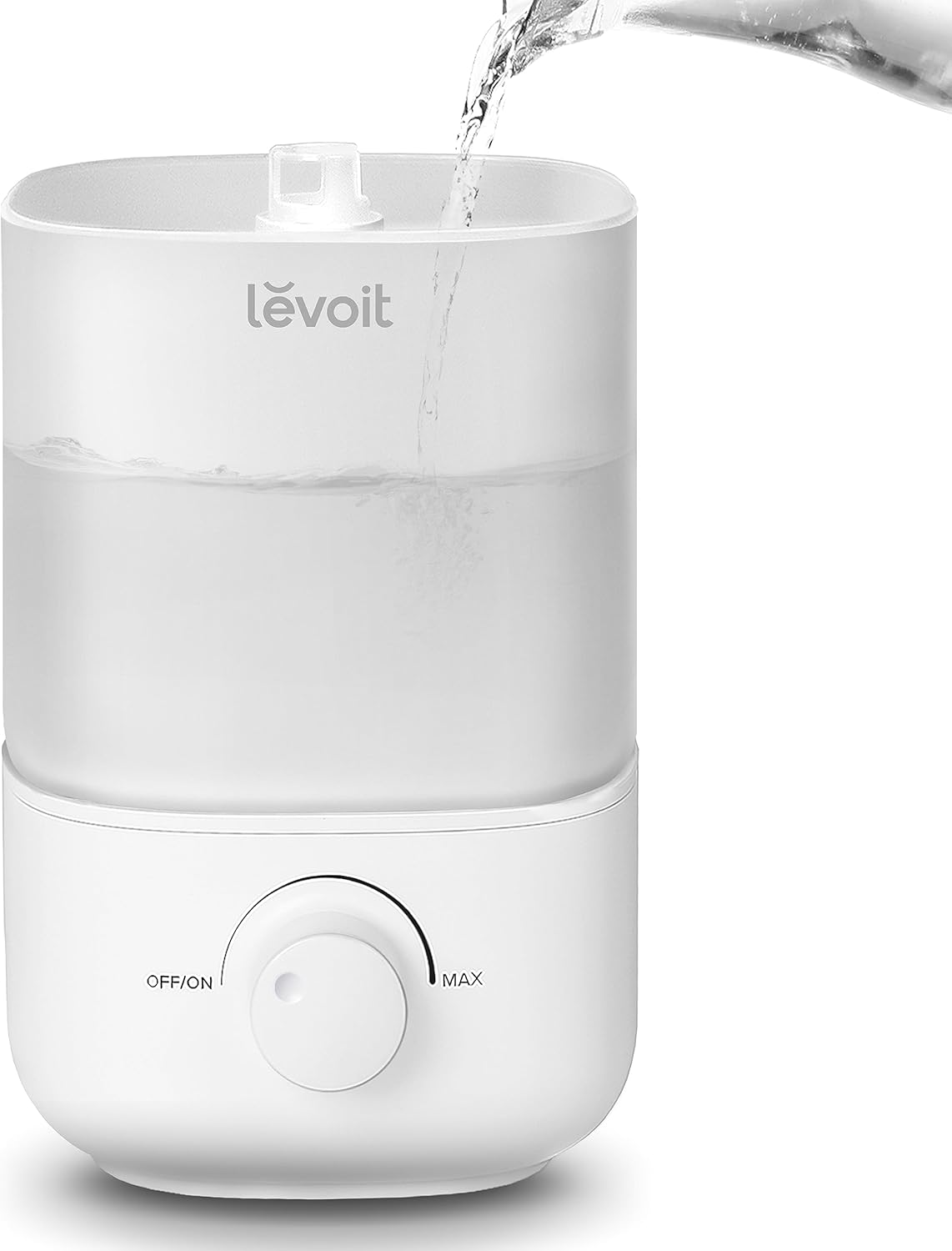
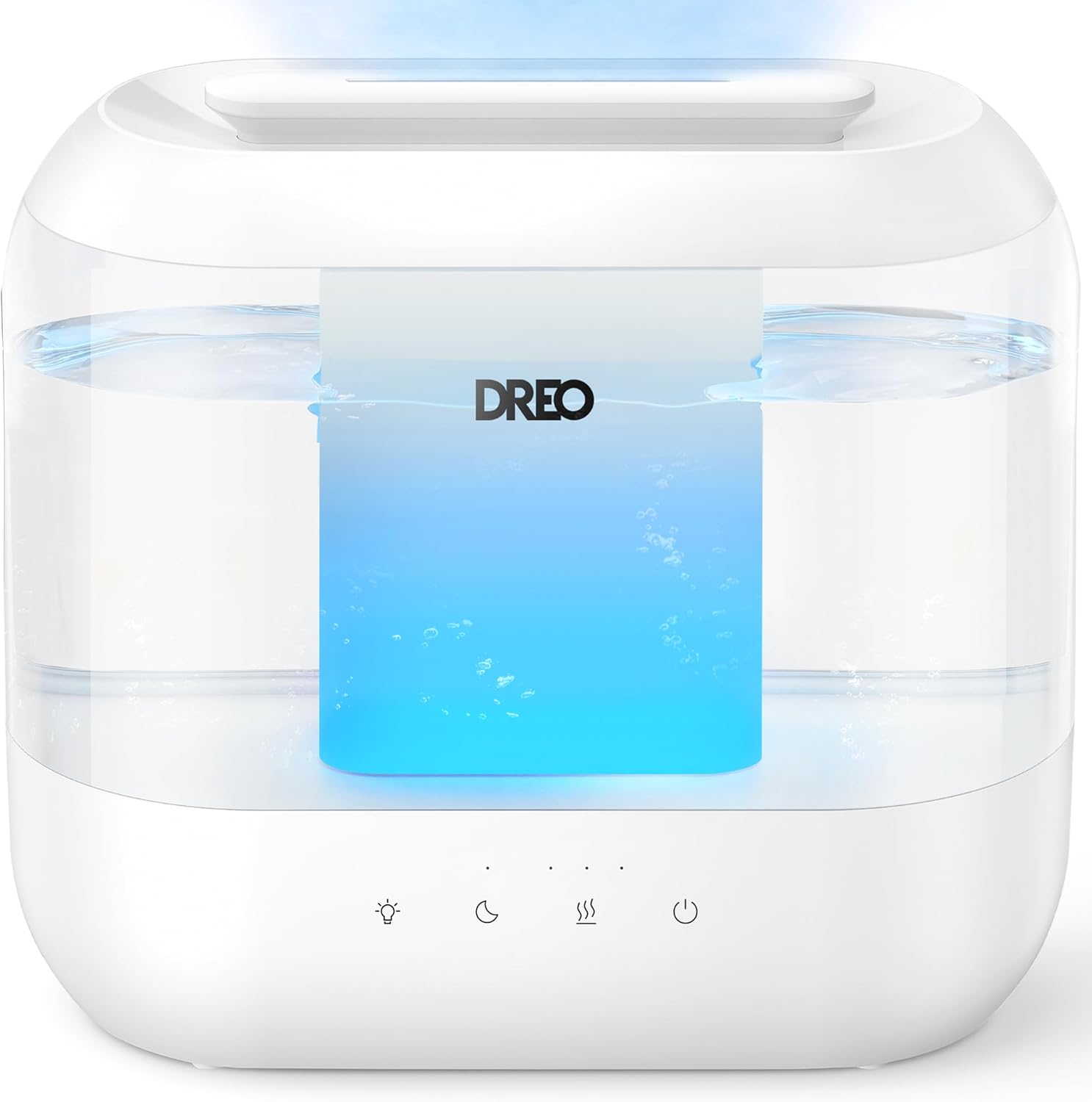
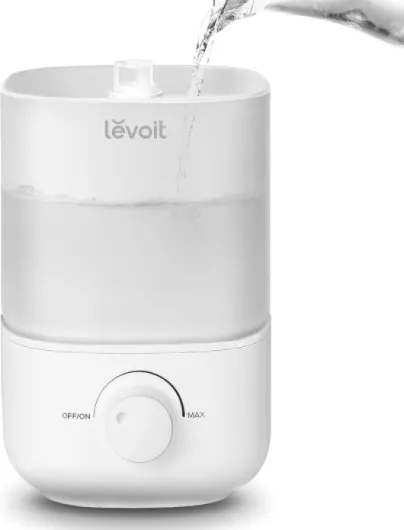
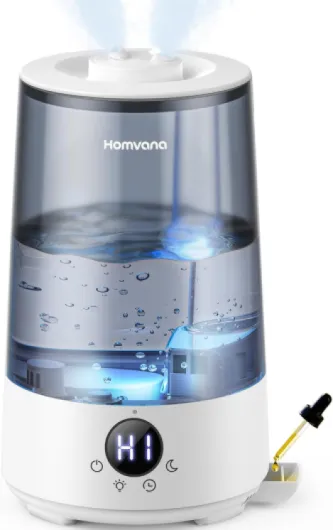
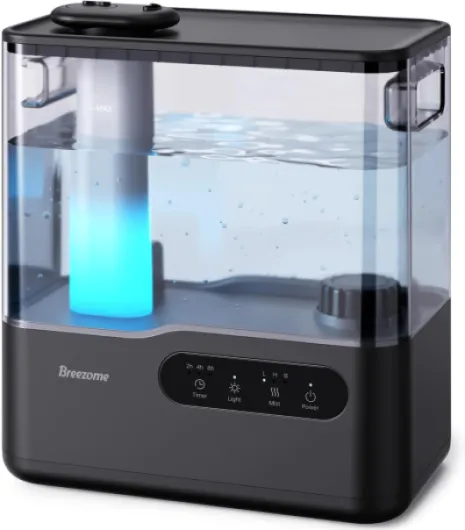
Humidifiers are designed to increase the humidity level in a room by adding moisture air. This is especially helpful in dry climates or during winter, when heating systems can make indoor air extremely dry. Dry air can cause discomfort, such as dry skin, irritated sinuses, and even worsen asthma symptoms. Humidifiers help by releasing water vapor or steam into the air, which can make breathing easier and reduce issues like dry skin and static electricity. There are several types of humidifiers, including ultrasonic, evaporative, and steam vaporizers, each with its own method for dispersing moisture.
Air purifiers: Removing pollutants and allergens
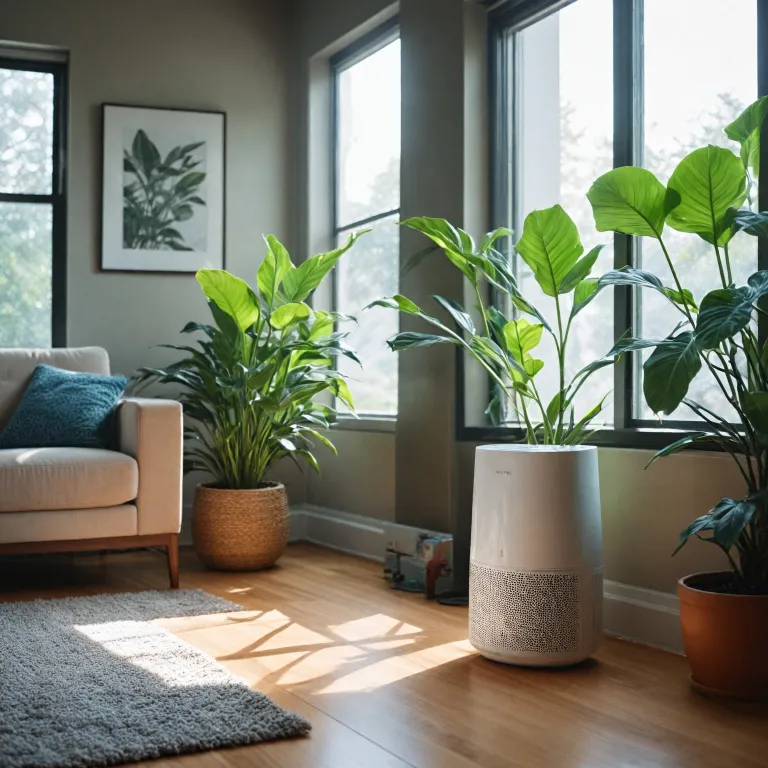
Air purifiers, on the other hand, focus on cleaning the air by removing particles and pollutants. These devices use filters—such as HEPA filters, activated carbon, or UV light—to capture or neutralize contaminants like dust, pet dander, pollen, mold spores, smoke, dust mites, and even volatile organic compounds (VOCs). Air purifiers are especially useful for people with allergies, asthma, or sensitivities to airborne particles. By filtering out these pollutants, air purifiers help provide cleaner, healthier air indoors. For those concerned about removing VOCs and other organic compounds, it's important to choose the right air purifier for effective VOC removal.
- Humidifiers add moisture to the air, helping with dry air and related health issues.
- Air purifiers remove pollutants, allergens, and particles to improve air quality.
While both devices can improve comfort and health, their functions are distinct. Knowing the difference between air purifiers and humidifiers will help you decide which one addresses your specific needs, whether it's combating dry air or reducing indoor pollutants.

Key differences between humidifiers and air purifiers
What Sets Air Purifiers and Humidifiers Apart?
Understanding the difference between air purifiers and humidifiers is essential for anyone looking to improve indoor air quality. While both devices help create a healthier home environment, their functions and benefits are quite distinct.
- Air purifiers are designed to clean the air by removing particles like dust, pet dander, pollen, mold spores, smoke, and even volatile organic compounds (VOCs). They use filters—often HEPA or activated carbon—to trap allergens and pollutants, making the air safer to breathe, especially for people with asthma or allergies.
- Humidifiers, on the other hand, do not filter or clean the air. Instead, they add moisture to dry indoor air, which can help relieve dry skin, irritated sinuses, and other discomforts caused by low humidity. Humidifiers are especially useful in winter or in dry climates where the air tends to be less humid.
Comparing Their Effects on Indoor Air
One of the main differences between air purifiers and humidifiers is how they impact indoor air quality:
- Air purifiers remove airborne particles and pollutants, leading to cleaner air and potentially fewer allergy or asthma symptoms.
- Humidifiers add moisture to the air, which can help with dry air issues but does not address pollutants or allergens.
It’s important to note that using a humidifier in a room with poor air quality will not remove dust, smoke, or other harmful particles. Conversely, an air purifier will not increase humidity or help with dry air problems.
When to Use Each Device
Choosing between air purifiers and humidifiers depends on your specific needs. If you’re concerned about allergens, dust mites, or smoke, an air purifier is the right choice. If you struggle with dry skin or dry air, especially during winter, a humidifier can add the needed moisture. Some people may benefit from using both, but it’s crucial to understand their unique roles.
Summary Table: Key Differences
| Feature | Air Purifier | Humidifier |
|---|---|---|
| Main Function | Removes particles, allergens, pollutants | Adds moisture to air |
| Helps With | Asthma, allergies, smoke, dust, pet dander, VOCs | Dry skin, dry air, irritated sinuses |
| Does It Filter Air? | Yes | No |
| Does It Add Moisture? | No | Yes |
For those living in areas affected by wildfire smoke or other air quality issues, you may want to learn more about how to choose the best air purifier for wildfire smoke at home.
When to use a humidifier
Signs You May Need to Add Moisture to Your Indoor Air
Many people notice the effects of dry air, especially during winter or in climates with low humidity. If you experience dry skin, irritated eyes, or frequent static electricity at home, your indoor air may lack sufficient moisture. Dry air can also aggravate respiratory issues, making it uncomfortable for those with asthma or allergies. In these cases, humidifiers can help by adding moisture to the air, improving comfort and supporting overall health.
Benefits of Using a Humidifier
- Relieves dry skin and eyes: Humidifiers help prevent dryness that can cause irritation and discomfort.
- Supports respiratory health: Moisture in the air can soothe dry throats and nasal passages, making it easier to breathe, especially for people with asthma.
- Reduces static electricity: Balanced humidity levels help minimize static shocks and protect electronics.
- Preserves wood and furnishings: Proper humidity helps prevent wood furniture and floors from cracking due to dryness.
When Humidifiers Are Most Useful
Humidifiers are particularly helpful during cold months when heating systems dry out indoor air. They are also beneficial in regions with naturally low humidity. Unlike air purifiers, which focus on removing particles like dust, pet dander, and allergens, humidifiers do not filter pollutants or improve air quality in terms of cleanliness. Instead, they add moisture, which can make the air feel more comfortable but does not remove volatile organic compounds (VOCs), smoke, or mold spores.
Choosing Between Air Purifiers and Humidifiers
It's important to understand the difference between air purifiers and humidifiers. If your main concern is dry air and its effects on your health and comfort, a humidifier is the right choice. However, if you are worried about indoor air quality, allergens, or pollutants, an air purifier is more suitable. Some people use both devices together to maintain clean air and optimal humidity.
For a closer look at how modern air filtration technology is showcased and how it can complement your indoor environment, check out this article on cutting-edge air filtration technology.
When to use an air purifier
Situations Where an Air Purifier Makes a Difference
Air purifiers are designed to improve indoor air quality by removing particles and pollutants from the air. If you’re dealing with allergies, asthma, or sensitivities to dust, smoke, or pet dander, a purifier can help reduce symptoms by filtering out these irritants. Unlike humidifiers, which add moisture to dry air, purifiers focus on cleaning the air by trapping allergens, dust mites, mold spores, and even volatile organic compounds (VOCs) that come from household products.
- Allergy and Asthma Relief: Purifiers are especially helpful for people with allergies or asthma. They can remove airborne particles like pollen, pet dander, and dust, which are common triggers for respiratory issues.
- Managing Smoke and Odors: If you live in an area affected by wildfire smoke or have indoor sources of smoke, an air purifier with a HEPA filter and activated carbon can help clear the air and reduce odors.
- Reducing Indoor Pollutants: Everyday activities, such as cooking or using cleaning products, can release volatile organic compounds. Purifiers with specialized filters can capture these compounds, improving the overall health of your indoor environment.
- Pet Owners: Pets can shed hair and dander, which linger in the air and settle on surfaces. Purifiers help keep the air clean and reduce the impact of pet-related allergens.
It’s important to note that while purifiers are effective at removing particles and pollutants, they do not add moisture to the air. If your main concern is dry air, dry skin, or low humidity, a humidifier would be more appropriate. However, if your goal is to achieve clean air and reduce exposure to allergens and pollutants, an air purifier is the right choice. Some people use both devices together, especially in environments where both air quality and humidity need attention.
Remember, opening windows can sometimes help with ventilation, but in areas with high outdoor pollution or pollen, using a purifier is often a better option for maintaining healthy indoor air.
Common misconceptions about humidifiers and air purifiers
Misunderstandings About Moisture and Air Quality
Many people believe that humidifiers and air purifiers do the same thing for indoor air. This is not true. Humidifiers add moisture to dry air, which can help with dry skin or irritated sinuses, especially in winter. However, they do not clean the air or remove particles like dust, smoke, or allergens. On the other hand, air purifiers use filters to capture pollutants such as pet dander, dust mites, mold spores, and even volatile organic compounds (VOCs). They do not add any moisture to the air.Confusion Between Air Cleaning and Humidity Control
It’s a common misconception that a humidifier will improve air quality by removing pollutants. In reality, humidifiers only increase humidity levels. If your main concern is allergens, smoke, or dust, a purifier is the device that will help. Purifiers are designed to filter out particles and improve indoor air quality, while humidifiers focus on moisture air balance.Assumptions About Health Benefits
Some assume that using both devices together is always necessary for health. This is not always the case. If your indoor air is dry, a humidifier can help with dry skin and respiratory comfort. If you have asthma, allergies, or want to reduce exposure to pollutants, an air purifier is more effective. There are also devices that combine both functions, but it’s important to understand your specific needs before choosing a purifier humidifier combo.- Humidifiers do not remove dust, smoke, or allergens from the air.
- Air purifiers do not add moisture or help with dry air.
- Using the wrong device may not address your indoor air concerns.
Myths About Opening Windows
Another misconception is that opening a window is enough to clean indoor air. While fresh air can help reduce some indoor pollutants, it can also let in outdoor allergens or compounds VOCs, especially in urban areas. Air purifiers are designed to filter these particles and volatile organic compounds, providing cleaner air even when windows are closed.Choosing the right device for your needs
Factors to Consider Before Buying
When deciding between air purifiers and humidifiers, it’s important to look at your specific indoor air needs. Both devices serve different purposes. Air purifiers are designed to clean the air by removing particles like dust, allergens, pet dander, smoke, and even volatile organic compounds (VOCs). Humidifiers, on the other hand, add moisture to dry air, which can help with dry skin, irritated sinuses, and overall comfort during dry seasons.
- Air Quality Concerns: If you’re worried about pollutants, allergens, or particles such as dust mites and mold spores, an air purifier is the better choice. Purifiers use filters to trap these contaminants, improving indoor air quality and helping those with asthma or allergies.
- Humidity Levels: If your main issue is dry air, especially in winter, a humidifier can help add moisture. This is useful for preventing dry skin, nosebleeds, and static electricity. However, too much humidity can encourage mold growth, so monitoring levels is key.
- Health Needs: People with respiratory conditions may benefit from both devices. For example, an air purifier can reduce airborne triggers, while a humidifier can ease breathing by preventing dry airways.
- Room Size and Placement: Check the coverage area of the device. Some purifiers and humidifiers are designed for small rooms, while others can handle larger spaces. Also, consider if you can open windows for ventilation or if you rely solely on these devices for air quality.
Matching Devices to Your Environment
Think about your local climate and the typical conditions in your home. If you live in a region with high humidity, a humidifier may not be necessary, and an air purifier could be more beneficial for clean air. In dry climates, humidifiers can make a noticeable difference in comfort. Some people choose to use both devices, especially if they want to address both moisture and air quality issues.
| Situation | Recommended Device | What It Helps With |
|---|---|---|
| Allergies, asthma, pet dander, smoke, dust | Air purifier | Removes particles, allergens, pollutants, VOCs |
| Dry skin, dry air, static, nosebleeds | Humidifier | Adds moisture, relieves dryness |
| Both air quality and dry air issues | Purifier and humidifier | Improves air quality and adds moisture |
Maintenance and Upkeep
Don’t forget to consider maintenance. Air purifiers require regular filter changes to remain effective at trapping dust, allergens, and organic compounds. Humidifiers need to be cleaned to prevent mold and bacteria growth in the water tank. Always follow the manufacturer’s instructions for both purifiers and humidifiers to ensure safe and efficient operation.