
Recognizing the signs of a dusty air conditioner
Common Signs Your Air Conditioner Needs Attention
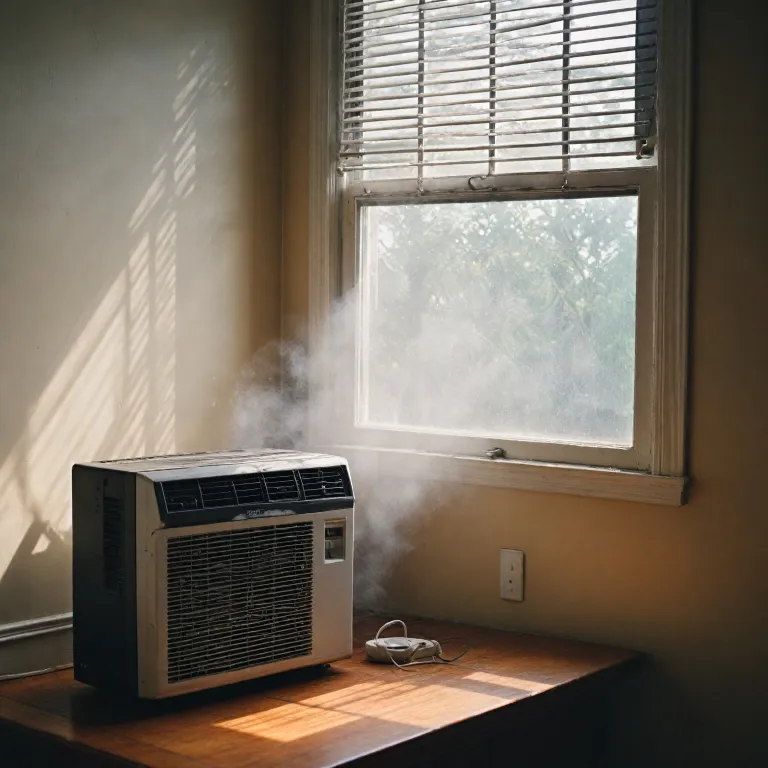
When your air conditioner starts giving off a dusty or musty smell, it’s more than just an inconvenience. These odors can be early warnings that your unit or system needs cleaning or maintenance. Recognizing the signs early helps you avoid bigger problems and keeps your indoor air fresh and healthy.
- Persistent musty or dusty odors air: If you notice a lingering musty smell or dusty odor when your air conditioning is running, it’s a clear sign that dust, mold, or mildew may be present inside the unit or air ducts.
- Reduced air quality: If the air feels heavy, stale, or triggers allergies, your air conditioner might be circulating dust, mold spores, or other contaminants.
- Visible dust or dirt: Check around the vents, air filter, and drain pan. A buildup of dust or dirty residue is a sign your system needs cleaning.
- Unusual noises or weak airflow: Clogged filters or a blocked drain can cause your air conditioner to work harder, sometimes resulting in strange sounds or reduced airflow.
- Other strange smells: Besides dusty or musty odors, burning smells could point to electrical issues, while a sour scent might indicate excess moisture or mildew growth.
Addressing these signs promptly can prevent more serious issues, such as mold mildew growth or even a refrigerant leak. If you’re unsure about the cause or if the conditioner smells persist after basic cleaning, it may be time to call a professional hvac technician for a thorough inspection.
For more guidance on keeping your air conditioning system clean and effective, check out this resource on choosing the right air filter to combat dust mites.
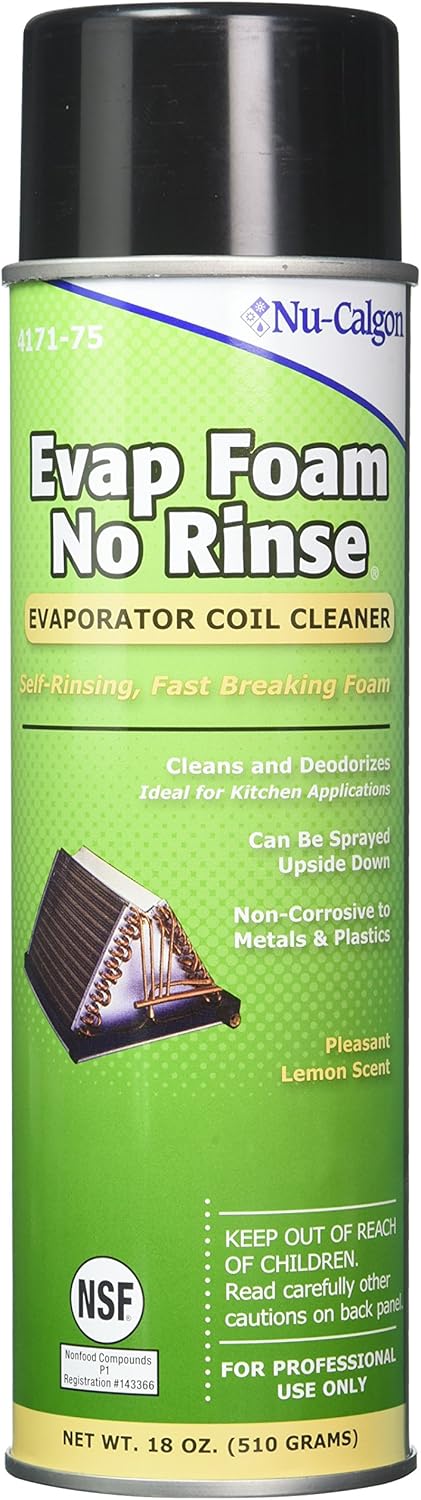
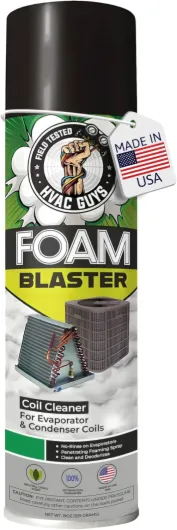
- + Effective cleaning foam
- + Easy to use spray application
- + Removes dirt and debris
- + Convenient size for handling

Why does your air conditioner smell dusty?
Common Reasons Behind Dusty Odors in Your Air Conditioner
When your air conditioner smells dusty, it's more than just an annoyance. This odor is often a sign that something inside your unit or system needs attention. Understanding the main causes can help you address the problem and keep your indoor air fresh and healthy.
- Accumulated Dust and Debris: Over time, dust and dirt can build up on the air filter, coils, and inside the air ducts. When the air conditioning system runs, it blows this dust into your living space, causing a musty smell.
- Clogged or Dirty Air Filters: If the air filter is clogged, it can't trap dust and other particles effectively. This not only affects air quality but also leads to dusty odors air when the conditioner is on.
- Excess Moisture and Mold Growth: Air conditioners remove moisture from the air, but if the drain pan or drain line is clogged, water can accumulate. This creates a perfect environment for mold mildew and mildew growth, which can cause musty odors and even burning smells if left unchecked.
- Dirty Air Ducts: Dust, pet dander, and other debris can settle in the air ducts. When the system runs, these particles are pushed out, making the conditioner smell musty or dirty.
- Refrigerant Leaks or Mechanical Issues: Sometimes, a refrigerant leak or malfunctioning parts can create unusual odors. While not always dusty, these smells can mix with existing dust and worsen the problem.
Why Addressing Dusty Smells Matters
Ignoring a dusty or musty smell from your air conditioning unit can lead to poor indoor air quality and potential health issues. Mold spores and dust particles can circulate throughout your home, aggravating allergies and respiratory problems. Regular maintenance and cleaning are essential to keep your air conditioners running efficiently and your air fresh.
For more tips on reducing dust and improving air quality at home, check out this guide on enhancing air quality and reducing dust and allergens.
When to Consider Professional Help
If your conditioner smells persist after basic cleaning, or if you notice signs of mold, excess moisture, or a refrigerant leak, it may be time to call a professional hvac technician. A professional can inspect the system, clean components thoroughly, and ensure your air conditioning unit is safe and efficient.
How dust affects your indoor air quality
How Dust and Debris Impact Your Indoor Air
When your air conditioner smells dusty, it's more than just an unpleasant odor. Dust and debris inside your unit can directly affect the quality of the air you breathe. As your air conditioning system circulates air throughout your home, it can pick up particles from dirty air filters, clogged air ducts, or a neglected drain pan. These particles then spread through your living space, leading to musty odors and even potential health concerns.
- Dirty air filters trap dust, pollen, and other contaminants. When filters are clogged, they can't do their job, allowing these particles to recirculate.
- Excess moisture in the system, often from a blocked drain or drain pan, creates the perfect environment for mold and mildew growth. This leads to musty smells and can worsen indoor air quality.
- Air ducts that haven't been cleaned in a while can harbor dust, mold, and even small pests. When the air conditioner runs, these contaminants are blown into your rooms.
- Burning smells may indicate dust buildup on electrical components or the heat exchanger, which can be a sign to call a professional hvac technician.
Continuous exposure to poor indoor air quality can trigger allergies, asthma, and other respiratory issues. If your air conditioning unit is spreading odors or musty smells, it's a sign that your system needs attention. Regular cleaning and maintenance are crucial to keep your air fresh and your system running efficiently.
For those with outdoor units, protecting your system from excess debris and moisture is also important. Using the right cover for your outdoor air conditioner can help prevent dust and mold from entering your system, reducing the risk of musty odors and maintaining better air quality inside your home.
Simple steps to eliminate the dusty smell
Practical ways to freshen up your air conditioner
A dusty or musty smell from your air conditioning unit can make your indoor air uncomfortable. Fortunately, there are several straightforward steps you can take to address these odors and improve your air quality.- Replace or clean the air filter: A dirty air filter is one of the most common causes of musty odors. Check your air filter regularly and replace it according to the manufacturer's instructions. If your system uses a reusable filter, wash it thoroughly and let it dry before reinstalling.
- Clean the drain pan and drain line: Excess moisture in the drain pan or a clogged drain line can lead to mold and mildew growth, which causes musty smells. Carefully remove any standing water from the drain pan and clear out the drain line to prevent buildup.
- Wipe down accessible components: Dust and debris can accumulate on the evaporator coils, vents, and other accessible parts of your air conditioning system. Use a damp cloth to gently clean these areas, being careful not to damage any components.
- Check for visible mold or mildew: If you notice mold or mildew on your unit or in your air ducts, it's important to address it promptly. Small spots can sometimes be cleaned with a mild detergent, but extensive growth may require a call to a professional HVAC technician.
- Run the fan to dry out moisture: After cleaning, run your air conditioner’s fan mode for 30 minutes to help dry out any remaining moisture. This can help prevent musty odors from returning.
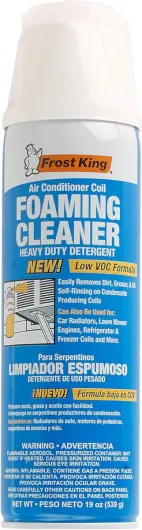
- + Effective foam cleaner
- + Convenient 19-ounce size
- + Lemon scent for freshness
When to seek professional help
When a Professional Assessment Is Needed
Sometimes, a dusty or musty smell from your air conditioner is more than just a minor nuisance. While regular cleaning and filter changes can help, there are situations where calling a professional HVAC technician is the safest and most effective option.
- Persistent or worsening odors: If the musty or burning smell returns soon after cleaning or never goes away, it could signal deeper issues like mold mildew growth inside the unit or air ducts.
- Visible mold or mildew: Any signs of mold around the air conditioner, drain pan, or vents should be addressed by a professional. Mold can impact indoor air quality and may require specialized cleaning.
- Clogged or overflowing drain pan: Excess moisture in the system can cause mildew growth and musty odors. If the drain pan is clogged or water is pooling, a technician can safely clear the blockage and check for leaks.
- Strange noises or poor performance: If your air conditioning unit is making unusual sounds or not cooling as it should, there could be a mechanical problem, dirty coils, or even a refrigerant leak. These issues can affect both air quality and system efficiency.
- Dirty or clogged air ducts: Dust and debris inside air ducts can spread odors air throughout your home. A professional cleaning may be necessary to restore fresh air flow.
Attempting to fix complex problems yourself can sometimes make things worse or even damage the system. A certified HVAC professional has the tools and expertise to diagnose and resolve issues safely, ensuring your air conditioner smells fresh and your indoor air remains healthy.
Preventing future dusty smells in your air conditioner
Routine Maintenance for a Fresher Home
Keeping your air conditioner free from musty odors and dusty smells starts with regular care. Dust, mold, and excess moisture can build up inside the unit, leading to unpleasant odors air and even affecting your indoor air quality. Here are practical steps to help prevent these issues:
- Change or clean air filters regularly. Dirty air filters are a common cause of conditioner smells and musty odors. Most manufacturers recommend checking filters every one to three months, especially during heavy use.
- Inspect and clean the drain pan and drain lines. A clogged drain can cause water to pool, encouraging mold mildew and mildew growth. Make sure the drain pan is dry and the lines are clear to avoid excess moisture.
- Keep air ducts and vents clean. Dust and debris in your air ducts can circulate throughout your home, leading to a persistent dusty smell. Schedule periodic duct cleaning to maintain fresh air flow.
- Check for refrigerant leaks. A refrigerant leak can sometimes cause strange odors and reduce your system’s efficiency. If you notice a chemical or burning smell, call a professional hvac technician to inspect your system.
- Monitor for signs of mold or mildew. If you detect a musty smell or see visible mold, address it promptly. Mold can spread quickly in the moist environment of air conditioners.
When to Involve a Professional
Some issues, like persistent odors or a conditioner smell that doesn’t go away after cleaning, may require expert attention. If your air conditioning unit continues to smell musty or you suspect a deeper problem such as a refrigerant leak or extensive mold, it’s best to call professional help. A certified hvac technician can thoroughly inspect your system, clean hard-to-reach components, and ensure your air conditioning is safe and efficient.
Long-Term Habits for Odor-Free Cooling
- Schedule annual maintenance for your hvac system to catch problems early.
- Keep the area around your air conditioner clear of dust and debris.
- Use a dehumidifier in damp spaces to reduce excess moisture that can lead to mildew growth.
- Stay alert for changes in smell or performance, and address them promptly.
By following these steps, you can help ensure your air conditioning system delivers clean, fresh air and keeps musty odors at bay.