
Understanding where household dust comes from
What Makes Up Household Dust?
Dust in your house is more than just dirt. It’s a mix of tiny particles from various sources, both inside and outside your home. Common components include dead skin cells, pet dander, fibers from clothing and furniture, pollen, dust mites, and even particles that drift in through open windows and doors. Outdoor dirt and pollutants can also enter through your HVAC system or on shoes, adding to the dust accumulation indoors.
Main Sources of Dust in the Home
- Pet dander and hair: Pets shed fur and skin cells, which become airborne and settle as dust.
- Dead skin cells: Humans naturally shed skin, contributing to indoor dust levels.
- Textile fibers: Carpets, curtains, and upholstery release fibers into the air, especially when disturbed.
- Outdoor particles: Dirt, pollen, and other particles enter through open windows, doors, and on shoes.
- HVAC system: Poorly maintained HVAC systems can circulate dust and dirt throughout your house.
- Household activities: Cleaning, vacuuming, and even walking around can stir up dust particles, making them airborne.
Why Dust Accumulates So Quickly
Even with regular cleaning, dust seems to return fast. This is because many sources are ongoing—pets continue to shed, skin cells are always being released, and outdoor particles keep coming in. If your home has poor air filters or an inefficient HVAC system, dust buildup can be even worse. Regular cleaning and using effective air filters can help reduce dust, but it’s important to address all sources for better indoor air quality.
For a deeper look at how to reduce dust in your home, understanding the sources is the first step. The next sections will explore how dust impacts your health, common mistakes that make dust worse, and how air purifiers and other strategies can help you keep your house clean and comfortable.

How dust impacts your health and comfort
How Dust Affects Your Well-being at Home
Dust is more than just a nuisance on your shelves and floors. It’s a complex mix of particles like dirt, dead skin cells, pet dander, pollen, and even fibers from fabrics. When these particles accumulate indoors, they can impact both your comfort and your health.
Breathing in Dust: What Happens?
Every time you walk across a room or open a window, dust particles get stirred up into the air. These tiny particles can be inhaled, especially if your house has high dust levels or if your HVAC system isn’t filtering the air properly. For many people, this can trigger sneezing, coughing, or itchy eyes. If you have allergies or asthma, dust allergens and dust mites can make symptoms worse, leading to more discomfort and even sleep problems.
Hidden Sources of Dust Allergens
- Pet dander: Even if you clean regularly, pets shed skin cells and hair that add to dust buildup.
- HVAC systems: Dirty air filters or ducts can circulate dust throughout your home.
- Windows and doors: Gaps or poor seals let in outdoor dirt and pollen.
- Everyday activities: Vacuuming without a HEPA filter, or shaking out rugs, can send dust back into the air.
Why Indoor Air Quality Matters
Good indoor air quality is essential for a healthy home. High dust accumulation can lower air quality, making your house feel stuffy and less clean. Over time, breathing in dust particles may contribute to respiratory issues, especially for children, older adults, or anyone with sensitivities. Keeping dust levels low helps everyone breathe easier and feel more comfortable.
For more practical tips on enhancing air quality and reducing dust and allergens at home, check out our detailed guide.
Common mistakes that make your home dustier
Everyday Habits That Let Dust Settle In
Many people are surprised by how quickly dust can accumulate in their house. While some sources are unavoidable, certain habits and oversights can make your indoor air quality worse and increase dust buildup. Understanding these common mistakes can help you reduce dust and keep your home cleaner.
- Infrequent Cleaning: Skipping regular vacuuming or dusting allows dust particles, pet dander, and dirt to settle and accumulate. Using a vacuum with a HEPA filter can help remove dust mites and other allergens more effectively.
- Neglecting Air Filters: Forgetting to replace or clean HVAC system filters means your system recirculates dust and dirt throughout your home. Clogged filters can’t trap particles efficiently, reducing the system’s ability to improve air quality.
- Ignoring Pet Grooming: Pets shed hair and dander, which become a major source of indoor dust. Regular grooming and cleaning of pet bedding can help reduce dust allergens and keep dust levels down.
- Leaving Windows and Doors Open: Open windows and doors let in outdoor particles, pollen, and dirt, increasing indoor dust accumulation. Sealing gaps and using screens can help limit these sources.
- Overlooking Soft Furnishings: Carpets, curtains, and upholstered furniture trap dust, dead skin cells, and pet dander. Washing or vacuuming these items regularly helps remove dust and improve indoor air quality.
- Not Addressing Humidity: Low humidity allows dust to stay airborne longer, while high humidity can encourage dust mites and mildew. Using a smart thermostat or dehumidifier helps maintain balanced humidity and reduces dust buildup.
- Skipping Duct Cleaning: Dust and debris can accumulate in your HVAC ducts. Without periodic duct cleaning, your system may blow dust particles back into your living spaces.
Being mindful of these habits and making small changes can help reduce dust and improve the quality of your indoor air. For more tips on tackling persistent odors and dust, check out this guide on removing mildew smells and keeping your home fresh.
The role of air purifiers in controlling dust
How Air Purifiers Capture Dust and Improve Air Quality
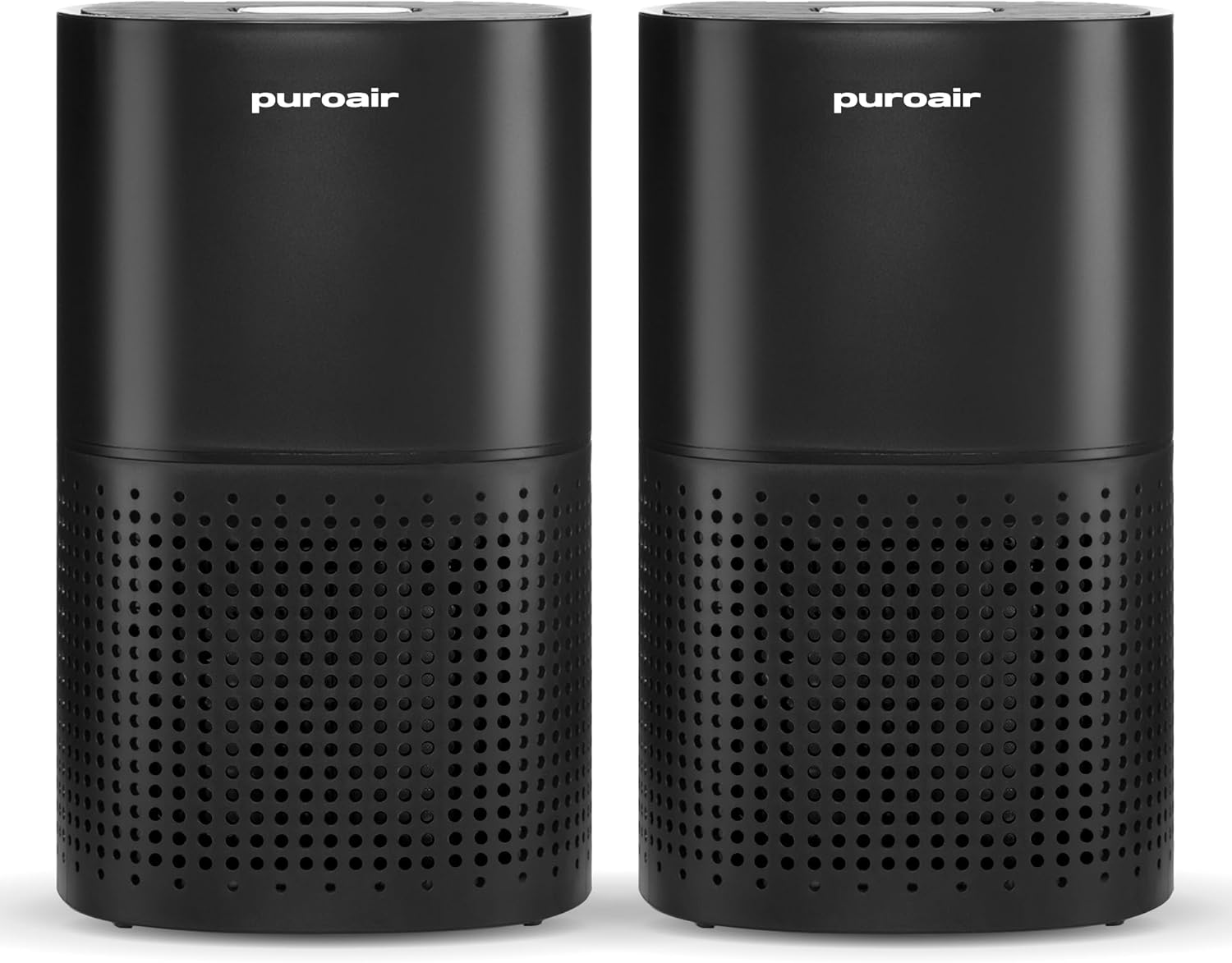
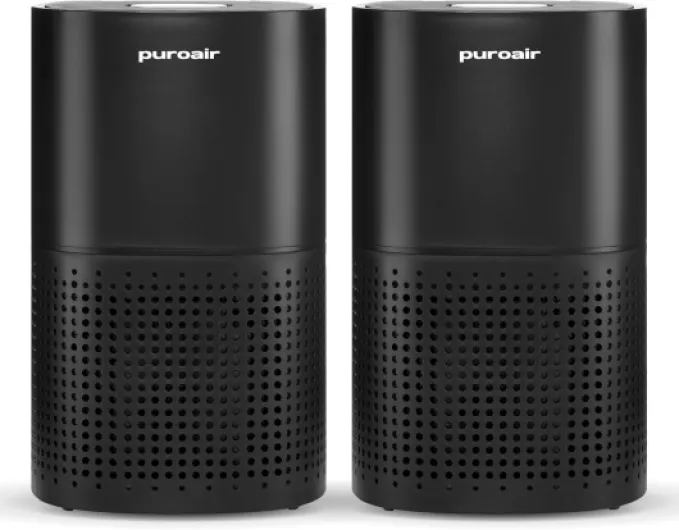
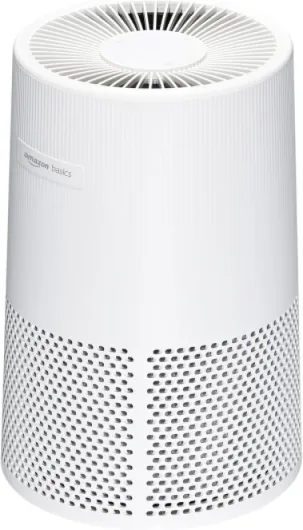
Air purifiers are designed to help reduce dust levels in your house by filtering out dust particles and other airborne contaminants. These devices pull indoor air through a series of filters, trapping dirt, pet dander, dead skin cells, and even dust mites. By continuously cycling the air, air purifiers can significantly lower dust accumulation and improve overall air quality.
What Makes an Air Purifier Effective Against Dust?
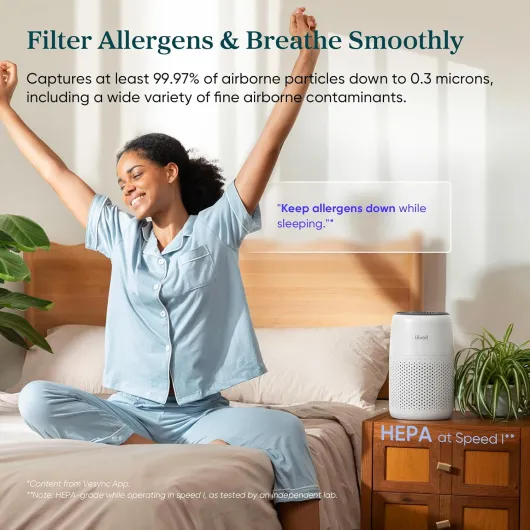
- High-Efficiency Filters: HEPA filters are particularly effective at capturing fine dust particles, pet dander, and dust allergens. Look for air purifiers with true HEPA filters for the best results.
- Pre-Filters: These catch larger particles like hair and pet fur, which helps extend the life of the main filter and keeps your system running efficiently.
- Activated Carbon Filters: While mainly used for odors, these can also trap some airborne particles, contributing to a cleaner indoor environment.
Where Should You Place Your Air Purifier?
To maximize dust reduction, position your air purifier in rooms where dust buildup is most noticeable, such as living rooms, bedrooms, or areas where pets spend time. Avoid placing it behind furniture or in corners, as this can restrict airflow and reduce its effectiveness.
Air Purifiers as Part of a Whole-Home Strategy
While air purifiers can help keep dust levels down, they work best when combined with other cleaning and maintenance routines. Regular vacuuming, cleaning HVAC system air filters, and sealing windows and doors to prevent outdoor dirt from entering all contribute to reducing dust accumulation. If you have pets, frequent cleaning and grooming can further minimize pet dander and dust mites in your indoor air.
Maintenance Matters
To ensure your air purifier continues to remove dust efficiently, clean or replace its filters as recommended by the manufacturer. Neglecting filter maintenance can lead to reduced performance and even recirculate dust back into your house. If your HVAC system has integrated air filters, remember to check and replace those regularly as well.
Other effective ways to reduce dust at home
Smart Cleaning Habits for Less Dust
Keeping your house clean is one of the most effective ways to reduce dust accumulation. Regular cleaning helps remove dust particles, pet dander, and dirt before they settle. Using a vacuum with a HEPA filter can capture even the smallest dust mites and allergens. Don’t forget to vacuum carpets, rugs, and upholstery, as these are common sources of dust buildup. Damp dusting surfaces instead of dry dusting helps trap particles instead of spreading them into the air.
Managing Pets and Their Dander
Pets are a major source of indoor dust, especially due to shedding fur and dander. Brushing pets regularly and bathing them as needed can help keep dander levels down. Wash pet bedding and toys frequently to prevent dust and allergens from accumulating. If possible, keep pets out of bedrooms and off furniture to further reduce dust levels in the air.
Improving Your HVAC System
Your HVAC system plays a big role in indoor air quality. Change air filters regularly—at least every three months, or more often if you have pets or allergies. High-quality air filters are better at trapping dust particles and allergens. Consider scheduling professional duct cleaning to remove dust buildup inside the system. Installing a smart thermostat can help control humidity, which discourages dust mites and helps keep dust levels lower.
Sealing Entry Points and Reducing Outdoor Sources
Dust often enters the house through windows, doors, and small gaps. Sealing these entry points can help reduce the amount of outdoor dirt and dust coming inside. Use doormats at entrances and encourage everyone to remove shoes before entering to limit the spread of dust and dirt indoors.
Other Simple Ways to Keep Dust Down
- Wash bedding and curtains regularly to remove dead skin cells and dust mites.
- Declutter surfaces to make cleaning easier and reduce dust accumulation.
- Use an air purifier with a HEPA filter to help remove dust particles from indoor air.
- Keep humidity levels between 40% and 50% to discourage dust mites.
Combining these strategies with the use of air purifiers and proper HVAC maintenance can make a noticeable difference in your home's air quality and help you keep dust under control.
How to choose the right air purifier for your needs
Key Features to Look for in an Air Purifier
When choosing an air purifier to help reduce dust in your house, focus on features that directly address dust particles, pet dander, and other indoor air pollutants. Not all air purifiers are created equal, and the right one can make a noticeable difference in your cleaning routine and overall air quality.
- HEPA Filters: High-Efficiency Particulate Air (HEPA) filters are essential for trapping fine dust, dust mites, and pet dander. Look for purifiers labeled "True HEPA" for the best results in removing dust allergens and reducing dust buildup.
- Pre-Filters: These capture larger particles like pet hair and dirt before they reach the main filter, extending its life and improving efficiency.
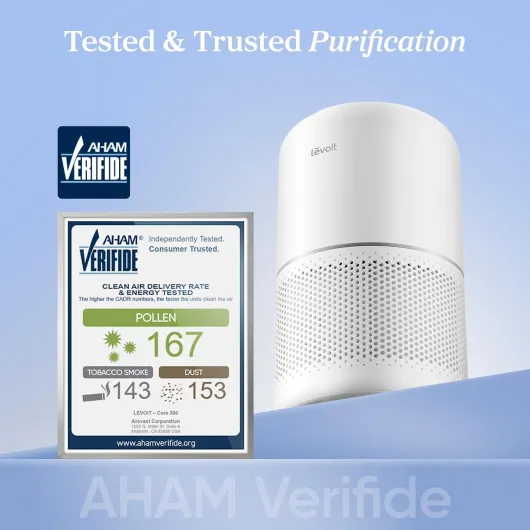
- CADR Rating: The Clean Air Delivery Rate (CADR) measures how quickly the system can filter dust, smoke, and pollen. Higher CADR means faster and more effective cleaning of indoor air.
- Room Size Compatibility: Match the purifier’s capacity to the size of your room for optimal performance. Using a small unit in a large space won’t effectively reduce dust levels.
- Filter Replacement Indicator: This feature helps you keep track of when to change filters, ensuring your system continues to remove dust efficiently.
- Noise Level: If you plan to run the purifier in bedrooms or living areas, check the decibel rating to keep your house comfortable and quiet.
- Smart Features: Some purifiers offer smart thermostat integration, air quality sensors, or app controls, making it easier to monitor and adjust settings based on indoor air quality and dust accumulation.
Matching Your Needs to the Right Purifier
Consider your home’s specific sources of dust. If you have pets, prioritize models that excel at capturing pet dander and hair. For households with allergies or asthma, a purifier with advanced HEPA filtration and high CADR is crucial. If your HVAC system circulates a lot of air, choose a purifier that complements your existing air filters and doesn’t interfere with airflow.
| Feature | Best For |
|---|---|
| True HEPA Filter | Dust mites, fine dust, allergens |
| Activated Carbon Filter | Odors, smoke, some chemicals |
| Pre-Filter | Pet hair, large particles |
| Smart Sensors | Automatic adjustment, real-time air quality monitoring |
| Quiet Operation | Bedrooms, nurseries, offices |
Maintenance and Placement Tips
To maximize your air purifier’s ability to reduce dust accumulation, place it in areas with the most dust sources, such as living rooms or bedrooms with pets. Keep windows and doors closed when running the unit to prevent outdoor dirt and pollen from entering. Regularly clean or replace air filters as recommended by the manufacturer. Pairing your air purifier with consistent vacuuming, duct cleaning, and proper HVAC system maintenance will further help keep your indoor air clean and reduce dust levels.