

Understanding the need for garage ventilation
Why Garage Air Quality Matters
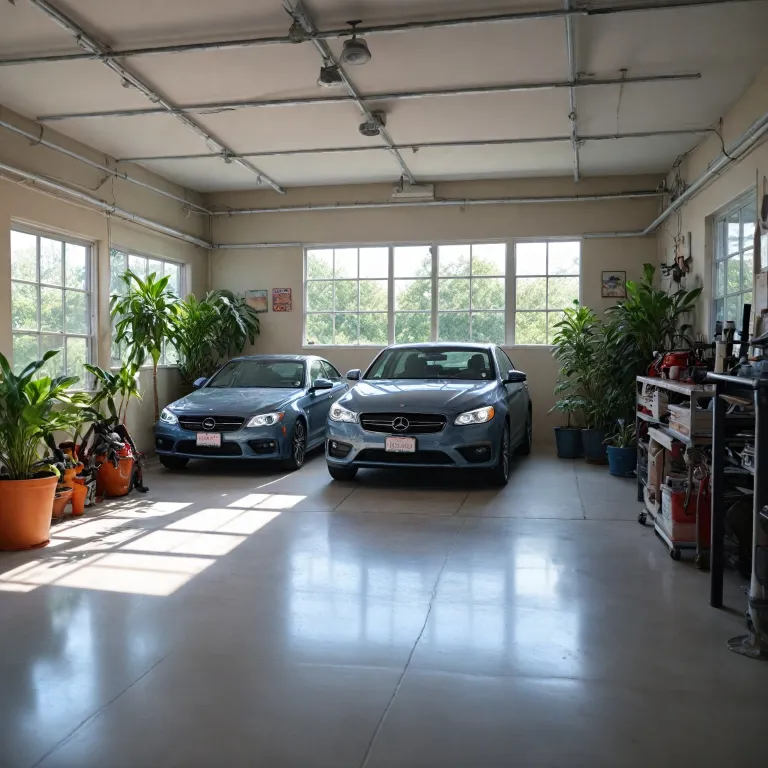
Garages are often overlooked when it comes to indoor air quality, yet they can be hotspots for pollutants. Vehicles, stored chemicals, and even humidity can create a mix of contaminants that linger in the air. Without proper ventilation, these pollutants—including carbon monoxide from car exhaust—can build up, posing health risks and affecting the comfort of your home.
Common Sources of Poor Air in Garages
- Vehicle exhaust: Running engines release carbon monoxide and other gases that can quickly accumulate.
- Chemical storage: Paints, solvents, and cleaning products emit volatile organic compounds (VOCs).
- Humidity: Moisture from weather or activities can lead to mold growth and musty odors.
- Poor air circulation: Many garages lack windows or vents, trapping stale air inside.
Why Ventilation is Essential
Installing a proper garage ventilation system—such as a wall-mounted exhaust fan, ceiling fan, or powered attic fan—helps remove harmful fumes and brings in fresh air. This not only protects your health but also preserves your belongings and the structure of your garage. Energy efficient options, like solar powered fans, can help control humidity and temperature without driving up your energy bill.
How Ventilation Impacts Your Whole Home
Air from your garage can seep into living spaces, especially if your garage is attached to your house. Effective ventilation, including the use of vents, fans, and exhaust systems, can prevent pollutants from spreading. For more on how ceiling vents influence air quality throughout your home, check out this guide to ceiling vents and air purifier performance.
What to Consider Next
Understanding the need for garage ventilation is just the first step. When choosing a system, factors like fan CFM (cubic feet per minute), price, and installation method (wall, ceiling, or attic) all play a role. In the following sections, you’ll learn about the key features of effective systems, types of garage fans and vents, installation tips, and ongoing maintenance to keep your garage air clean and safe.

Key features of an effective garage ventilation system
Essential Elements for Cleaner Garage Air
When selecting a garage ventilation system, understanding the features that truly make a difference is key. The right combination of exhaust fans, vents, and controls can transform your garage from a stuffy, potentially hazardous space into a safer, more comfortable environment. Below are some of the most important features to consider for effective air circulation and cleaner air in your car garage.
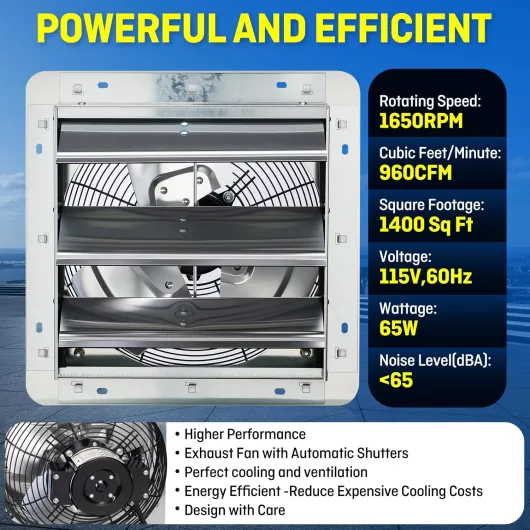
- Exhaust Fan Power (CFM): The cubic feet per minute (CFM) rating of a fan determines how much air it can move. For garages, a higher fan CFM is often necessary to quickly remove fumes, humidity, and carbon monoxide. Check the size of your garage and match it with a fan garage model that delivers adequate air changes per hour.
- Vent Placement and Type: Wall and ceiling vents, as well as mounted exhaust fans, play a crucial role in directing airflow. Properly placed vents garage systems help ensure that stale air is pushed out and fresh air is drawn in. For more on how ceiling vents impact air purifier performance, see how ceiling vents impact air purifier performance in your home.
- Humidity Control: High humidity can lead to mold and rust. Some ventilation systems include humidity sensors or can be paired with dehumidifiers to maintain optimal moisture levels.
- Energy Efficiency: Look for energy efficient options, such as solar powered attic fans or solar powered garage exhaust fans. These products help reduce electricity costs while maintaining steady air delivery.
- Noise Level: Garage fans and ventilation fans can be noisy. If your garage is attached to your home or used as a workspace, consider models designed for quiet operation.
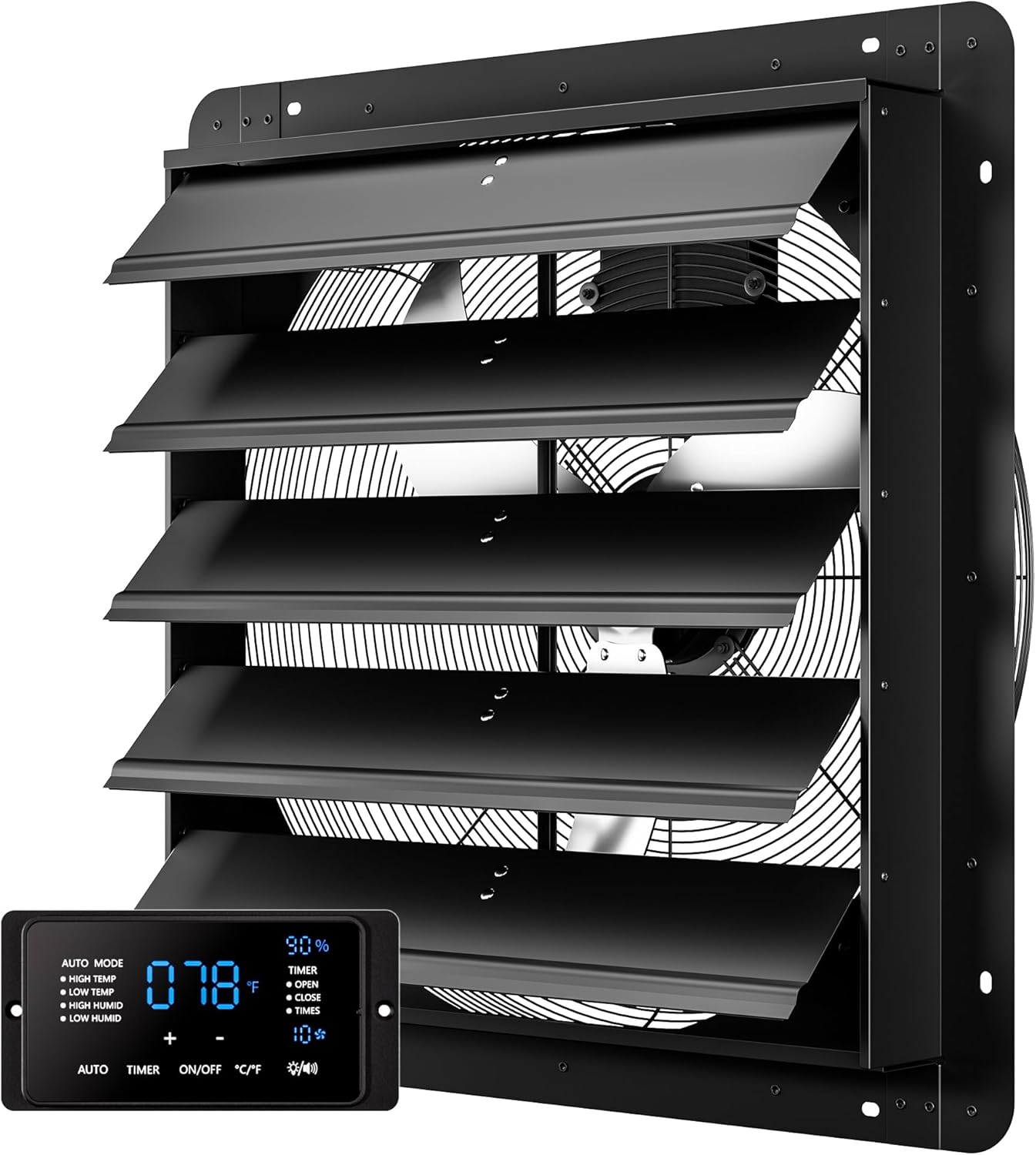
- Control Options: Modern systems may offer remote or smart controls, allowing you to adjust fan speed, schedule operation, or monitor air quality from your phone.
- Installation Flexibility: Whether you need a small fan for a compact space or a top powered attic fan for a large garage, choose a system that fits your wall, ceiling, or attic configuration.
- Price and Product Quality: Compare price points, warranty, and customer reviews to ensure you’re getting a reliable product that meets your needs.
By focusing on these features, you can select a garage ventilation system that not only improves air quality but also enhances safety and comfort. Remember, the right combination of exhaust, fans, and vents will help keep your garage air fresh and protect against harmful pollutants.
Types of garage ventilation systems
Comparing Popular Ventilation Options
When it comes to improving air circulation in your garage, there are several types of ventilation systems to consider. Each option has its own strengths, price points, and installation requirements. Here’s a look at the most common solutions:
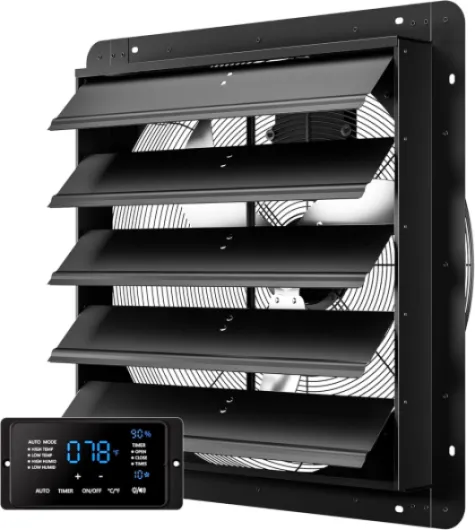
- Exhaust Fans: These are among the top choices for garages. A garage exhaust fan is designed to pull stale air, fumes, and humidity out, helping to reduce carbon monoxide and other pollutants. Wall-mounted exhaust fans are popular for their direct delivery of air outside. Ceiling-mounted exhaust fans can also be effective, especially in smaller garages or when space is limited. Always check the fan CFM (cubic feet per minute) rating to ensure it matches your garage size.
- Attic Fans: If your garage is attached to an attic, a powered attic fan can help remove hot air that accumulates above the garage. This can lower the temperature and humidity in both the attic and garage, improving comfort and protecting stored items.
- Vents and Passive Systems: Installing vents in the garage walls or ceiling allows fresh air to flow in and out naturally. While these systems are energy efficient and require minimal maintenance, they may not be enough for garages where fumes or humidity are a concern.
- Solar Powered Fans: For those looking for an energy efficient product, solar powered exhaust fans are a smart choice. They use solar panels to power the fan, reducing electricity costs while still providing effective ventilation.
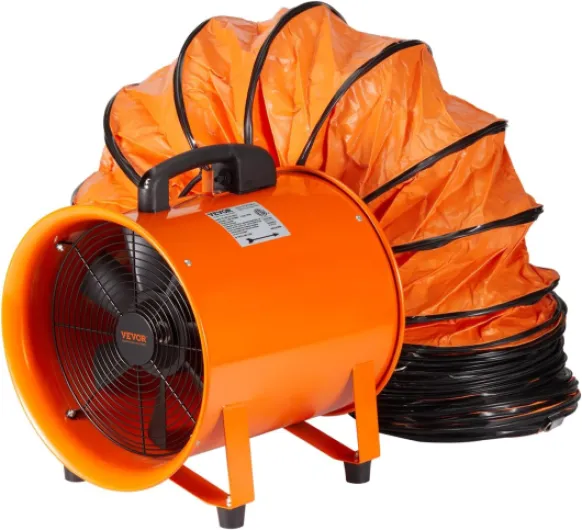
- Garage Fans: Standalone garage fans or ventilation fans can be used to boost air movement. These are especially useful in car garages where quick air delivery is needed after running engines or using chemicals.
Choosing the Right System for Your Needs
When selecting a ventilation system, consider the size of your garage, the typical humidity levels, and how often you use the space. For example, a small garage may only need a basic wall vent, while a larger car garage might benefit from a high-CFM exhaust fan or a combination of vents and fans. If you’re concerned about energy use, solar powered or energy efficient fans are worth exploring.
Don’t forget about control options. Some fans come with automatic humidity sensors or timers, making it easier to maintain optimal air quality without constant manual adjustments.
Product Performance and Maintenance
Whatever system you choose, regular maintenance is key to keeping your garage air clean. This includes checking vents for blockages, cleaning fan blades, and replacing filters if your system uses them. For more tips on maintaining air quality, you can read about how to handle air purifier filter replacement for better air quality.
Installation tips for optimal performance
Placement and Sizing for Maximum Air Circulation
Proper installation of your garage ventilation system is crucial for achieving cleaner air and effective exhaust of contaminants. Start by assessing the size of your garage and the typical sources of pollutants, such as car exhaust or humidity. The fan CFM (cubic feet per minute) rating should match the garage size to ensure enough air delivery and circulation. For small garages, a compact wall-mounted exhaust fan may be sufficient, while larger spaces or car garages often benefit from a combination of ceiling fans and powered attic fans for top air movement.
Choosing the Right Location for Vents and Fans
Strategic placement of vents and fans is key. Install exhaust fans near the source of fumes, like close to where vehicles are parked, to quickly remove carbon monoxide and other pollutants. Wall or ceiling mounted exhaust fans can help draw out stale air, while intake vents on the opposite wall or garage door allow fresh air to flow in. If your garage shares a wall with the attic, consider a solar powered attic fan to boost energy efficiency and reduce humidity.
Electrical and Control Considerations
When installing a ventilation fan or garage exhaust system, ensure the electrical wiring meets safety standards. Some products offer smart controls or humidity sensors for automatic operation, which can be especially useful in climates with high moisture. If you opt for a solar powered fan, check that the solar panel receives adequate sunlight for reliable performance.
Professional Installation vs. DIY
- DIY installation can be cost-effective for small fans or vents garage kits, but always follow the manufacturer’s instructions for safe mounting and wiring.
- For larger or more complex systems, such as powered attic fans or integrated ventilation systems, hiring a professional ensures proper setup and optimal air delivery.
Budget and Product Selection
Compare the price and features of different ventilation products before purchasing. Look for energy efficient models that offer high CFM ratings and reliable control options. Some garage fans and ventilation systems come with warranties or additional features like variable speed settings, which can add value over time.
Maintenance and upkeep of your ventilation system
Routine Checks for Consistent Performance
Maintaining your garage ventilation system is essential for keeping air circulation effective and ensuring the longevity of your investment. Regularly inspect the exhaust fan, vents, and any wall or ceiling-mounted exhaust units for dust, debris, or blockages. This is especially important in a car garage where fumes and particles can quickly accumulate. Clean or replace filters as recommended by the product manufacturer to maintain optimal fan cfm and airflow.
Cleaning and Replacing Components
- Exhaust fans and vents: Wipe down blades and grills to prevent buildup that can reduce efficiency.
- Attic fans: Check for dust and ensure the powered attic fan is free from obstructions. This helps with both garage and attic ventilation.
- Solar powered units: Clean solar panels to ensure maximum energy delivery and efficiency.
- Filters: Replace or clean filters in ventilation fans and garage exhaust systems as needed to keep fresh air moving.
Monitoring and Adjusting for Changing Conditions
Humidity and temperature can fluctuate in garages, especially with changing seasons. Use a humidity control device if your ventilation system supports it. Adjust fan speed or settings to match the needs of your space. For example, a small garage may need less cfm than a larger car garage, while a ceiling fan can help distribute air more evenly.
Professional Inspections and Safety
Schedule periodic professional inspections to check for issues like carbon monoxide leaks or electrical problems, especially if your system includes multiple garage fans or a mounted exhaust. This is crucial for safety and ensures your ventilation system remains energy efficient and compliant with local codes.
Keeping an Eye on System Performance
Monitor the noise level and airflow from your garage fan or ventilation fan. A sudden drop in performance or unusual sounds may signal the need for maintenance or replacement. Compare the current performance to the original product specifications, including fan cfm and delivery rate, to ensure your system is still operating at its top capacity.
Additional ways to improve garage air quality
Simple Upgrades for Cleaner Garage Air
Even with a well-installed ventilation system, there are extra steps you can take to boost air quality in your garage. These methods work alongside your exhaust fan, vents, and other garage ventilation solutions to help control dust, fumes, and humidity.
- Seal Cracks and Gaps: Check walls, ceilings, and around vents for leaks. Sealing these areas prevents outdoor pollutants and moisture from entering, supporting your ventilation system’s performance.
- Use a Dehumidifier: High humidity can lead to mold and rust. A dehumidifier helps keep moisture levels in check, especially in small or poorly ventilated garages.
- Regular Cleaning: Sweep floors, wipe surfaces, and remove clutter. This reduces dust and chemical buildup that can circulate even with good air delivery from your fans or exhaust system.
- Store Chemicals Safely: Keep paints, solvents, and fuels in sealed containers. Store them away from air intakes and vents to avoid spreading fumes through your garage ventilation system.
- Upgrade to Energy Efficient Fans: Consider replacing old exhaust fans or attic fans with energy efficient or solar powered models. These products can improve air circulation and reduce operating costs.
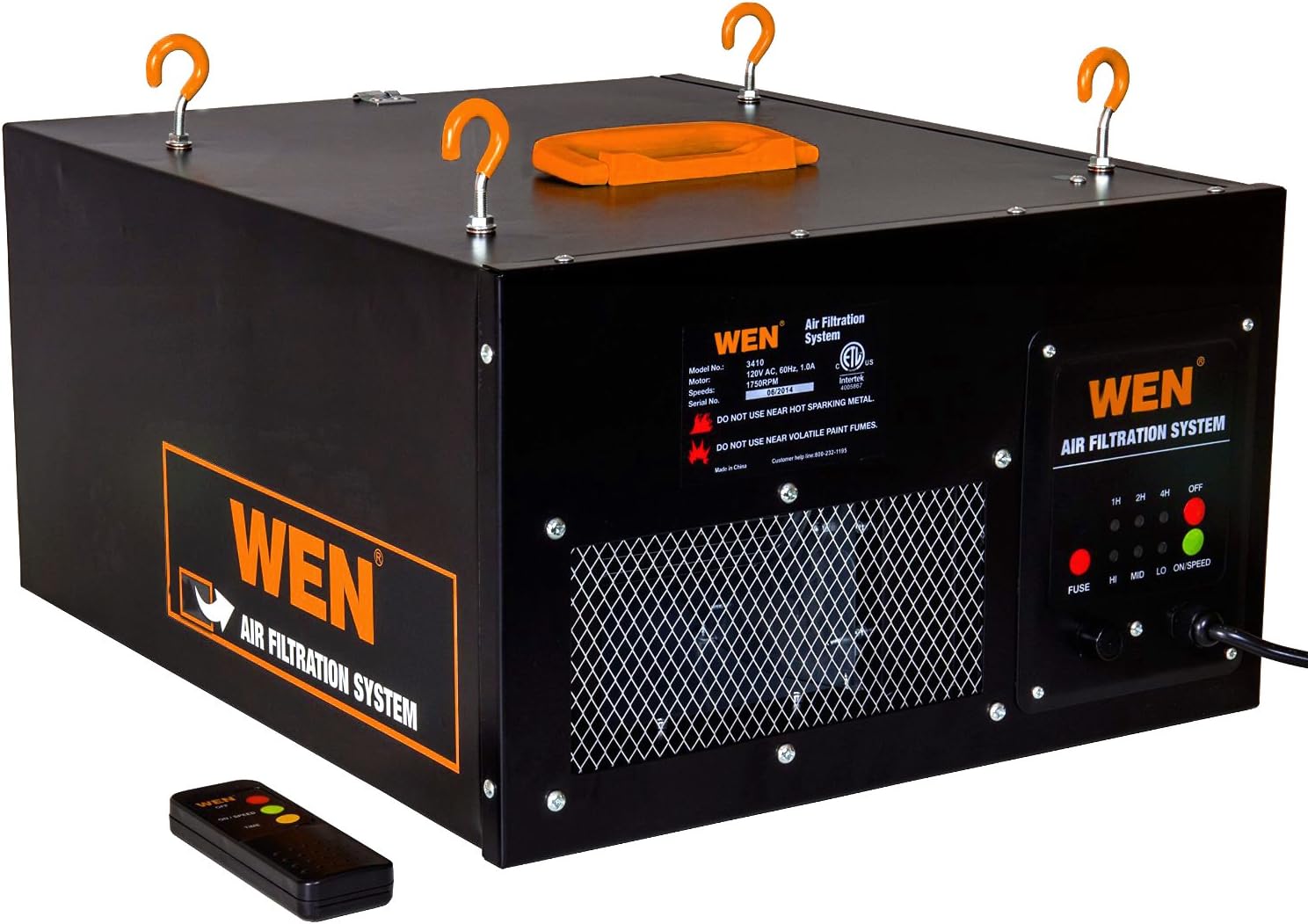
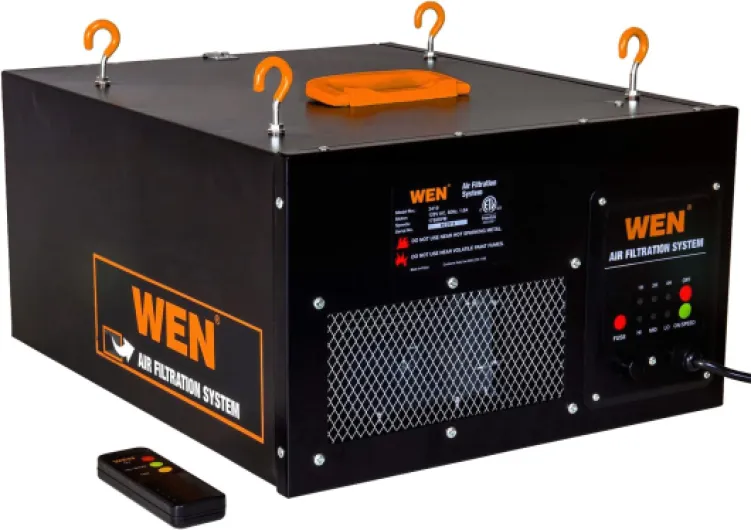
- Install Air Purifiers: For garages used as workshops or car garages, an air purifier can help trap fine particles and odors that ventilation fans might miss.
- Monitor Carbon Monoxide: Use a carbon monoxide detector, especially if you run vehicles or gas-powered tools inside. This adds an extra layer of safety beyond what a standard garage exhaust fan provides.
Smart Practices for Lasting Results
- Ventilate During and After Use: Run your garage fan or ventilation fan while working and for a while after. This helps clear out fumes and brings in fresh air.
- Check Fan CFM Ratings: Make sure your exhaust fan or ceiling fan is sized right for your garage. Higher CFM (cubic feet per minute) means better air movement, especially in larger or multi-car garages.
- Consider Solar Powered Options: Solar powered attic fans or garage fans can be a cost-effective way to boost air circulation without increasing your energy bill.
Combining these steps with a top-quality ventilation system ensures your garage stays cleaner, safer, and more comfortable year-round. Regular attention to air circulation, humidity control, and safe storage goes a long way in maintaining healthy air quality.