
Understanding the importance of garage ventilation
Why Garage Airflow Matters for Your Health
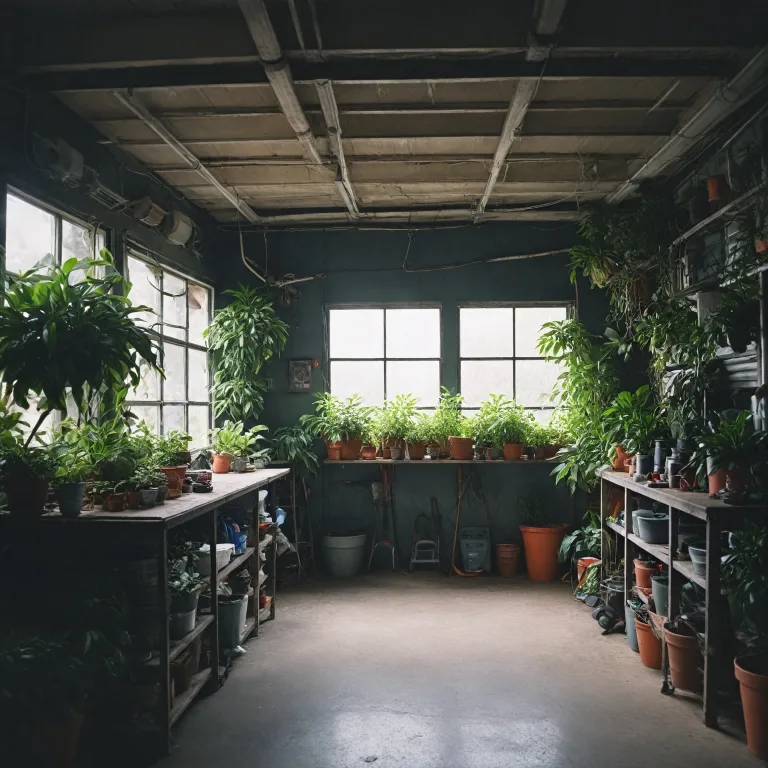
Many people overlook the importance of proper ventilation in the garage, but this space can have a big impact on overall air quality at home. Garages often store vehicles, tools, paints, and chemicals, all of which can release fumes and particles into the air. Without good airflow, these pollutants can build up, affecting not just the garage but also the rooms connected to it.
Effective garage ventilation helps remove harmful substances and brings in fresh air. This is especially important if you use your garage for hobbies, storage, or as a workspace. Poor air circulation can lead to higher humidity, which encourages mold growth and rust on metal surfaces. It can also make the garage uncomfortable, especially in summer or winter.
- Airflow and Vents: Using wall vents, gable vents, or a garage exhaust fan can help move stale air out and bring fresh air in. The placement of vents and fans, as well as their fan cfm (cubic feet per minute), determines how well air circulates.
- Garage Doors and Windows: Opening the garage door or installing a small window can make a big difference in air delivery and circulation, especially when combined with mechanical solutions.
- Humidity Control: Good ventilation helps keep garage humidity in check, protecting your belongings and the garage structure.
Whether you have a metal garage, a garage attic, or a space with a garage ceiling and roof, the right ventilation setup can help maintain healthier air quality. As you explore options like exhaust fans, speed controllers, and gable vents, keep in mind that the price and delivery of these solutions vary based on garage size and needs.
For a deeper understanding of how filtration and airflow work together to improve indoor air, check out this guide on understanding delta air filtration for cleaner indoor air.

Common sources of air pollution in garages
Key Pollutants and Where They Come From
Garages often serve as more than just a place to park vehicles. They can be workshops, storage areas, or even small hobby spaces. Unfortunately, this versatility means garages are prone to a variety of air pollution sources. Understanding these sources is essential for anyone looking to improve garage ventilation and maintain healthier air quality.
- Vehicle Emissions: Cars, motorcycles, and other gas-powered tools release exhaust fumes containing carbon monoxide, nitrogen dioxide, and particulate matter. Even short engine idling can quickly degrade air quality, especially in garages with poor airflow or blocked vents.
- Chemical Storage: Paints, solvents, pesticides, and cleaning agents are common in garages. These products can emit volatile organic compounds (VOCs) that linger in the air, especially if containers are not tightly sealed or are stored near heat sources like the garage ceiling or attic.
- Humidity and Mold: Poor ventilation and high humidity can lead to mold growth on walls, ceilings, and stored items. Mold spores are a significant indoor air pollutant, affecting both air quality and health.
- Dust and Particulates: Sawdust from woodworking, metal shavings, and general dust accumulation are common in garages. These particles can become airborne with any movement, especially if airflow is not well managed through vents or fans.
- Off-Gassing from Building Materials: Materials like insulation, treated wood, and certain types of flooring can release chemicals over time, especially in older garages or those with poor ventilation garage systems.
How Garage Design Impacts Air Quality
The structure and layout of a garage play a big role in how pollutants accumulate and disperse. For example, garages with few or no wall vents, gable vents, or exhaust fans often trap pollutants, leading to poor air circulation. Metal garages may heat up quickly, increasing the rate at which chemicals off-gas or humidity rises. Small garages with limited airflow or blocked garage doors can see rapid buildup of harmful substances.
| Source | Common Pollutants | Aggravating Factors |
|---|---|---|
| Vehicles | CO, NO2, particulates | Poor venting, closed doors |
| Chemical Storage | VOCs | High temperature, humidity |
| Mold | Spore particles | Humidity, lack of airflow |
| Dust/Particulates | Fine dust, metal shavings | Insufficient fans or vents |
| Building Materials | Formaldehyde, VOCs | Old materials, poor ventilation |
Why Identifying Sources Matters
Recognizing the specific pollutants in your garage is the first step toward choosing the right solutions, whether it’s installing a fan with the appropriate cfm, adding gable vents, or using an exhaust fan with a speed controller. For more detailed guidance on selecting the right equipment to keep garage air clean, check out this resource on how to choose the right garage vent fan for cleaner air.
Natural ventilation methods for garages
Simple Ways to Boost Fresh Airflow
Improving air circulation in your garage doesn’t always require expensive equipment. Natural ventilation methods can make a big difference in air quality, especially if you’re dealing with fumes, humidity, or dust from vehicles and stored items. Here are practical steps to ventilate your garage using what you already have or with minimal investment.
- Open the garage door and windows: This is the easiest way to let fresh air in and push stale air out. Even partially opening the garage door can help reduce humidity and improve airflow, especially during mild weather.
- Install wall vents or gable vents: Adding vents to your garage walls or gable ends allows for cross-ventilation. Gable vents are especially effective in garages with attic spaces, helping hot air escape from the garage ceiling or roof area.
- Use passive venting: Passive vents, such as metal or plastic grilles, can be installed on opposite walls to create a natural flow of air. This method works best when there’s a difference in temperature or wind pressure between the inside and outside of the garage.
- Take advantage of existing attic or roof vents: If your garage has an attic or shares a roof with your home, check for attic vents. These can help remove hot, humid air that rises to the top of the garage, improving overall air quality.
- Keep interior doors open when possible: If your garage connects to another room, opening the door can help equalize air pressure and promote air movement, but be mindful of fumes entering living spaces.
Tips for Maximizing Natural Ventilation
- Position vents on opposite walls or at different heights to encourage cross-ventilation.
- Consider the direction of prevailing winds when installing new vents or gable vents for optimal airflow delivery.
- Monitor humidity levels, especially in small or enclosed garages, to prevent mold and mildew.
- Regularly check that vents and openings are not blocked by stored items or debris.
Natural ventilation is a cost-effective way to keep your garage air fresh and reduce reliance on mechanical systems. For more on choosing the right air filter for your AC vent, which can further improve air quality, check out this guide to selecting air filters for AC vents.
Mechanical ventilation solutions
Choosing the Right Mechanical Ventilation for Your Garage
Mechanical ventilation is often the most reliable way to keep garage air quality in check, especially when natural airflow is limited. The right system can help remove fumes, humidity, and airborne particles that build up from vehicles, stored chemicals, or even just daily use.Types of Mechanical Ventilation Systems
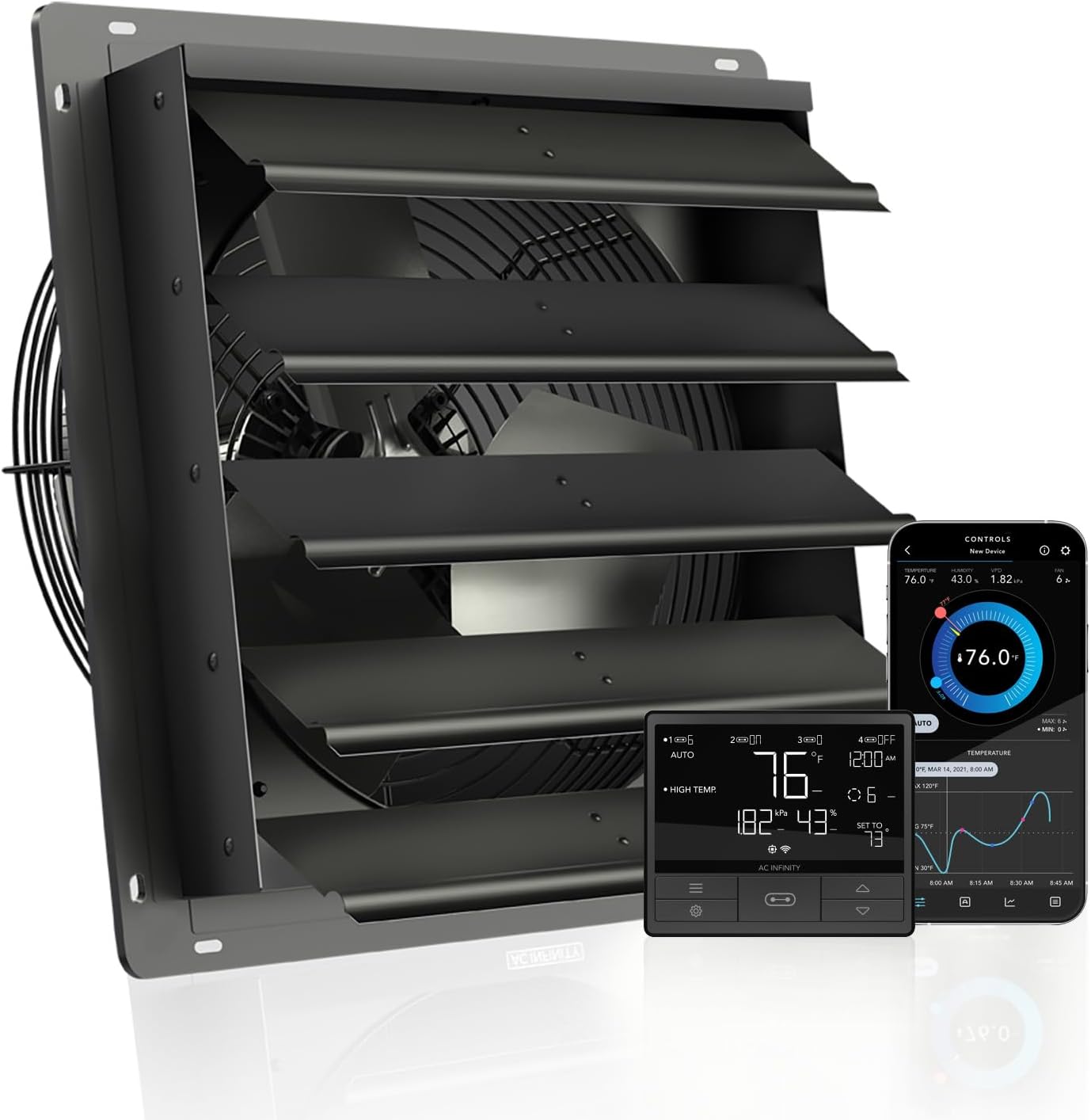
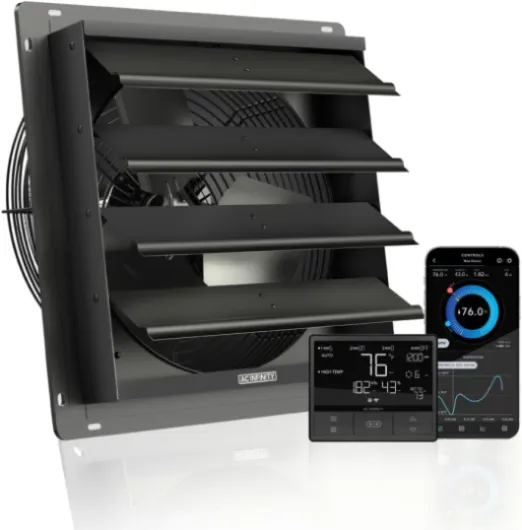
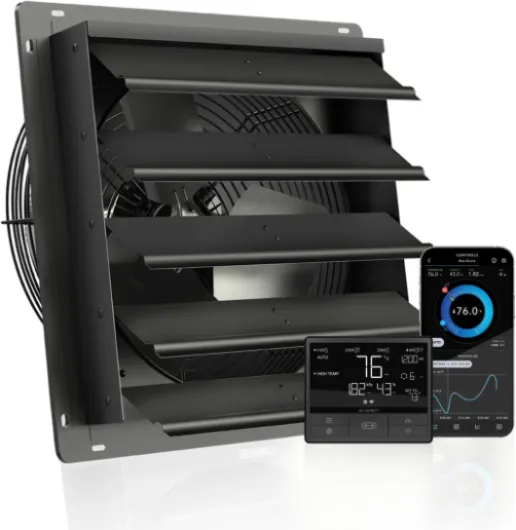
- Exhaust Fans: These are installed in the garage wall, ceiling, or even the garage roof. Exhaust fans pull stale air out, making room for fresh air to enter through vents or slightly opened garage doors. When choosing an exhaust fan, check the fan CFM (cubic feet per minute) rating. A higher CFM means more air is moved, which is crucial for larger or metal garages.
- Wall and Gable Vents: Wall vents and gable vents work together with fans to boost air circulation. Gable vents are especially effective in garages with attic spaces, helping hot air escape and reducing humidity.
- Speed Controllers: Some exhaust fans come with a speed controller, letting you adjust airflow based on the activity in your garage. For example, higher speed during painting or car repairs, lower speed for everyday use.
Installation and Placement Tips
- Place exhaust fans near the ceiling or garage attic to target rising hot air and fumes.
- Install wall vents or gable vents on opposite sides to create cross-ventilation, which helps ventilate the garage more efficiently.
- For small garages, a single exhaust fan may be enough. For larger spaces, consider multiple fans or a combination of fan and vent types.
- Keep garage doors and windows slightly open when running fans to allow for fresh air delivery.
Cost and Efficiency Considerations
| System Type | Typical Price Range | Best For |
|---|---|---|
| Basic Exhaust Fan | $50 - $200 | Small garages, basic air circulation |
| High-CFM Exhaust Fan | $200 - $600 | Large or metal garages, heavy-duty use |
| Gable Vent + Fan Combo | $150 - $500 | Garages with attic or gable roof |
| Speed Controller Add-On | $20 - $80 | Customizing fan speed and energy use |
Additional Tips for Effective Garage Ventilation
- Regularly check and clean vents garage and exhaust fans to maintain airflow and prevent dust buildup.
- Monitor humidity levels, especially in garages with limited airflow or those used for storage.
- Consider integrating a ventilation garage system with your home’s HVAC for improved air quality and comfort.
Mechanical ventilation, when chosen and installed correctly, can dramatically improve air circulation and help keep garage air quality at healthy levels. Combined with other strategies, it’s a key step to ensure your garage remains a safe and comfortable space.
The role of air purifiers in garage environments
How Air Purifiers Support Garage Ventilation
While vents, fans, and exhaust systems are essential for moving air and reducing pollutants in your garage, air purifiers add another layer of protection. They target airborne particles and contaminants that ventilation alone might miss, especially in spaces where airflow is limited or when outdoor air quality is poor.
What Air Purifiers Remove in the Garage
- Fine dust and metal particles: Common from vehicle repairs, woodworking, or metalwork.
- Fumes and VOCs: Paint, gasoline, and cleaning products release volatile organic compounds that linger even after opening the garage door or using exhaust fans.
- Allergens: Pollen, mold spores, and pet dander can enter through gable vents, wall vents, or when ventilating the garage.
Choosing the Right Air Purifier for Your Garage
When selecting an air purifier, consider the size of your garage and the type of pollutants you want to target. Look for units with a high Clean Air Delivery Rate (CADR) and a fan CFM (cubic feet per minute) rating that matches your garage's square footage. HEPA filters are effective for dust and allergens, while activated carbon filters help with fumes and odors.
| Feature | Why It Matters |
|---|---|
| CADR / Fan CFM | Ensures enough airflow to clean the air efficiently |
| Filter Type | HEPA for particles, carbon for odors and VOCs |
| Coverage Area | Matches the size of your garage, attic, or small workshop |
| Noise Level | Important if you spend time working in the garage |
| Price | Balance features and budget for best value |
Integrating Air Purifiers with Other Ventilation Methods
Air purifiers work best when combined with proper garage ventilation. Use exhaust fans, gable vents, and wall vents to remove humidity and fumes at the source. Then, let the air purifier handle the fine particles and lingering odors. For garages with a metal roof or limited attic space, portable purifiers can be moved as needed to keep garage air quality high.
Practical Tips for Air Purifier Placement
- Place the unit away from direct airflow from doors or fans to maximize air circulation.
- Keep the purifier elevated if possible, especially in garages with high ceilings or attic storage.
- Check and replace filters regularly to maintain performance.
Maintenance tips for sustained air quality
Routine Checks for Consistent Airflow
Maintaining good air quality in your garage depends on regular inspection of your ventilation system. Check that all vents, including gable vents, wall vents, and garage attic vents, are free from dust and debris. Blocked vents can reduce airflow and make it harder for exhaust fans or a garage exhaust system to work efficiently. If you have a fan or exhaust fan installed, verify the fan cfm (cubic feet per minute) rating matches your garage size and that the speed controller is functioning properly.
Cleaning and Replacing Filters
Air purifiers and exhaust fans with filters need periodic cleaning or replacement. Dust, pollen, and even metal particles can accumulate, reducing the effectiveness of your air purifier and ventilation garage setup. Follow the manufacturer's guidelines for filter maintenance. For garages with high humidity or frequent use of chemicals, consider more frequent filter changes to keep garage air fresh and safe.
Inspecting Mechanical Components
Fans, speed controllers, and exhaust systems require occasional checks. Listen for unusual noises from your garage exhaust or attic fan, which may indicate wear or a need for lubrication. Ensure that all moving parts, especially in metal exhaust fans or wall fans, are in good working order. If you notice reduced airflow, inspect the fan blades and clean them as needed.
Monitoring Humidity and Air Quality
High humidity can encourage mold growth and reduce air quality. Use a hygrometer to monitor humidity levels in your garage. If levels are consistently high, consider installing a dehumidifier or increasing ventilation by opening garage doors or using additional fans. Regularly check for musty odors or visible mold on garage ceiling, walls, or near vents garage, as these are signs that your current ventilation or air purifier setup may need adjustment.
Seasonal Adjustments and Upgrades
- In colder months, check that gable vents and garage roof vents are not blocked by snow or debris.
- In warmer weather, increase airflow by using higher fan speed settings or opening garage doors for cross-ventilation.
- Evaluate the price and delivery options for new or upgraded exhaust fans, gable vent systems, or air purifiers if your current setup is not meeting your needs.
By staying proactive with these maintenance steps, you can ensure your garage ventilation system—including vents, fans, and air purifiers—continues to deliver healthy, fresh air and optimal air circulation year-round.