
Understanding the importance of ventilation in garages
Why Proper Garage Ventilation Matters
Many people overlook the need for good ventilation in their garage, but it’s essential for both health and safety. Garages often trap fumes from vehicles, chemicals, and tools, which can linger and affect indoor air quality. Without a reliable fan or vent system, these pollutants can seep into your house, especially if your garage is attached. This is not just about comfort—prolonged exposure to exhaust and volatile organic compounds can be harmful.
Risks of Poor Airflow in Garages
- Fire hazard: Flammable vapors from gasoline, paint, or solvents can build up without proper exhaust or ventilation fans.
- Temperature and humidity: Poor airflow can cause heat and moisture to accumulate, leading to mold, rust, and damage to stored items or the garage structure itself.
- Energy efficiency: A hot, stuffy garage can increase cooling costs for your house, especially if the attic or garage attic is not well ventilated.
Common Signs Your Garage Needs Better Ventilation
- Lingering odors from cars, chemicals, or mildew
- Condensation on walls or windows
- Visible mold or rust on tools and surfaces
- Uncomfortable temperature swings
Choosing the right fan—whether it’s a heavy duty exhaust fan, a solar powered attic fan, or a wall-mounted ventilation fan—can make a big difference. The right product can help control temperature and humidity, improve air quality, and protect your investment in your garage, workshop, or shop. If you’re noticing persistent smells, it’s worth learning more about the causes and solutions for mildew odors as part of your ventilation strategy.
As you consider options, keep in mind factors like fan CFM (cubic feet per minute), motor speed, shutter design, and price. Whether you’re shopping on Amazon for a small vent fan or comparing top-rated garage exhaust fans for your garage house, understanding the basics of ventilation will help you make a smarter choice.

How a garage vent fan improves air quality
How Vent Fans Transform Garage Air Quality
A garage vent fan is more than just a way to move air. It’s a practical solution for reducing fumes, dust, and excess humidity that can build up in your garage, attic, or workshop. Whether you use your garage for parking, as a shop, or for storage, proper ventilation is essential for both health and safety.- Removes Harmful Pollutants: Exhaust fans help clear out car exhaust, paint fumes, and other chemicals that can accumulate in a closed garage. This is especially important if your garage is attached to your house, as poor ventilation can let these pollutants seep indoors.
- Controls Temperature and Humidity: A vent fan can help regulate temperature and humidity, making the space more comfortable and preventing issues like rust, mold, or mildew. High humidity can also damage tools and stored items.
- Improves Air Circulation: Fans, especially those with high CFM (cubic feet per minute) ratings, keep air moving. This helps prevent hot air from getting trapped in your attic or garage, reducing the risk of fire hazards and keeping your garage house cooler in summer.
- Reduces Odors: Persistent smells from chemicals, gasoline, or mildew can linger in poorly ventilated garages. A good exhaust fan or attic fan helps remove these odors, making your garage a more pleasant space to work or store items. For more tips on eliminating stubborn odors, check out this guide on how to get rid of mildew smell in your house.
Choosing the Right Fan for Your Space
When selecting a product, consider the size of your garage, the type of fan (wall, shutter, solar powered, or heavy duty), and the fan’s CFM rating. Energy efficient models can help save on electricity bills, while features like variable speed motors and automatic shutters add convenience and performance. Price can vary widely depending on the fan’s power and features, so it’s worth comparing options from top brands on sites like Amazon or your local shop. Remember, the right ventilation fan not only improves air quality but also protects your investment in your garage, attic, and everything stored inside.Key features to look for in a garage vent fan
Essential Qualities for Effective Garage Ventilation
When choosing a garage vent fan, focusing on the right features can make a big difference in air quality, energy efficiency, and overall safety. The right product will help control temperature, humidity, and even fire risks, especially in spaces like workshops or garages attached to your house. Here are some important factors to consider:
- CFM (Cubic Feet per Minute): This rating tells you how much air the fan can move. For garages, a higher CFM means better ventilation. Consider the size of your garage or attic garage to determine the right fan CFM for your needs.
- Type of Fan: Options include wall-mounted exhaust fans, attic fans, and solar powered models. Wall fans are great for direct ventilation, while attic fans help with overall garage attic airflow. Each type has its pros and cons depending on your garage house layout.
- Motor Quality and Speed Settings: A heavy duty motor ensures longevity and reliable performance. Multiple speed options allow you to adjust airflow based on temperature and humidity changes.
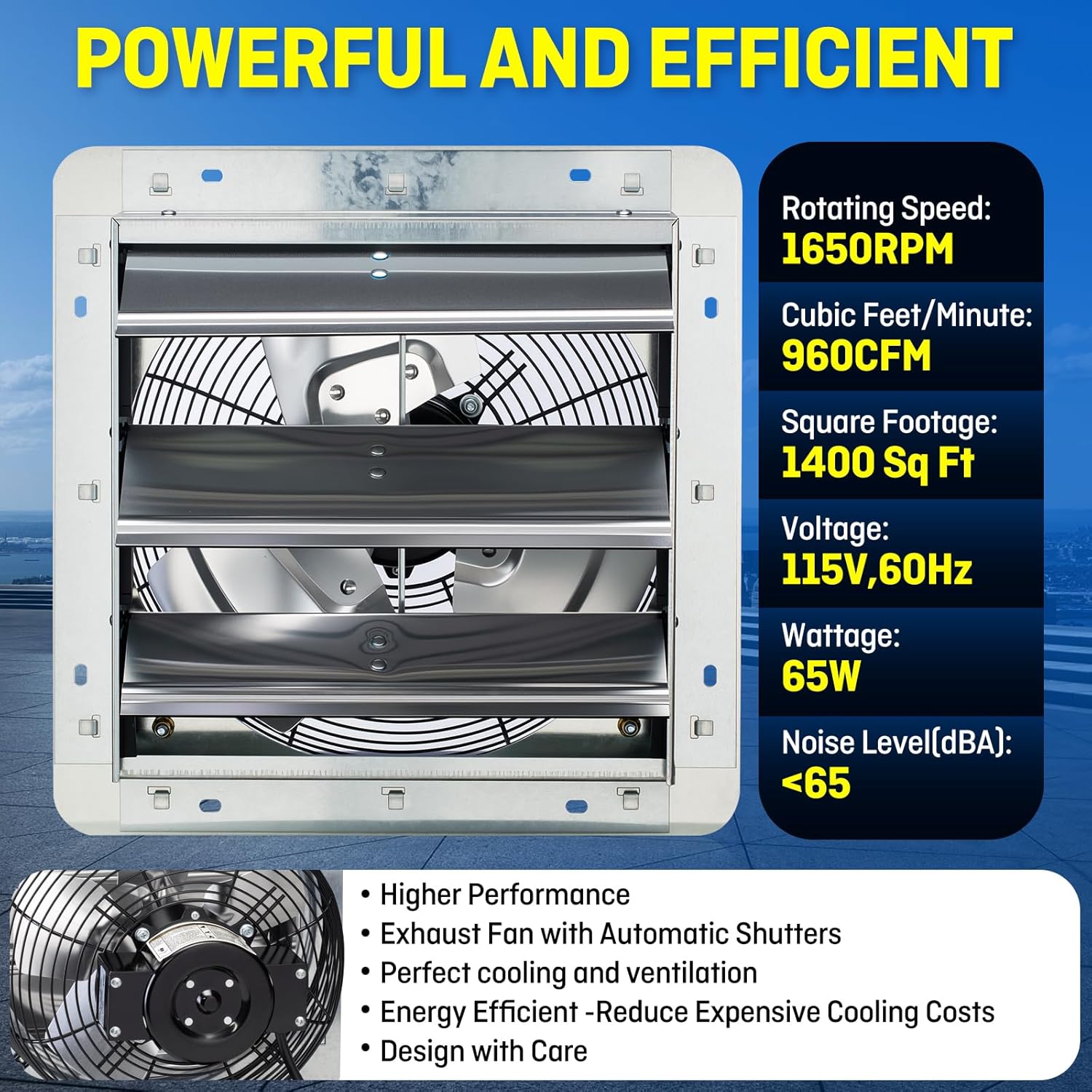
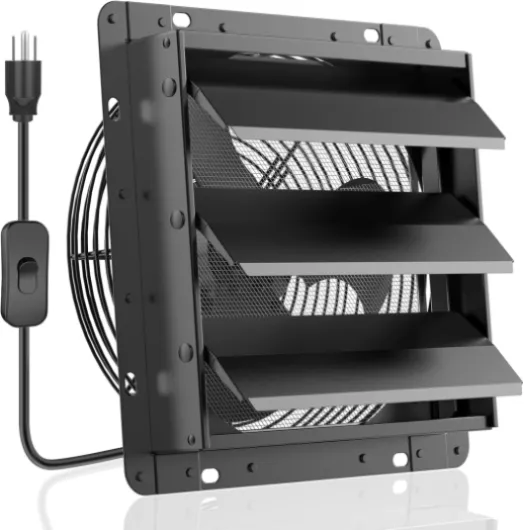
- Shutter and Vent Design: Automatic shutters prevent backdrafts and keep out debris when the fan is off. Quality vents garage systems also help maintain cleaner air.
- Energy Efficiency: Look for energy efficient fans to keep utility costs down, especially if you run your fan garage system often. Solar powered fans are a good choice for eco-conscious buyers.
- Noise Level: Some fans can be loud, which might be disruptive in a shop or workshop. Check product reviews on sites like Amazon for real-world feedback on noise.
- Durability and Safety: Choose fans with fire-resistant materials and robust construction, especially for garages where flammable materials may be stored.
- Price and Sizing: Compare prices and sizes to find the best fit for your space and budget. Small fans may suit a compact garage, while larger spaces need more powerful solutions.
When shopping for a garage exhaust fan, attic fan, or any ventilation fan, always check the manufacturer’s specifications and consider how the product will integrate with your existing vents garage setup. For those interested in sustainability, solar powered options can be a smart investment. And if you’re wondering about the environmental impact of your ventilation choices, you might find this guide on recycling furnace filters helpful.
By focusing on these features, you can ensure your garage, shop, or workshop ventilation system is both effective and safe, helping maintain cleaner air and a healthier environment.
Comparing different types of garage vent fans
Different Fan Types for Garage Ventilation
When it comes to improving air quality in your garage, choosing the right vent fan is crucial. There are several types of fans designed for garages, each with its own strengths and best-use scenarios. Understanding these options can help you match the right product to your needs, whether you’re ventilating a small shop or a large garage house.
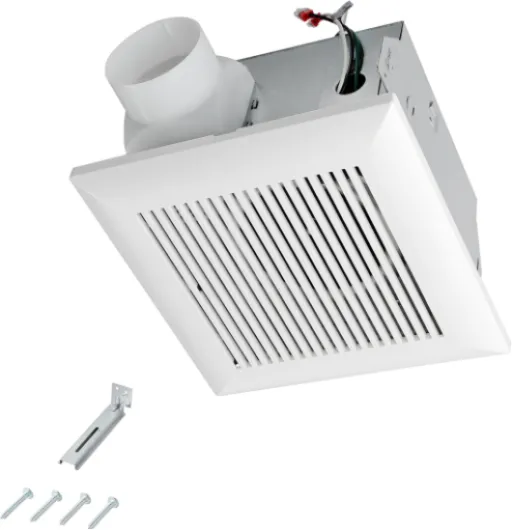
- Wall-Mounted Exhaust Fans: These are among the most popular choices for garages. Wall exhaust fans are installed directly into the wall, allowing stale air and fumes to exit efficiently. Many models come with automatic shutters that close when the fan is off, helping with energy efficiency and preventing backdrafts. They’re ideal for garages where space is limited and direct ventilation is needed.
- Attic Fans: If your garage is attached to your house or has an attic space above, attic fans can help pull hot air and humidity up and out. This is especially useful for controlling temperature and humidity in both the garage and attic garage areas. Some attic fans are solar powered, which can reduce energy costs over time.
- Ceiling-Mounted Fans: These fans are installed on the ceiling and are effective for circulating air throughout the entire space. They’re suitable for larger garages or workshops where even airflow is important. Some ceiling fans offer variable speed settings for better control.
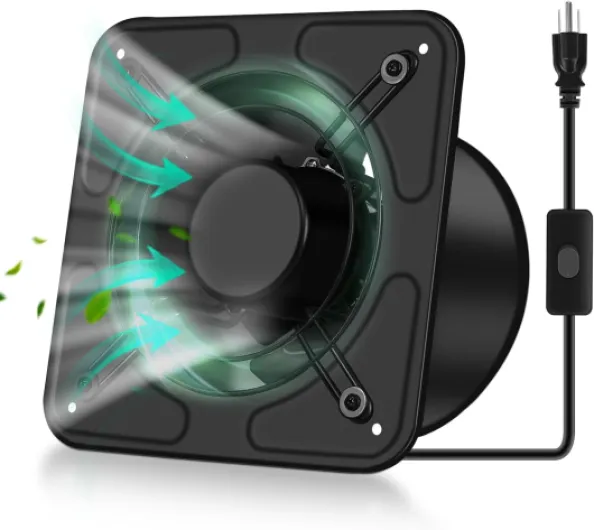
- Portable Garage Fans: For those who need flexibility, portable fans are a practical solution. These heavy duty fans can be moved around the garage or shop as needed. While they may not offer the same level of exhaust as wall or attic fans, they’re great for spot ventilation and temporary needs.
- Inline Ventilation Fans: These are installed within ductwork and are useful for garages that require venting air through a longer distance, such as to the outside of a garage house. Inline fans are often quieter and can be paired with filters for improved air quality.
Comparing Features and Performance
| Type | Best For | CFM Range | Energy Efficiency | Price Range |
|---|---|---|---|---|
| Wall Exhaust Fan | Direct garage ventilation, fumes | 800–4000 | Moderate–High | $$–$$$ |
| Attic Fan | Garage attic, temperature control | 1000–3000 | High (solar options) | $$–$$$$ |
| Ceiling Fan | Large garages, even airflow | 2000–6000 | Moderate | $$–$$$ |
| Portable Fan | Spot ventilation, flexibility | 500–3000 | Varies | $–$$ |
| Inline Vent Fan | Long duct runs, quiet operation | 400–2000 | High | $$–$$$ |
What to Consider When Comparing Fans
- CFM (Cubic Feet per Minute): This measures how much air the fan can move. Higher CFM is better for larger garages or for removing heavy fumes and humidity.
- Energy Efficiency: Look for fans with efficient motors and features like shutters or variable speed controls to save on energy costs.
- Noise Level: Some fans, especially heavy duty or high-cfm models, can be loud. Consider noise ratings if your garage is attached to living spaces.
- Durability: For workshop ventilation or garages exposed to dust and moisture, choose fans with sealed motors and corrosion-resistant materials.
- Price and Value: Compare prices on platforms like Amazon or at your local shop, but weigh the cost against features and expected lifespan.
By understanding the differences between these fan types and their features, you can make a more informed decision for your garage ventilation needs. Whether you need a small exhaust fan for a compact space or a top energy efficient attic fan for a large garage house, matching the right product to your situation is key for cleaner air and a safer environment.
Installation tips for optimal performance
Setting Up Your Garage Vent Fan for Best Results
Proper installation is crucial for getting the most out of your garage vent fan. Whether you’re working with a small garage, a large workshop, or an attic garage, the way you set up your fan impacts air quality, energy efficiency, and even safety.
- Choose the right location: Place the exhaust fan on a wall or ceiling where it can pull stale air out efficiently. Positioning it opposite your main vent or door helps create a cross-ventilation effect, improving airflow throughout the garage or shop.
- Seal and insulate: Make sure any gaps around the fan, vent, or shutter are sealed. This prevents air leaks and keeps your garage house temperature and humidity under control, especially if you’re using an attic fan or attic garage setup.
- Electrical safety: Always follow manufacturer instructions for wiring. If your fan has a heavy duty motor or multiple speed settings, confirm your electrical system can handle the load. For solar powered fans, ensure panels are installed in a spot with maximum sunlight exposure.
- Check CFM ratings: Match the fan CFM (cubic feet per minute) to your garage size. A fan with too low a CFM won’t ventilate properly, while one that’s too powerful may waste energy. Many top products list recommended garage sizes and CFM on their packaging or Amazon product pages.
- Install shutters or louvers: These help prevent backdrafts and keep out debris when the fan is off. Shutters are especially important for wall-mounted exhaust fans and attic installations.
- Consider fire safety: Don’t install the fan near flammable materials or in a way that could spread fumes into the house. Always check local building codes for garage ventilation requirements.
Extra Tips for Smooth Operation
- Test the fan after installation to confirm it’s pulling air efficiently. You should feel a noticeable airflow at the vent or shutter.
- For energy efficient operation, use a timer or humidity sensor to control when the fan runs. This is especially helpful in climates with high temperature humidity swings.
- Regularly clean the fan blades, vents, and shutters to maintain airflow and extend the product’s lifespan.
Taking the time to install your garage exhaust fan or attic fan correctly not only improves air quality but also helps you get the best value for the price you pay. Whether you’re shopping for a small fan for a compact garage or a heavy duty model for a workshop, following these steps ensures your ventilation system works as intended.
Common mistakes to avoid when ventilating your garage
Overlooking Proper Sizing and CFM Ratings
One of the most common mistakes is choosing a garage vent fan without checking if its CFM (cubic feet per minute) rating matches your garage size. A fan with too low CFM won’t effectively remove fumes, heat, or humidity. On the other hand, an oversized fan may waste energy and increase your electricity bill. Always compare the CFM rating to your garage’s square footage and ceiling height to ensure efficient ventilation.Ignoring Placement and Ventilation Pathways
Where you install your exhaust fan or vent fan matters. Placing a fan in a corner or without a clear pathway for air to exit can trap pollutants and reduce airflow. For best results, position the fan on a wall opposite to the main air intake or garage door. Make sure attic or wall vents are not blocked by storage or insulation. This helps maintain a steady flow of fresh air and prevents hot spots, especially in garages attached to the house or attic garage setups.Skipping Shutter and Backdraft Protection
Many forget to check if their chosen product includes a shutter or backdraft damper. Without these, outside air, dust, or even pests can enter when the fan is off. Shutters also help maintain temperature and humidity control, which is crucial for garages storing sensitive items or serving as workshops.Neglecting Energy Efficiency and Motor Quality
It’s tempting to focus only on price, but a cheap fan with a low-quality motor can end up costing more in repairs or energy bills. Look for energy efficient models, especially if you plan to run the fan for long periods. Solar powered options can be a smart investment for reducing electricity use in sunny climates.Improper Installation and Wiring
DIY installation can save money, but mistakes like poor wiring or insecure mounting can create fire hazards or reduce the lifespan of your fan. Always follow manufacturer instructions, use proper electrical connections, and consider professional help for heavy duty or attic installations.Forgetting Maintenance and Cleaning
Even the top garage fans need regular cleaning. Dust buildup on blades, shutters, or vents can lower efficiency and air quality. Set a reminder to inspect and clean your exhaust fan, attic fan, or wall vent every few months, especially if your garage is used as a shop or for projects that generate debris.- Check fan cfm and match to garage size
- Ensure proper placement for airflow
- Look for shutters or dampers
- Prioritize energy efficient, quality motors
- Install safely and securely
- Maintain and clean regularly
By avoiding these mistakes, you’ll get the most out of your garage ventilation system, whether you’re using a small exhaust fan, a heavy duty attic fan, or a solar powered vent. This helps keep your garage, house, and workshop air cleaner and safer.