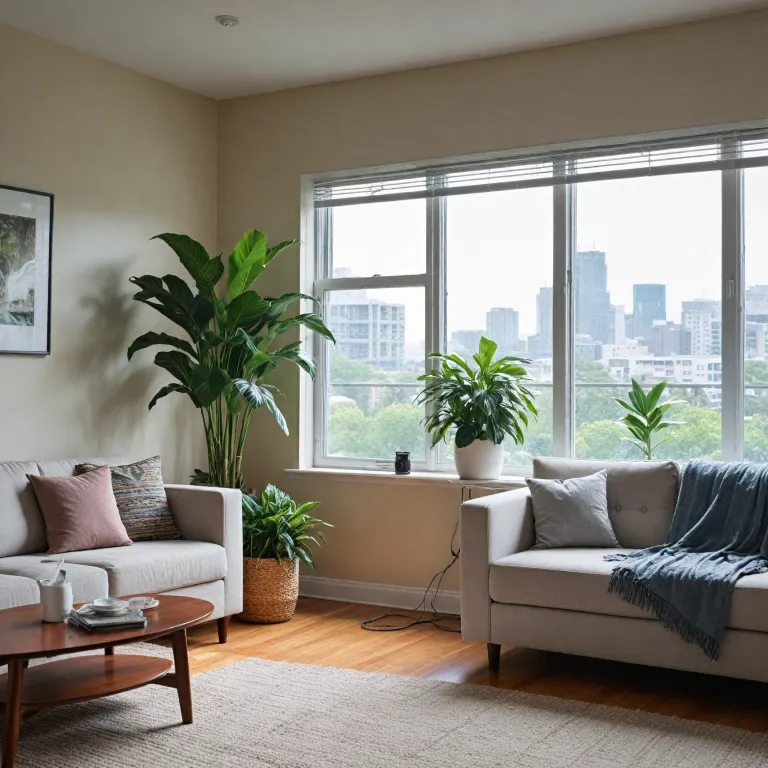

Understanding how air purifiers work
What Happens Inside an Air Purifier?
When you place an air purifier in a room, it draws in air, passes it through one or more filters, and then releases cleaner air back into the space. Most purifiers use a combination of HEPA filters to trap particles like dust, pollen, and mold spores, and activated carbon filters to capture odors and certain gases. Some advanced models also target specific pollutants, such as volatile organic compounds (VOCs) or smoke.
Why Placement Matters for Purifier Efficiency
The location you choose for your air purifier directly affects how well it can clean the air. If you put the purifier close to pollution sources, like a kitchen or a spot with high humidity, it can help reduce pollutants before they spread. However, placing air purifiers behind furniture or in a corner can block airflow, making it harder for the device to move air and clean effectively. For more details on how vents and room layout can impact your purifier’s performance, check out this guide on how ceiling vents impact air purifier performance.
What Pollutants Do Air Purifiers Remove?
- Particulate matter: Dust, pollen, pet dander, and mold spores
- Gaseous pollutants: Odors, smoke, and chemicals (with activated carbon filters)
- Microorganisms: Some purifiers can help reduce bacteria and viruses
Understanding what your purifier can and cannot remove will help you choose the best place for it in your home, especially if you have specific concerns like mold in the basement or cooking odors in the kitchen.
How Air Circulation Supports Clean Air
Air purifiers work best when they can move air freely. If you want to ensure air quality throughout your home, consider how air flows between rooms. Portable air purifiers can be moved as needed, but their placement should always allow for unobstructed intake and output. Avoid putting air purifiers too close to walls or large furniture, as this can limit their reach and reduce purifier efficiency.
Common mistakes in air purifier placement
Why Placement Mistakes Reduce Purifier Efficiency
Many people buy a quality air purifier but don’t see the best results because of where they put it. The location of your air purifier can make a big difference in how well it cleans the air in your room. If you’re not careful, you might end up with poor air quality even though your purifier is running. Understanding the direction of airflow and filter design is crucial, and you can learn more about this in this detailed guide.
- Placing air purifiers in corners or behind furniture: When you put your purifier in a corner or behind a sofa, you block the flow of air. This means the purifier can’t pull in polluted air or push out clean air effectively.
- Putting air purifiers too close to walls: If the intake or outlet is too close to a wall, the purifier won’t move air well. This reduces its ability to filter pollutants like mold, dust, and kitchen odors.
- Ignoring pollution sources: If you place your purifier far from pollution sources like the kitchen, basement, or areas with high humidity, it won’t help much. Pollutants can spread before the purifier has a chance to clean them.
- Using the wrong size purifier for the room: Even the best air purifier won’t work if it’s too small for your living room or basement. Always match the purifier’s capacity to the room size.
- Blocking the filter: Covering the filter with objects or placing the purifier under a table can reduce its efficiency. The filter needs open space to capture pollutants and ensure air flows freely.
Common Myths About Air Purifier Placement
Some believe that placing air purifiers anywhere in the room will clean the air equally well. In reality, purifier efficiency depends on strategic placement. For example, putting air purifiers in a kitchen or basement with high humidity and pollution sources can help trap pollutants like smoke, mold, and odors. Activated carbon filters are especially useful in these areas, but only if the purifier is placed where it can move air efficiently.
Another mistake is thinking that portable air purifiers can be moved anywhere without considering obstacles. Furniture, walls, and even curtains can block airflow, reducing the purifier’s ability to clean indoor air. To ensure air quality, always consider the layout of your living room, bedroom, or basement before placing your purifier.
By avoiding these common mistakes, you’ll help your air purifier deliver the best clean air results for your home. The next section will cover what to look for when choosing the right location for your purifier.
Key factors to consider when choosing a location
What to Think About Before Placing Your Air Purifier
When deciding where to place your air purifier, a few key factors can make a big difference in how well it cleans the air in your room. The right location will help your purifier capture pollutants like dust, mold spores, and odors more efficiently, improving indoor air quality and making your investment worthwhile.- Room Size and Layout: The size and shape of your room affect how air moves and how well the purifier can clean it. Larger rooms may need more powerful purifiers or multiple units. Open layouts let air move freely, while tight spaces or odd corners can trap pollutants.
- Pollution Sources: Place air purifiers closer to sources of pollution. For example, if your kitchen produces cooking fumes, or if you have a basement with high humidity and mold risk, positioning the purifier nearby will help capture pollutants before they spread.
- Airflow and Obstacles: Avoid placing air purifiers behind furniture, curtains, or under shelves. These obstacles block airflow and reduce purifier efficiency. The best air quality results come from putting air purifiers where air can move freely around them.
- Height and Placement: The height at which you place your purifier matters. Some models work best on the floor, while others are more effective elevated. Always check the manufacturer’s recommendations for your specific product.
- Type of Filter: If your purifier uses activated carbon or HEPA filters, make sure it’s placed where it can capture the most pollutants. For example, in rooms with high humidity or strong odors, activated carbon filters are especially useful.
- Room Usage: Think about how you use the room. In the living room, you might want the purifier close to where people gather. In bedrooms, placing air purifiers near the bed can help ensure clean air while you sleep.
Best locations for different room types
Living Room: Central and Open Placement
The living room is often the largest and most used space in a home, making it a prime location for an air purifier. To ensure air quality and maximize purifier efficiency, place the unit in a central, open area. Avoid putting air purifiers behind large furniture or in corners, as this can block airflow and reduce the ability to clean air effectively. If your living room has multiple pollution sources, such as pets or smokers, positioning the purifier close to these sources will help capture pollutants before they spread.
Bedroom: Near the Breathing Zone
For bedrooms, the best air purifier placement is close to where you sleep. Placing air purifiers near the bed, but not directly against walls or under furniture, allows the filter to capture dust, allergens, and other pollutants that can affect sleep quality. Make sure the purifier is not blocked by nightstands or curtains to maintain optimal air movement and clean air delivery.
Kitchen: Away from Direct Heat and Moisture
Kitchens are hotspots for indoor air pollution due to cooking fumes, smoke, and high humidity. When placing an air purifier in the kitchen, keep it away from direct heat sources like stoves and ovens, as well as areas with high moisture. Activated carbon filters are especially useful here to help remove odors and volatile organic compounds. Position the purifier where it can move air freely, but not so close to the cooking area that grease or steam could damage the unit.
Basement: Targeting Mold and Humidity
Basements often struggle with high humidity and mold. To help control these pollutants, place air purifiers in open areas, ideally near sources of moisture or musty odors. Avoid putting the purifier directly on the floor if the basement is prone to flooding. Elevating the unit can improve air circulation and protect it from water damage. Using a purifier with a HEPA filter and activated carbon will help address both particulate and odor issues.
Children’s Rooms and Home Offices: Safety and Accessibility
In children’s rooms, ensure air purifiers are placed out of reach but still in an open area for best air cleaning results. Avoid placing them near toys or bedding that could block airflow. For home offices, keep the purifier close to your workspace, especially if you spend long hours there. This will help maintain high indoor air quality and reduce exposure to pollutants from electronics or office supplies.
- Always check that the purifier’s intake and outlet are unobstructed.
- Move air purifiers as needed if you notice changes in pollution sources or room use.
- Portable air purifiers can be relocated to different rooms to ensure air is clean throughout your home.
How furniture and obstacles affect performance
How Furniture and Obstacles Impact Purifier Efficiency
When you place an air purifier in your room, the way you arrange furniture and other obstacles can make a big difference in how well the purifier cleans the air. Air purifiers work best when they have a clear path to move air and capture pollutants. If you put your purifier close to walls, behind large furniture, or under tables, you may block airflow and reduce the purifier’s efficiency.- Obstructed airflow: Placing air purifiers behind couches, beds, or cabinets can trap clean air in one area, preventing it from circulating throughout the room. This means pollutants like dust, mold spores, and even kitchen odors may linger longer than they should.
- Distance from pollution sources: If your purifier is too far from pollution sources—like a kitchen with high humidity or a basement prone to mold—it may not filter out pollutants effectively. Try to put the purifier in a location where it can address the main sources of indoor air pollution.
- Room layout: Open spaces allow portable air purifiers to move air more efficiently. In a living room, for example, placing the purifier in a central spot away from corners and heavy furniture will help ensure air circulates freely and reaches the filter.
Tips for Optimizing Placement Around Furniture
- Keep at least a few feet of open space around the purifier, especially near the air intake and outlet vents.
- Avoid placing the purifier directly on the floor in carpeted rooms, as this can block the intake and reduce performance. Use a small table or stand if needed.
- Don’t put the purifier under shelves or inside cabinets. These spots restrict airflow and limit the purifier’s ability to clean air throughout the room.
- In rooms with high humidity or potential for mold, like the kitchen or basement, make sure the purifier is not blocked by appliances or storage boxes. This helps the activated carbon filter and HEPA filter work at their best.
Why Clear Space Matters for Clean Air
When you ensure air can move freely around your purifier, you help it capture more pollutants and improve indoor air quality. Proper placement air not only boosts purifier efficiency but also extends the life of your filters. If you notice dust or odors lingering in your living room or kitchen, try moving the air purifier to a more open location. Regularly check for new obstacles as you rearrange furniture or add new items to your space. This simple step can make a big difference in maintaining clean air throughout your home.Tips for maintaining air quality throughout your home
Simple Habits to Keep Your Home’s Air Cleaner
- Move your air purifier as needed: Portable air purifiers are designed for flexibility. If you spend more time in the living room during the day and the bedroom at night, consider moving your purifier to follow you. This helps ensure air quality is maintained where you need it most.
- Monitor pollution sources: Kitchens, basements, and rooms with high humidity or mold risk can introduce more pollutants. Placing air purifiers close to these areas, or using multiple units, will help reduce indoor air pollution and improve purifier efficiency.
- Don’t forget regular filter changes: A clogged filter can’t clean air effectively. Check your purifier’s filter indicator, or set reminders to replace HEPA and activated carbon filters as recommended by the manufacturer. This is key for maintaining clean air and optimal performance.
- Keep doors and windows closed when running purifiers: Open windows can let in outdoor pollutants, making your purifier work harder. For best results, keep the room sealed while the purifier is running, especially in high-pollution areas.
- Reduce indoor pollution sources: Avoid smoking indoors, limit the use of candles or incense, and use exhaust fans in the kitchen and bathroom. These steps will help your air purifier maintain the best air quality possible.
- Reconsider placement after cleaning or rearranging: After deep cleaning or moving furniture, check if your purifier’s location is still optimal. Furniture and obstacles can block airflow, so make sure nothing is directly in front of the unit.
Maintaining Consistent Air Quality in Every Room
- Use multiple purifiers for larger homes: One purifier may not be enough for a multi-room house. Placing additional units in the basement, kitchen, or bedrooms can help ensure air is cleaned throughout your home.
- Address high humidity and mold risk: Rooms with high humidity, like bathrooms or basements, can benefit from a purifier with a HEPA filter and activated carbon. This combination helps trap mold spores and reduce odors.
- Regularly check for dust and pollutants: Even with the best air purifier, dust and pollutants can build up. Vacuum and dust regularly to support your purifier’s efforts and maintain indoor air quality.
By making these small adjustments and being mindful of purifier placement, you can help ensure air quality remains high throughout your living space. Consistent habits, along with the right purifier and filter, make a real difference in reducing air pollution and keeping your home’s air clean.