


Understanding the importance of CO2 monitoring indoors
Why Elevated CO2 Levels Indoors Are a Concern
Many people focus on pollutants like dust or volatile organic compounds when thinking about indoor air quality, but carbon dioxide (CO2) is just as important. When CO2 accumulates in enclosed spaces, it can lead to symptoms like headaches, drowsiness, and reduced concentration. High CO2 levels are often a sign of poor ventilation, which can also allow other gases and contaminants to build up. This makes CO2 monitoring a key part of any comprehensive air quality strategy.
CO2 and Other Gases: What You Need to Know
It's easy to confuse carbon dioxide with carbon monoxide, but they are different gases with distinct health risks. Carbon monoxide is dangerous even at low concentrations and requires a dedicated monoxide detector or alarm. CO2, on the other hand, is naturally present in the air but becomes a problem when levels rise above safe thresholds, usually measured in parts per million (ppm). A quality monitor or portable detector can help you track both gases, but make sure your device is designed for the specific gas you want to measure.
Why Monitoring CO2 Is Essential for Health and Comfort
- Ventilation check: High CO2 readings often indicate that your space needs better airflow. This is especially important in modern, energy-efficient buildings where air exchange is limited.
- Work and learning environments: Studies show that elevated CO2 can impact decision-making and productivity. A CO2 monitor or analyzer helps you maintain optimal conditions for focus and well-being.
- Early warning: While a monoxide alarm is critical for safety, a CO2 detector acts as an early warning for declining air quality, prompting you to open windows or adjust ventilation before discomfort sets in.
Beyond CO2: The Bigger Picture of Indoor Air Quality
CO2 is just one part of the indoor air equation. Devices like a gas leak detector, temperature humidity meter, or air quality monitor can give you a fuller picture of your environment. For a deeper dive into how exhaust vents play a role in managing indoor air and CO2 levels, check out this guide on the role of exhaust vents in air purifiers.
Understanding CO2 and its relationship to other indoor air factors sets the stage for choosing the right detector, comparing features, and ensuring accurate readings—topics covered in the following sections.
How a handheld CO2 detector works
How portable CO2 meters detect indoor air quality
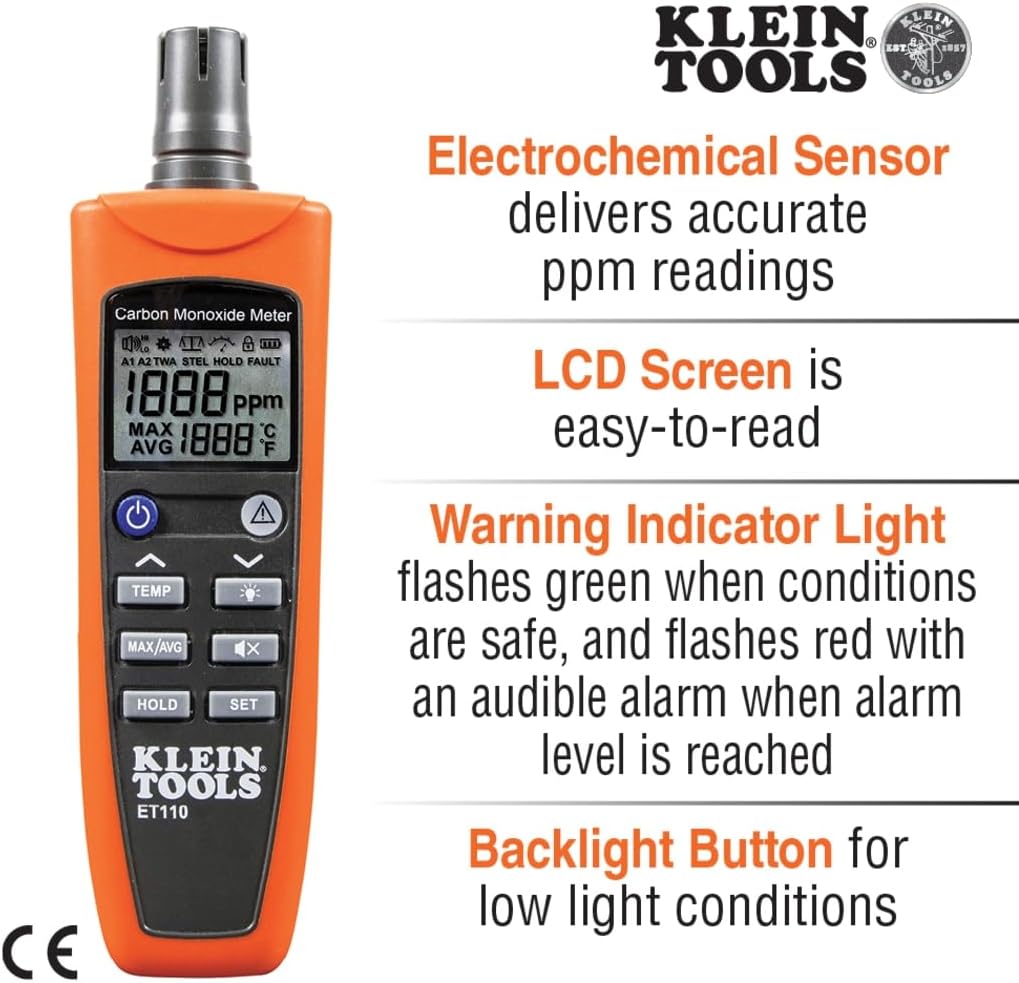
Handheld CO2 detectors are compact devices designed to measure the concentration of carbon dioxide (CO2) in the air. These meters use advanced sensors, often non-dispersive infrared (NDIR) technology, to detect and quantify CO2 levels in parts per million (ppm). When you power on a portable detector, the sensor analyzes the air sample and displays the CO2 reading on a digital display. Some models also monitor temperature, humidity, and other gases, such as carbon monoxide, providing a broader view of indoor air quality.
- Sensor technology: Most portable CO2 detectors rely on NDIR sensors, which are known for accuracy and stability. These sensors work by measuring how much infrared light is absorbed by CO2 molecules in the air sample.
- Display and alerts: The digital display shows real-time CO2 levels, and many detectors feature an alarm that sounds if concentrations exceed safe thresholds. This helps you respond quickly to poor air quality or a potential gas leak.
- Power source: Handheld detectors are typically battery powered, making them convenient for travel or moving between rooms. Some models offer rechargeable batteries for added convenience.
- Additional features: Certain detectors also function as a carbon monoxide detector, air quality monitor, or gas analyzer, giving you more comprehensive data. Features like temperature humidity sensors and ppm readouts add value for those concerned about overall indoor air quality.
When comparing portable detectors, consider factors such as price, battery life, and the range of gases detected. Brands like Kidde offer reliable options, and many detectors are available on platforms like Amazon. For those interested in a deeper dive into how air quality meters work and how they compare to other monitoring tools, check out this guide to measuring air quality at home.
By understanding how a handheld CO2 detector works, you can make informed decisions about which device best fits your needs—whether for home, office, or travel. This knowledge also helps you interpret readings and respond appropriately to detector alarms, ensuring a safer indoor environment.
Key features to look for in a handheld CO2 detector
Essential Qualities in a Reliable CO2 Detector
When choosing a handheld CO2 detector for your indoor air quality needs, it's important to focus on features that ensure both safety and convenience. Not all detectors are created equal, and the right combination of functions can make a big difference in how well you monitor your air. Here are some key features to consider:
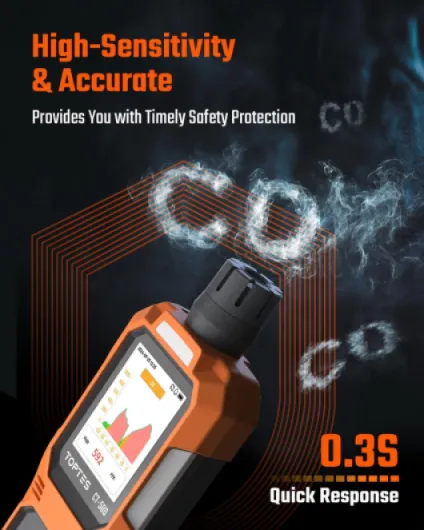
- Accuracy and Sensitivity: Look for a sensor that reliably measures carbon dioxide (CO2) in parts per million (ppm). High-quality detectors often use NDIR (Non-Dispersive Infrared) sensors, which are known for their precision. Some advanced models can also detect other gases, such as carbon monoxide, making them versatile for broader air quality monitoring.
- Digital Display: A clear, easy-to-read digital display helps you quickly check CO2 levels, temperature, and humidity. This is especially useful for portable detectors used in different rooms or during travel.
- Alarm and Alerts: Built-in detector alarms are crucial for safety. They alert you when CO2 or carbon monoxide levels exceed safe thresholds, acting as an early warning system for gas leaks or poor ventilation.
- Battery Powered and Portability: Battery powered and portable detectors are ideal for both home and work environments. They allow you to move the device easily and monitor air quality wherever you need, without relying on a constant power source.
- Data Logging and Memory: Some detectors can store historical data, letting you track air quality trends over time. This is helpful for identifying patterns or recurring issues in your indoor air.
- Multi-Gas Detection: While your main focus may be carbon dioxide, some models also function as a carbon monoxide detector, gas leak detector, or even a full gas analyzer. This can add an extra layer of protection for your indoor environment.
- Ease of Use and Maintenance: User-friendly controls, simple calibration, and easy-to-replace batteries are important for hassle-free operation. Regular maintenance ensures your detector remains accurate and reliable.
- Price and Brand Reputation: Consider the price in relation to the features offered. Brands like Kidde are well-known for their quality monitors and alarms. Checking reviews on sites like Amazon can help you compare models and find the best value.
Some detectors also include temperature and humidity sensors, giving you a more complete picture of your indoor air quality. Whether you need a portable carbon dioxide detector for travel, a battery powered meter for your office, or a multi-gas analyzer for your home, these features can help you make an informed decision.
For those interested in the environmental impact of their air quality devices, you might want to learn about recycling furnace filters and how it relates to maintaining a healthy indoor environment.
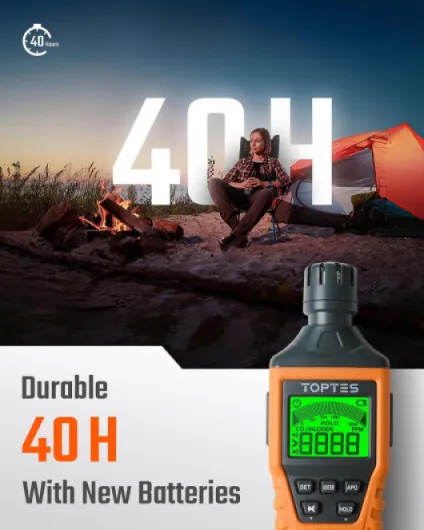
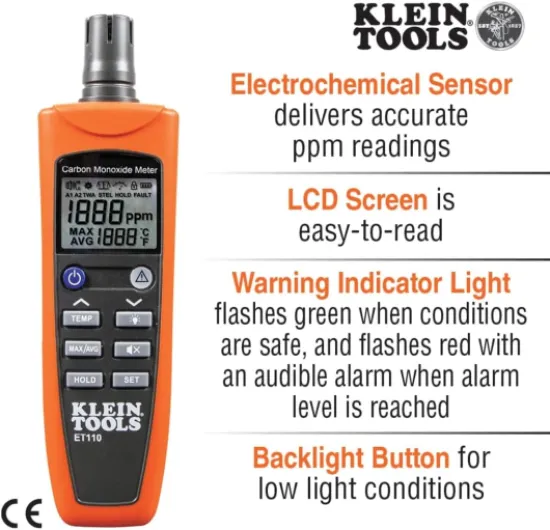
- + Portable design for easy use at home, car, or camping
- + Features audible and visual alarms for safety
- + Measures CO levels from 0-5000 PPM
- + Includes backlit LCD screen for easy reading
- + Includes 3 batteries for immediate use

Benefits of using a handheld CO2 detector at home and work
Everyday Advantages of a Portable CO2 Detector
Using a handheld carbon dioxide detector at home or work can make a real difference in your daily life. These portable devices help you monitor indoor air quality in real time, giving you peace of mind about the air you and your family breathe. Unlike fixed monitors, a portable detector lets you check multiple rooms, offices, or even take it with you while traveling. This flexibility is especially useful for parents, remote workers, or anyone concerned about air quality in different environments.
Health and Safety Improvements
High levels of carbon dioxide indoors can lead to headaches, fatigue, and reduced concentration. A quality monitor or analyzer alerts you before CO2 reaches unhealthy levels, helping you take action like opening windows or adjusting ventilation. Some advanced models also detect other gases, such as carbon monoxide, providing an extra layer of safety with a detector alarm or leak detector function. This is particularly important in homes with gas appliances or in workplaces where gas leaks could pose a risk.
Practical Features for Everyday Use
- Digital display: Easily read CO2 levels in ppm (parts per million), along with temperature and humidity data.
- Battery powered: No need for constant charging or power outlets, making the detector truly portable.
- Alarm system: Many detectors, including popular brands like Kidde, come with an audible alarm for dangerous gas levels.
- Multi-gas detection: Some models combine carbon dioxide and carbon monoxide detection, offering more comprehensive air quality monitoring.
Cost-Effectiveness and Accessibility
The price of a handheld CO2 detector varies, but many reliable options are available on Amazon and other retailers. Investing in a portable detector or meter is often more affordable than installing multiple fixed monitors. Plus, you can use the same device at home, work, or while traveling, making it a cost-effective solution for ongoing air quality monitoring.
Peace of Mind for Families and Workplaces
Knowing you have a portable carbon dioxide detector or a battery powered monoxide detector on hand can provide reassurance. Whether you are concerned about air quality in your child’s bedroom, a home office, or a shared workspace, these detectors help you stay informed and proactive. For those managing indoor air in larger spaces, a portable gas analyzer or quality monitor ensures you can quickly identify and address potential problems, supporting a healthier environment for everyone.
Tips for accurate CO2 measurement and device maintenance
Getting Reliable Readings from Your CO2 Detector
Accurate carbon dioxide measurement is essential for understanding your indoor air quality. A handheld CO2 detector, whether battery powered or rechargeable, can provide real-time ppm (parts per million) readings. To get the most reliable results, consider these practical tips:- Calibrate Regularly: Most portable detectors and analyzers need periodic calibration. Follow the manufacturer's instructions to ensure your sensor stays accurate.
- Check Battery and Power: Low battery can affect the performance of your detector alarm or digital display. Always keep spare batteries or ensure your device is fully charged before use.
- Monitor Placement: Place your carbon dioxide detector at breathing height, away from direct airflow, windows, or vents. This helps avoid false readings from drafts or outdoor air.
- Allow for Warm-Up: Many portable CO2 meters and gas analyzers require a short warm-up time after powering on. Wait for the device to stabilize before taking measurements.
- Keep Sensors Clean: Dust and debris can interfere with sensor accuracy. Gently clean the sensor area with a soft cloth as recommended by the manufacturer.
- Record and Compare: Use the memory or data logging features, if available, to track changes in air quality over time. This can help you spot trends or identify sources of poor air quality.
Maintaining Your Device for Long-Term Use
Proper maintenance extends the life of your CO2 monitor and ensures it continues to deliver trustworthy results. Here are some maintenance essentials:- Store Properly: When not in use, keep your portable detector in a dry, dust-free environment. Avoid extreme temperatures, which can damage the battery or sensor.
- Replace Batteries Promptly: For battery powered models, change batteries as soon as the low battery indicator appears. This prevents unexpected shutdowns during monitoring.
- Update Firmware: Some digital detectors allow firmware updates. Check the manufacturer's website or instructions to keep your device up to date.
- Inspect for Damage: Regularly check your device for cracks, loose parts, or corrosion, especially around the battery compartment. Address any issues immediately to maintain safety and accuracy.
Comparing handheld CO2 detectors with other air quality tools
How Portable CO2 Detectors Stack Up Against Other Air Quality Tools
When it comes to monitoring indoor air, there are several types of devices available. Each tool has its own strengths and limitations, especially when comparing a handheld CO2 detector with other air quality monitors and gas analyzers.- CO2 Detectors vs. Carbon Monoxide Detectors: While both are gas detectors, a carbon dioxide detector focuses on measuring CO2 levels, which can indicate ventilation quality and occupancy. In contrast, a carbon monoxide detector (often called a monoxide detector or monoxide alarm) is designed to alert you to dangerous levels of carbon monoxide, a toxic gas. Many homes use battery powered monoxide detectors for safety, but these do not monitor CO2 or overall air quality.
- Handheld vs. Stationary Monitors: Portable CO2 detectors are battery powered and ideal for travel, spot checks, or moving between rooms. Stationary air quality monitors, on the other hand, are typically plugged in and provide continuous data on air quality, sometimes including temperature humidity, particulate matter, and volatile organic compounds. Handheld models offer flexibility, but stationary units may give a more complete long-term picture.
- Single-Gas vs. Multi-Gas Analyzers: Some portable detectors are designed to measure only CO2, while others, like a gas analyzer, can detect multiple gases such as carbon monoxide, methane, or even oxygen. Multi-gas analyzers tend to be more expensive, but they provide broader coverage for different air quality concerns, including gas leaks.
- Digital Display and Data Logging: Many modern CO2 meters feature a digital display showing real-time ppm (parts per million) readings. Some advanced models can log data over time, which is useful for tracking trends or identifying patterns in indoor air quality. Not all basic detectors offer this feature, so it’s worth considering if you want detailed records.
- Price and Accessibility: Handheld CO2 detectors are generally more affordable than comprehensive air quality analyzers. Brands like Kidde are known for their reliable monoxide detectors, but for CO2 monitoring, you’ll find a range of options on Amazon and other retailers. Prices vary based on features like portability, battery life, and sensor accuracy.
| Device Type | Gases Detected | Portability | Typical Price Range | Best For |
|---|---|---|---|---|
| Handheld CO2 Detector | Carbon dioxide (CO2) | Portable, battery powered | $$ | Spot checks, travel, home & work |
| Carbon Monoxide Detector | Carbon monoxide (CO) | Portable or stationary | $ | Safety, alarm for CO leaks |
| Multi-Gas Analyzer | CO2, CO, methane, others | Portable or stationary | $$$ | Comprehensive air quality, gas leak detection |
| Air Quality Monitor | CO2, VOCs, PM, temp/humidity | Mostly stationary | $$ | Continuous monitoring, detailed analysis |