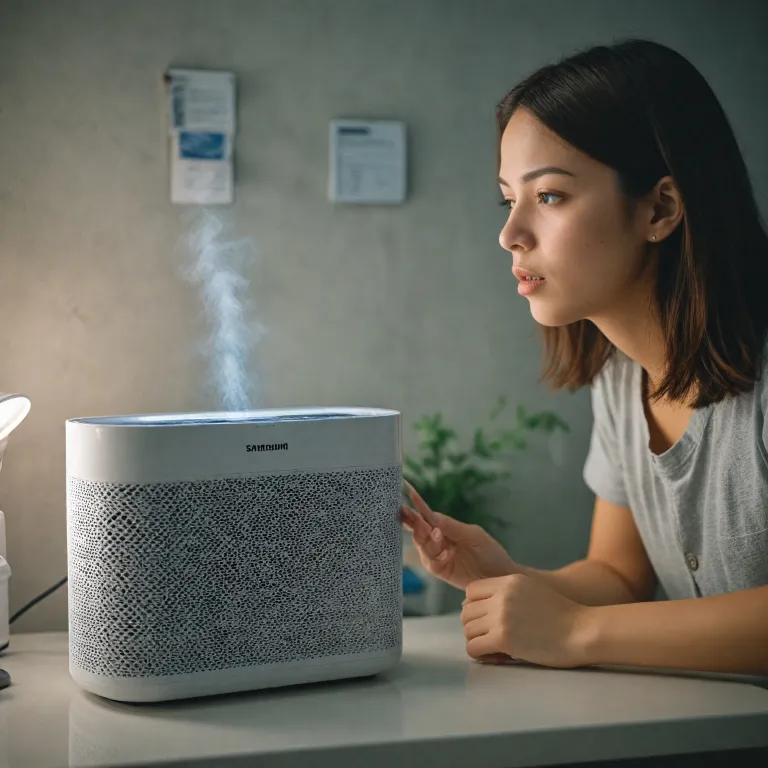

Common reasons your air purifier smells bad
Recognizing Unpleasant Odors from Your Air Purifier
When your air purifier starts to emit a strange or unpleasant smell, it can be concerning. Many people expect these devices to improve indoor air quality, not make it worse. However, there are several common reasons why purifiers, including those with HEPA or carbon filters, might smell bad. Understanding these causes is the first step to solving the issue and enjoying fresher air in your home.
- Dirty or saturated filters: Over time, filters—especially HEPA and activated carbon filters—can become clogged with dust, pet dander, and other particles. When filters are dirty, they may start to emit a sour smell, a wet dog odor, or even a burning smell. This is often a sign that it’s time to replace or clean the filter.
- Mold and bacteria growth: Moisture trapped inside the purifier or filter can create a breeding ground for mold and bacteria. This can lead to musty or sour odors that linger in the air. If you notice a persistent wet dog smell, microbial growth could be the culprit.
- New purifier smells: Some new air purifiers may emit a plastic smell or a sweet smell when first used. This is usually due to off-gassing from new components, such as plastic parts or adhesives. While some odor is normal, it should fade after a few days of use.
- Ozone production: Certain air filtration systems, especially those that use ionizers or ozone generators, can emit ozone. Ozone has a sharp, chlorine-like odor that some people find unpleasant and can affect air quality if levels are too high.
- Environmental factors: Sometimes, the source of the odor isn’t the purifier itself but what it’s filtering. For example, strong dog smell, cigarette smoke, or kitchen odors can become trapped in filters and then recirculated, making the purifier smell bad.
Each of these issues can affect the performance of your air purifier and the overall air quality in your home. If you notice persistent odors, it’s important to check your filters, clean your device, and consider the type of filtration system you’re using. For more on what to do if you suspect your HVAC filters are contributing to the problem, check out this guide on what to do when HVAC filters are leaking from the roof.
How dirty filters contribute to bad smells
Why Dirty Filters Make Your Air Purifier Smell Worse
One of the most common reasons your air purifier starts to smell bad is due to dirty or clogged filters. Over time, HEPA and carbon filters collect dust, pet dander, pollen, and even microscopic particles from indoor air. When these filters become saturated, they can no longer trap new pollutants effectively. Instead, they may start to emit unpleasant odors back into your room.
- Sour or musty smells: If you notice a sour smell or something similar to a wet dog, it’s often a sign that moisture has built up in the filter. This can happen if the purifier is used in a humid environment or if the filter hasn’t been changed in a while.
- Burning or plastic smells: Sometimes, a burning smell or plastic odor can come from dust and debris trapped in the filter, especially if the purifier’s motor is working harder to push air through a clogged filter. In rare cases, filters made with certain plastics or adhesives may emit plastic smells when overheated.
- Sweet or chemical odors: A sweet smell or chemical-like odor can indicate that the activated carbon filter is saturated and can no longer absorb gases and volatile organic compounds (VOCs) from the air. This is a sign it’s time to replace the carbon filter.
Dirty filters not only make your air purifier smell bad, but they also reduce the overall air quality in your home. If you notice persistent odors, check your filter’s condition and maintenance schedule. Many filtration systems have indicator lights to alert you when it’s time to replace the filter. For example, some models use a red light to signal filter replacement—learn more about what the red light on your air purifier means.
Regular filter changes are essential for keeping your air purifier running efficiently and preventing bad smells. If you’re unsure how often to replace your HEPA or carbon filters, check your manufacturer’s guidelines or look for posts on air filtration best practices. Clean filters help air purifiers maintain good air quality and prevent odors from building up in your indoor air.
The role of mold and bacteria inside air purifiers
How Mold and Bacteria Develop Inside Air Purifiers
One of the less obvious but significant reasons your air purifier may smell bad is the growth of mold and bacteria inside the unit. When the air purifier operates in humid environments or when filters are not changed regularly, moisture can accumulate within the filtration system. This creates a perfect breeding ground for microorganisms, especially on HEPA and carbon filters.
- Moisture retention: HEPA filters are excellent at trapping particles, but they can also hold onto moisture from the air. Over time, this dampness encourages mold spores and bacteria to multiply.
- Organic debris: Dust, pet dander, and other organic materials collected by the filter provide food for microbes. If not cleaned or replaced, these contaminants can lead to a sour or wet dog smell, or even a musty odor reminiscent of damp basements.
- Stagnant air: If the purifier is not running regularly or is placed in a poorly ventilated area, stagnant air inside the unit can worsen the problem, amplifying unpleasant smells.
These microbial odors are often described as sour, wet dog, or even sweet, depending on the specific bacteria or mold present. If you notice a persistent, unpleasant smell that doesn’t go away after changing the filter, it’s likely due to microbial growth inside the purifier or on the filters themselves.
Recognizing and Addressing Microbial Odors
It’s important to distinguish between normal new purifier smells, such as a faint plastic or ozone scent, and the musty or sour odors caused by bacteria and mold. Microbial smells tend to linger and worsen over time, especially if the air quality in your home is poor or if the purifier is exposed to high humidity.
To help air filtration systems maintain optimal performance and air quality, regular maintenance is key. This includes:
- Replacing HEPA and carbon filters as recommended by the manufacturer
- Wiping down the inside of the unit with a damp cloth (unplugged, of course)
- Ensuring the purifier is placed in a dry, well-ventilated area
For more advanced air purification, some systems use fan wall fans to improve airflow and reduce the risk of stagnant air and microbial buildup. You can learn more about how these fan wall fans for air purification can benefit your indoor air quality.
If you’ve already checked for dirty filters and still notice a persistent odor, it may be time to inspect for mold or bacteria inside the unit. Persistent smells that resemble wet dog, sour milk, or musty basements are strong indicators of microbial growth. In such cases, deeper cleaning or professional help may be necessary to restore your air purifier’s effectiveness and ensure healthy indoor air.
Odors from new air purifiers: what’s normal and what’s not
Understanding New Air Purifier Smells: What’s Expected?
It’s common for new air purifiers to emit certain smells when you first start using them. These odors can range from a faint plastic smell to a sweet or even slightly sour scent. Most of these are temporary and linked to the manufacturing process, packaging, or the first-time use of filters and internal components.
- Plastic smell: This is often due to residual manufacturing oils or off-gassing from plastic parts. It usually fades after a few days of regular use.
- Sweet or chemical odors: Sometimes, HEPA or activated carbon filters may have a slight chemical or sweet smell when new. This should disappear as air flows through the filter and the material settles.
- Burning smell: A mild burning odor can occur as dust or protective coatings burn off internal parts during the first use. If this persists or is strong, unplug the purifier and contact the manufacturer.
When New Odors Are a Red Flag
While some initial odors are normal, certain smells should not be ignored. If your new air purifier emits a strong burning smell, persistent sour smell, or a wet dog odor, this could signal a problem with the unit or its filters. For example, a continuous burning smell may indicate an electrical issue, while a wet dog or sour smell could mean the filter is contaminated or improperly stored before shipping.
Be aware that some air purifiers, especially those with ionizers or ozone generators, can emit a sharp, chlorine-like or ozone smell. While low levels are considered safe, a strong ozone odor can affect indoor air quality and may not be suitable for sensitive individuals. Always check if your model is certified for safe ozone emission levels.
How to Help Air Out New Purifiers
To minimize unwanted odors from a new air purifier:
- Run the purifier in a well-ventilated room for several hours before regular use.
- Check that all packaging materials, including plastic wraps on filters, are removed before turning on the unit.
- If your purifier uses a carbon filter, allow it to air out as carbon can sometimes emit a mild odor when new.
- If the smell persists beyond a few days, consult the manufacturer or retailer for advice.
Remember, most new purifier smells are harmless and temporary. However, if your purifier smells bad for more than a week or the odor is strong and unpleasant, it’s worth investigating further. Persistent or unusual odors may require filter replacement or professional help, especially if you notice a decline in air quality or filtration performance.
Tips to prevent and eliminate bad smells from your air purifier
Simple steps to keep your air purifier fresh
A bad smell from your air purifier can be frustrating, but regular care can help prevent most odors. Here are practical ways to keep your air filtration system working well and your indoor air quality high:- Replace filters on schedule: HEPA filters and activated carbon filters lose effectiveness over time. Old filters can trap odors like wet dog, sour smells, or even a burning smell. Always follow the manufacturer’s guidelines for replacing filters. If you notice a persistent purifier smell, check if it’s time for a new filter.
- Clean the unit regularly: Dust, pet hair, and moisture can build up inside purifiers, leading to musty or dog smells. Wipe down the exterior and vacuum the air intake and outlet grilles. For some models, you can gently clean pre-filters with water—just make sure everything is dry before reassembling.
- Check for mold and bacteria: Moisture inside the purifier can allow mold or bacteria to grow, which may cause a sour or wet dog odor. Make sure the unit is placed in a dry area and avoid running it in damp spaces for long periods. If you spot visible mold, replace affected filters and clean the inside with a mild disinfectant, following the manufacturer’s instructions.
- Ventilate your space: Good airflow helps prevent odors from lingering in both your purifier and your room. Open windows when possible and avoid placing the purifier in corners or behind furniture where air circulation is poor.
- Avoid using near strong odors: Air purifiers can absorb smells from cooking, smoke, or cleaning products. If you notice a sweet smell, plastic smell, or burning smell, move the unit away from these sources and replace the carbon filter if needed.
- Be cautious with ozone generators: Some purifiers emit ozone, which can create a sharp or chemical odor. Check your model’s specifications and avoid using ozone-generating features unless absolutely necessary, as ozone can impact air quality and health.
Extra tips for specific purifier smells
| Smell | Possible Cause | What to Do |
|---|---|---|
| Wet dog or sour smell | Dirty HEPA or carbon filter, moisture buildup | Replace filters, dry and clean the unit |
| Plastic smell | New purifier or overheating parts | Run the unit in a ventilated area for several hours; if persistent, contact support |
| Burning smell | Electrical issue or clogged filter | Turn off immediately, inspect filters, seek professional help if needed |
| Sweet smell | Ozone emission or chemical off-gassing | Check for ozone features, ventilate, avoid use if sensitive |
When to seek professional help for persistent odors
Recognizing When It’s Time for Expert Intervention
If you’ve cleaned your air purifier, replaced the filters, and checked for visible mold or bacteria but the smell persists, it may be time to seek professional help. Persistent odors—like a sour smell, burning smell, or strong plastic smell—can signal deeper issues within your air filtration system that basic maintenance can’t resolve.- Unusual or worsening odors: If your purifier emits a wet dog smell, sweet smell, or continues to smell bad after filter changes, this could point to internal contamination or malfunction.
- Recurring filter issues: When new HEPA or carbon filters quickly develop odors, there may be a problem with the purifier’s internal components or air flow.
- Electrical or burning smells: A burning smell or plastic odor could indicate overheating or electrical faults. These are safety concerns and should be addressed by a qualified technician.
- Ozone or chemical odors: Some purifiers, especially those with ionizers, can emit ozone. If you notice a sharp, chemical-like odor, discontinue use and consult a professional to assess air quality and safety.