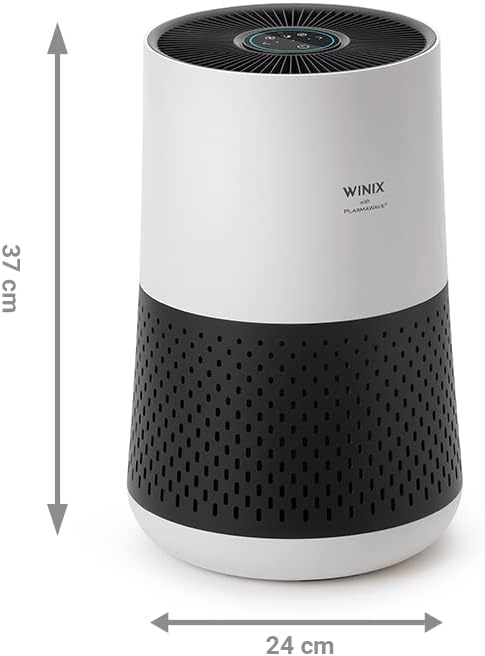
How to read CADR, filters and performance claims
Many compact air purifiers look similar, yet their internal engineering can differ dramatically. To separate marketing from reality, focus on CADR, filter design and independent testing data when comparing any air purifier for a small room. A higher CADR CFM rating means the purifier can deliver more clean air per minute, but only if the fan speed, filter quality and room size are matched correctly.
Most of the best compact air purifiers use a multi stage system with a pre filter, a true HEPA filter and a carbon filter to trap particles and gases. The pre filter catches hair and dust, which protects the main HEPA filter and keeps performance stable for longer periods in small rooms. When you read a product page or an in depth test such as a lab style testing review for home purifiers, look for clear CADR numbers, filter life estimates and noise measurements at each mode so you can compare models on more than just marketing claims.
Energy efficient models often use smart electronics to reduce power draw when air quality is already good. In auto mode, the quality sensor tracks particles and sometimes gases, then lowers fan speed to save energy while still maintaining clean air in the room. When purifiers are tested over months rather than days, reviewers can see how quickly filters clog, how stable CADR remains and whether the purifier keeps its top performance in real homes rather than only in controlled rooms, which is crucial for long term ownership decisions.
Portable and personal purifiers for desks, travel and small rooms
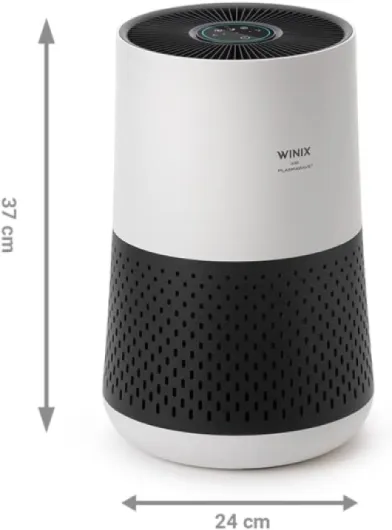
Not everyone needs a large tower purifier; many readers want something that fits on a desk or bedside table. Portable air purifiers and personal purifiers are built for exactly this purpose, offering focused clean air in a small radius around you. The best compact air purifiers in this category usually weigh under 3 kilograms, draw modest power and are optimized for very small rooms or even just the breathing zone around your pillow.
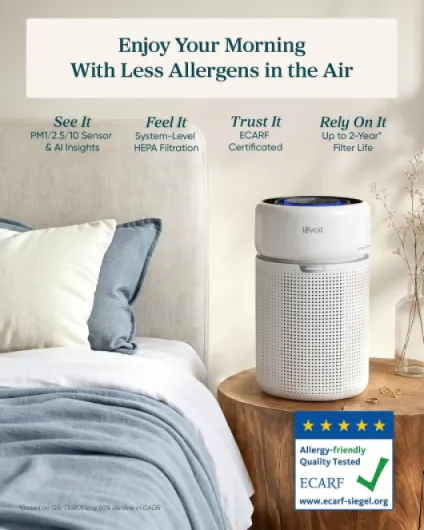
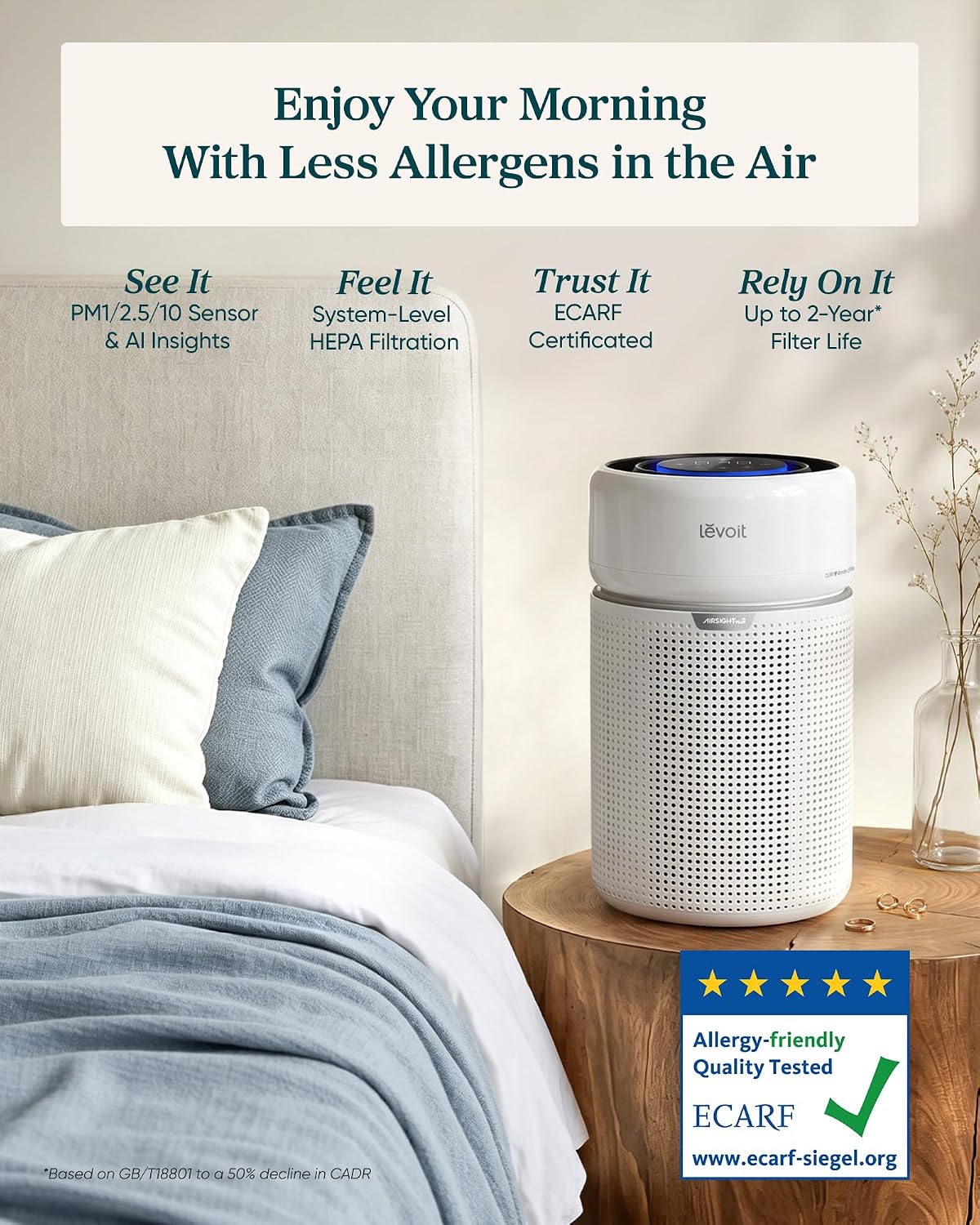
When you compare portable air purifier models, pay attention to whether they still include a true HEPA filter and a carbon filter rather than relying only on ionization or ozone based technologies. Some of the best small designs, such as the Levoit Vital series, combine a cylindrical HEPA filter with a 360 degree intake to maintain strong performance even at lower fan speed settings. For readers who want a curated shortlist, specialist guides such as this selection of top compact air purifiers can help you focus on purifiers tested for realistic room sizes, CADR CFM ratings and strict noise limits.
Personal purifiers are often used in shared offices, student rooms or hotel rooms where you cannot control the building ventilation. In these situations, a compact air purifier with smart features like auto mode and a responsive quality sensor can react quickly when someone sprays perfume or opens a window to a busy street. If you travel frequently, look for energy efficient USB powered purifiers that still use a proper HEPA filter, because they can provide cleaner air on trains, in small rooms and even in temporary workspaces without adding much weight to your luggage.
Smart features, noise and real world usability
Living with an air purifier every day is different from reading a specification sheet. Smart controls, noise levels and maintenance costs determine whether even the best compact air purifiers stay switched on or end up in a cupboard. A purifier that offers a quiet sleep mode, a clear air quality indicator and simple filter access will usually be used more consistently in bedrooms and small rooms, which is what ultimately improves your air.
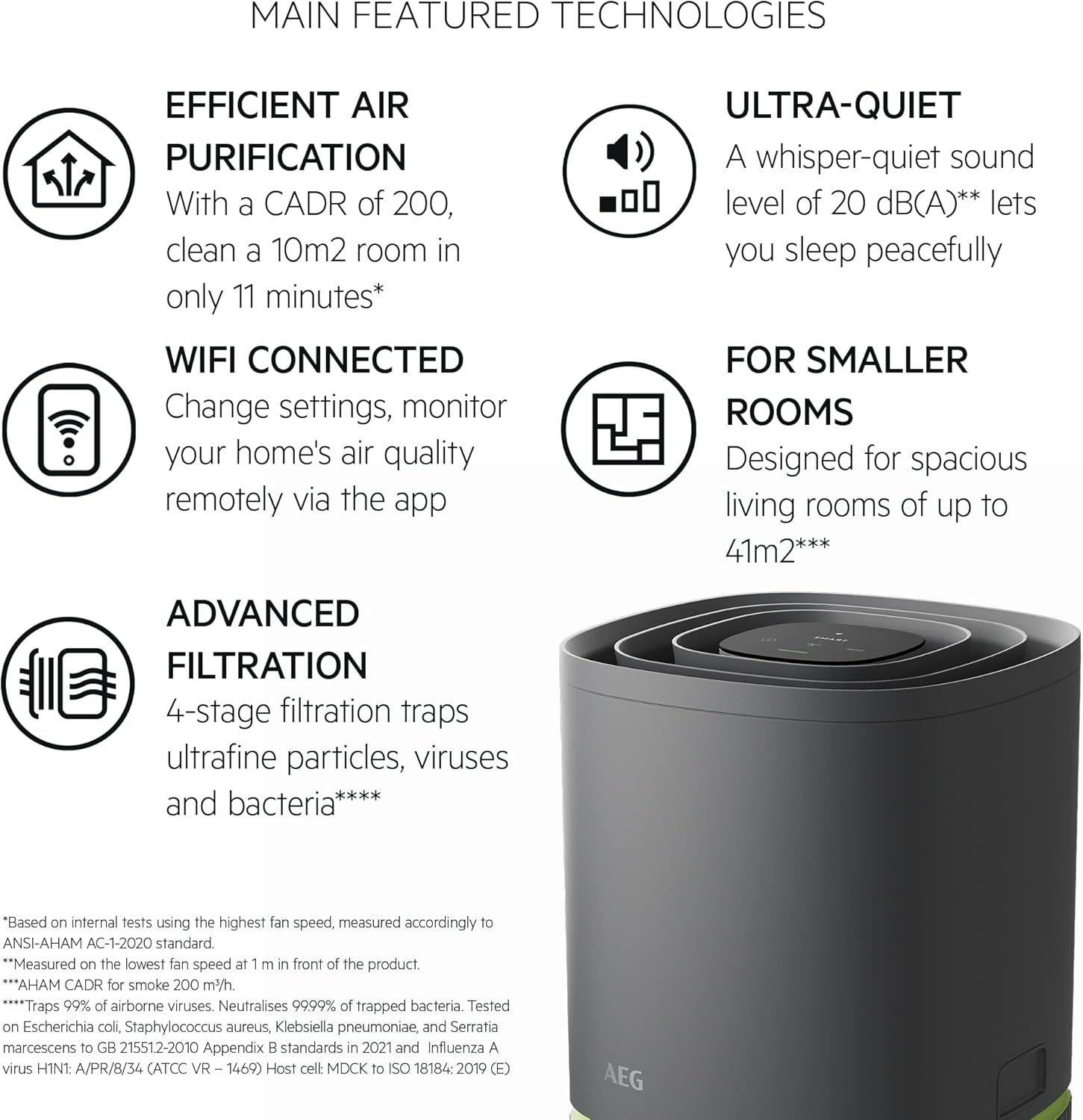
Many modern air purifiers include Wi Fi connectivity, app control and voice integration, but these smart functions only matter if the core performance is solid. A good quality sensor should change fan speed quickly when air quality worsens, rather than reacting slowly and letting pollution build up in the room. When purifiers are tested by independent reviewers, they often run long term noise testing at each fan speed, because a low hum at around 20 to 25 decibels in sleep mode can be acceptable while a harsh tone at the same level may still disturb light sleepers and make a quiet purifier feel louder than its rating suggests.
Some premium compact models, such as the Coway Airmega series, combine powerful air cleaning with refined acoustic engineering and energy efficient motors. The Levoit Vital purifiers, by contrast, focus on offering strong CADR for the price, simple controls and reliable HEPA filter performance in small rooms. Before you buy from Amazon or any other retailer, look for a detailed written or video review that includes measurements of CADR CFM, noise, power draw and filter replacement costs, because these factors shape the long term value of the purifier and reveal the trade off between quiet operation and maximum cleaning power.
Comparing leading compact models and where they fit best
Different compact purifiers excel in different environments, so matching the model to your room is essential. A small bedroom with closed windows needs a quieter air purifier with a strong sleep mode, while a busy kitchen or living room benefits from higher fan speed and more robust filters. The best compact air purifiers for allergy sufferers usually prioritize a true HEPA filter and a generous CADR rating over extra smart features, because clean air volume matters more than app control when symptoms are severe.
For example, a Coway Airmega purifier in a small room can maintain very low particle counts thanks to its powerful air flow, high CADR CFM figures and sophisticated quality sensor. In contrast, a Levoit Vital purifier might be the best small option for a student room, because it balances price, energy efficient operation and straightforward filter changes. When purifiers are tested side by side, reviewers often find that some models with similar CADR CFM ratings behave differently in real rooms, especially when doors open, people move around and outdoor air pollution fluctuates, so looking at measured noise and power use alongside CADR gives a more complete picture.
Shoppers who rely on Amazon reviews should still cross check claims with independent testing, because user comments rarely include objective CADR or noise measurements. Look for purifiers tested by organizations that publish their methodology, including room size, baseline air quality and the type of particles used during testing. If you often move between rooms, consider owning two smaller air purifiers rather than one larger unit, since this can provide more flexible clean air coverage, let you run each purifier at a lower fan speed and reduce the need to run any single purifier at maximum power.
Energy use, maintenance and long term ownership
Running an air purifier is a long term commitment, so energy use and filter costs matter as much as the purchase price. Compact air purifiers generally consume less power than large towers, but differences between models can still be significant over several years. Choosing an energy efficient purifier with a reliable auto mode can reduce electricity bills while keeping air quality stable in small rooms, especially if you run the unit for many hours per day.
Filter replacement schedules vary widely, from three months for some pre filters to a year or more for combined HEPA and carbon filter cartridges. The best compact air purifiers usually provide a clear filter indicator and easy access, which encourages owners to maintain performance instead of delaying changes. When purifiers are tested over extended periods, reviewers often note that clogged filters reduce CADR, increase noise at each fan speed and force the motor to draw more power to push air through the system, so budgeting for filters is part of choosing the right purifier.
Some manufacturers publish detailed power consumption figures for each mode, which helps you estimate annual energy costs based on your local electricity price. If you run a purifier in one or more small rooms for most of the day, even a difference of 10 watts in sleep mode can add up over time. For readers comparing technologies, ultraviolet based systems and other advanced options are covered in specialized guides such as this overview of top UV air purifiers, but for most people a compact HEPA based purifier remains the most practical route to consistently clean air with predictable maintenance.
Key figures and statistics about compact air purifiers
- In many urban homes, indoor air can be two to five times more polluted than outdoor air according to the United States Environmental Protection Agency (EPA), which makes effective purifiers particularly valuable in sealed small rooms where ventilation is limited.
- Standardized CADR testing developed by the Association of Home Appliance Manufacturers (AHAM) measures how quickly a purifier reduces smoke, dust and pollen, and compact models with CADR around 150 to 200 cubic feet per minute can typically handle rooms of roughly 15 to 20 square metres when run continuously.
- Noise measurements from independent tests show that many compact air purifiers operate around 20 to 25 decibels in sleep mode, which is comparable to a quiet library and suitable for bedrooms when the device is placed a few metres from the bed and set to a low fan speed.
- Energy Star certified purifiers are estimated by the program to be about 25 percent more energy efficient on average than non certified models, which can save significant electricity costs when units run for many hours each day in multiple small rooms.
- Filter replacement costs can represent more than half of the total ownership cost over several years, so checking HEPA filter and carbon filter prices before purchase is essential for anyone planning to run purifiers continuously in multiple rooms or at higher fan speeds.