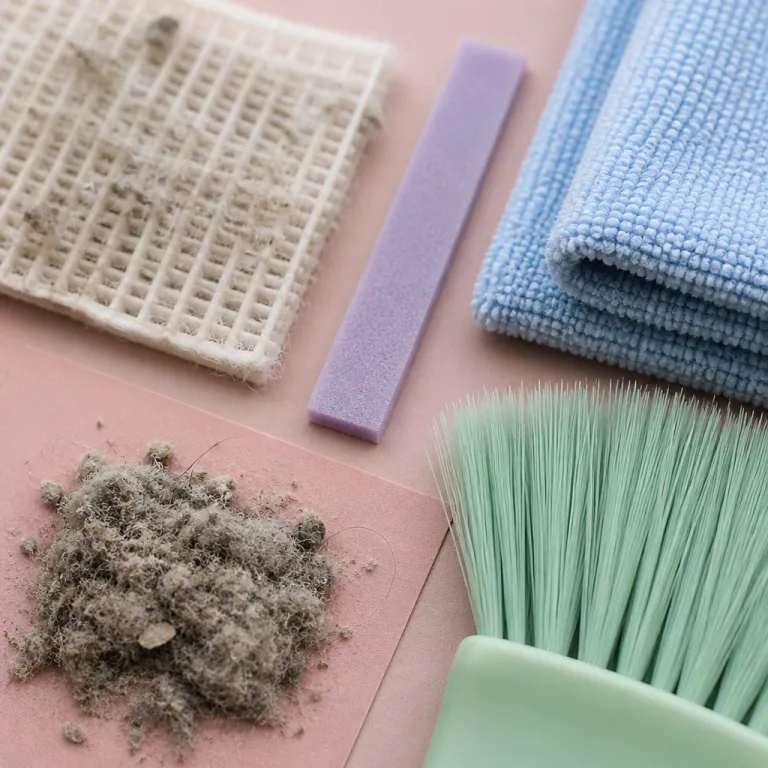

How dust forms indoors and where an air purifier fits
Household dust is a complex mix of outdoor soil, textile fibers, skin cells, and combustion residues. In a typical room, this dust-laden air also contains dust mites, mold spores, pet dander, and ultrafine particles that remain suspended for hours, which means they constantly circulate through your lungs and across your skin. Understanding how these dust particles behave is essential before you can judge whether an air purifier can truly help with dust or only plays a minor supporting role.
Most indoor dust starts outdoors, hitching a ride on shoes, clothing, and open windows, then combining with indoor sources such as cooking fumes, candles, and human skin cells. Once inside, gravity pulls heavier particles down into carpets and furniture, while lighter particles stay in the air and move with every step you take, so any strategy for reducing dust must address both surfaces and the air itself. This is where air purifiers equipped with efficient filters can help with the airborne fraction of household dust, while cleaning routines handle what has already settled.
When people ask can an air purifier help with dust, they usually imagine a device that eliminates all dust from every surface. No purifier can do that, because purifiers help only with dust particles that pass through the machine, and they cannot capture debris trapped deep in fabrics or behind furniture. However, a well chosen air purifier equipped with a high efficiency filter can significantly reduce the concentration of dust in the air, which leads to less frequent dusting, better indoor air quality, and fewer triggers for asthma or allergies.
How HEPA filters capture dust particles and improve air quality
To understand the effectiveness air purifiers can offer, you need to look closely at the filter technology inside the purifier. True HEPA filters are designed to capture at least 99.97 percent of particles around 0.3 micrometres, and that size range includes many dust particles, mold spores, and fragments of dust mites that aggravate asthma and allergic rhinitis. The United States Environmental Protection Agency (EPA) and HEPA standards documents describe this as the most penetrating particle size, which makes the rating a conservative benchmark for real world performance.
In practice, HEPA filters work through several mechanisms at once, including interception, impaction, and diffusion, which together trap particles of different sizes as air flows through the dense fiber mat. This means that an air purifier equipped with HEPA filtration can help with both coarse dust and finer particles that stay suspended longer, although gases and some ultrafine particles may require additional filters such as activated carbon. When you compare purifiers equipped with HEPA filters against models that rely only on basic mesh screens, the HEPA filter units consistently show higher effectiveness in reducing airborne dust concentrations in test chambers.
For people with asthma or dust mite allergies, purifiers equipped with true HEPA filters, not just “HEPA like” marketing labels, are especially important. These devices are specifically built to capture allergen sized particles, including fragments of dust mites and mold spores that otherwise remain in the room air for hours after vacuuming or making the bed. If you want a deeper dive into how filtration in different rooms can work together, a detailed case study on using a MERV 13 furnace filter and a portable purifier in a nursery is available through this bedroom air quality guide, which shows how layered filtration can reduce triggers more than any single device alone.
Can an air purifier help with dust related allergies and asthma ?
For many readers, the real question behind can an air purifier help with dust is whether it can reduce symptoms of asthma, rhinitis, or eczema. Dust mites, fragments of skin cells, and tiny particles from mold growth are all well known triggers, and they thrive in warm, humid indoor environments where household dust accumulates in textiles and mattresses. When these particles become airborne, every breath delivers them deep into the lungs, which can lead to inflammation, coughing, and night time wheezing.
Clinical studies on air purifiers show that devices equipped with HEPA filters can reduce airborne allergen loads, especially dust mite fragments and mold spores, which often translates into fewer symptoms for sensitized individuals. Peer reviewed trials on multi component interventions, which combine HEPA based purifiers with textile controls and humidity management, report reductions in symptom days and medication use compared with usual care alone. For example, randomized studies in paediatric asthma have documented lower dust mite allergen levels and modest improvements in peak flow when HEPA equipped purifiers run continuously in bedrooms, although the benefit is greatest when the purifier is used as part of a broader strategy that includes encasing mattresses, washing bedding at high temperatures, and controlling humidity to discourage dust mites and mold, because purifiers help only with dust that actually passes through the filter.
People with asthma should pay attention to both the clean air delivery rate and the noise level of any air purifier they choose, since a unit that is too small or too quiet on low settings may not move enough air to be effective. A correctly sized air purifier for a bedroom should be able to cycle the full volume of air several times per hour, which steadily reduces the concentration of dust particles, pet dander, and other triggers overnight. For readers concerned about musty smells or dusty vents, a practical explanation of why an air conditioner can smell dusty and how that relates to mold spores and recirculated particles is available in this guide to dusty smelling air conditioners, which complements the role of portable purifiers in a whole home plan.
Choosing an air purifier equipped with the right filters for dust
Not every air purifier on the market is equally effective against dust, so careful selection matters. When you evaluate purifiers, look for models equipped with a true HEPA filter, a pre filter for larger particles, and, if odours are a concern, an activated carbon stage, because this layered design improves both dust capture and overall air quality. Avoid units that rely only on ionization or ozone generation, since these can lead to by products in the air that irritate the lungs without significantly reducing dust particles.
Room size is another critical factor, because a purifier that is too small for your space will not move enough air to reduce dust levels meaningfully. Check the clean air delivery rate (CADR) for dust and match it to the square metres of your room, then run the purifier on a medium or high setting long enough each day to maintain low particle concentrations. As a rough guide, a dust CADR of about 200 cubic metres per hour suits a small bedroom of roughly 10 to 15 square metres with a standard ceiling height, while larger living rooms may need 300 cubic metres per hour or more to achieve several air changes per hour and keep dust air levels under control.
Filters also have an ongoing cost and maintenance schedule, which directly affects the long term effectiveness air purifiers can deliver. A clogged HEPA filter or saturated pre filter will not capture particles efficiently, and it can even restrict airflow so much that the purifier becomes little more than a noisy fan. Before you buy, check how easy it is to access the filter, whether replacement HEPA filters and pre filters are readily available, and how often the manufacturer recommends changing them under normal indoor conditions with dust and pet dander present.
Daily habits that work with air purifiers to reduce household dust
Even the best air purifier cannot manage household dust alone, because so much of the problem lies on surfaces and in fabrics. To support the purifier and truly help with reducing dust, you need a cleaning routine that targets both settled dust and the sources that constantly generate new particles, such as textiles, pets, and high traffic entryways. When these habits align with the airflow patterns in your home, the purifier can capture more particles and maintain better indoor air quality with less effort.
Start by vacuuming carpets and upholstery at least once a week with a machine that uses a HEPA filter, since ordinary vacuums can blow fine dust particles and skin cells back into the room. Damp dusting hard surfaces with a microfibre cloth prevents dust from becoming airborne again, while washing bedding at 60 °C or higher helps to reduce dust mites and their allergenic fragments that otherwise accumulate in mattresses and pillows. Placing doormats at entrances, removing shoes indoors, and grooming pets regularly will all reduce the amount of outdoor particles and loose fur that contribute to household dust, which in turn makes it easier for purifiers equipped with HEPA filters to keep up.
Ventilation also plays a role, because stale indoor air with dust and moisture encourages mold growth and increases the concentration of airborne particles. When outdoor air quality is good, opening windows briefly can dilute indoor pollutants, while the air purifier continues to capture incoming dust particles that remain suspended. In periods of high outdoor pollution or pollen, though, it is often better to keep windows closed and rely on an air purifier equipped with a strong filter to maintain acceptable air quality without importing extra allergens.
Maintenance tips to keep your air purifier effective against dust
Once you have invested in an air purifier to help with dust, ongoing maintenance determines whether it continues to perform as promised. A purifier equipped with a clogged HEPA filter or a dirty pre filter will move less air, capture fewer particles, and may even recirculate some dust back into the room, which undermines the whole purpose of the device. Regular checks and timely filter replacements are therefore as important as the original purchase decision.
Most manufacturers recommend inspecting the pre filter every one to three months, especially in homes with dust shedding textiles, pets, or nearby construction, because this layer catches larger particles before they reach the HEPA filter. Gently vacuuming or rinsing a washable pre filter can restore airflow and extend the life of the main HEPA filter, but you should always follow the specific instructions for your purifier model to avoid damaging the filter media. When the time comes to replace the HEPA filter, use genuine or certified compatible parts, since off brand filters may not meet the same capture efficiency for dust particles, mold spores, and other allergens.
Placement and operation also influence the effectiveness air purifiers can achieve over months and years. Keep at least several centimetres of clearance around the air purifier so that air can flow freely, and avoid placing it directly behind furniture or curtains where dust can accumulate and restrict intake. For a deeper look at how combining central filtration and portable purifiers can improve whole home dust control, you can review this analysis of using a MERV 13 furnace filter together with a nursery purifier in the same home, available through this combined filtration strategy, which illustrates how layered approaches often beat any single device used in isolation.
Key statistics on dust, indoor air, and purifiers
- Studies from the United States Environmental Protection Agency report that indoor air can contain two to five times more particles than outdoor air, which highlights why air quality management at home is essential for respiratory health. Detailed indoor air quality summaries are available through EPA guidance documents such as the “Guide to Indoor Air Quality.”
- Controlled chamber tests on true HEPA filters show removal efficiencies of at least 99.97 percent for particles around 0.3 micrometres, a size range that includes many dust particles and allergen fragments relevant to asthma and rhinitis. This performance level is defined in HEPA certification standards used by laboratories and manufacturers and referenced in EPA technical notes on particulate filtration.
- Clinical research on asthma patients living in homes with high dust mite exposure has found that multi component interventions, including HEPA equipped air purifiers and textile controls, can reduce symptom days and medication use compared with usual care alone. Representative randomized trials are summarized in reviews from allergy and respiratory medicine journals and in practice parameters from the American Academy of Allergy, Asthma & Immunology.
- Field measurements in occupied homes indicate that running a correctly sized air purifier on medium or high speed can reduce airborne particulate matter concentrations by 30 to 60 percent, depending on room layout and outdoor pollution levels. Studies funded by public health agencies and universities report similar ranges when HEPA based purifiers operate long enough to deliver several air changes per hour.
- Surveys of allergy specialists show that many clinicians recommend HEPA based air purifiers as part of a broader dust control plan, especially for patients with confirmed sensitization to dust mites, pet dander, or mold spores. Professional societies such as the American Academy of Allergy, Asthma & Immunology (AAAAI) include these recommendations in their environmental control guidance and patient education materials.
FAQ about air purifiers and dust
Can an air purifier remove dust from furniture and floors ?
- An air purifier only captures particles that are suspended in the air, not dust already settled on furniture, floors, or textiles.
- Regular vacuuming and damp dusting are still necessary to manage household dust on surfaces.
- The purifier helps by slowing how quickly new dust accumulates between cleanings.
How long should I run an air purifier each day for dust control ?
- For meaningful dust reduction, an air purifier should run for most of the day in occupied rooms.
- Aim for several full air changes per hour, which usually means continuous operation on a low or medium setting.
- Short bursts of operation rarely provide sustained benefits, because dust particles constantly re enter the air.
Do HEPA filters help with pet hair as well as fine dust ?
- HEPA filters are excellent at capturing fine particles such as dander, dust mite fragments, and small fibers.
- Larger pet hair is usually trapped by the pre filter stage before it reaches the HEPA media.
- Regularly cleaning the pre filter is important in homes with shedding animals to maintain airflow and dust capture.
Are ionizing or ozone generating purifiers good for dust problems ?
- Ionizing and ozone generating devices are generally less effective than mechanical HEPA based purifiers for dust control.
- Ozone can irritate the lungs at elevated levels and is not recommended for routine indoor air cleaning.
- Mechanical purifiers equipped with HEPA filters provide predictable particle removal without producing reactive gases.
How do I know if my air purifier is actually reducing dust ?
- Look for reduced visible dust on surfaces between cleanings and fewer allergy symptoms as practical signs of improvement.
- For a more objective check, some users employ consumer grade particle counters to compare air quality with the purifier on and off.
- If readings and symptoms do not change, the unit may be undersized, poorly placed, or in need of filter maintenance.
References
- United States Environmental Protection Agency (EPA) – Indoor Air Quality resources and guidance on particulate matter in homes, including the “Guide to Indoor Air Quality” and technical summaries on residential filtration.
- World Health Organization (WHO) – Household air pollution and health, including recommendations on reducing indoor particle exposure and improving ventilation.
- American Academy of Allergy, Asthma & Immunology (AAAAI) – Guidance on environmental control for allergies and asthma, with sections on HEPA filtration, dust mite reduction, and multi component home interventions.