

Understanding the role of table fans in indoor air quality
How Table Fans Influence Indoor Air Quality
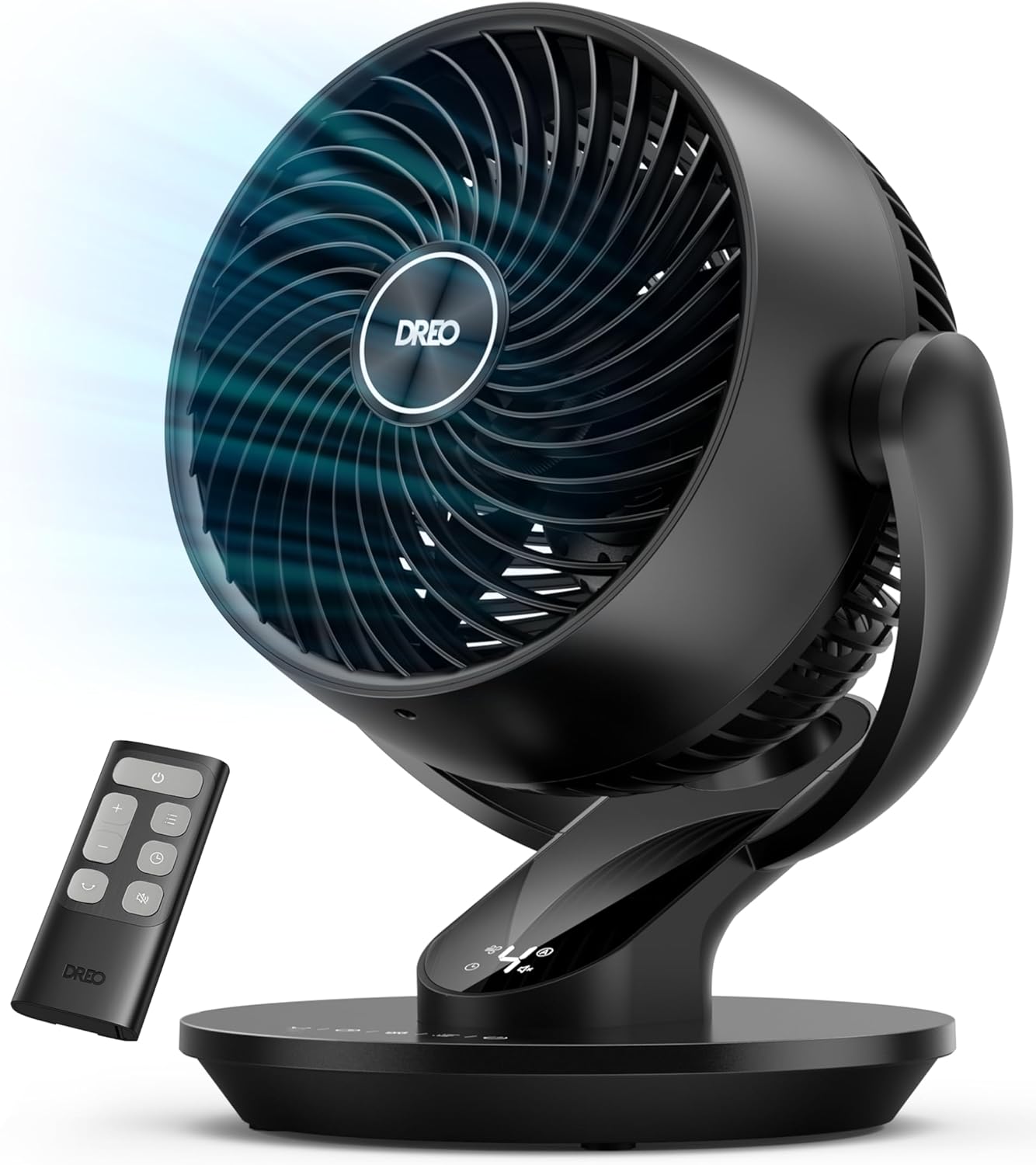
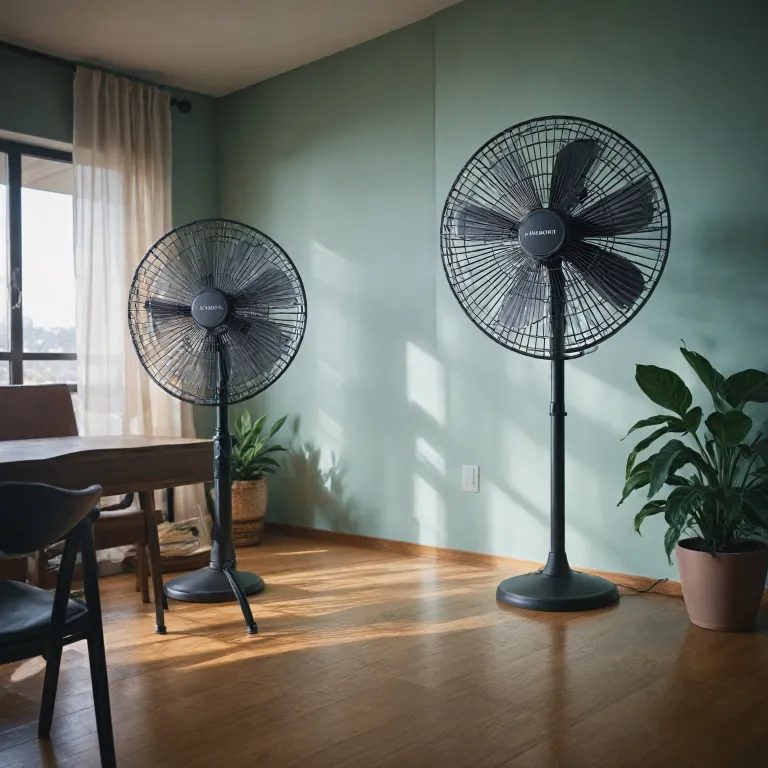
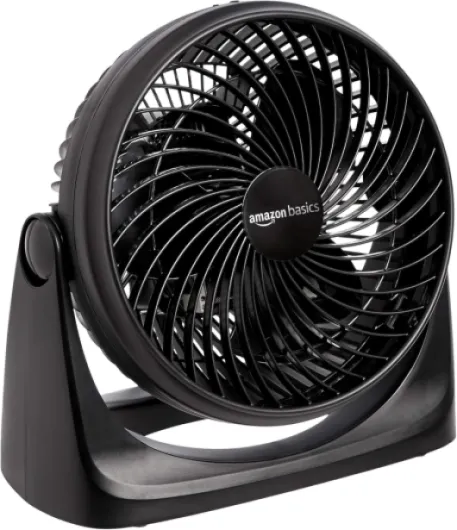
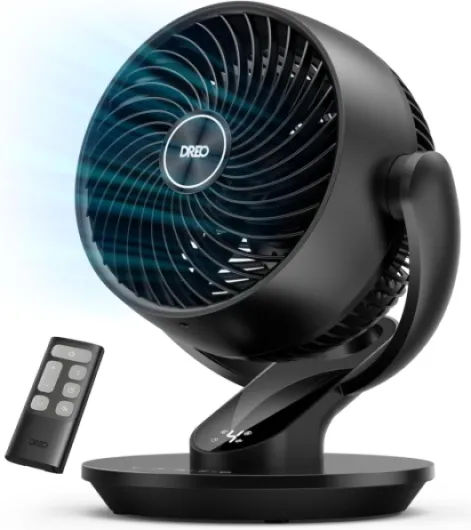
Table fans are a popular choice for improving comfort in bedrooms, offices, and other indoor spaces. While they do not filter or remove particles from the air like air purifiers, they play a significant role in air circulation. By moving air efficiently, a desk fan or a portable fan helps distribute fresh air and reduce stuffiness, especially in rooms with limited ventilation.
- Air Circulation: Table fans, including air circulator and tower fan models, help prevent stagnant air by creating a gentle breeze. This can make a small bedroom or office feel cooler and fresher, even without lowering the temperature.
- Comfort and Versatility: With adjustable tilt and multiple fan speeds, these products allow you to direct strong airflow where it’s needed most. Whether you need a quiet fan for your bedroom or a turbo fan for your workspace, there are options to suit every need.
- Energy Efficiency: Using a fan instead of air conditioning can help save on energy bills. Many fans are portable, rechargeable, and even battery-powered, making them ideal for camping or as a backup during power outages.
- Noise Level: Modern table fans are designed to operate quietly, making them suitable for use in bedrooms or offices where low noise is important.
It’s important to note that while table fans improve air movement, they do not remove allergens, smoke, or fine particles from the air. For those concerned about indoor air quality due to wildfire smoke or allergens, an air purifier may be a better solution. You can learn more about choosing the best air purifier for wildfire smoke at home in this detailed guide on air purifiers for wildfire smoke.
In the next sections, we’ll explore what features to look for in a table fan, how to compare them with air purifiers, and tips for placement and maintenance to get the most out of your fan products.

Key features to look for in a table fan
What Makes a Table Fan Stand Out?
When searching for the best table fan for your bedroom, office, or even camping trips, several features can make a real difference in comfort and air circulation. Today’s table fans come in a variety of sizes, styles, and technologies, so it’s worth paying attention to the details before you shop.
- Size and Portability: Table fans range from small 6-inch portable models to larger 16-inch air circulators. If you need a fan for your desk or a compact bedroom office, a small, lightweight, and portable fan is ideal. For camping, look for a rechargeable or battery-powered option.
- Fan Speeds and Airflow: Adjustable fan speeds let you control the strength of airflow. Some products offer two or three speeds, while others feature turbo or strong airflow modes. This flexibility is useful for different room sizes and personal comfort.
- Noise Level: A quiet fan is essential, especially for bedrooms or office spaces. Check the noise level ratings or look for models marketed as low-noise or whisper-quiet. This ensures you can work or sleep without disturbance.
- Adjustable Tilt and Oscillation: Fans with adjustable tilt or oscillation can direct airflow exactly where you need it. This is especially helpful in larger rooms or when you want to save energy by targeting specific areas.
- Power Source: Consider whether you need a fan with a regular plug, USB, battery, or rechargeable battery. For maximum flexibility, a rechargeable fan is great for both indoor and outdoor use.
- Design and Color: Many fans come in classic black, white, or modern finishes. Choose a style that fits your décor, whether it’s for your desk, bedroom, or office.
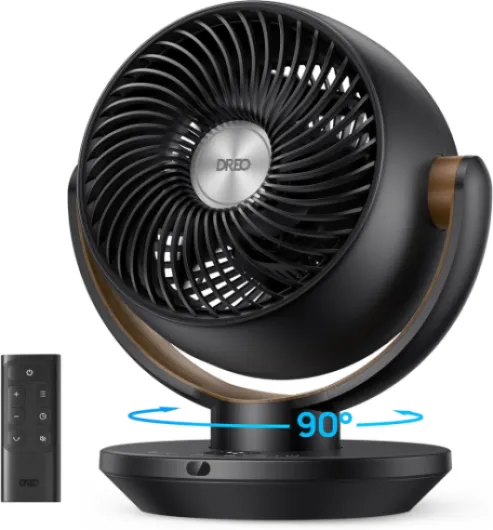
- Extra Features: Some fans include LED lights, timer functions, or remote controls. These features can add convenience, especially in a fan bedroom setup or for late-night use.
- Price and Value: Compare the regular price and look for free delivery or discounts when shopping online. The best products balance quality, features, and affordability.
For those concerned about air quality, it’s also worth considering how a table fan compares to an air purifier. If you’re interested in how fans and purifiers handle wildfire smoke or other pollutants, you can learn more about choosing the best air purifier for wildfire smoke at home.
Ultimately, the right table fan should fit your space, meet your needs for airflow and quiet operation, and offer good value for the price. Whether you need a fan for your desk, bedroom, or camping, paying attention to these features will help you find a product that keeps you cool and comfortable.
Comparing table fans and air purifiers
How Table Fans and Air Purifiers Differ in Function and Benefits
When comparing a table fan to an air purifier, it’s important to understand that these products serve different purposes in your bedroom, office, or any indoor space. A fan, whether it’s a small desk fan, a portable camping fan, or a larger tower fan, is designed to circulate air and create a cooling effect. In contrast, an air purifier is built to remove airborne particles like dust, pollen, and smoke, improving indoor air quality.- Air Movement vs. Air Cleaning: Table fans, including models with adjustable tilt or multiple fan speeds, move air around the room. They can help you feel cooler and save on energy costs by reducing the need for air conditioning. However, they do not filter or clean the air. Air purifiers, on the other hand, use filters to capture pollutants, making them essential for allergy sufferers or those sensitive to air quality.
- Noise Level: Many modern table fans are designed to be quiet, making them suitable for bedrooms or offices. Air purifiers also vary in noise level, but some can be louder due to their filtration systems. Always check the noise rating if you need a quiet product for sleep or work.
- Portability and Power: Table fans come in various sizes, such as 6 inch portable or 12 inch desk fans, and many are battery powered or rechargeable for free movement around your space. Air purifiers are generally less portable, often requiring a fixed spot and a power outlet.
- Price and Value: Fans are typically more affordable, with a regular price that fits most budgets. Air purifiers, especially those with advanced filtration, can be more expensive but offer long-term health benefits.
- Extra Features: Some fans offer LED lighting, turbo modes, or multiple speeds. Air purifiers may include air quality sensors or smart controls, but don’t provide a cooling effect.
| Feature | Table Fan | Air Purifier |
|---|---|---|
| Primary Function | Air Circulation | Air Cleaning |
| Noise Level | Usually quiet | Varies by model |
| Portability | High (portable, battery, rechargeable) | Medium to low |
| Price | Lower | Higher |
| Extra Features | Speeds, tilt, LED, turbo | Filters, sensors, smart controls |
Best placement tips for your table fan
Finding the Sweet Spot for Maximum Air Circulation
Where you place your table fan can make a big difference in how well it cools your space and helps with air circulation. Whether you’re using a small fan on your desk at the office, a quiet fan in your bedroom, or a portable fan for camping, the right spot can maximize comfort and efficiency.
- Desk and Office: For a desk fan or fan office setup, position the fan so it points slightly upward and toward you, but not directly at your face. This helps avoid dryness and keeps the air moving across your workspace. Adjustable tilt features are useful for fine-tuning the airflow direction.
- Bedroom: In a bedroom, place your fan bedroom model near a window or door to help bring in fresh air or push out warm air. A quiet fan or one with a low noise level is best for sleep. For larger rooms, consider a tower fan or air circulator for stronger airflow.
- Small Spaces: For small rooms or when using a fan portable product, put the fan on a stable surface where it won’t be blocked by furniture. Inch portable fans are great for bedside tables or shelves.
- Shared Areas: In living rooms or shared spaces, a circulator fan or fan turbo model can help distribute air evenly. Place it centrally, away from walls, to allow free movement of air.
Tips to Save Energy and Get the Most from Your Fan
- Use the adjustable tilt and multiple fan speeds to match your comfort needs and save on energy.
- Try placing your table fan near an open window in the evening to draw in cooler air, especially during summer.
- For battery or rechargeable fans, keep them charged and ready for portable use, whether at home or camping.
- Shop for products with free delivery to save on costs, and compare regular price points for the best value.
Common Mistakes to Avoid
- Don’t block the fan’s airflow with objects or curtains.
- Avoid placing fans too close to electronics or heat sources, as this can reduce their effectiveness.
- Check the noise level if you plan to use the fan in quiet spaces like bedrooms or offices.
Remember, the right placement, combined with features like adjustable tilt, multiple speeds, and strong airflow, will help your table fan perform at its best. Whether you’re looking for a black fan to match your decor, a fan led for extra lighting, or a rechargeable model for portability, placement is key to getting the most out of your product.
Maintenance and cleaning for optimal performance
Keeping Your Table Fan in Top Shape
Regular maintenance is essential to ensure your table fan delivers strong airflow and operates quietly, whether you use it in the bedroom, office, or for camping. Dust and debris can build up on the blades and grill, affecting both performance and noise level. Here’s how to keep your fan—be it a small desk fan, tower fan, or portable air circulator—working efficiently:- Unplug Before Cleaning: Always disconnect your fan from power or remove the battery if it’s rechargeable or battery-operated. Safety first, especially with portable and fan led models.
- Wipe Down Surfaces: Use a damp cloth to clean the exterior, including the adjustable tilt base and controls. For black or white finishes, avoid harsh chemicals to preserve the look.
- Clean the Blades and Grill: Detach the grill if possible. Gently wipe the blades and grill with a soft cloth. For stubborn dust, use a small brush or compressed air. This helps maintain quiet operation and strong airflow.
- Check for Obstructions: Make sure nothing is blocking the air intake or output, especially on compact or inch portable models. This can save energy and extend the life of your product.
- Inspect Fan Speeds and Controls: Test all fan speeds and tilt adjustments to ensure smooth operation. If your fan has a turbo or air circulator mode, verify these features work as intended.
Tips for Longevity and Performance
- Store your fan in a dry place when not in use, especially if it’s a camping fan or portable model.
- For rechargeable fans, follow the manufacturer’s charging instructions to preserve battery life.
- Look for free delivery or shop during sales to save on regular price when replacing or upgrading your fan products.
- Consider the noise level and fan speeds when choosing a new fan for your bedroom or office, as quieter models can improve comfort.
When to use a table fan versus an air purifier
Deciding Between a Table Fan and an Air Purifier
When it comes to improving comfort and air quality in your space, knowing when to use a table fan versus an air purifier can make a big difference. Each product serves a unique purpose, and understanding their strengths helps you save money and get the best results for your needs.
- Table fans are designed to move air, creating a cooling breeze in your bedroom, office, or desk area. They come in various sizes, from small 6-inch portable fans to larger 16-inch models. Features like adjustable tilt, multiple fan speeds, and quiet operation make them ideal for personal comfort. Many fans are portable, rechargeable, and even offer free delivery when you shop online. Some models, like tower fans or turbo fans, provide strong airflow and can be used as air circulators in larger rooms.
- Air purifiers focus on removing particles such as dust, pollen, and smoke from the air. They do not cool the room but improve indoor air quality, which is especially important for allergy sufferers or during wildfire season. Air purifiers often use HEPA or MERV filters to trap contaminants, and their effectiveness is measured by clean air delivery rate rather than airflow speed.
When to Use a Table Fan
- When you want to feel cooler in your bedroom, office, or while camping
- If you need a portable, battery-powered, or rechargeable fan for your desk or outdoor activities
- To circulate air and reduce stuffiness, especially in small spaces like a desk or bedroom
- When price and energy savings are a priority—table fans are generally more affordable than air purifiers
- For quick setup and easy maintenance, as most table fans are simple to clean and operate
When to Use an Air Purifier
- If your main concern is indoor air quality, such as removing allergens, dust, or smoke
- When you need to address specific health concerns, like asthma or allergies
- In environments where air pollution or wildfire smoke is an issue
- For continuous air cleaning without increasing noise level or airflow
Combining Both for Best Results
In some situations, using both a table fan and an air purifier can offer the best of both worlds. For example, a fan can help distribute purified air throughout your bedroom or office, while the air purifier works to remove contaminants. Just be mindful of placement—avoid pointing the fan directly at the purifier’s intake to ensure optimal performance for both products.
Ultimately, your choice depends on your priorities: cooling and air movement (fan) or cleaner air (air purifier). Consider factors like noise level, price, portability, and the specific needs of your space before making a decision. Many modern table fans offer features such as LED displays, adjustable tilt, and multiple speeds, making them versatile for different environments, from the office to camping trips.