How activated carbon air purifiers tackle odors and household VOCs
Many people buy an air cleaner after realizing that smoke, cooking smells, or pet odors linger far longer than expected. The best activated carbon air purifiers address this by forcing air through a bed of porous carbon granules that adsorb VOCs and odor molecules onto their vast internal surface. This process is different from masking odors with fragrance, because the carbon actually removes gases from the air rather than covering them up.
When you compare air purifiers for odor control, pay attention to both the carbon filter weight and the airflow speed measured in cubic feet per minute (CFM) or in clean air delivery rate (CADR CFM). A purifier that moves air quickly but contains very little activated carbon will circulate odors without truly reducing them, while a unit with generous lbs carbon but very low fan speed may take too long to clean the room. The sweet spot is a product where the purifier covers the intended floor area with at least four to five ACH while still pushing air through a deep carbon bed sized in line with independent lab tests or detailed manufacturer specifications.
Real world tests, including independent reviews and user reports, show that models like the Austin Air HealthMate excel at removing persistent odors from tobacco smoke and cooking because they combine a large carbon filter with a robust fan and a high efficiency HEPA filter. In one long term home trial reported by a third party reviewer, a HealthMate used in a 40 square metre open plan kitchen reduced noticeable cooking smells from several hours to less than 30 minutes after meals, even during winter when windows stayed closed. For households sensitive to chemical cleaners, paints, or new carpets, prioritizing activated carbon capacity and overall filtration system quality will have a bigger impact than any cosmetic feature or smart app.
Key performance metrics: CADR, ACH, CFM, and noise level
Choosing among the best activated carbon air purifiers means looking beyond glossy photos and focusing on measurable performance. Three numbers matter most for any serious air purifier buyer: CADR CFM, ACH, and noise level at typical fan settings. CADR, or clean air delivery rate, indicates how much filtered air the product can deliver, while ACH tells you how many times per hour the purifier covers and refreshes the air in a given room.
For example, a purifier with a CADR of 300 CFM that operates in a 30 square metre bedroom can easily reach four to five ACH, which is a solid target for allergy and asthma relief. To convert CADR to ACH, you divide the CADR by the room volume in cubic feet and then multiply by 60 minutes; this simple calculation lets you check whether a claimed coverage area is realistic. If that same unit also includes a thick activated carbon filter and a true HEPA filter, it can handle both particles and VOCs without sacrificing air quality. However, if the noise level at the required fan speed is too high, you may never run the purifier fast enough to reach those ACH numbers in real life.
Some of the best activated carbon air purifiers balance these trade offs with smart features such as auto mode, which adjusts fan speed based on a built in air quality sensor. When the sensor detects a spike in VOCs or particles, the purifier increases CFM temporarily, then drops back to a quieter level once the air is clean again. For a deeper look at how VOC filtration works in practice, including the role of activated carbon and pre filter stages, this technical article on VOC air filters and indoor air quality offers useful case studies from real homes and summarizes findings from peer reviewed indoor air quality research.
Comparing leading activated carbon air purifier brands and designs
Not all air purifiers that claim to use activated carbon are engineered with the same seriousness or capacity. At the premium end, Austin Air and IQAir HealthPro models use heavy canisters with many lbs carbon combined with high efficiency HEPA air filtration, which makes them suitable for people with severe chemical sensitivities. These products often feature a cylindrical design where the purifier covers the room evenly by drawing air from all sides and expelling it upward.
Mid range air purifiers sold on Amazon frequently use a lighter carbon filter integrated into a combined HEPA filter cartridge, which keeps replacement costs lower but reduces gas adsorption capacity. When evaluating such a product, check whether the manufacturer specifies the actual weight of activated carbon and the expected ACH for your room size. If the brand only mentions generic terms like “carbon layer” without numbers, you can safely assume the gas filtration system is modest at best and unlikely to match the performance of deep bed designs documented in teardown reviews.
Some newer designs focus on energy efficiency and carry the Energy Star label, which means they deliver a certain CADR per watt of energy consumed. An Energy Star certified air purifier with auto mode can run continuously at low speed, maintaining good air quality while keeping electricity use under control. For large open plan spaces, consider a unit where the purifier covers at least 70 to 90 square metres and includes a robust pre filter to capture hair and dust, protecting both the HEPA filter and the activated carbon bed from premature clogging.
| Model / brand |
Approx. carbon weight |
Typical CADR (CFM) |
Recommended room size / ACH |
Noise range (dB) |
Filter replacement cost |
| Austin Air HealthMate (canister) |
~15 lbs activated carbon and zeolite (manufacturer data) |
~250–300 CFM equivalent (independent test estimates) |
Up to ~70 m² at ~4–5 ACH in typical rooms |
~30–65 dB depending on fan speed |
Higher upfront, long interval full canister replacement |
| IQAir HealthPro series |
Several lbs granular carbon and chemisorption media |
~300–400 CFM depending on model and setting |
Medium to large rooms at ~4–6 ACH when sized correctly |
~22–57 dB in published specifications |
Premium multi stage cartridges, longer rated life |
| Typical mid range Amazon tower purifier |
Sub‑1 lb carbon impregnated sheet (varies by brand) |
~150–250 CFM manufacturer rated CADR |
Small to medium rooms at ~3–4 ACH in practice |
~24–55 dB across low to high speed |
Lower cost combined HEPA and carbon filter packs |
Practical buying checklist for the best activated carbon air purifiers
When you stand in front of a shelf of air purifiers or scroll through endless product listings, a clear checklist helps you separate serious machines from decorative gadgets. Start with the basics: does the air purifier specify a true HEPA filter, a substantial activated carbon filter with stated lbs carbon, and a realistic CADR CFM rating for your room size. If any of these three elements is missing or vague, the product is unlikely to rank among the best activated carbon air purifiers for demanding users.
Next, match the purifier covers specification to your actual floor area and ceiling height, aiming for at least four ACH in bedrooms and living rooms. Look for a filtration system that includes a washable pre filter, because this inexpensive layer will trap larger particles and extend the life of both the HEPA air stage and the carbon filter. Pay attention to the stated noise level at the fan speed you will actually use, not just at the lowest setting that manufacturers like to highlight in marketing materials, and check whether the figures are based on internal testing or independent measurements.
Finally, consider operating costs and usability features such as auto mode, filter change indicators, and energy consumption. An Energy Star certified model with a high efficiency or medical grade style HEPA filter may cost more upfront but often uses less energy and needs fewer replacements over time, which improves long term value. For readers comparing options for large rooms or open spaces, this in depth review of a high capacity bedroom and large room air purifier shows how specifications like CFM, ACH, and noise level translate into everyday comfort and makes clear which performance numbers come from standardized tests versus manufacturer claims.
Maintenance, filter changes, and long term air quality
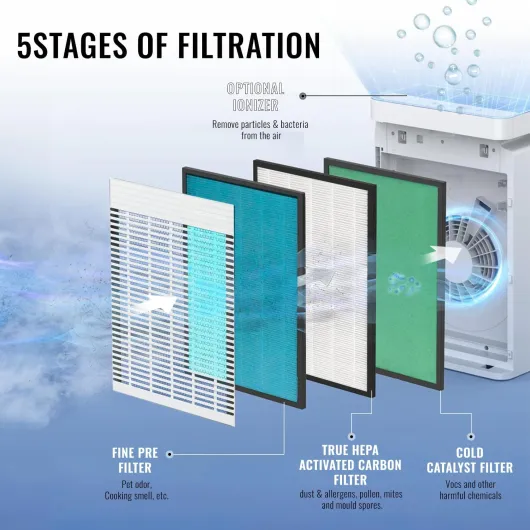
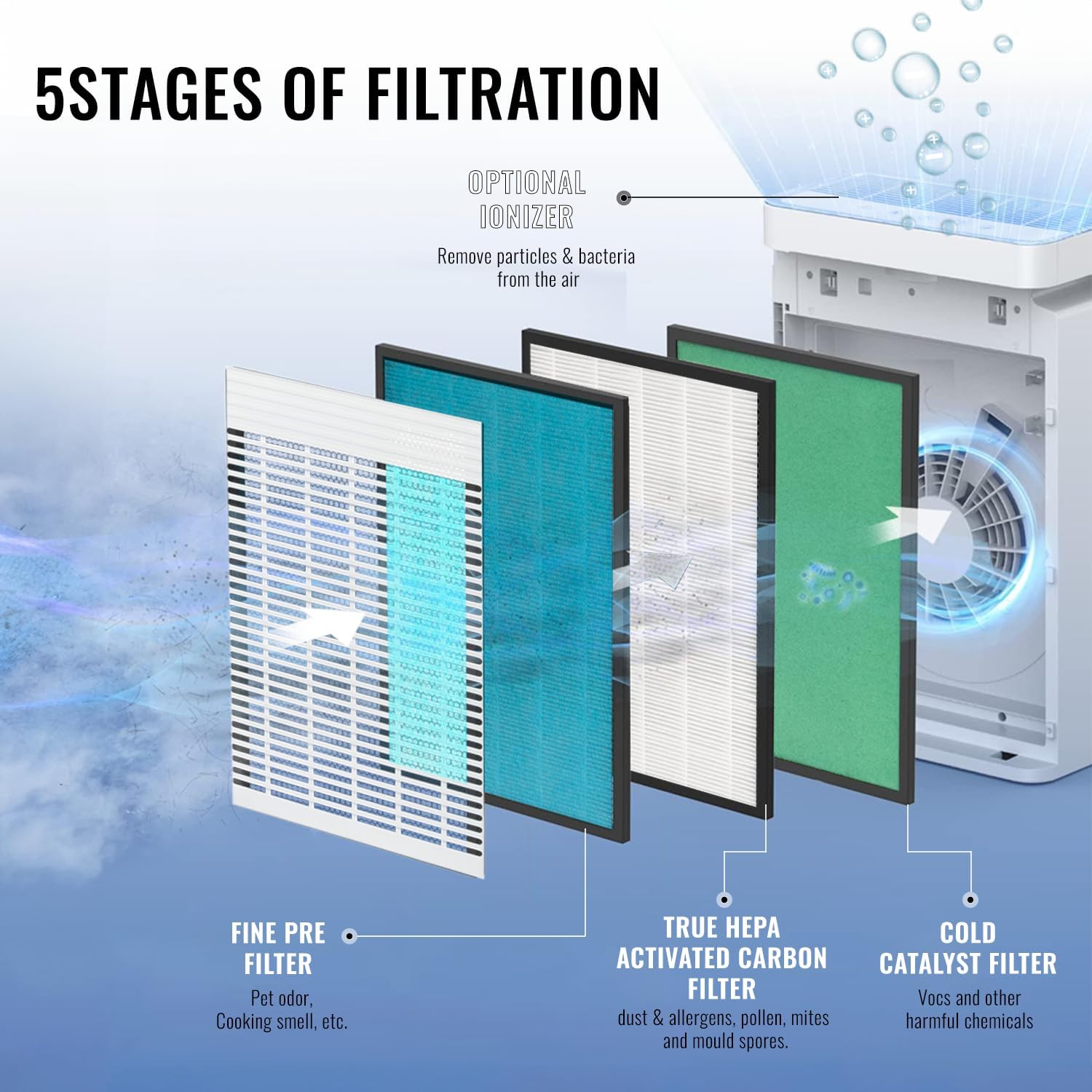
Even the best activated carbon air purifiers will underperform if filters are neglected or replaced with low quality parts. Over time, the HEPA filter fills with fine particles and the activated carbon becomes saturated with VOCs and odors, which reduces their ability to clean the air effectively. A well designed filtration system usually includes a pre filter that you can vacuum or wash regularly, slowing down this buildup and protecting the more expensive components.
Most serious air purifier brands specify replacement intervals in months or hours of use, but these are only guidelines because real world conditions vary widely. A home with heavy cooking, pets, or frequent use of cleaning products will saturate a carbon filter faster than a quiet office with good ventilation and low VOCs. Pay attention to any change in odors, airflow, or noise level, because a clogged filter forces the fan to work harder and can increase both sound and energy consumption.
When buying replacement filters, stick to original parts or certified equivalents that match the medical grade or high grade HEPA specifications of the original purifier. Cheaper generic filters often use less activated carbon and lower density HEPA media, which undermines the air quality you paid for in the first place. Keeping a simple log of filter changes and room conditions helps you understand how your specific environment affects the purifier and ensures that the product continues to deliver the best possible performance over several years.
Energy use, smart features, and where activated carbon fits in a healthy home
Running an air purifier for many hours a day naturally raises questions about energy use and sustainability. Modern Energy Star certified models are designed to deliver strong CADR CFM performance while drawing surprisingly modest power at low and medium fan speed settings. When combined with auto mode and accurate air quality sensors, these purifiers can maintain clean air with less wasted energy than older always on high speed designs.
In a well planned home strategy, the best activated carbon air purifiers complement, rather than replace, basic ventilation and source control. Opening windows when outdoor air quality is good, choosing low VOC paints and cleaning products, and storing solvents outside living areas all reduce the burden on the carbon filter. The purifier then acts as a safety net, capturing residual VOCs, fumes, and odors that slip through these primary defences.
For people with asthma, allergies, or chemical sensitivities, combining a medical grade HEPA air purifier with a deep bed activated carbon filter can significantly reduce symptom triggers indoors. Large canister models like the Austin Air HealthMate or the IQAir HealthPro series are often recommended by clinicians because they pair high quality HEPA filter media with generous lbs carbon capacity. When you view the air purifier as one component in a broader indoor air quality plan, rather than a magic bullet, you are more likely to achieve stable, long term improvements in comfort and health.
Key statistics on activated carbon air purifiers
- Independent laboratory tests reported that high quality activated carbon filters can remove more than 90 percent of certain VOCs such as benzene and toluene within a few hours of continuous operation, when sized correctly for the room and airflow. For example, studies published in indoor air quality journals and summarized in technical reviews have documented rapid reductions in these compounds when deep bed carbon filters are used in sealed test chambers under controlled conditions.
- Energy Star certified air purifiers use up to 40 percent less energy than standard models with similar CADR ratings, which can save several kilowatt hours per month in homes where purifiers run most of the day. Data from government efficiency programs and third party energy audits show that this difference grows over time, especially in households operating multiple units.
- Clinical studies on HEPA and activated carbon air purifiers in homes near major roads have shown reductions of indoor particulate matter by 50 to 70 percent and measurable decreases in nitrogen dioxide levels, improving respiratory symptoms for sensitive occupants. Peer reviewed research has linked these improvements to better sleep quality and fewer reported asthma flare ups in children when purifiers are operated at fan speeds that deliver at least four to five ACH.
- Many premium canister style purifiers contain between 5 and 15 lbs of activated carbon, providing far greater gas adsorption capacity than compact units that rely on thin carbon impregnated sheets weighing only a few hundred grams. Manufacturer specifications and third party teardown reviews consistently confirm this order of magnitude difference in carbon mass and help explain the performance gap between categories.