

Understanding ultraviolet light technology in AC systems
How UV Light Works in HVAC Systems
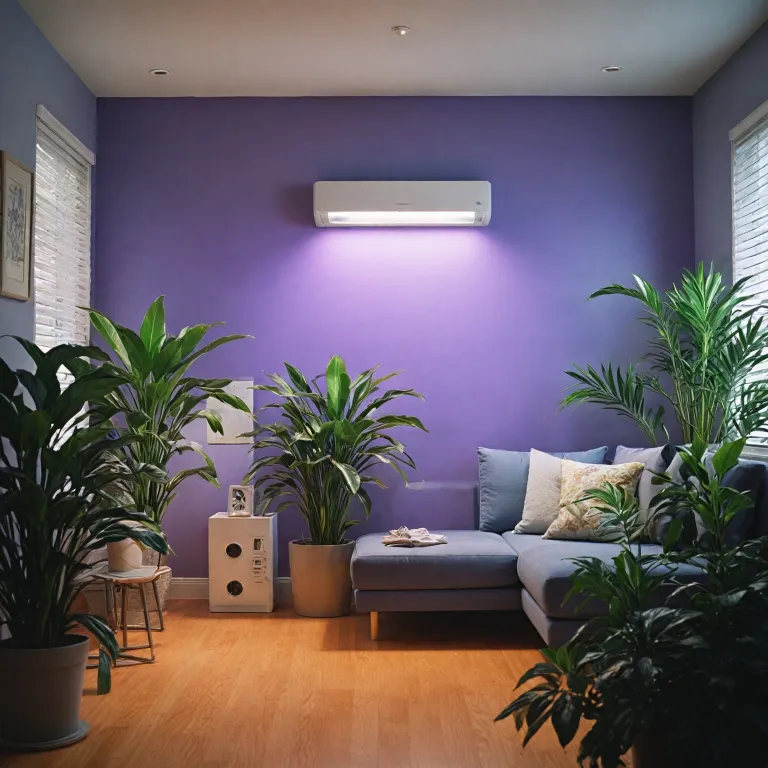
Ultraviolet (UV) light technology is becoming a popular addition to HVAC systems for improving indoor air quality. In particular, UVC light, which is a specific wavelength of ultraviolet light, is used for its strong sanitizing properties. When installed inside an HVAC system, these lights target the air as it passes through the ductwork, helping to reduce bacteria, mold, and other airborne contaminants. The most common setup involves placing a UV lamp near the evaporator coil or inside the duct, where the light can continuously sanitize the coil and the air moving through the system.
Types of UV Lights Used in Air Conditioning
There are two main types of UV lights for HVAC systems: coil sanitizing lights and air sanitizing lights. Coil sanitizing lights are installed to shine directly on the evaporator coil, preventing mold and bacteria from growing on the moist surface. Air sanitizing lights, on the other hand, are placed in the duct to treat the air as it circulates through the house. Both types of lights can be found in various wattages and product designs, so it’s important to choose the right one for your specific HVAC system and indoor air needs.
Why UVC Light is Effective for Air Purification
UVC light is known for its ability to disrupt the DNA of microorganisms, which helps in reducing the presence of bacteria, viruses, and mold spores in the air. This makes it a valuable addition to air conditioning systems, especially in environments where maintaining clean indoor air is a priority. The effectiveness of these lights depends on factors like placement, wattage, and the overall design of the HVAC system. Proper installation ensures that the UVC lamp can reach the areas where contaminants are most likely to grow or circulate.
- UVC lights can be installed in both residential and commercial HVAC systems
- They work continuously to improve indoor air quality by targeting airborne contaminants
- Installation should be done by a professional to ensure safety and effectiveness
For those interested in exploring alternative air purification technologies, you might find this guide to ion-based air purifiers helpful for comparison.
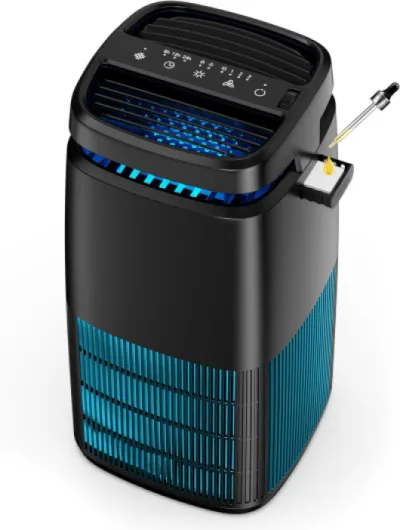
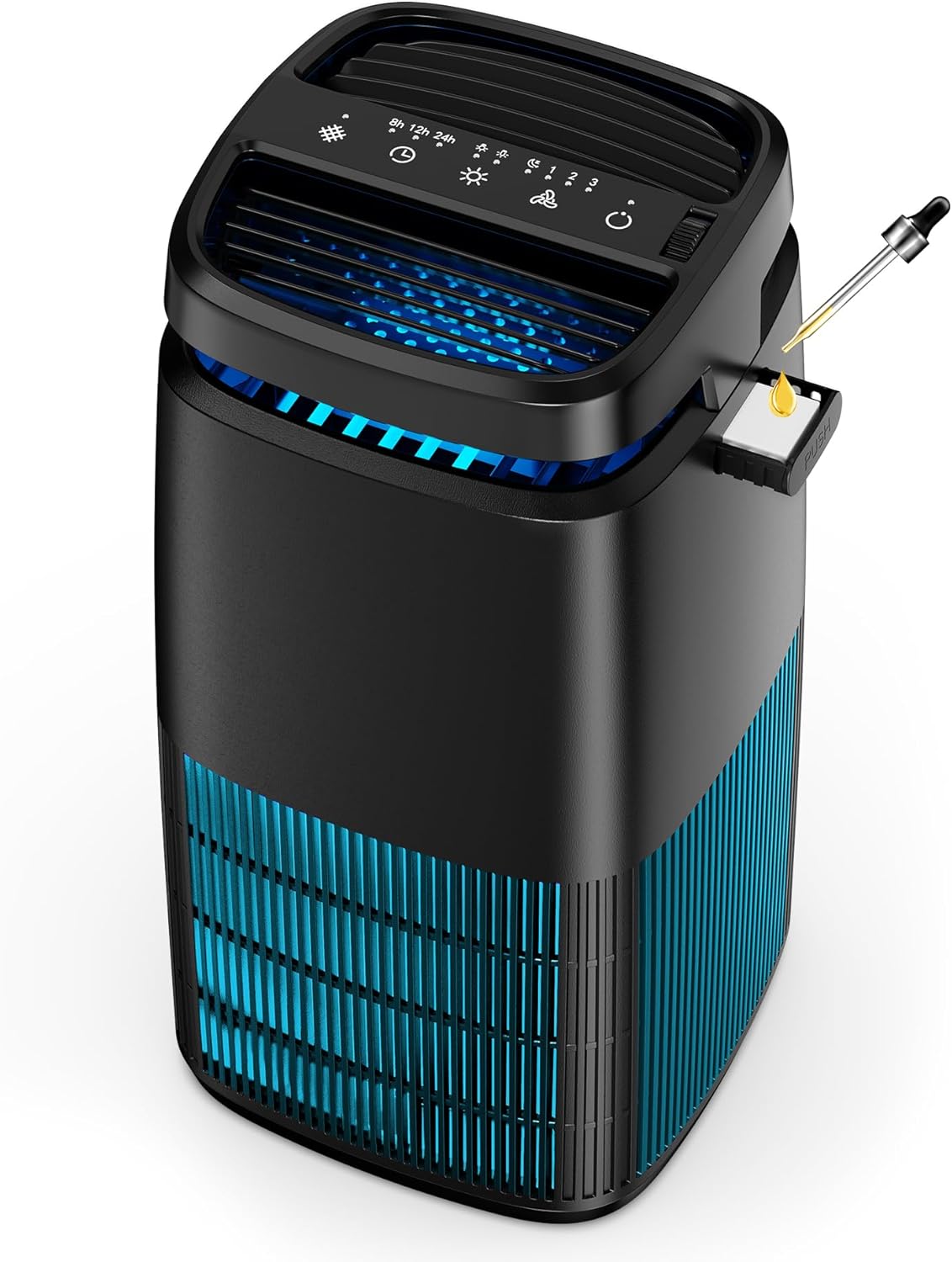
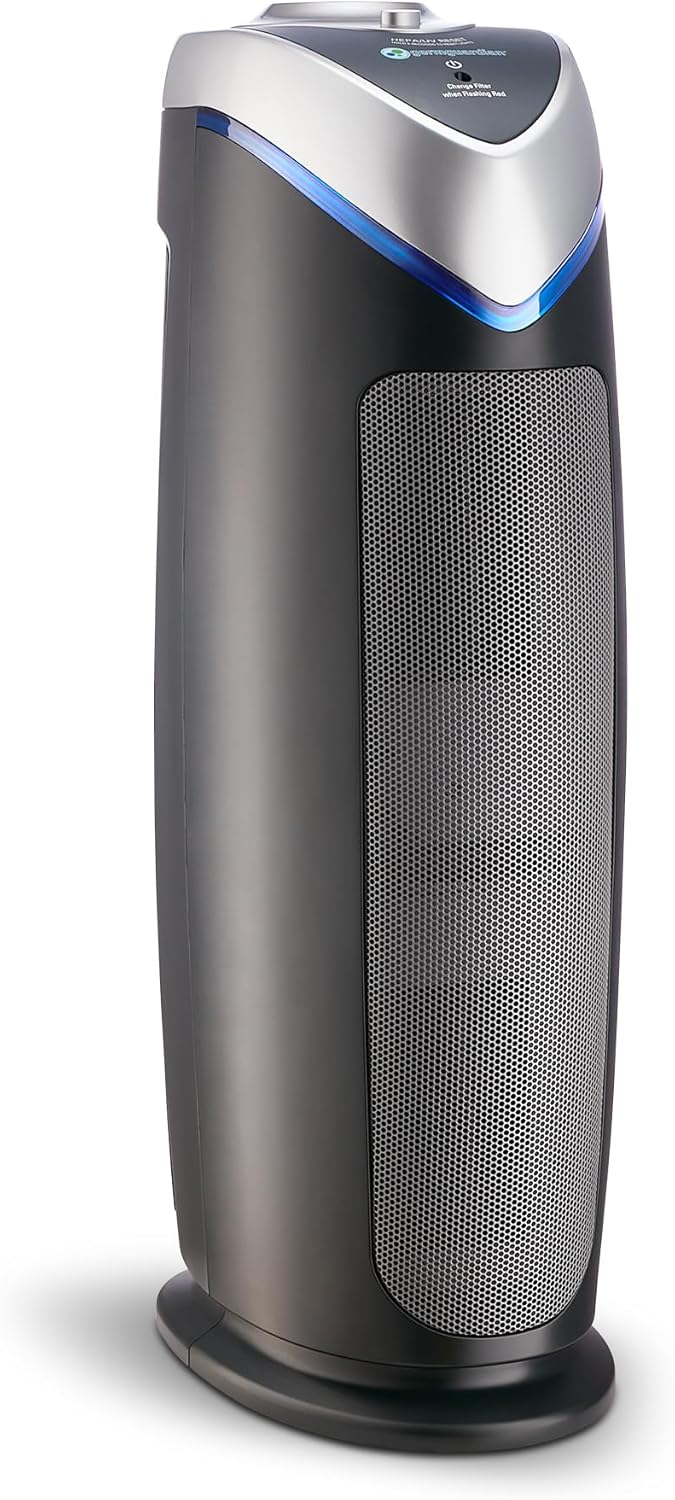
- + 4-in-1 functionality: Air purifier, Ionizer, HEPA filter, UV
- + High coverage: Suitable for areas up to 1250 Ft²
- + 99.97% removal rate for pollen, smoke, and pet dander
- + H13 HEPA filter for effective air cleaning
- + Compact design: Fits well in bedrooms

How ultraviolet light AC systems target airborne contaminants
How UV-C Lamps Work Inside HVAC Systems
When ultraviolet light, especially UV-C, is installed in an HVAC system, it acts as a powerful air sanitizing tool. These lights are typically placed near the evaporator coil or inside the ductwork. The UV-C lamp emits a specific wavelength of light that disrupts the DNA and RNA of microorganisms like bacteria, viruses, and mold. This process helps prevent these contaminants from multiplying and circulating through your house via the air conditioning system.Targeting Airborne Contaminants in Real Time
As air moves through the HVAC system, it passes by the UV-C light. This constant exposure means that airborne particles, including allergens and pathogens, are continuously targeted. The coil sanitizing effect is particularly important because the evaporator coil is a common spot for mold and bacteria growth due to moisture. By keeping the coil clean, the system not only improves indoor air quality but also maintains the efficiency of your HVAC system.- UV-C lights in HVAC systems work 24/7, reducing the buildup of contaminants on coils and in ducts.
- Sanitizing lights help minimize the spread of germs throughout the indoor environment.
- Proper installation ensures that the UV-C lamp covers the critical areas where microbial growth is most likely.
Complementary Technologies and Product Choices
While ultraviolet light is effective at reducing certain contaminants, it is often used alongside other air purification technologies. For example, electrostatic air purifiers can capture particles that UV-C lamps do not neutralize. Combining these systems can further improve indoor air quality, especially in homes or offices with high sensitivity to allergens. For more on how electrostatic air purifiers work, see this resource on the benefits of electrostatic air purifiers.Factors That Influence Effectiveness
The performance of UV-C lights in HVAC systems depends on several factors:- Wattage of the UV-C lamp: Higher watts can increase sanitizing power.
- Placement: Positioning the lamp near the coil or in the duct maximizes exposure to contaminants.
- Airflow: The speed and volume of air moving through the system affect how long contaminants are exposed to the light.
- Maintenance: Regular cleaning and timely replacement of the lamp are essential for consistent air purification.
Benefits of using ultraviolet light AC systems for air purification
Why UV-C Lights Make a Difference in Air Quality
Ultraviolet light, especially UV-C, is increasingly used in HVAC systems to improve indoor air quality. When installed inside the air conditioning system, these lights target the evaporator coil and ductwork, which are common spots for mold, bacteria, and other contaminants to thrive. By breaking down the DNA of these microorganisms, UV-C lamps help prevent them from circulating through your house.
- Continuous sanitizing: UV-C lights run alongside your HVAC system, providing ongoing air sanitizing as air passes through the duct or over the coil.
- Reduces mold and bacteria: The coil sanitizing effect helps keep the evaporator coil clean, which is crucial for maintaining system efficiency and preventing mold growth.
- Improves system performance: A clean coil means your air conditioner doesn’t have to work as hard, potentially lowering energy use and extending the life of your HVAC system.
- Supports overall air purification: While UV-C systems don’t remove dust or allergens, they complement other air purifier products by targeting what filters can’t catch—microbes and mold spores.
Many homeowners notice a difference in air quality after installation, especially in spaces where humidity or moisture can lead to persistent mold issues. The right wattage and placement of the UV-C lamp are important for effective sanitizing, so professional installation is recommended for optimal results. For those concerned about persistent odors or indoor air freshness, combining UV-C lights with a traditional air purifier can further improve indoor air quality and odor control.
Overall, UV-C HVAC lights offer a proactive approach to air purification, helping to keep your duct and coil surfaces clean and reducing the spread of airborne bacteria and mold throughout your house. This technology is a valuable addition to modern HVAC systems for anyone seeking cleaner, healthier indoor air.
Potential limitations and safety considerations
What to Watch Out for with UV Lights in HVAC Systems
While ultraviolet light AC systems offer promising air purification benefits, there are important limitations and safety factors to consider before installation. Not every product or system is the same, and understanding these aspects helps ensure you get the best results for your house and indoor air quality.- Effectiveness Depends on Placement and Maintenance: The location of the UV lamp, such as near the evaporator coil or inside the duct, is crucial. If the coil sanitizing light is not positioned correctly, it may not effectively target bacteria, mold, or other contaminants. Regular maintenance, like cleaning the lamp and replacing bulbs as recommended, is necessary to keep the system working efficiently.
- Wattage and Exposure Time Matter: The power of the UV-C light (measured in watts) and the amount of time air is exposed to the light both impact sanitizing effectiveness. Some lower-wattage lights or poorly designed systems may not deliver enough UV energy to neutralize all airborne bacteria or mold spores.
- Limited Scope of Air Purification: While UV lights excel at reducing certain microorganisms, they do not remove dust, pollen, or chemical pollutants from the air. For comprehensive air purification, combining UV-C systems with traditional air purifiers or high-quality HVAC filters is often recommended.
- Potential Safety Risks: Direct exposure to UV-C light can be harmful to skin and eyes. Proper installation by a qualified HVAC professional is essential to ensure the lamp is safely enclosed within the air conditioning or duct system, minimizing risk to people and pets.
- Compatibility with Existing HVAC Systems: Not all HVAC systems are designed to accommodate UV lights. Retrofitting older systems may require additional installation work, and some duct materials may degrade under prolonged UV exposure.
Product Quality and Certification
When choosing a UV-C air sanitizing product, look for certifications from recognized organizations. Reliable systems should specify lamp wattage, expected lifespan, and safety features. Investing in a reputable product helps ensure the system will improve indoor air quality without introducing new risks.Maintenance and Ongoing Costs
UV lamps lose effectiveness over time, even if they still emit visible light. Most manufacturers recommend replacing the lamp every 12 to 24 months. Factor in these ongoing costs, as well as professional maintenance, when evaluating the total investment in a UV-C HVAC light system. By understanding these limitations and safety considerations, you can make an informed decision about whether a UV-C light air purifier or HVAC system is the right fit for your home and air quality needs.Comparing ultraviolet light AC systems to traditional air purifiers
Key Differences Between Ultraviolet Light AC Systems and Traditional Air Purifiers
When comparing ultraviolet light (UV-C) AC systems to traditional air purifiers, it’s important to understand how each product works and what they offer for improving indoor air quality.- Sanitizing Method: UV-C lights in HVAC systems focus on neutralizing bacteria, mold, and viruses by disrupting their DNA as air passes over the lamp, especially near the evaporator coil or inside the duct. Traditional air purifiers, like HEPA filters, physically trap particles such as dust, pollen, and pet dander, but may not neutralize living microorganisms as effectively.
- Placement and Coverage: UV-C lights are installed directly inside the HVAC system, often near the coil or in the duct, sanitizing air as it circulates throughout the house. Traditional air purifiers are standalone units placed in specific rooms, so their coverage is limited to the immediate area.
- Maintenance: UV-C systems require periodic replacement of the lamp (usually every 1-2 years) and regular coil cleaning. Traditional air purifiers need filter changes, sometimes more frequently depending on the product and air quality.
- Targeted Contaminants: UV-C lights excel at reducing biological contaminants like bacteria and mold on HVAC coils and in the air, while traditional air purifiers are better at removing particulate matter and allergens.
- Energy Consumption: UV-C lamps typically use low watts, adding minimal energy cost to the HVAC system. Some traditional air purifiers, especially those with multiple fan speeds or large coverage, may consume more electricity.
Choosing the Right Solution for Your Indoor Air
The best choice depends on your specific needs. If your main concern is biological growth on the coil or inside the duct, a UV-C HVAC light system can be highly effective for coil sanitizing and maintaining clean air conditioning components. For homes with high levels of dust, allergens, or if you want portable options, traditional air purifiers might be more suitable. Some homeowners combine both systems for comprehensive air purification and improved indoor air quality. Always consider the installation requirements, ongoing maintenance, and the type of contaminants you want to target before deciding which system is best for your house.What to consider before installing an ultraviolet light AC system
Key Factors Before Adding UV Lights to Your HVAC System
When considering ultraviolet light (UV-C) systems for your HVAC, it’s important to weigh several practical and technical aspects. These systems can improve indoor air quality by targeting bacteria, mold, and other contaminants, but installation and operation come with specific considerations.- Compatibility with Existing HVAC System: Not all HVAC systems are designed for UV-C lamp integration. Check if your current air conditioning or air handler unit has space and access for a duct light or coil sanitizing lamp. Some older systems may require modifications.
- Placement of UV-C Lights: The most effective locations are near the evaporator coil or inside the ductwork. Coil sanitizing lights help prevent mold and bacteria buildup on the coil, while duct lights target airborne contaminants as air circulates through the system.
- Wattage and Lamp Strength: UV-C lamps come in various wattages. Higher wattage lights generally provide more powerful sanitizing, but the right product depends on your system’s size and the volume of air being treated. Consult with an HVAC professional to determine the appropriate strength for your house or building.
- Installation and Maintenance: Proper installation is crucial for safety and effectiveness. UV-C lamps should be installed by a qualified HVAC technician to ensure correct placement and electrical connections. Regular maintenance is also needed—bulbs lose effectiveness over time and should be replaced according to the manufacturer’s recommendations, typically every 12 to 24 months.
- Safety Precautions: UV-C light can be harmful to skin and eyes. Ensure the lamp is installed in a way that prevents direct exposure to occupants. Some systems include safety switches or shields to minimize risk during maintenance.
- Cost Considerations: The initial investment includes the product cost, installation, and ongoing replacement of bulbs. While UV-C systems can help maintain clean air and improve indoor air quality, factor in these recurring expenses when comparing to other air purifier options.
- Effectiveness for Your Needs: UV-C HVAC lights are effective at reducing bacteria, mold, and some viruses, but may not remove dust, pollen, or chemical pollutants. For comprehensive air purification, you might combine UV-C with other air sanitizing solutions, depending on your indoor air quality goals.